Dry FliesEgg Laying Grannom Caddis
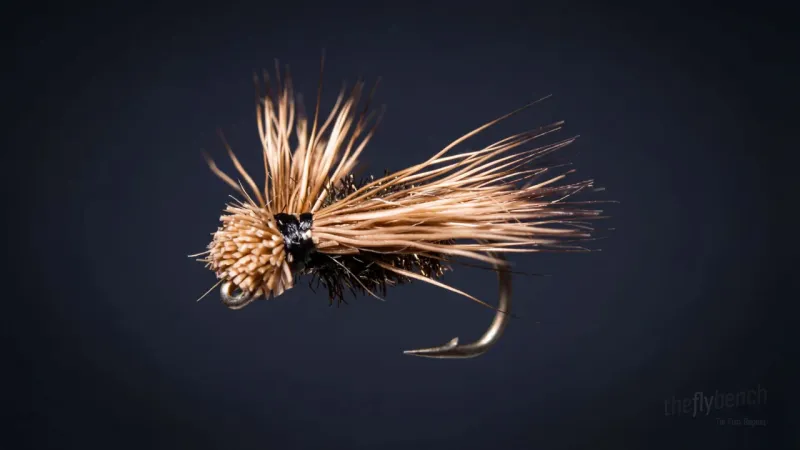
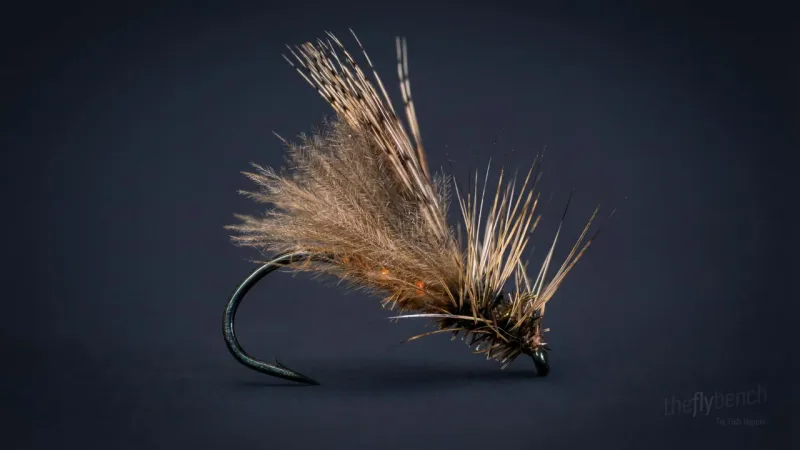
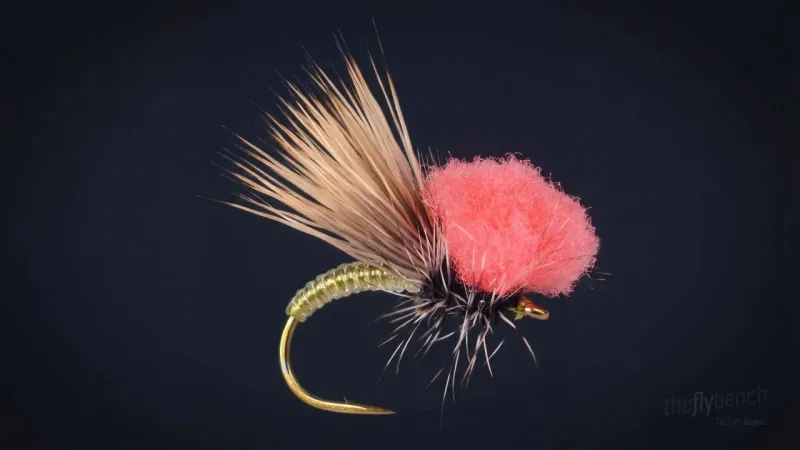
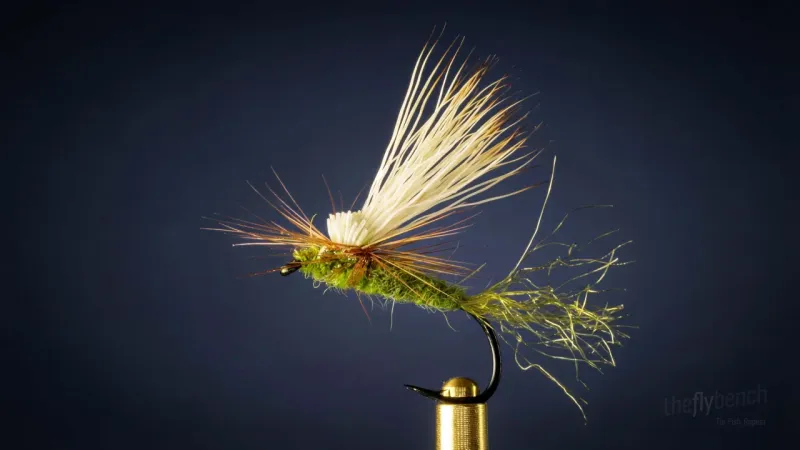
The Egg Laying Grannom Caddis is a highly effective pattern that imitates the adult female caddis returning to the water to lay her eggs. It's a great choice during a caddis hatch when trout are selectively feeding on adult caddis.
Spring
Advanced
Trout
Apr 2025
Overview
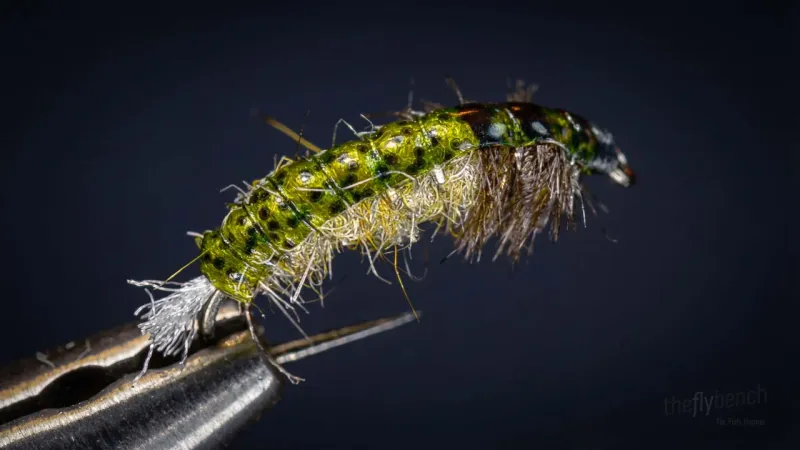
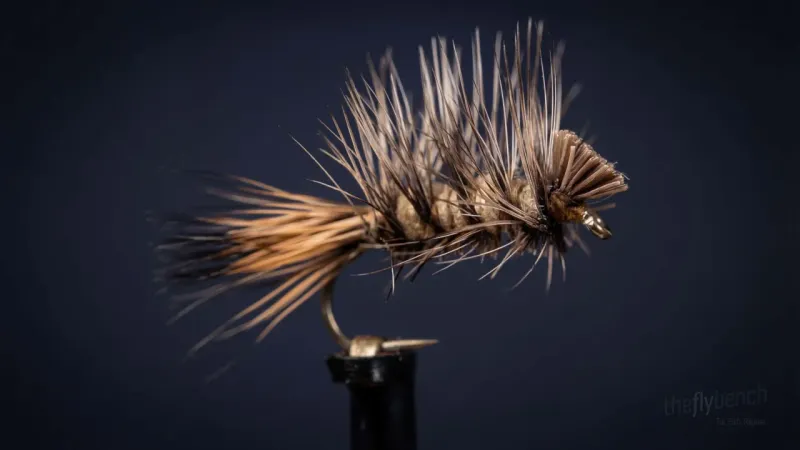
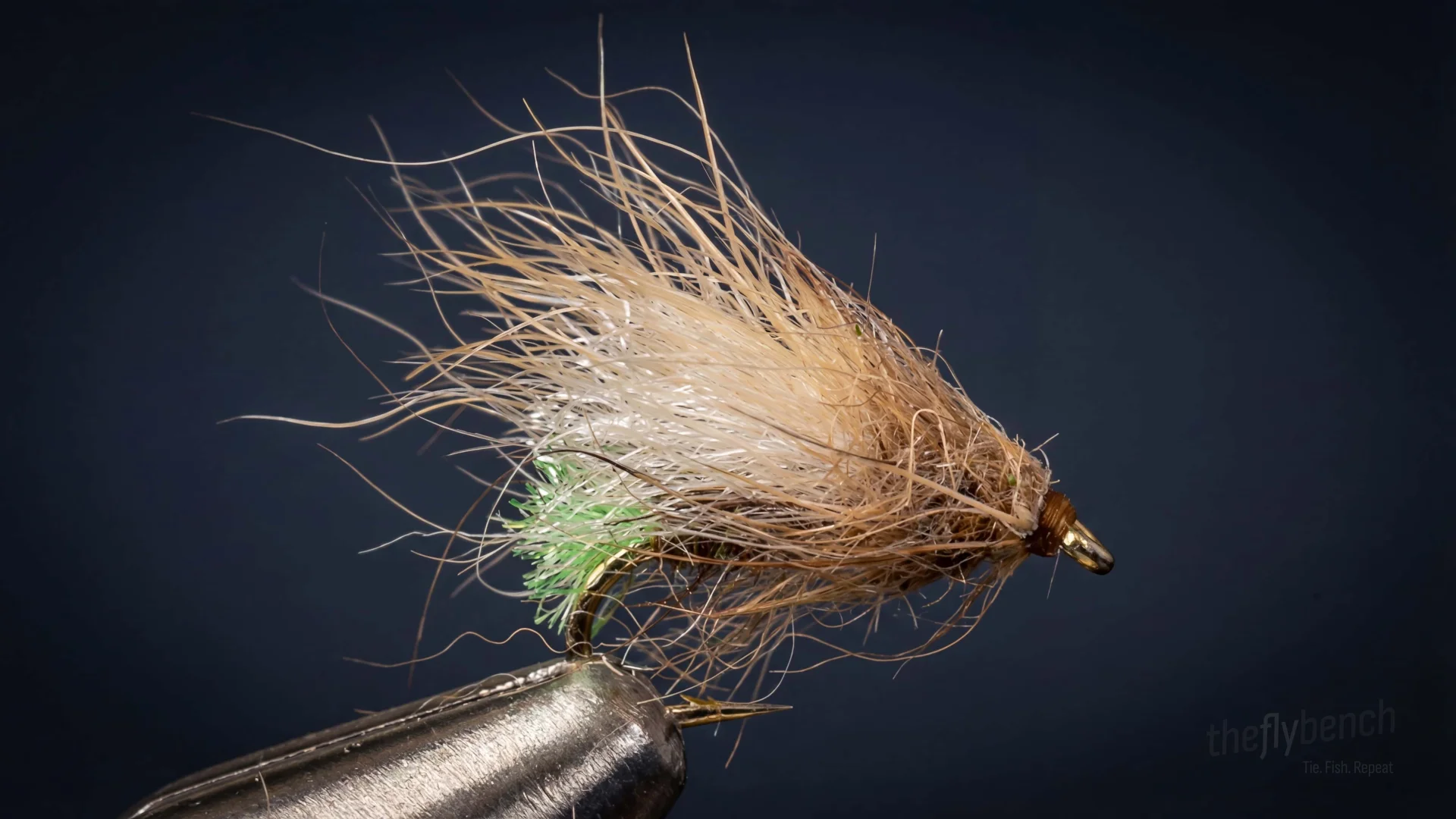
This pattern imitates the female Grannom caddis during its egg-laying phase. It uses a dubbed black or peacock body, green Antron egg sac, and a down-wing of deer or elk hair. Often tied with sparse hackle to help it sit flush on the surface during slow drifts.
Where to Buy This Fly
We only link to fly shops we trust. Some links are referral links, which may earn us a commission at no extra cost to you.
Materials
- Hook:
- Tiemco 101, size #14-#18
- Thread:
- Olive Dun 8/0
- Body:
- Olive Superfine dubbing
- Wing:
- Deer hair
- Hackle:
- Grizzly and brown mixed
- Head:
- Olive Superfine dubbing
Behavior & Presentation
Natural Behavior: Gravid female caddisflies dive actively beneath the surface to deposit egg masses on submerged rocks, swimming with air bubble sheaths that flash visibly as they navigate through current to ovipositing sites. This underwater activity exposes them to aggressive strikes.
Where Trout Eat It: Throughout the water column from surface film to mid-depths in riffles, runs, and current seams where females dive to lay eggs.
How to Fish It: Drift naturally on surface with occasional twitches to suggest the active swimming of diving females.
Best Water: Target riffles, seams, and riffle edges where caddisflies concentrate egg-laying efforts in oxygenated flows.
Strike Type: Expect splashy surface strikes or aggressive subsurface takes as fish intercept diving females.
Fishing Strategy
Rigging Suggestions: The Egg Laying Grannom Caddis can be fished alone or as part of a dry-dropper rig.
Seasonal Timing: Use this pattern during a caddis hatch, especially in the evening when caddis are most active.
Pro Tips: The deer hair wing and hackle make this fly highly visible and buoyant. It will float high on the water, making it easy to see.
Entomology
Female caddisflies dive beneath the surface to attach egg masses directly to submerged rocks and vegetation, swimming actively through the water column with enclosed air bubble sheaths providing temporary oxygen. This underwater egg-laying behavior exposes them to aggressive strikes as fish recognize the distinctive swimming motion and flash of air bubbles. The spring grannom hatches create particularly intense feeding periods when large females concentrate their egg-laying efforts in specific riffle and run habitats over several days.
- Order
- Trichoptera
- Common Name
- Caddisfly
- Organism Type
- insect
- Life Stage
- adult