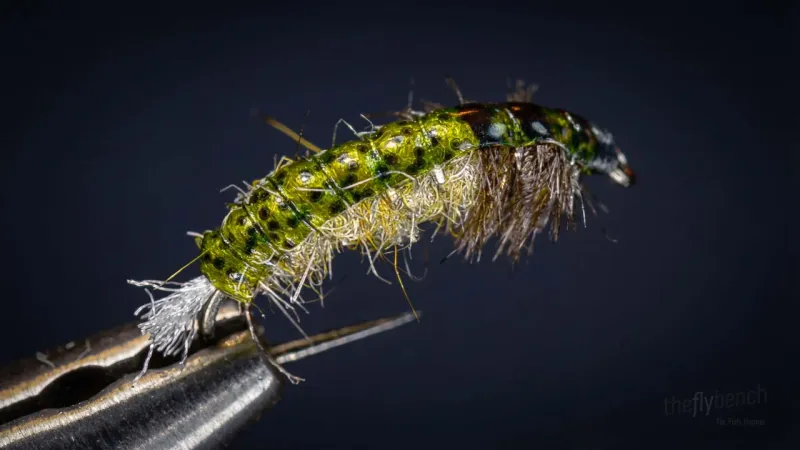
Dry FliesDustup Caddis
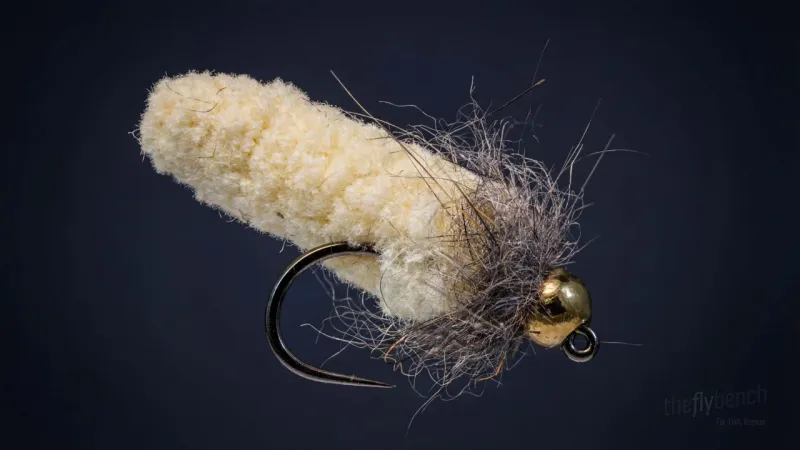
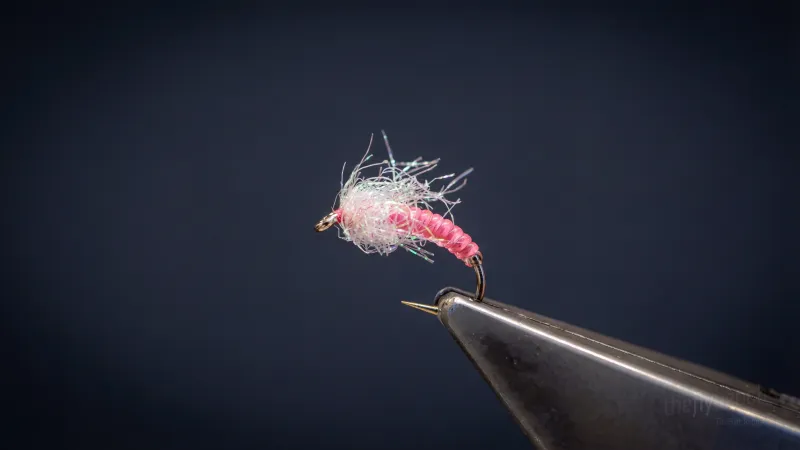
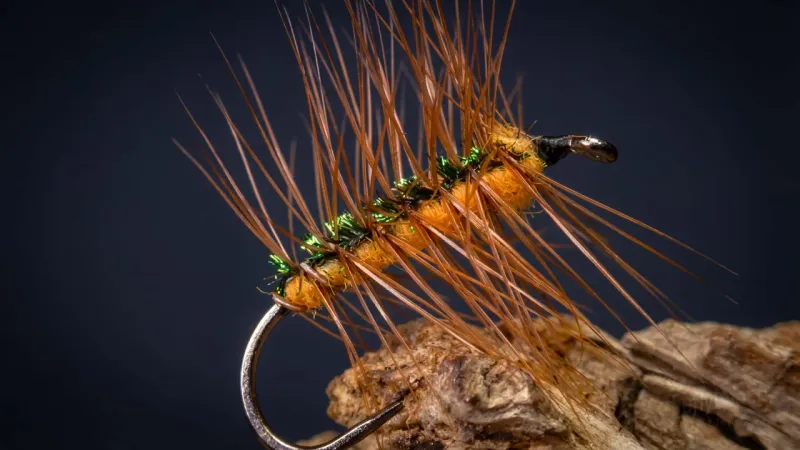
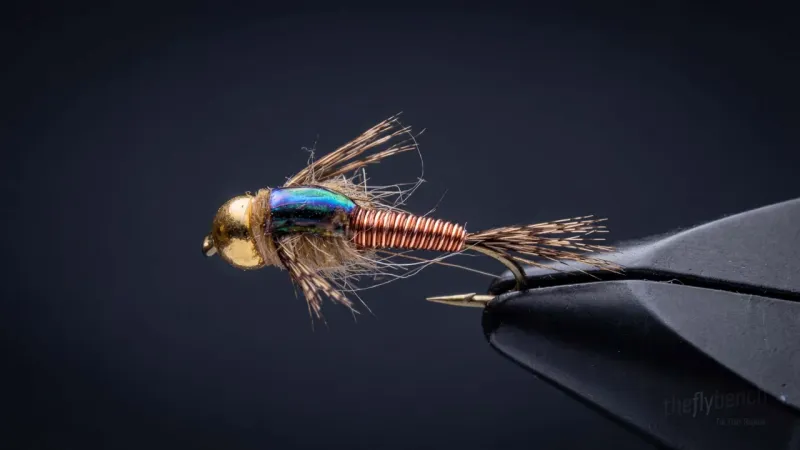
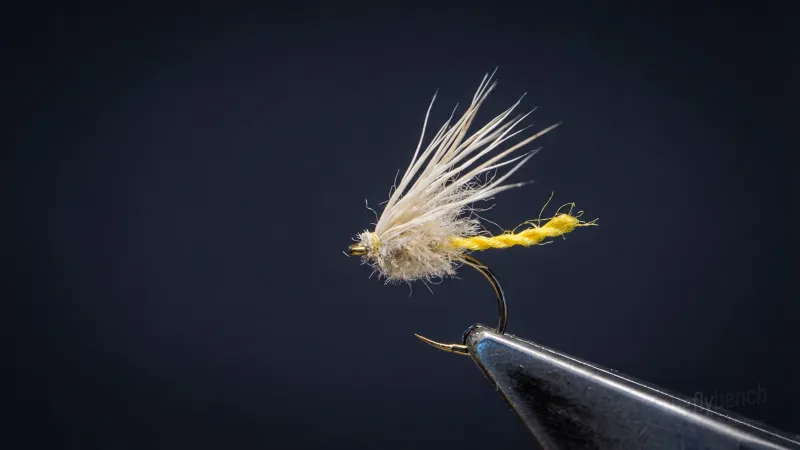
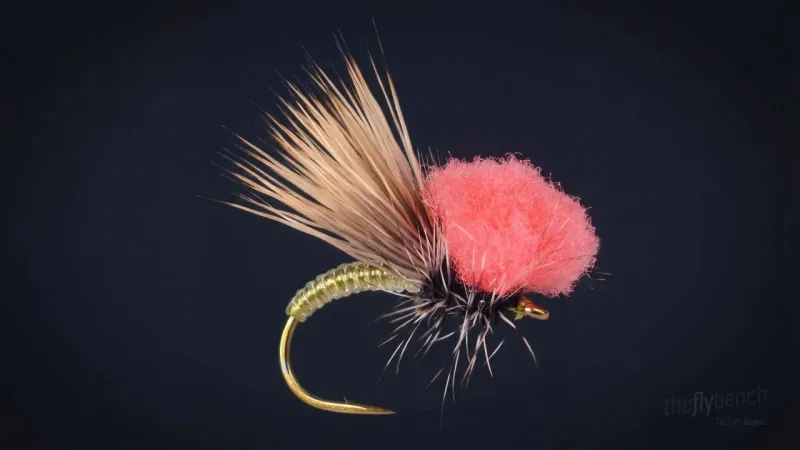
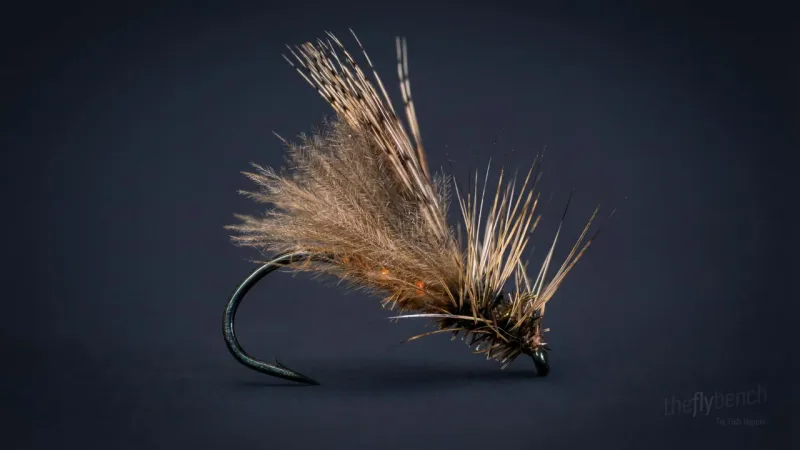
The Dustup Caddis is a versatile dry fly that mimics a caddisfly in its adult stage. Its unique design allows it to ride high in the water, making it highly visible and attractive to feeding trout.
Spring, Summer
Intermediate
Trout
Apr 2025
Overview
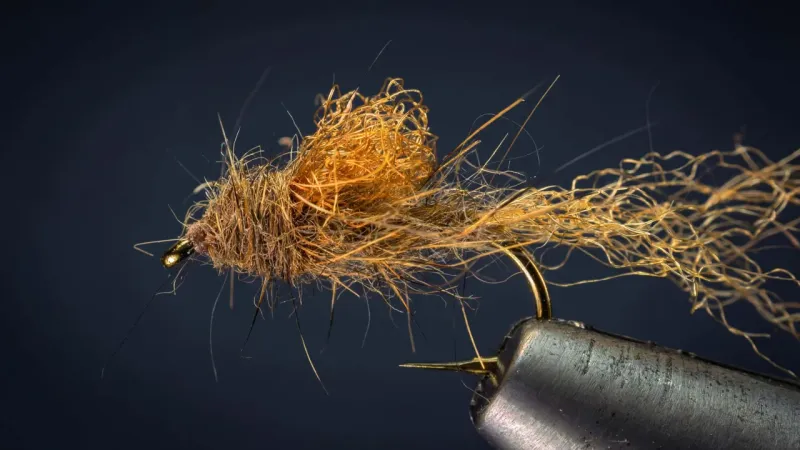
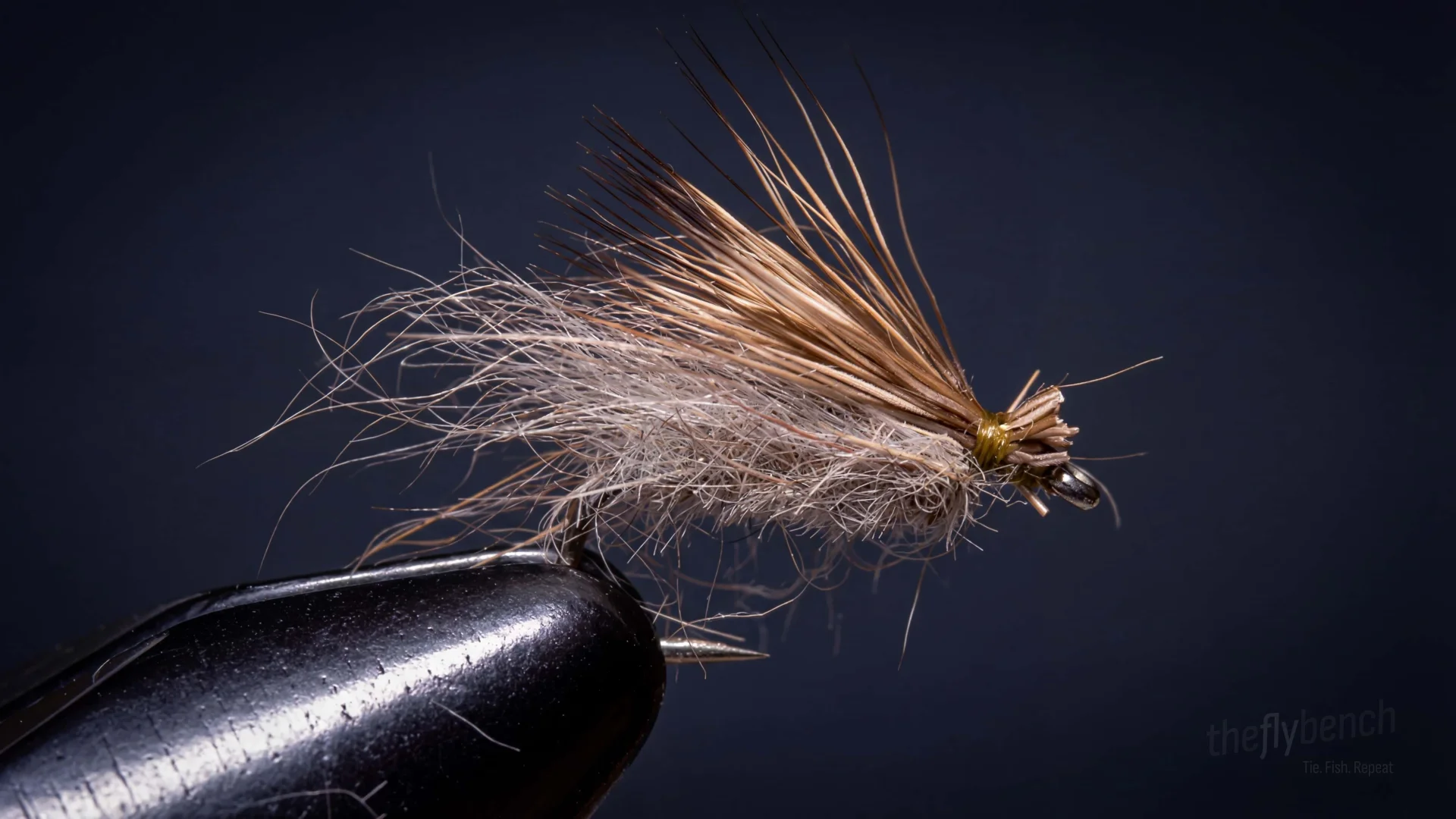
A low-floating, soft-bodied caddis pattern often tied with CDC or Antron for the wing, a sparse dubbed body, and micro-fibers for legs. It imitates an adult caddis struggling to emerge and works especially well during the transitional stages of a hatch.
Where to Buy This Fly
We only link to fly shops we trust. Some links are referral links, which may earn us a commission at no extra cost to you.
Materials
- Hook:
- Tiemco 100, size #12–#16
- Thread:
- Tan UTC 70 denier
- Body:
- Olive hare's ear dubbing
- Wing:
- Natural deer hair
- Hackle:
- Grizzly saddle hackle
- Head:
- Tan deer hair
Behavior & Presentation
Natural Behavior: Emerging caddis pupae ascend rapidly through the water column, creating visible disturbance as they break through the surface film. This vertical movement triggers aggressive strikes.
Where Trout Eat It: Fish position at mid-depth in runs and pools, intercepting ascending pupae during emergence windows.
How to Fish It: Swing across current or lift during the drift to mimic the ascending pupa's rapid rise to surface.
Best Water: Target runs with consistent depth, current seams where pupae concentrate, and pool tail-outs.
Strike Type: Solid grabs during the swing or lift as fish intercept the rising pupa.
Fishing Strategy
Rigging Suggestions: Use a tapered leader to help with delicate presentations.
Seasonal Timing: Best used in late and throughout the when caddis are most active. Ideal when you see trout feeding on the surface, especially in the evenings when caddis are hatching.
Pro Tips: The deer hair wing and hackle help this fly to float high in the water, making it easy to spot.
Entomology
Adult caddisflies skitter and bounce erratically across the water surface during ovipositing runs, creating commotion that attracts predators. Trout rise aggressively to these active adults because the insects' frantic surface activity triggers a feeding response, and the concentrated emergence periods provide brief but intense feeding opportunities throughout summer and early fall.
- Order
- Trichoptera
- Common Name
- Caddisfly
- Organism Type
- insect
- Life Stage
- adult