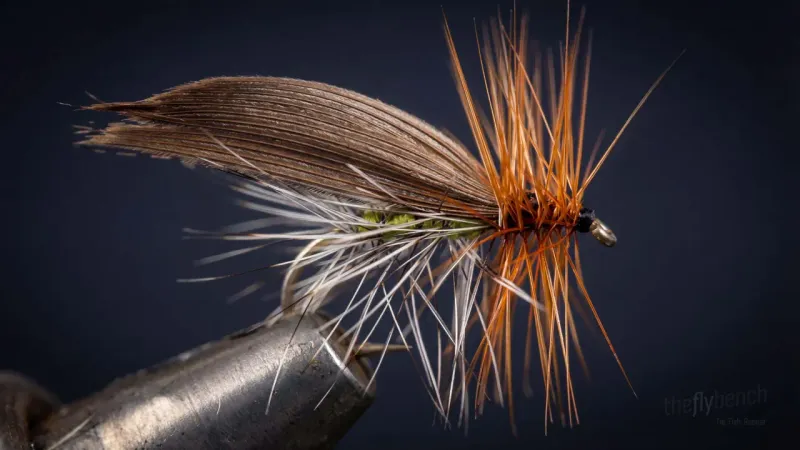
Dry FliesMercers Missing Link Caddis
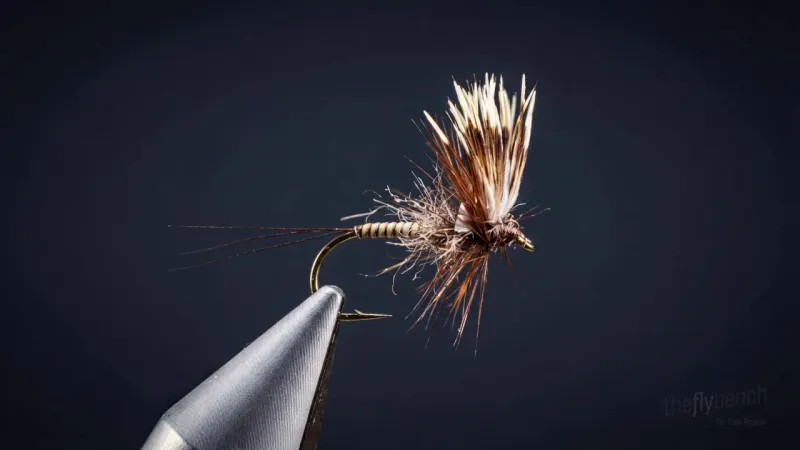
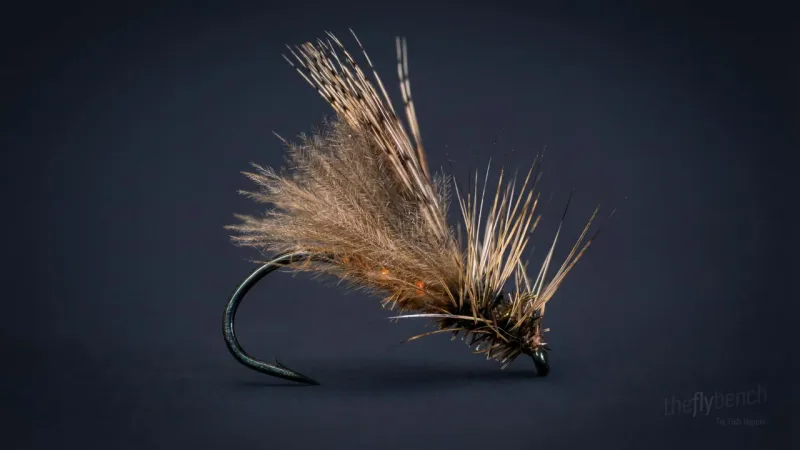
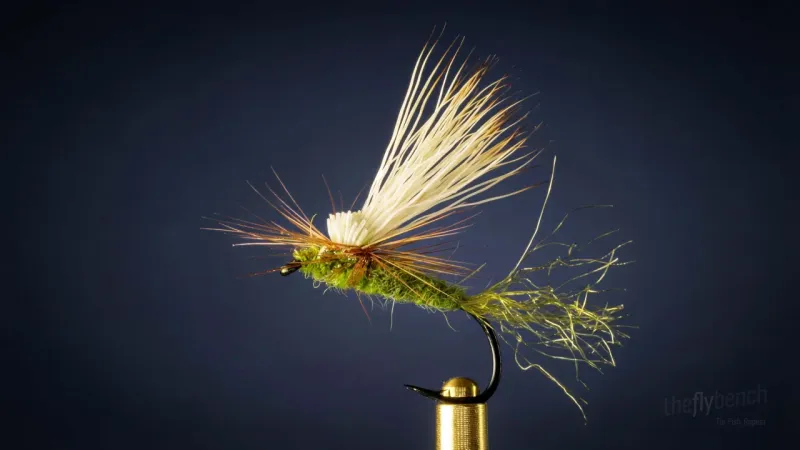
The Mercers Missing Link Caddis is a versatile and highly visible dry fly pattern that mimics a range of caddis and small stonefly species. It floats well and proves particularly effective during caddis hatches.
Spring, Summer
Intermediate
Trout
Apr 2025
Overview
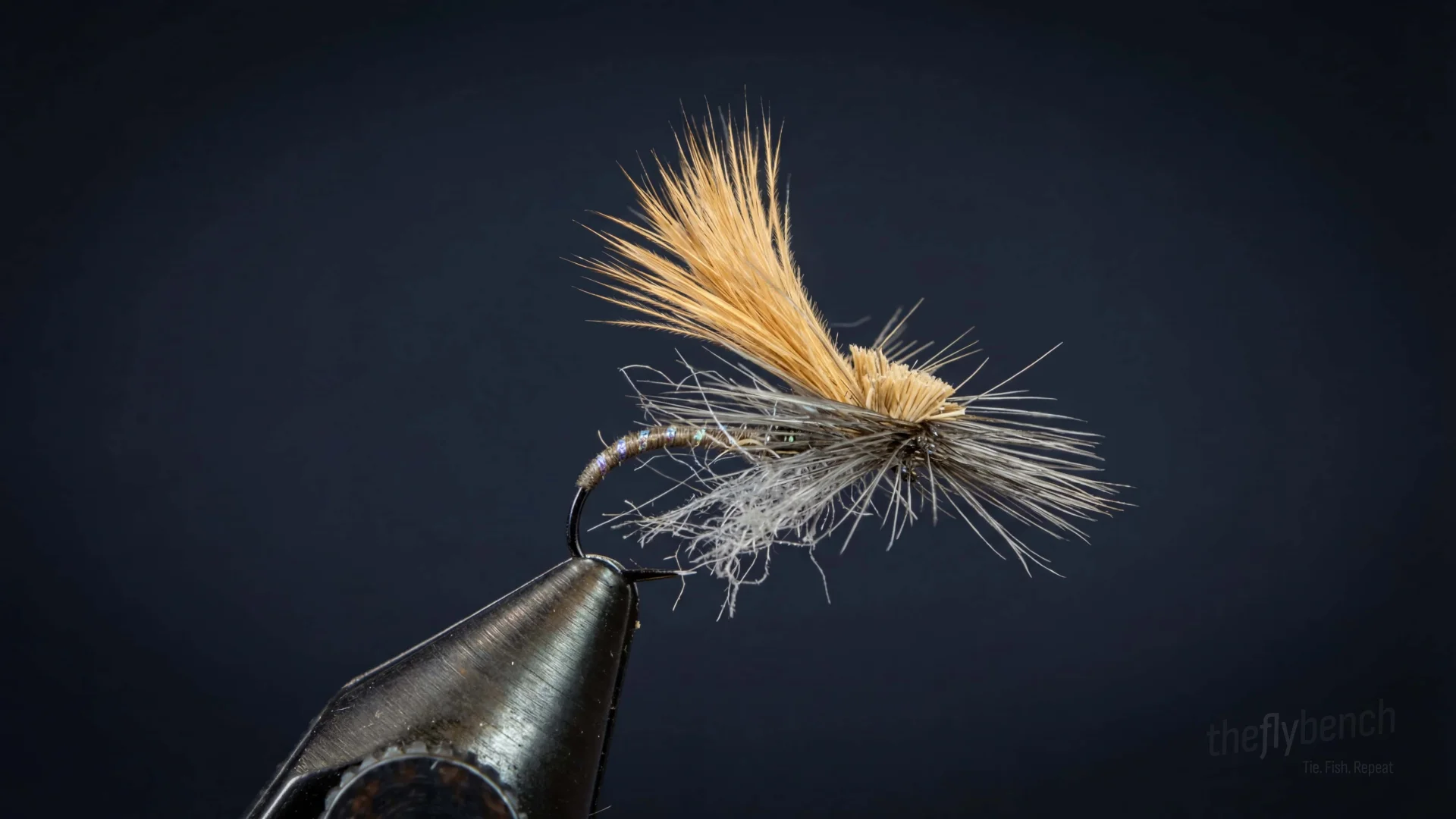
An all-purpose dry fly with caddis and mayfly elements — features a bleached elk hair wing, trailing shuck, and upright hackle. The unique profile makes it an effective crossover pattern for picky trout.
Where to Buy This Fly
We only link to fly shops we trust. Some links are referral links, which may earn us a commission at no extra cost to you.
Materials
- Hook:
- Standard dry-fly hook (here a TMC 100), size 12-18
- Thread/Abdomen:
- 6/0 or 140 Denier, olive
- Rib:
- Krystal Flash, pearl, single strand
- Thorax:
- Peacock-color dubbing
- Spent Wings:
- Midge Gray straight Zelon
- Hackle:
- Cree
- Upper Wing/Head:
- Bleached elk hair
Behavior & Presentation
Natural Behavior: Caddis pupae swim toward the surface in pulsing ascents, creating gas bubble trails that fish track visually. The transitional stage between larva and adult concentrates feeding activity as insects become available throughout the water column.
Where Trout Eat It: Mid-column to film during caddis emergences in riffles, runs, and pool tailouts.
How to Fish It: Swing or dead drift with occasional lifts to mimic ascending pupae moving toward the surface.
Best Water: Riffles, runs, seams, tail-outs, and current breaks where caddis emergences concentrate activity.
Strike Type: Line tightens during swing or drift as fish intercept ascending pupae.
Fishing Strategy
Rigging Suggestions: Use 9-foot leaders with 5X or 6X tippet. Floating line in all situations. Add gel floatant to maintain high riding position and visibility.
Seasonal Timing: April through September during peak caddis activity, with best results in May and June. Evening hatches from June through August are especially productive for this pattern.
Pro Tips: The light-colored wing provides excellent visibility in faster water and low-light conditions. This transitional pattern works when trout won't commit to full dry flies or emergers. Fish it during the overlap between emergence and egg-laying activity.
Entomology
Adult caddisflies skitter across the water surface during ovipositing runs, creating distinctive wakes and disturbances that alert feeding fish. Females repeatedly touch down to deposit eggs, becoming exhausted and vulnerable on the water's surface. The Missing Link's flush-floating profile perfectly mimics these spent adults, triggering explosive surface strikes from selectivity-focused trout.
- Order
- Trichoptera
- Common Name
- Caddisfly
- Organism Type
- insect
- Life Stage
- adult