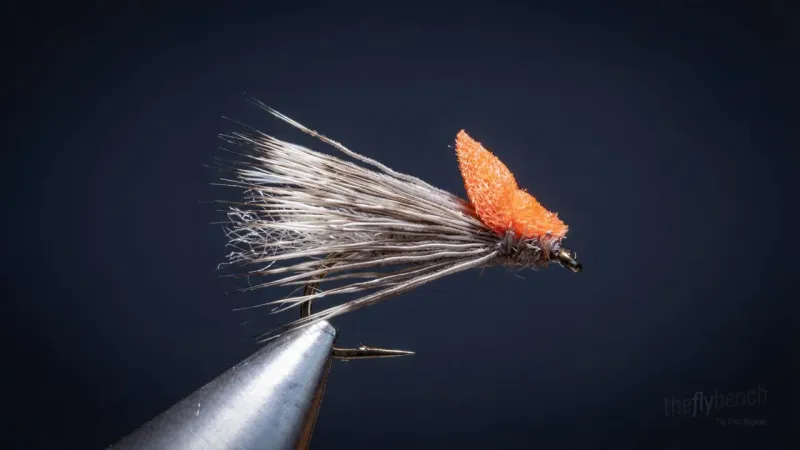
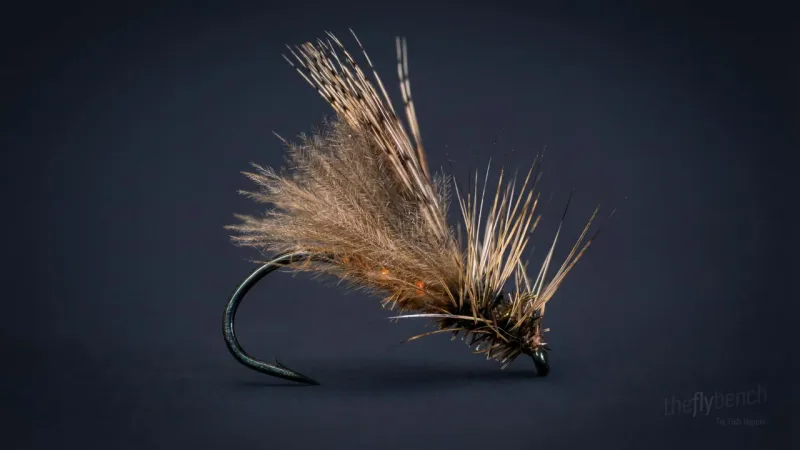
Dry FliesSlickwater Caddis
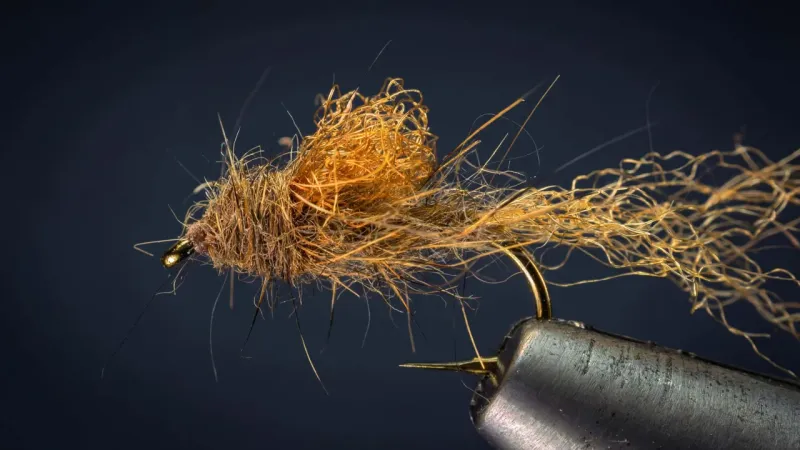
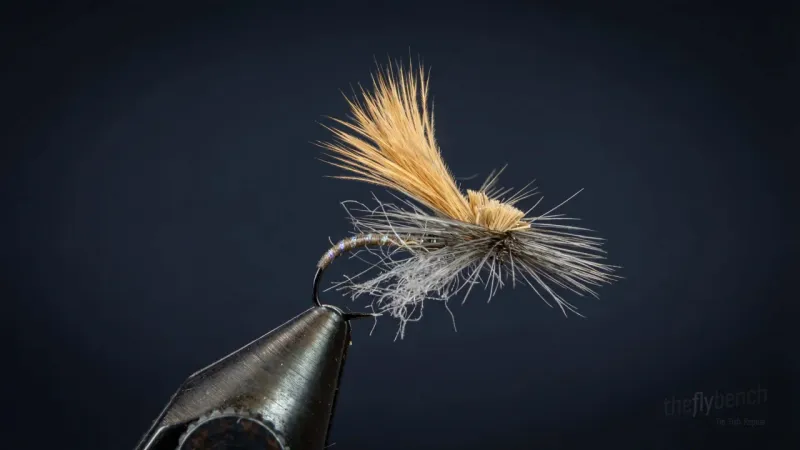
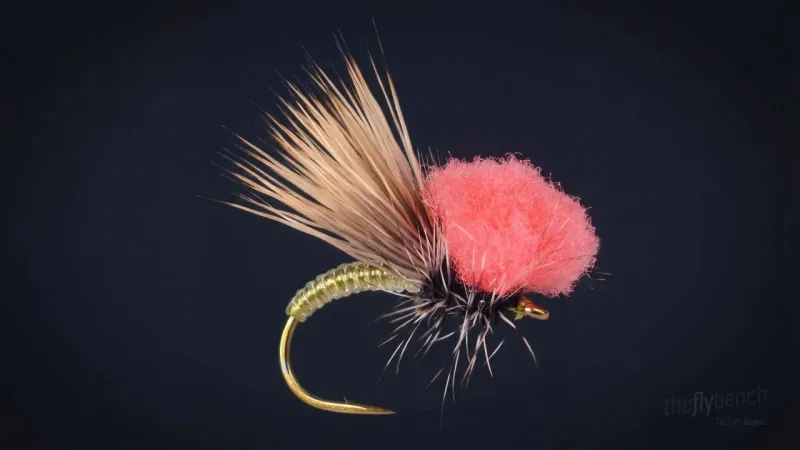
The Slickwater Caddis is a dry fly pattern designed to float high and stay visible in fast, choppy water. It's a great choice when caddisflies are hatching and the fish are looking up.
Spring, Summer
Intermediate
Trout
Apr 2025
Overview
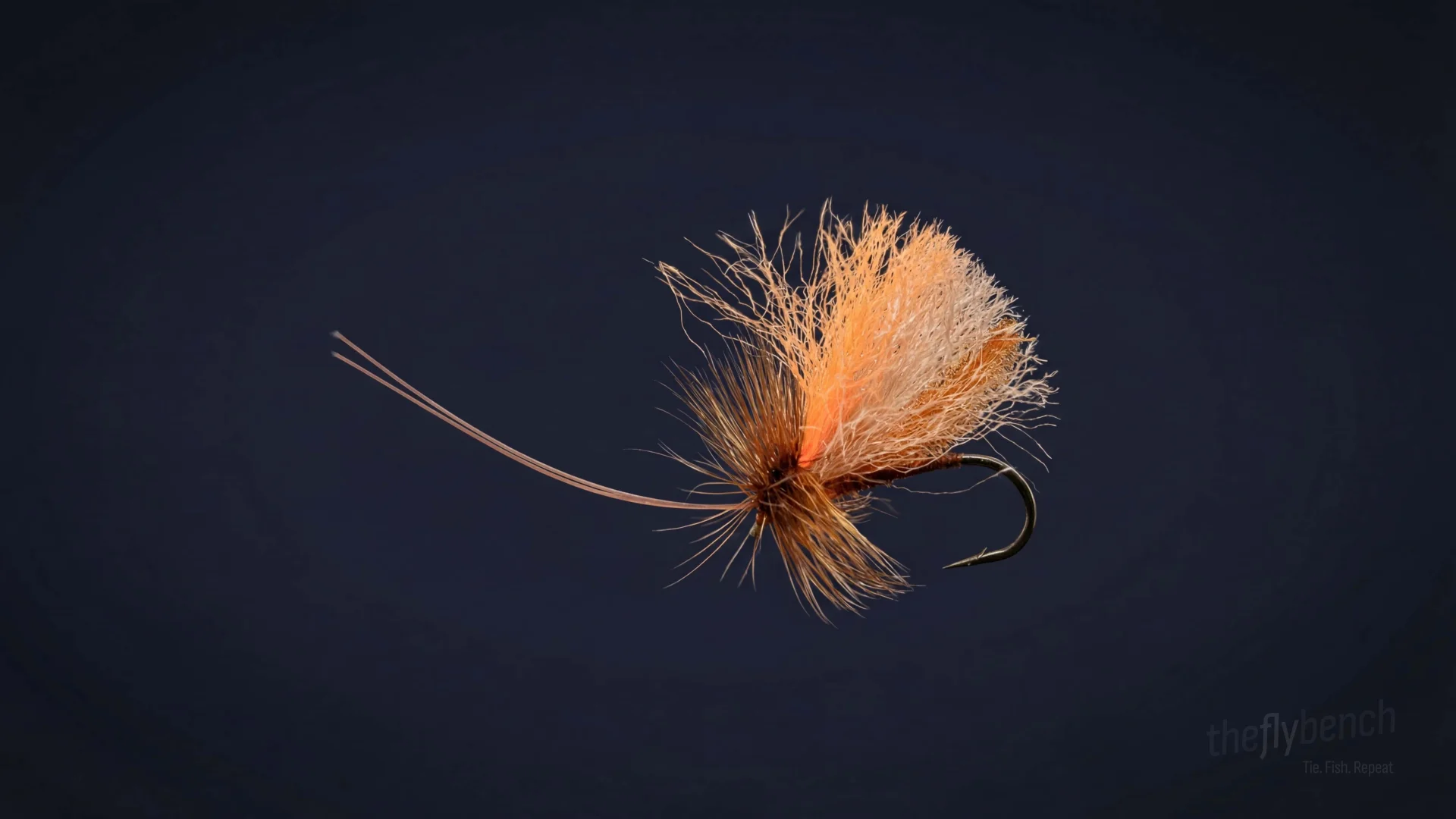
Tied for flat, clear water, this delicate caddis imitation uses CDC or sparse deer hair wings, a slim dubbed body, and fine hackle. It sits low in the film to match vulnerable emerging adults and is best tied in natural colors like tan, olive, or gray.
Where to Buy This Fly
We only link to fly shops we trust. Some links are referral links, which may earn us a commission at no extra cost to you.
Materials
- Hook:
- TMC 2488 #20 - #12
- Thread:
- Uni 17/0, White Abdomen: Chenille, Brown
- Wing:
- Congo or EP Fibers, Tan
- Post:
- Parapost Fluorescent Orange
- Hackle:
- Grizzly Brown
Behavior & Presentation
Natural Behavior: Adult caddis flutter and skitter across smooth water surfaces during egg-laying, dipping repeatedly to deposit eggs. These active movements create visible disturbances that draw attention from feeding trout in calm glides.
Where Trout Eat It: Fish rise to ovipositing adults in smooth runs, pool glides, and tail-outs where caddis concentrate.
How to Fish It: Dead drift with occasional twitches to imitate ovipositing adults, or skate the pattern across slick surfaces to trigger strikes.
Best Water: Target tail-outs, seams, and foam lines in slow glides. Riffle edges where calm water meets current hold feeding fish.
Strike Type: Watch for visible rises or explosive takes; set the hook at the sight of the strike with a smooth lift.
Fishing Strategy
Rigging Suggestions: 9-foot leader tapered to 5X or 6X tippet (4-5 lb test). Fish solo or as indicator fly with nymph dropper 18-24 inches below.
Seasonal Timing: April through September with peak effectiveness during June and July when caddis hatches are most intense on Western rivers.
Pro Tips: The dense hackle and elk hair wing keep this fly riding high even in turbulent water. Apply generous floatant to maintain buoyancy. Downsize to #16-18 in slow water, upsize to #12-14 in heavy currents.
Entomology
Adult caddisflies land on slow-moving or still water with their tent-like wings held at distinctive angles, skating across the surface when egg-laying or resting briefly between flights. Trout intercept these surface-active adults because their movement patterns create visible disturbances and they remain available as food sources during extended evening and morning periods when caddis activity peaks.
- Order
- Trichoptera
- Common Name
- Caddisfly
- Organism Type
- insect
- Life Stage
- adult