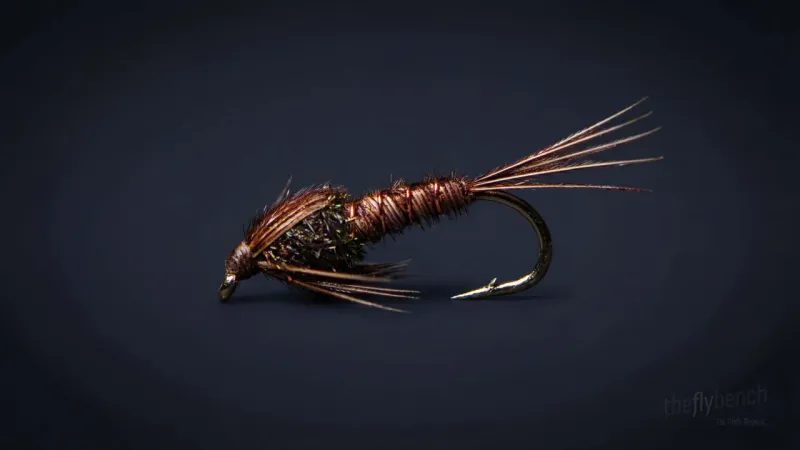
Euro NymphsEgan's Red Dart
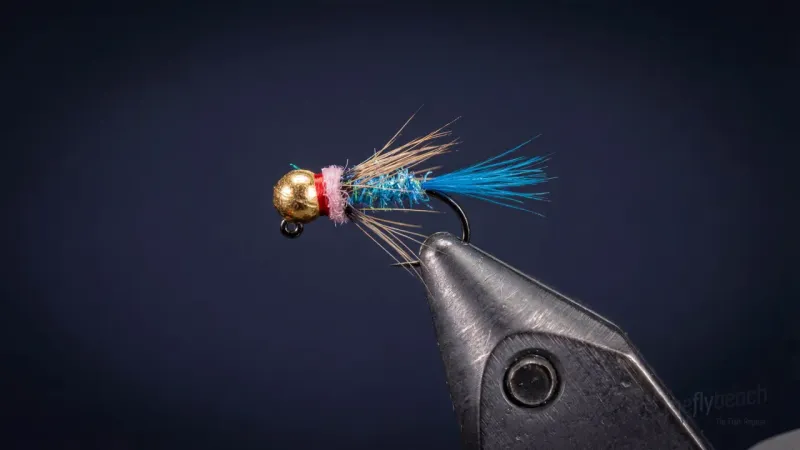
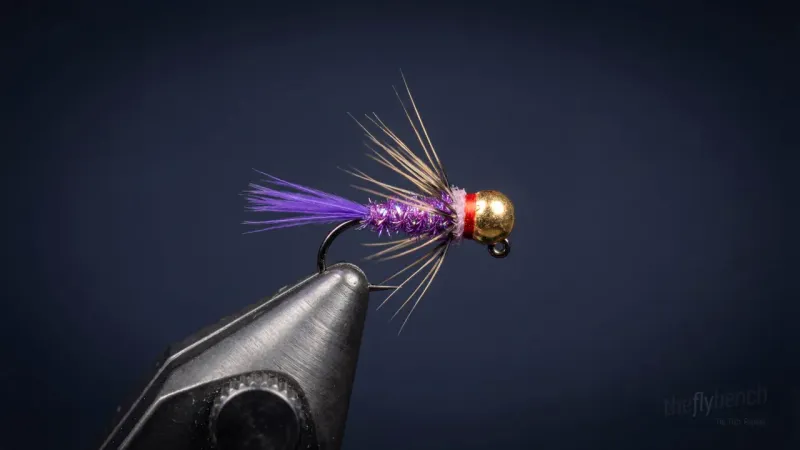
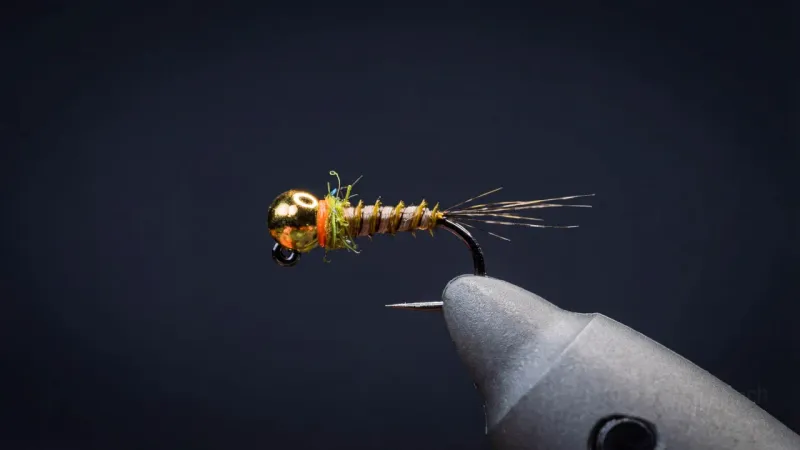
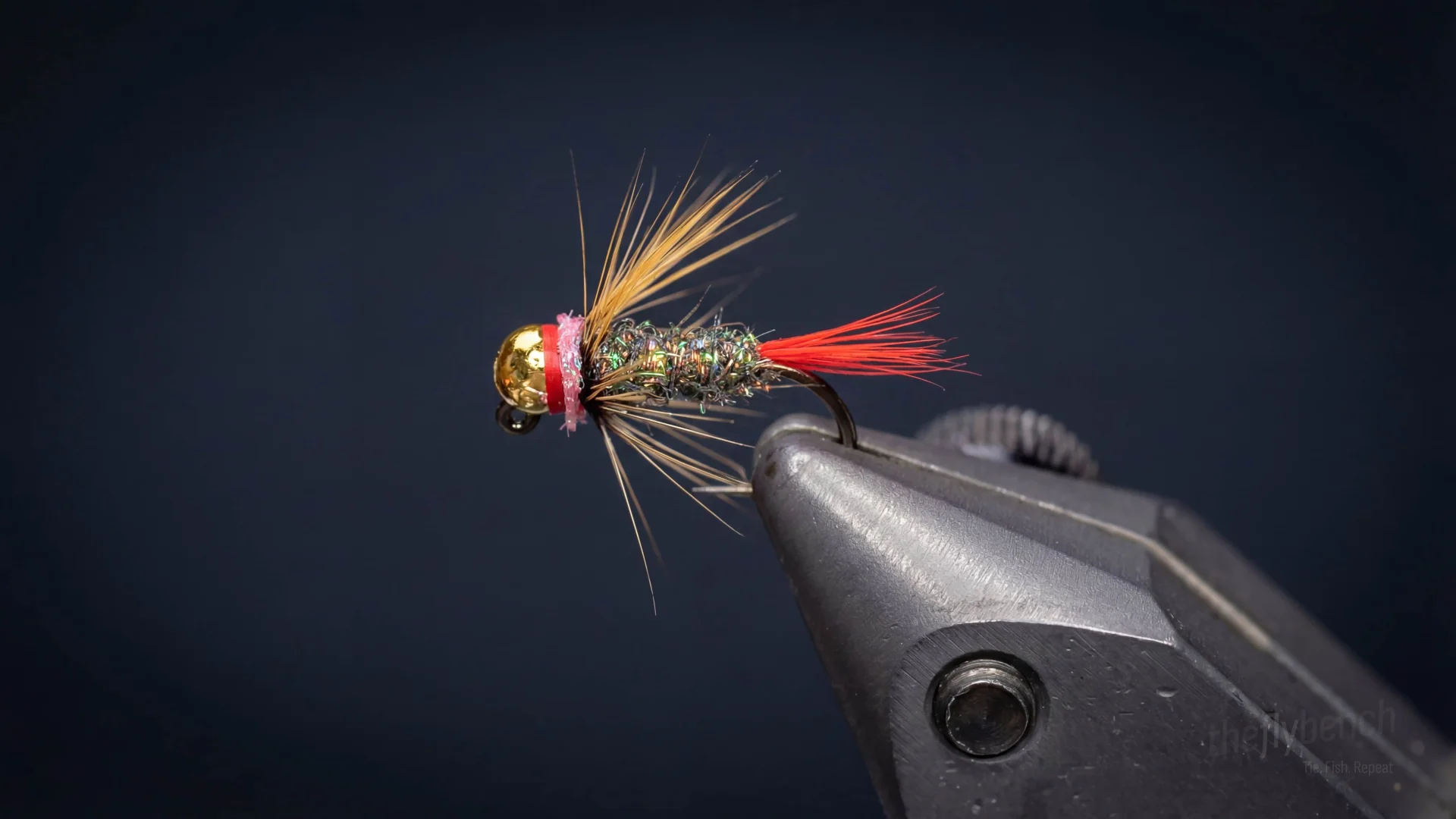
The Red Dart is a design combining the best parts of a couple of old favorite fly patterns and applying current materials. Created by Lance Egan at the 2011 World Fly Fishing Championships in Bolzano, Italy, this pattern merges the red tag's bright tail with the prince nymph's peacock body and soft hackle. The addition of a UV pink hotspot behind the bead creates a flashy attractor pattern that's proven effective in competition and recreational fishing alike.
Spring, Summer, Fall
Intermediate
Trout
Dec 2025
Overview
Lance Egan developed this pattern by combining elements of the traditional red tag and prince nymph during the 2011 World Championships. Fish were being caught on both patterns, so Egan merged the red tail from the red tag with the peacock body and brown soft hackle of the prince nymph. He replaced natural peacock with flashy Ice Dub peacock for added attraction and removed the white biots typically found on prince nymphs. The sparse UV pink hotspot behind the bead is a common feature in competition flies that provides an additional trigger point for trout.
Materials
Hook: Hanak H 400 BL Jig Hook, size #14
Bead: Hanak Round+ Slotted Tungsten Beads, gold, 3.5mm (or Fulling Mill Slotted Tungsten Beads, gold, 3.2mm or 2.8mm)
Thread: Semperfli Classic Waxed Thread 12/0, red (or 8/0 UNI-Thread Waxed Midge, red)
Tail: Metz Soft Hackle Feathers, red (or UV2 Coq de Leon Perdigon Fire Tail Feathers, fl. flame)
Abdomen: Ice Dub, peacock
Ribbing: Sulky Metallic Tinsel, opalescent
Hackle: Whiting Red Label Hen Cape, brown (or Whiting Hebert Miner Hen Cape, brown)
Thorax Hotspot: Ice Dub, UV pink
Weight (optional): Lead Wire Spool, 0.015
Behavior & Presentation
Natural Behavior: Mayfly nymphs occupy diverse microhabitats from clinging to rocks in riffles to burrowing in silty pools, exhibiting photoperiodic emergence patterns. Pre-hatch periods create intense feeding as nymphs drift more frequently preparing for emergence.
Where Trout Eat It: Fish target nymphs along bottom in runs, riffles, and pocket water at 2-6 foot depths where mayflies concentrate.
How to Fish It: Dead drift along bottom using tight-line techniques, allowing hotspot collar and red tail to trigger strikes.
Best Water: Target runs with rocky substrate, riffles in freestone rivers, and pocket water where nymphs tumble through zones.
Strike Type: Subtle sag, tick, or pause indicates fish intercepting nymphs during pre-hatch drift activity.
Fishing Strategy
Rigging Suggestions: Fish on a Euro nymphing leader with 4X-5X tippet for a balanced presentation. Can be used as the point fly with a lighter nymph or midge as a dropper.
Seasonal Timing: and summer mayfly hatches (March through September), with excellent results during fall Baetis emergences. Works year-round in tailwaters with consistent insect populations.
Pro Tips: Sinks rapidly due to tungsten bead and slim profile, reaching depths of 3-5 feet quickly. The Ice Dub body creates subtle flash that attracts attention without spooking wary trout.
Entomology
Mayfly nymphs occupy diverse microhabitats across the streambed, from clinging to rocks in riffles to burrowing in silty pools, with many species exhibiting strong photoperiodic emergence patterns. Their abundance during pre-hatch periods creates intense feeding opportunities as nymphs drift more frequently in preparation for emergence. Trout selectively feed on these protein-rich invertebrates throughout the year, with feeding intensity increasing dramatically as water temperatures trigger mass emergence events.
- Order
- Ephemeroptera
- Common Name
- Mayfly
- Organism Type
- insect
- Life Stage
- nymph