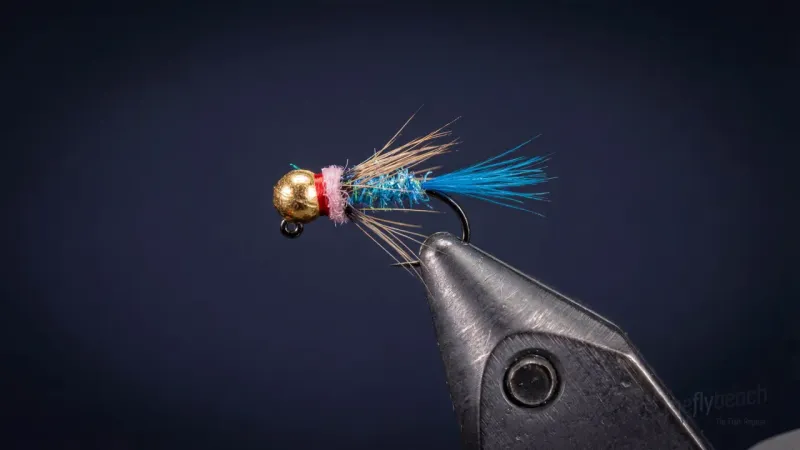
Euro NymphsTRC Baetis
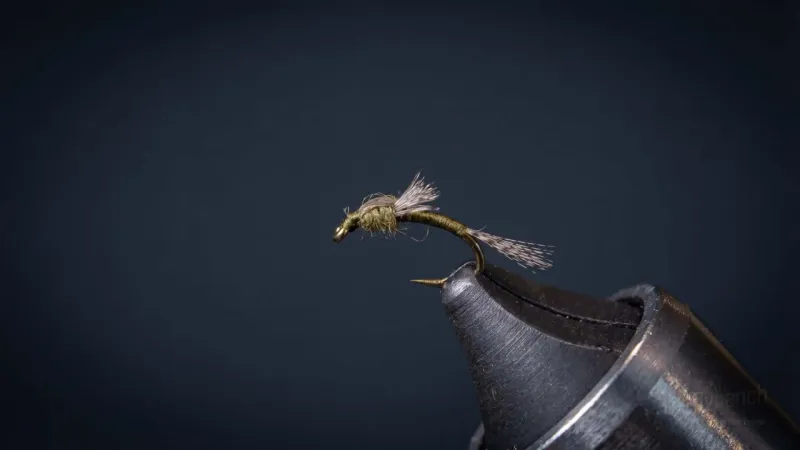
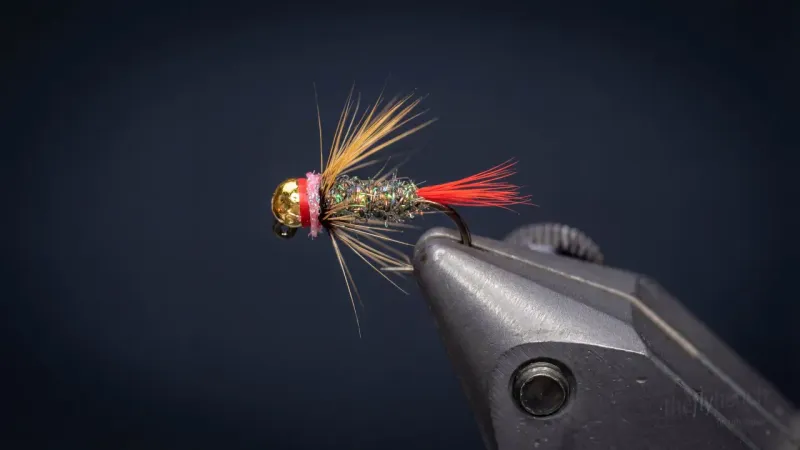
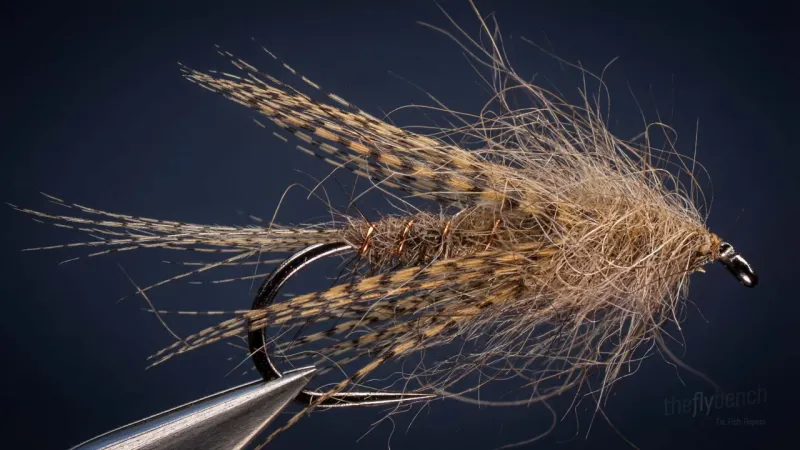
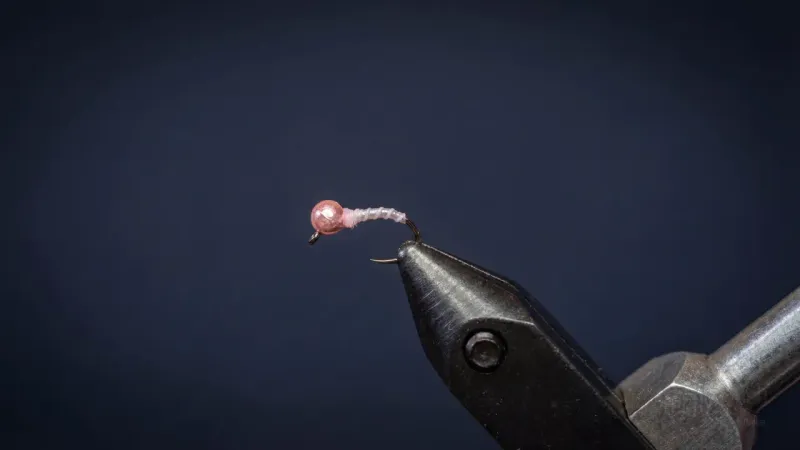
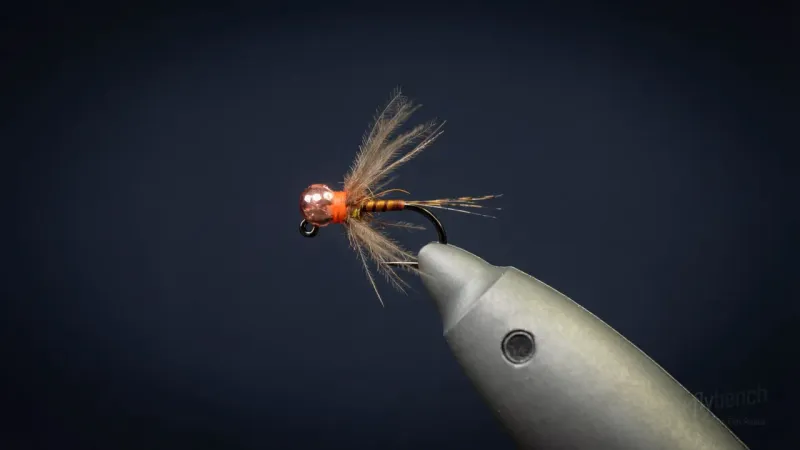
The TRC Baetis combines UV-enhanced materials with an innovative biot wrapping technique for both durability and attraction. By wrapping flexible UV floss through the turkey biot body, this pattern gains significant durability while adding UV properties that make it stand out underwater. Created by Cheech at Fly Fish Food, it offers endless color combinations.
Spring, Fall
Intermediate
Trout
Dec 2025
Overview
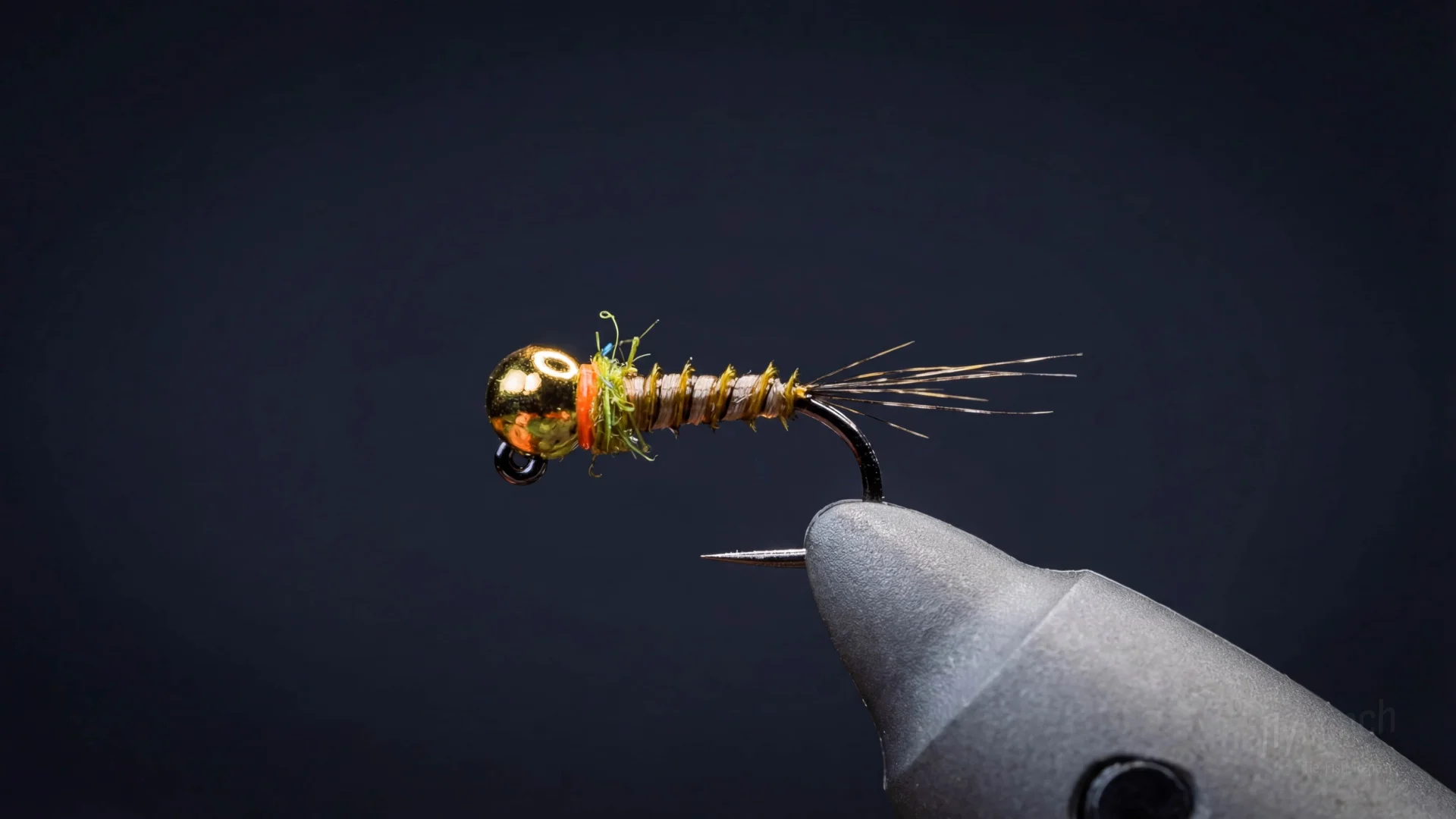
The TRC Baetis uses an innovative technique where flexible floss is counter-wrapped through the biot body, adding both UV flash and structural reinforcement. This solves the common problem of fragile biot bodies while adding attractive properties. Note that biot bodies typically work best in sizes #14-#16 and smaller—they become difficult to work with on larger hooks.
Materials
Hook: Fulling Mill 5045 Jig Force Barbless, size #16 (or Hanak H 400 BL)
Thread: Semperfli Classic Waxed 12/0, fluorescent orange
Bead: Hanak Round+ Slotted Tungsten, gold, 3.0mm (or Fulling Mill 2.8mm)
Tail: Spanish Coq De Leon, pardo
Body: Fulling Mill Turkey Biots, brown olive (or Turkey Biot Quills BWO)
Rib: Fulling Mill Micro Flex-Floss, fluorescent apricot (or fluorescent peach)
Thorax: Fulling Mill Euro Nymph Flash Dub, light olive UV (or brown olive UV)
Behavior & Presentation
Natural Behavior: Baetis nymphs swim actively during overcast periods and dusk, foraging on open surfaces before releasing into drift at night.
Where Trout Eat It: Fish station in feeding lanes 2-4 feet deep in streams and ponds, intercepting small olive nymphs in seams and near structure.
How to Fish It: Dead drift with tight-line euro contact. Slim biot body and tungsten bead sink quickly, reaching feeding depth in technical water.
Best Water: Target seams where drift concentrates, pocket water with varied flows, and weed edges, shoals in lakes where Baetis thrive.
Strike Type: Subtle tick or pause. UV enhancement and orange hotspot trigger strikes detected through sensitive contact.
Fishing Strategy
Rigging Suggestions: Fish on 5X-6X fluorocarbon tippet. Use as point fly in euro rigs or as dropper below a dry fly during hatch activity.
Seasonal Timing: and fall Baetis hatches (March-May and September-November). The UV properties make it particularly effective on overcast days when natural UV light penetration is reduced.
Pro Tips: The tungsten bead provides quick sink while the UV-enhanced materials remain visible to fish. The slim profile cuts through current effectively.
Entomology
Baetis nymphs exhibit pronounced diurnal behavioral patterns, hiding in substrate during bright conditions but actively swimming and foraging during overcast periods and at dusk. Their multi-voltine life cycle produces overlapping generations with nearly continuous emergence potential from March through November, ensuring year-round availability that causes trout to develop search images specifically for small olive-bodied nymphs regardless of other available prey.
- Order
- Ephemeroptera
- Family
- Baetidae
- Common Name
- Blue-Winged Olive
- Organism Type
- insect
- Life Stage
- nymph