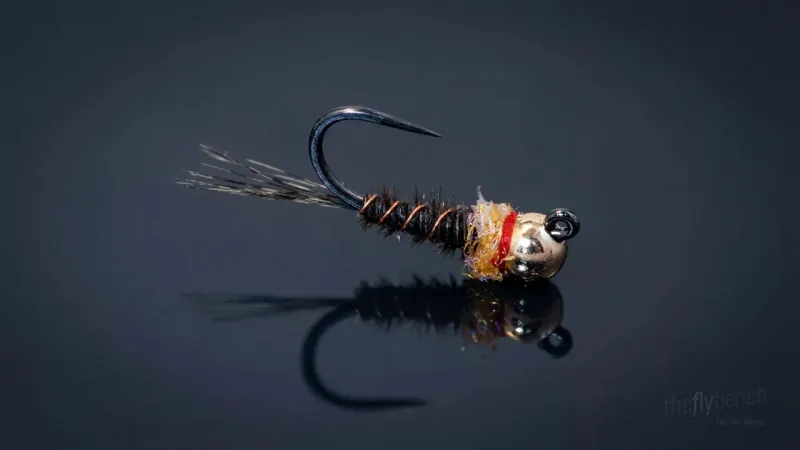
Euro NymphsThe Picric Frenchie
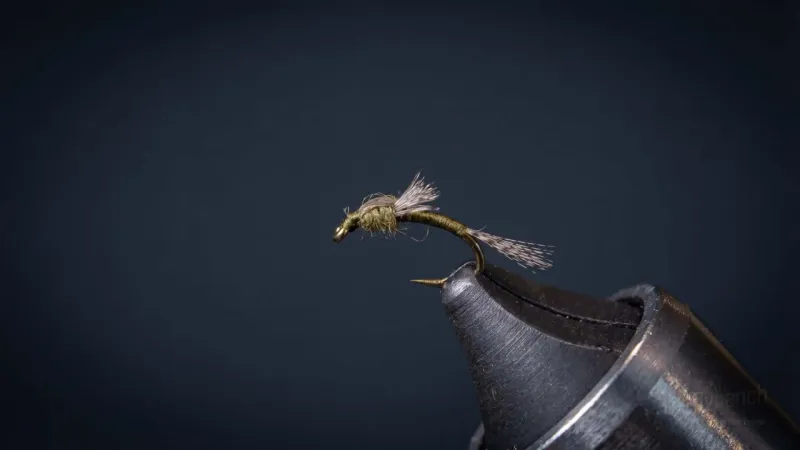
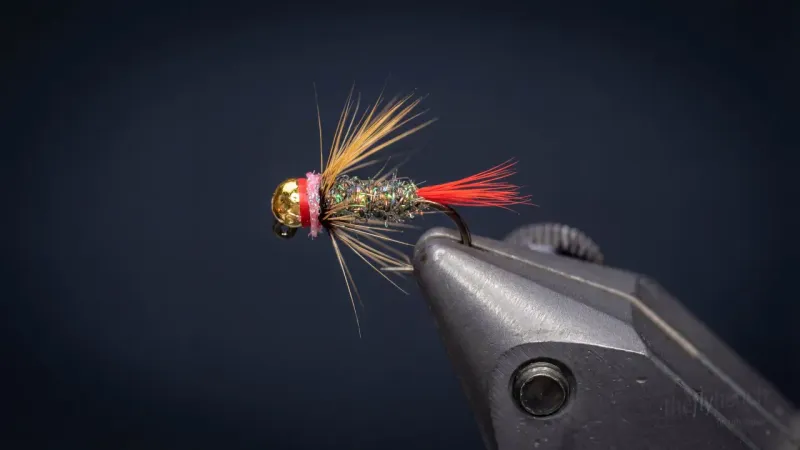
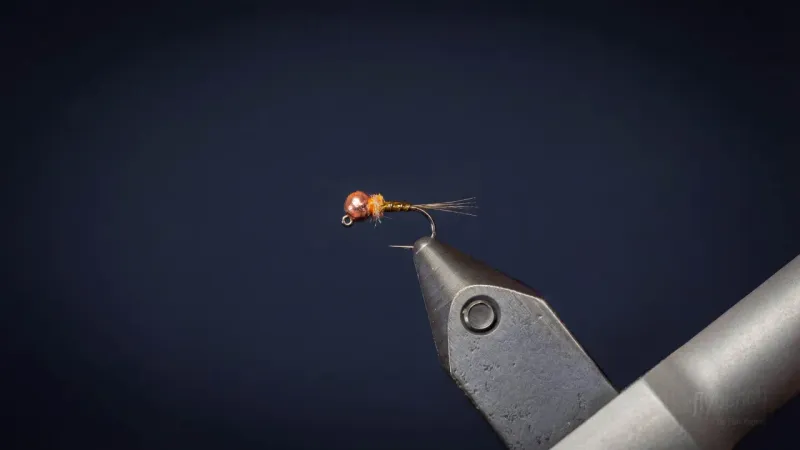
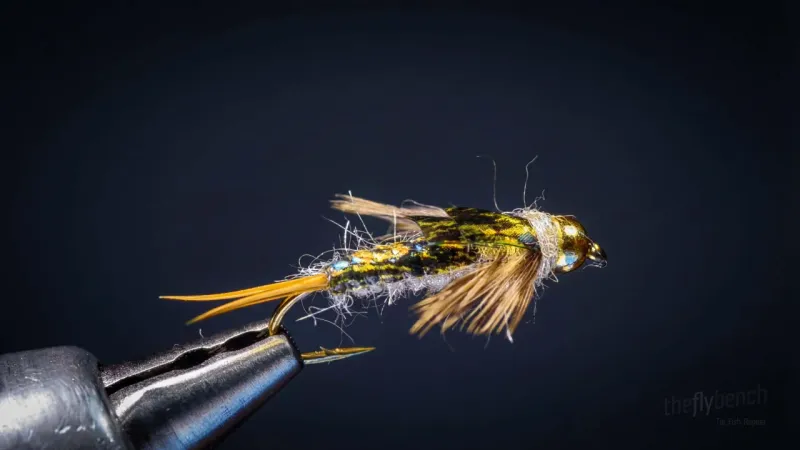
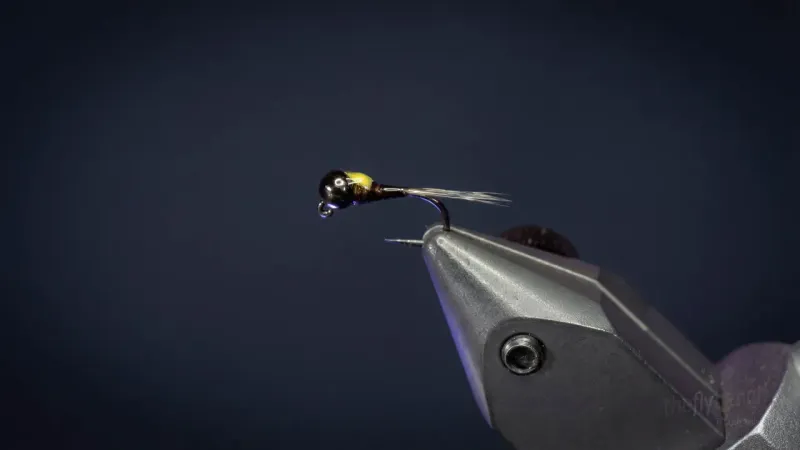
A vibrant variation of the classic Frenchie featuring a UV chartreuse hot spot that creates an irresistible trigger point. Named after picric acid, known for its brilliant yellow color, this euro nymph uses bright chartreuse Ice Dub to maximize underwater visibility. Perfect for competitive fishing and technical presentations when fish need extra encouragement to strike.
Spring, Summer, Fall
Beginner
Trout
Dec 2025
Overview
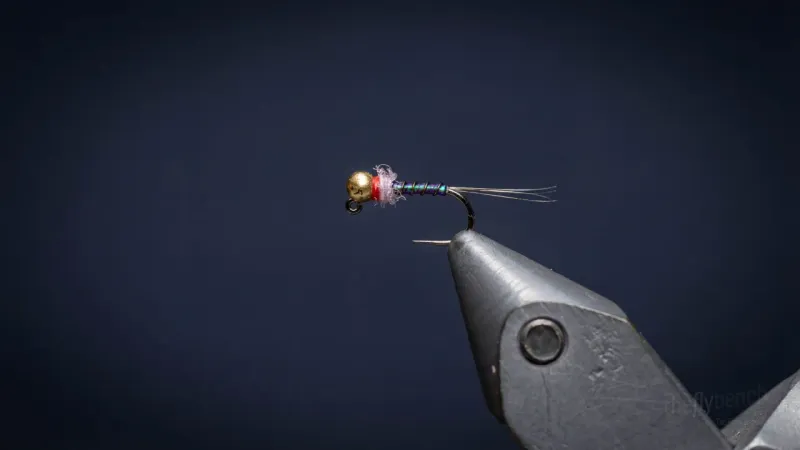
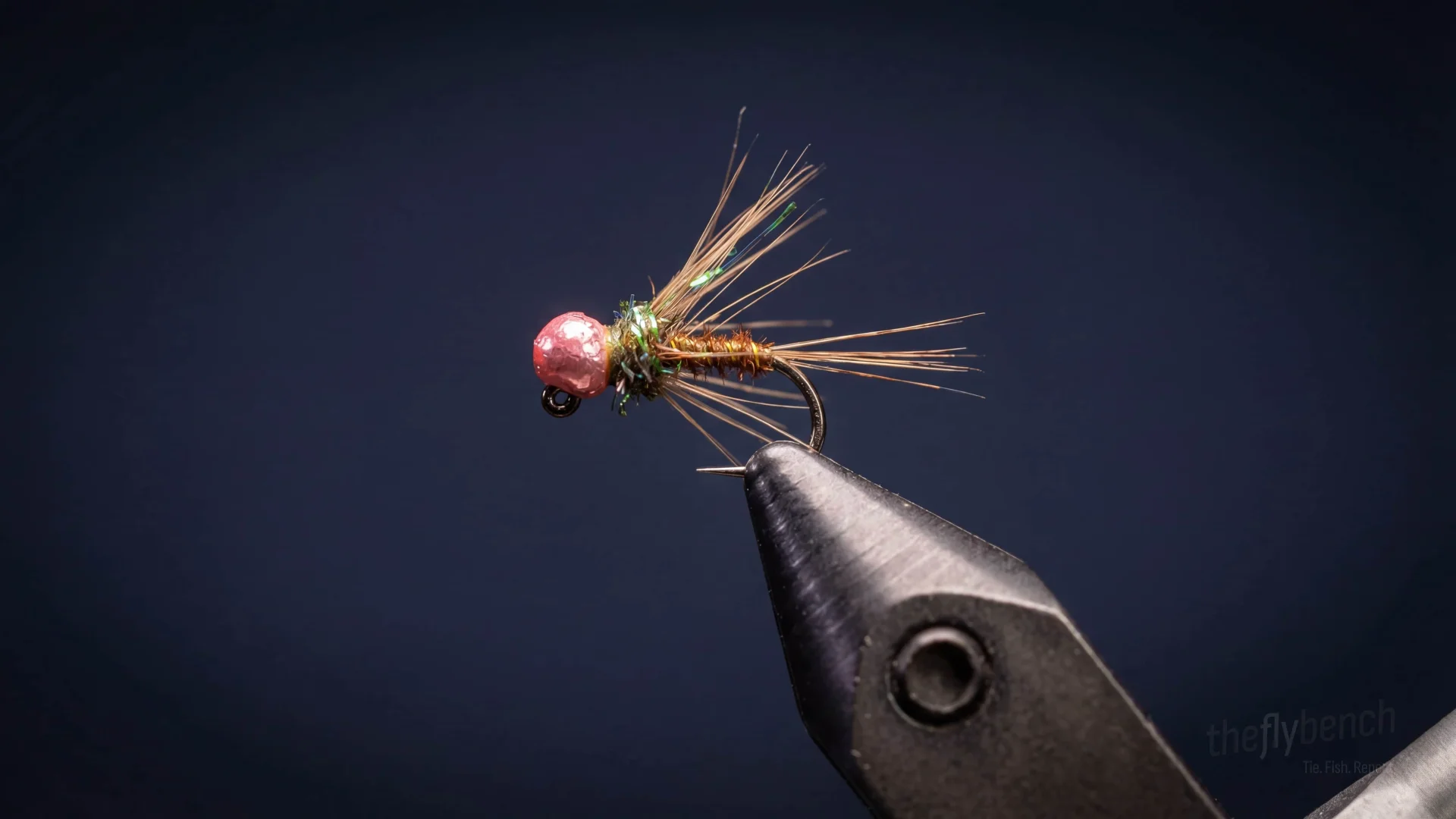
The Picric Frenchie builds on Lance Egan's popular Frenchie design by incorporating a brilliant UV chartreuse hot spot that excels in both clear and slightly stained water. The name references picric acid, a chemical compound famous for its intense yellow coloration. The UV properties of the Ice Dub thorax provide exceptional visibility to trout while maintaining the slim, natural profile that makes euro nymphs so effective in competition and technical water.
Materials
Hook: Hanak H 400 BL Jig Hook, #14
Thread: UTC Ultrathread 70 Denier, Fluorescent Chartreuse
Bead: Hanak Round+ Slotted Tungsten Beads, 3.5mm, Gold
Tail: Whiting Coq De Leon Euro Nymph Tailing Pack, Dark Pardo
Body: Pheasant tail fibers, wrapped
Thorax: Ice Dub, UV Chartreuse
Collar: Partridge feather
Behavior & Presentation
Natural Behavior: Swimming nymphs dart in short bursts while clingers tumble after losing their grip, both creating mid-column feeding opportunities.
Where Trout Eat It: Fish hold in feeding lanes 2-5 feet deep, intercepting drifting nymphs in pocket water and channel swings near structure.
How to Fish It: High-stick euro presentation with direct contact. Jig hook rides point-up through rocky terrain while maintaining natural drift.
Best Water: Target pocket water behind boulders, seams along fast current, and riffle edges where flow acceleration dislodges nymphs from cobble.
Strike Type: Tick or sudden stop in sighter material. Tight line provides instant feedback when fish intercept the drift.
Fishing Strategy
Rigging Suggestions: Fish on a 9-12 foot euro nymphing leader with 5X or 6X fluorocarbon tippet. Use as the point fly in a two-fly euro rig with a lighter pattern as the dropper, or fish solo for maximum depth and contact.
Seasonal Timing: and fall Baetis hatches from March through May and September through November. Also productive during summer months in high-elevation streams and tailwaters where mayfly nymphs remain active year-round.
Pro Tips: The 3.5mm tungsten bead provides a fast sink rate, reaching depths of 3-5 feet quickly in moderate current. The UV chartreuse thorax creates a bright flash point that's highly visible to both fish and angler, making it easier to track underwater.
Entomology
Mayfly nymphs possess varying numbers of caudal filaments and gill plates that create distinctive silhouettes and water displacement patterns as they move through their environment. Their bright coloration in certain species and life stages signals chemical defenses or simply reflects carotenoid accumulation from their diet, yet predation pressure remains high regardless. Fish consume mayfly nymphs so consistently that stomach content studies regularly show them comprising 40-80% of trout diet biomass in productive mayfly waters.
- Order
- Ephemeroptera
- Common Name
- Mayfly
- Organism Type
- insect
- Life Stage
- nymph