Euro NymphsPMD Thread Frenchie
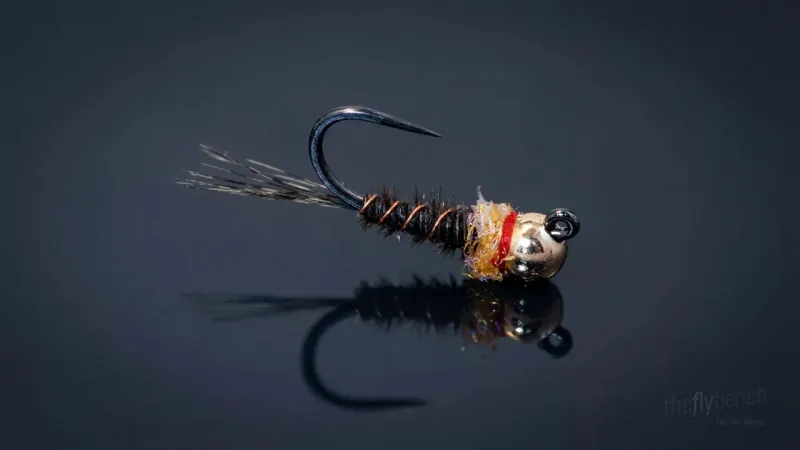
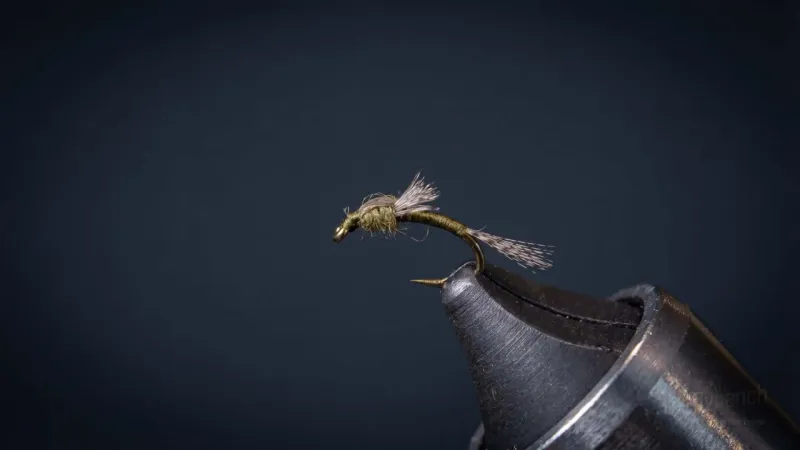
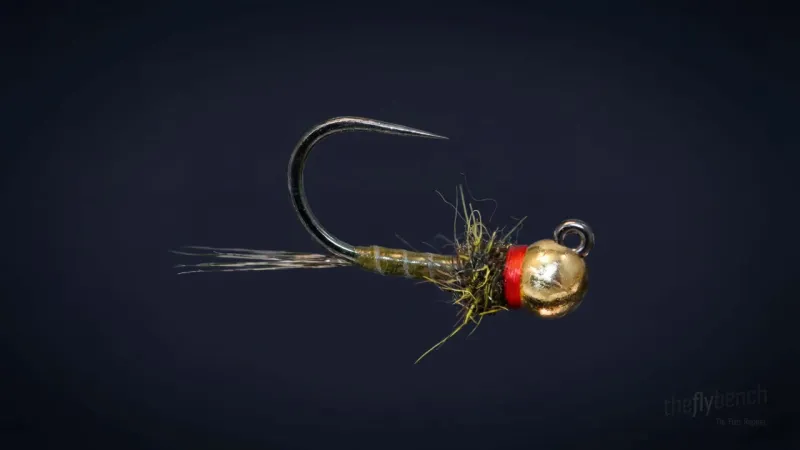
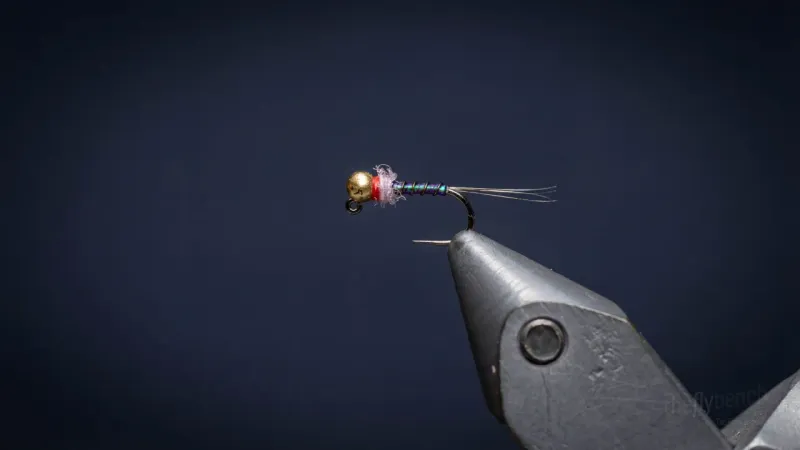
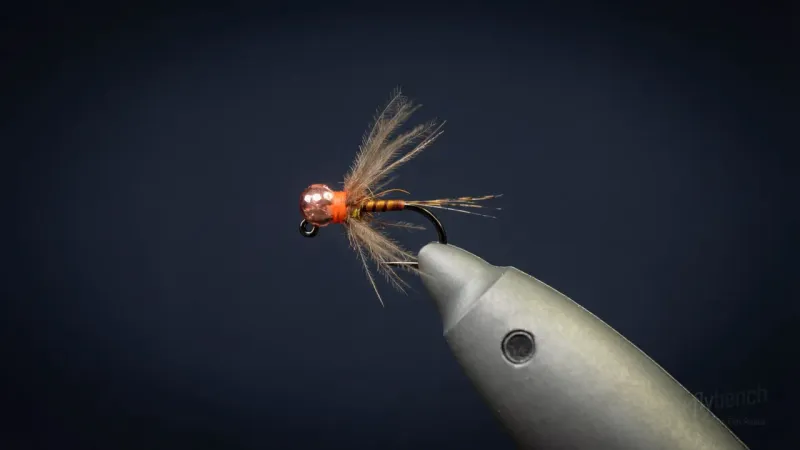
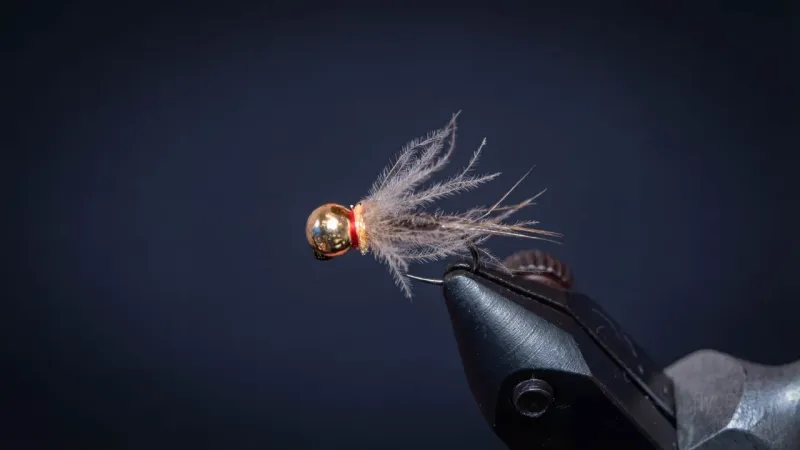
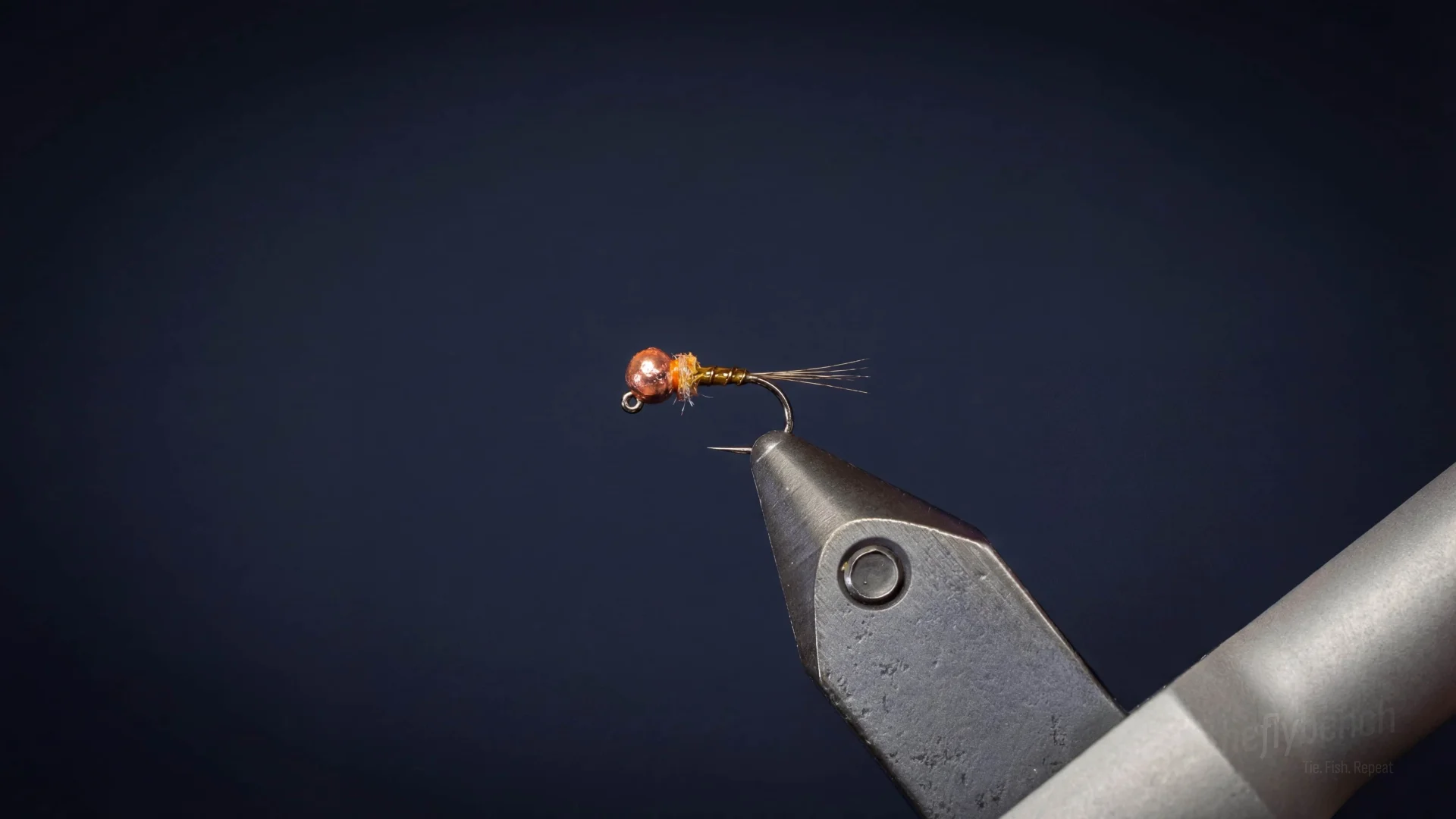
The PMD Thread Frenchie is a specialized variant of Lance Egan's Frenchie designed specifically for Pale Morning Dun hatches. The wood duck thread body creates an ultra-slim, realistic profile that perfectly imitates PMD nymphs. The UV shrimp pink hot spot collar adds a subtle attractor while maintaining the pattern's natural appearance.
Spring, Summer
Intermediate
Trout
Dec 2025
Overview
Developed by Lance Egan as a PMD-specific variation of his popular Frenchie pattern. The thread body technique creates an incredibly slim profile that closely matches the natural segmentation of mayfly nymphs without adding bulk. This pattern gained popularity in euro nymphing competitions for its quick sink rate and effectiveness during PMD hatches. The wood duck thread color perfectly mimics the pale olive-tan coloration of PMD nymphs, making it especially effective during June and July hatches.
Materials
Hook: Hanak H 400 BL Jig Hook, #16
Bead: Hanak Round+ Slotted Tungsten Beads, 3.0mm, Copper
Thread: UTC Ultrathread 70 Denier, Wood Duck
Tail: Whiting Coq De Leon Euro Nymph Tailing Pack, Dark Pardo
Ribbing: Semperfli Tying Wire 0.2, March Brown
Thorax: Ice Dub UV Shrimp Pink
Coating: Loon UV Clear Fly Finish Flow
Behavior & Presentation
Natural Behavior: Mayfly nymphs exhibit behavioral drift during emergence preparation, tumbling through current near the substrate. Their segmented bodies and active swimming create movement that triggers bottom-feeding responses.
Where Trout Eat It: Trout intercept this slim thread-bodied pattern tight to the bottom during Pale Morning Dun hatches on technical tailwaters and spring creeks. The wood duck thread color matches pre-emergent PMD nymphs in feeding lanes and pockets where trout feed selectively before visible hatches begin on Provo River and Green River.
How to Fish It: Use tight-line euro nymphing with high-stick presentation and 5X-6X fluorocarbon for stealthy presentations. The 3.0mm copper bead sinks quickly—lead the fly slightly in faster currents and maintain contact for immediate hook sets on subtle takes.
Best Water: Work pockets, seams, and channel swings of the Provo and Green Rivers where PMD nymphs concentrate in 2-4 foot depths. Most effective in runs with moderate current and gravel bottoms during June-July PMD hatches on Rocky Mountain waters.
Strike Type: Sighter hesitates or moves upstream against current—aggressive euro-style set on any anomaly.
Fishing Strategy
Rigging Suggestions: Fish on 10-15 foot leader with 5X or 6X fluorocarbon tippet for stealthy presentation in clear water. Use as point fly in a euro nymphing rig with a lighter fly as dropper.
Seasonal Timing: Most effective during Pale Morning Dun hatches in late spring and summer, typically June through August. Particularly productive during morning and evening emergence periods when PMD activity is heaviest.
Pro Tips: Sinks quickly with the tungsten bead, reaching depths of 3-5 feet rapidly. The slim thread body creates minimal water resistance for fast sink rate and natural drift.
Entomology
Pale Morning Dun nymphs inhabit slower, silty water than many mayfly species, using sprawling legs and flattened bodies to navigate soft substrates without sinking. Their emergence typically occurs during late morning through afternoon in a protracted hatch window that may last several hours, with nymphs swimming steadily but slowly toward the surface. Fish become highly selective during PMD emergences due to the concentrated availability of a single size and species, focusing on the nymphal and emerger stages where feeding is most efficient.
- Order
- Ephemeroptera
- Family
- Ephemerellidae
- Common Name
- Pale Morning Dun
- Organism Type
- insect
- Life Stage
- nymph