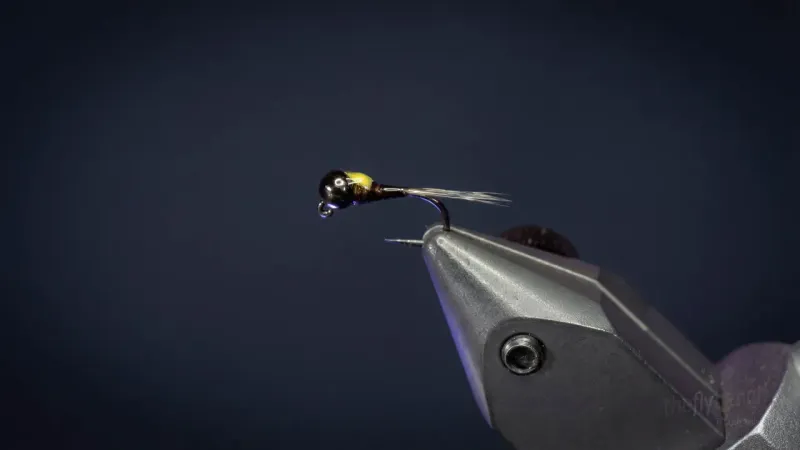
Euro NymphsThe Iron Lotus
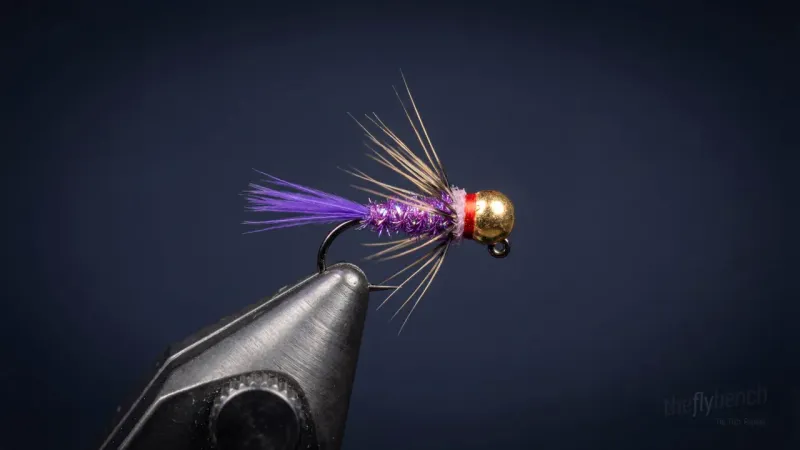
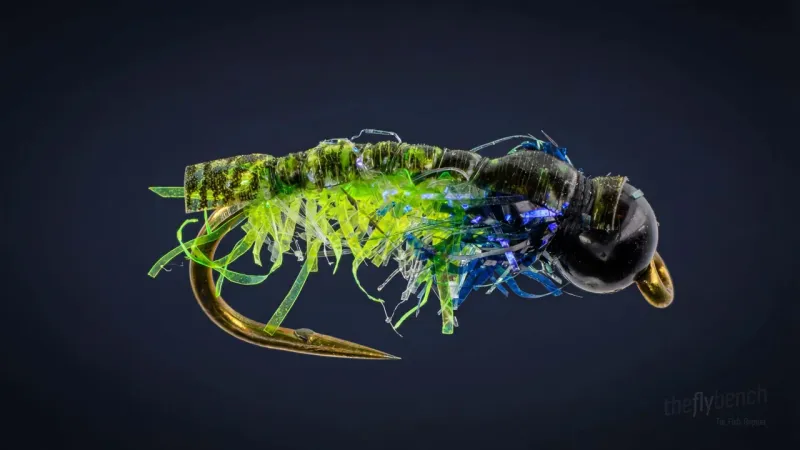
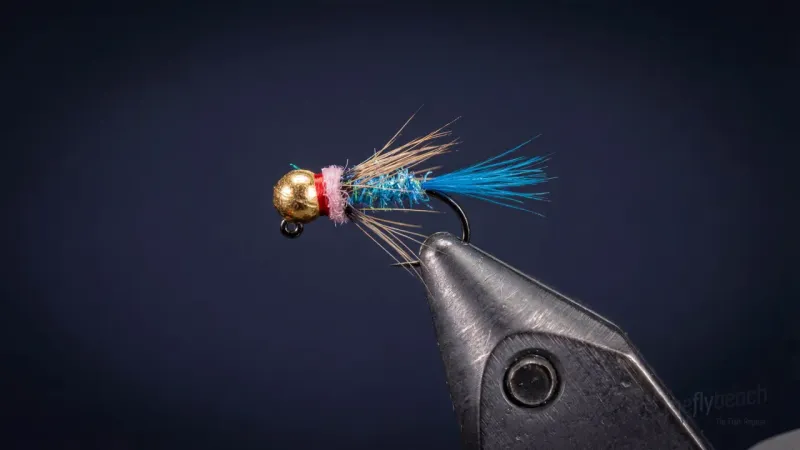
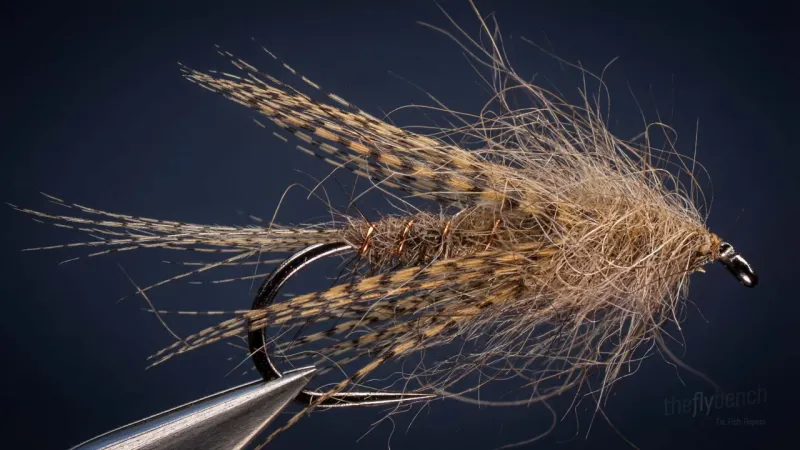
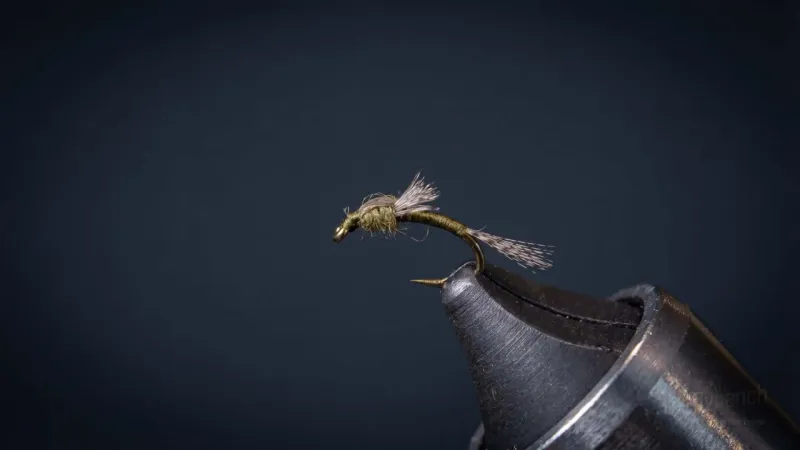
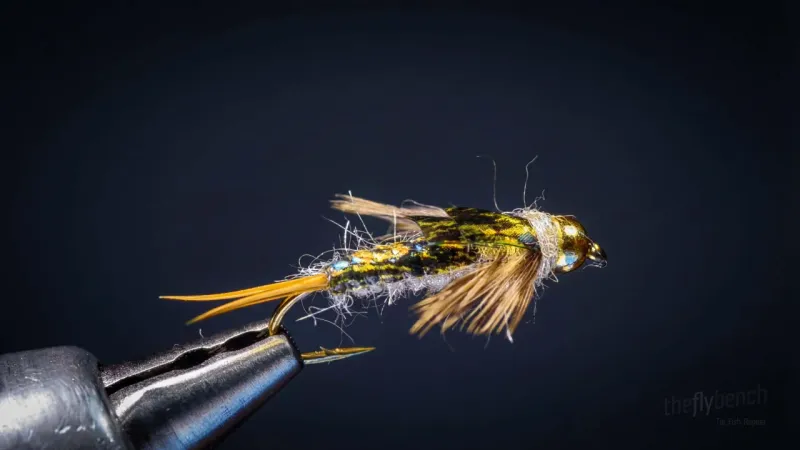
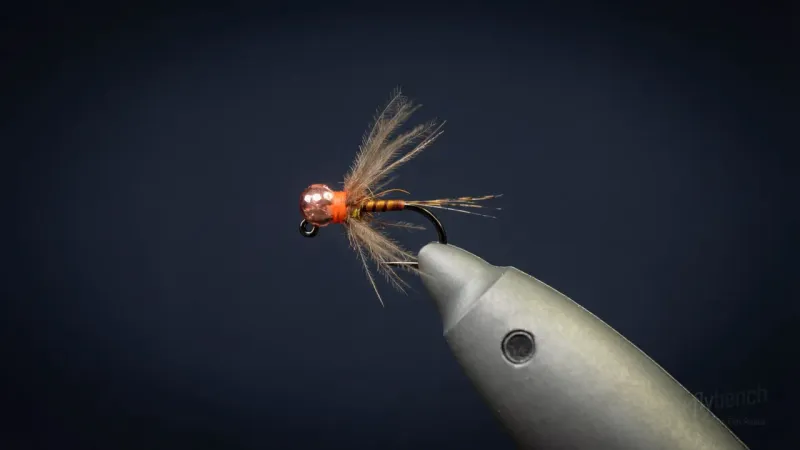
A modern Euro-style attractor nymph with a bold silhouette and fast-sinking profile, the Iron Lotus combines natural and synthetic materials to create a buggy yet flashy fly. It's ideal as a point fly when you need to get deep fast.
Spring, Summer, Fall
Intermediate
Trout
Apr 2025
Overview
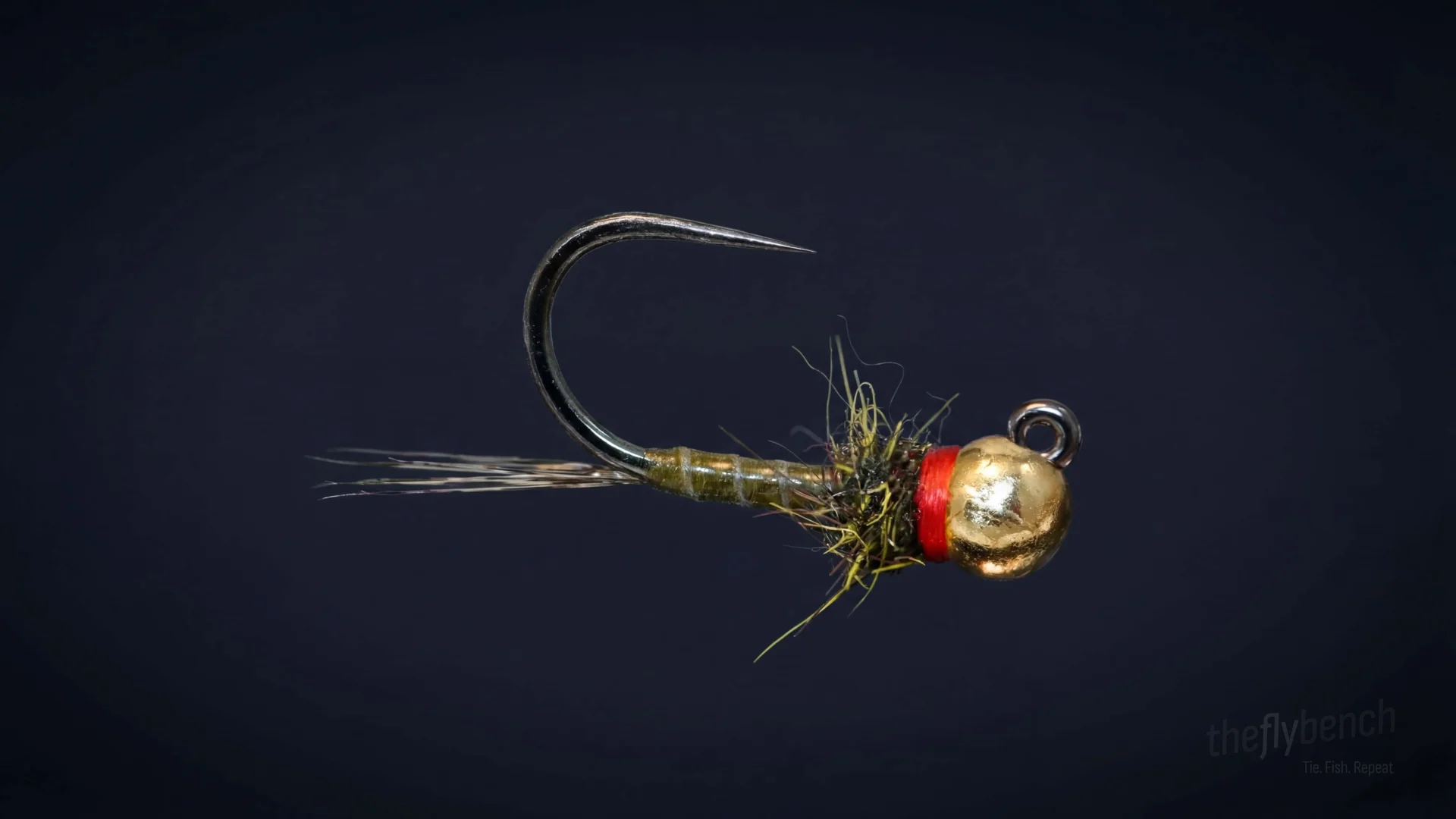
The Iron Lotus is a sleek Euro nymph designed for fast water and deep runs. It features a slim, tapered body tied with natural or dyed pheasant tail fibers, often with a small hot spot at the collar made from fluorescent thread or dubbing. A tungsten bead gives it the necessary weight to get down quickly. The pattern's simplicity and profile make it ideal for tight-line nymphing. It's usually tied on a jig hook to ride hook-point-up and avoid snags, with a slim profile that helps it sink fast and stay in the strike zone longer.
Where to Buy This Fly
We only link to fly shops we trust. Some links are referral links, which may earn us a commission at no extra cost to you.
Materials
- Hook:
- Hanak H 400 BL Jig Hook - 14
- Thread:
- Semperfli Classic Waxed Thread - 8/0 - Olive Dun
- Bead:
- Fulling Mill Slotted Tungsten Beads - Gold - 2.8 mm
- Tail:
- Spanish Coq De Leon
- Weight:
- Lead Wire Spool - 0.015
- Abdomen:
- Semperfli Classic Waxed Thread - 8/0 - Olive Dun
- Ribbing:
- 6/0 UNI-Thread Waxed - White
- Hot Spot:
- UTC Ultrathread 70 Denier - Red
- Thorax:
- Arizona Synthetic Dubbing - Peacock
- Wing Case:
- UTC Flashback Tinsel - Black - Large
- Coating:
- Loon UV Clear Fly Finish - Flow
Behavior & Presentation
Natural Behavior: Flattened mayfly nymphs cling to rock undersides using strong legs to resist flow, then release periodically to drift downstream in feeding lanes. Dawn and dusk behavioral drift concentrates them in tumbling lanes where fish intercept the slim pheasant tail bodies as they bounce along rocky bottoms in deep runs and fast pocket water.
Where Trout Eat It: Trout position in riffles, runs, and pocket water to intercept nymphs tumbling along rocky bottoms.
How to Fish It: Maintain contact with bottom using tight-line euro techniques, feeling for subtle takes as fly bounces.
Best Water: Target pocket water behind boulders, runs, riffle edges, and current seams with cobble substrate.
Strike Type: Maintaining contact with bottom using tight-line euro techniques, feel for subtle takes as fly bounces through pocket water and riffle edges. Strikes register as sighter sag or pauses — the small hot spot collar creates visual trigger that produces sharp ticks transmitted through cobble substrate contact.
Fishing Strategy
Rigging Suggestions: Fish on a 10-12 foot euro leader with 4X or 5X fluorocarbon tippet. The tungsten bead provides weight, but add split shot if needed to reach deeper runs.
Seasonal Timing: Productive from April through October with peak effectiveness during May-June and September when mayfly nymph activity is highest.
Pro Tips: The UV resin shell adds durability for abrasive conditions and creates a subtle shine that attracts attention in off-color water. The slim profile penetrates currents efficiently, allowing you to fish deeper runs without excessive weight.
Entomology
Mayfly nymphs cling to the undersides of rocks and debris in moderate to fast currents, using their flattened bodies and strong legs to resist the flow. They periodically release their grip to drift downstream in the current as part of behavioral drift, especially at dawn and dusk. This drifting behavior makes them highly available to trout, who position themselves to intercept nymphs tumbling helplessly along the streambed.
- Order
- Ephemeroptera
- Common Name
- Mayfly
- Organism Type
- insect
- Life Stage
- nymph