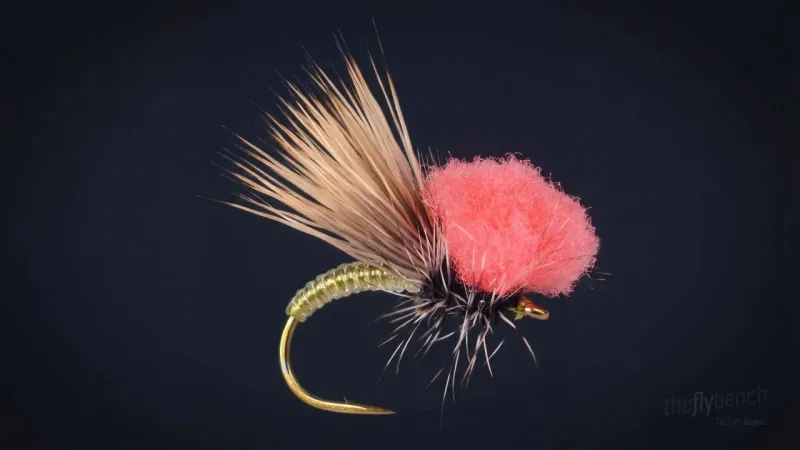
Dry FliesBPS Spent Caddis
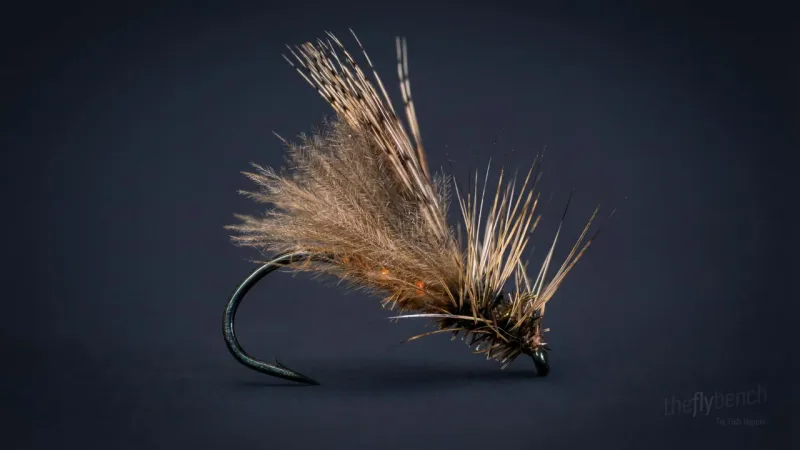
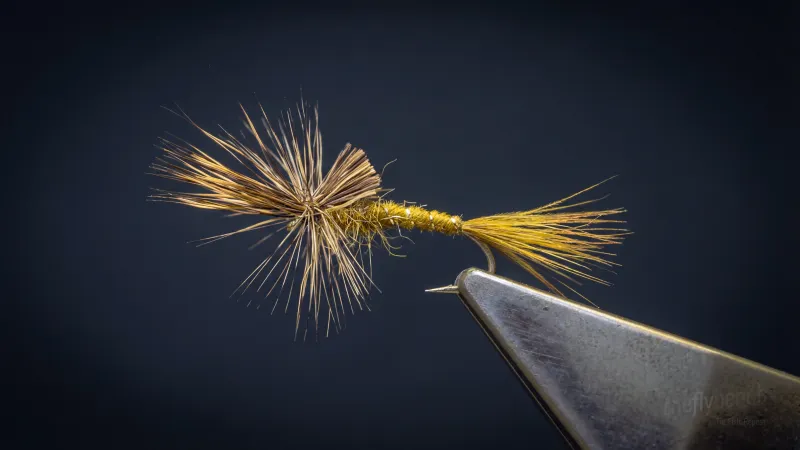
The BPS Spent Caddis is a versatile fly designed to imitate a spent caddisfly, a stage when the insect is extremely vulnerable and thus, a prime target for feeding fish. This pattern is a favorite among anglers for its realistic appearance and effectiveness in enticing strikes from wary trout.
Spring, Summer, Fall
Advanced
Trout
Apr 2025
Overview
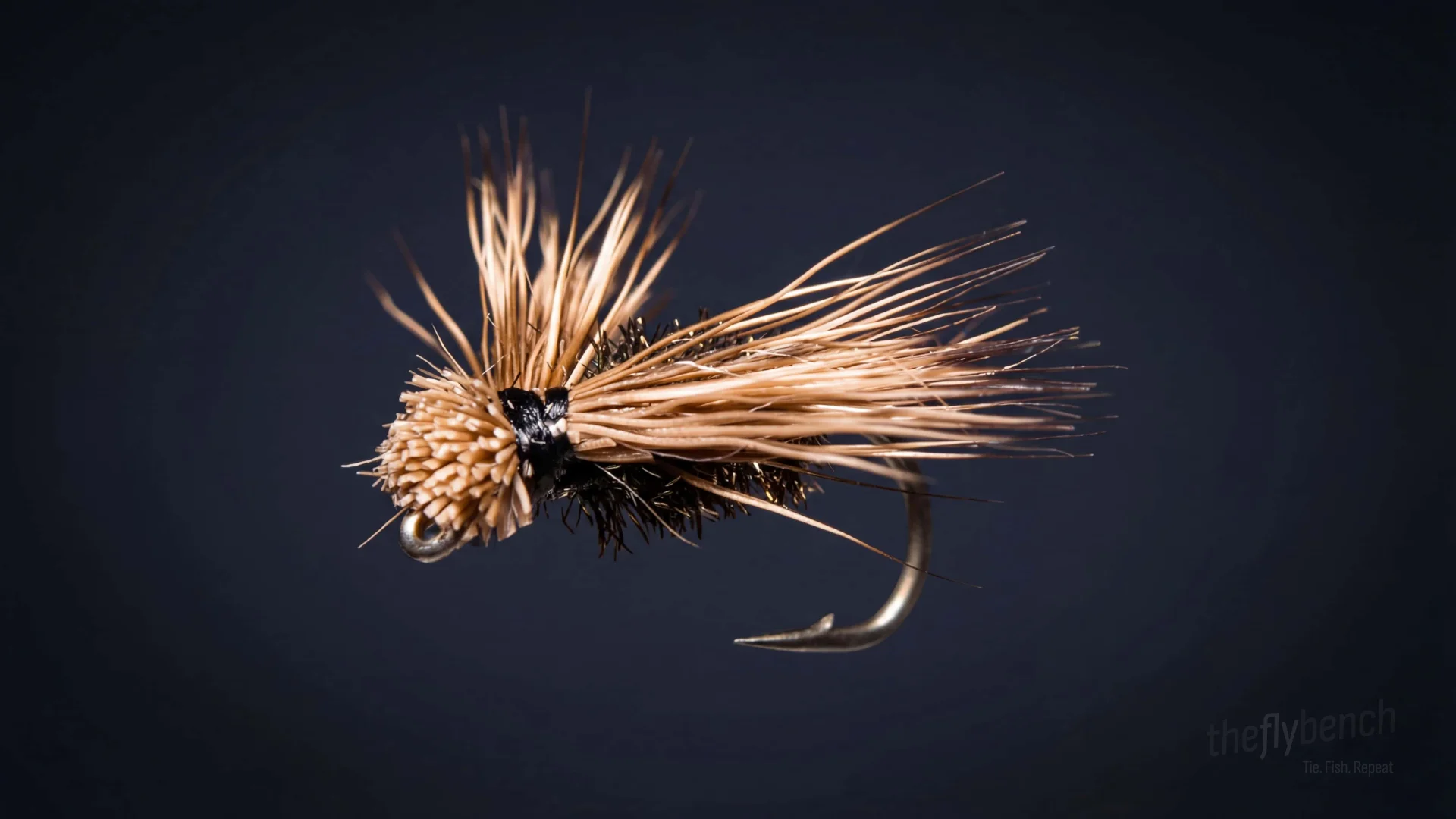
A spent-wing dry fly tied with a dubbed body, spent wings made from CDC or Antron, and a sparse hackle or trailing shuck. The low-profile body should sit flush with the water. Keep the wing fibers splayed wide and horizontal to mimic the collapsed wings of a dying adult caddis.
Where to Buy This Fly
We only link to fly shops we trust. Some links are referral links, which may earn us a commission at no extra cost to you.
Materials
- Hook:
- Daiichi 1180, size #14-#18
- Thread:
- Tan 8/0 Uni-thread
- Body:
- Tan superfine dubbing
- Wing:
- Elk hair
- Hackle:
- Grizzly and brown dry fly hackle, mixed
- Antennae:
- Wood duck flank fibers
Behavior & Presentation
Natural Behavior: Exhausted adults collapse on the surface film after egg-laying, wings flush and drifting helplessly downstream, often accumulating during evening spinner events.
Where Trout Eat It: Fish selectively key on these low-profile, spent adults drifting in surface seams and foam lines during post-hatch feeding periods.
How to Fish It: Dead drift with wings flush to the film, imitating the complete helplessness of collapsed adults unable to escape.
Best Water: Most productive in foam lines, slicks, tail-outs, and current seams where spent caddis accumulate after concentrated egg-laying flights.
Strike Type: Confident, methodical sips as fish capitalize on easy, concentrated calories from exhausted adults trapped in the film.
Fishing Strategy
Rigging Suggestions: Rig this fly on its own or in a tandem dry fly setup with another caddisfly imitation.
Seasonal Timing: This pattern is particularly effective from late through when caddisflies are most active. Use this fly when you observe trout feeding on spent caddisflies, especially during a caddisfly hatch or in the evening when caddisflies are most active.
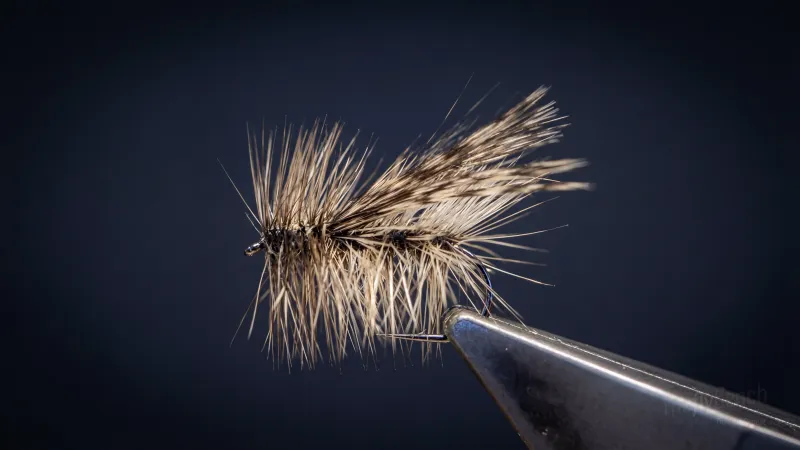
Pro Tips: The elk hair wing of this fly provides excellent visibility and floatation. Its hackle also aids in floatation, making it ideal for fishing in faster currents.
Entomology
After completing egg-laying, exhausted adult caddisflies fall spent on the water surface with wings flush against the film, drifting helplessly downstream. These spent caddis often accumulate in surface seams and foam lines during evening fallspinner events. Trout selectively key on spent caddis because their low profile and inability to escape represent easy, concentrated calories during post-hatch feeding periods.
- Order
- Trichoptera
- Common Name
- Caddisfly
- Organism Type
- insect
- Life Stage
- adult