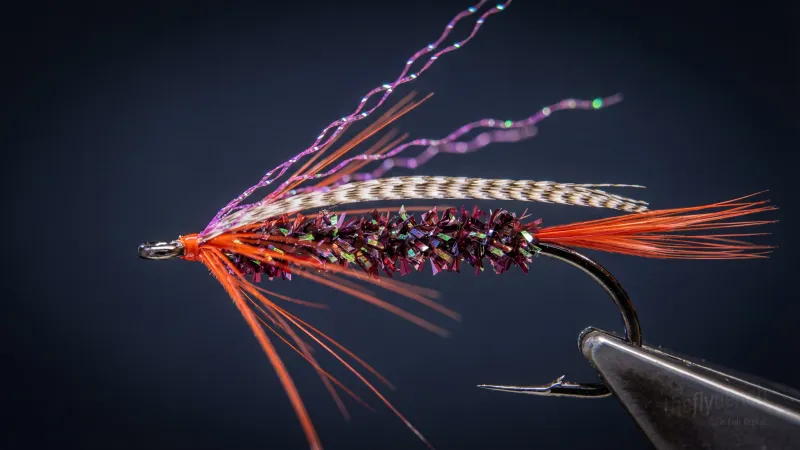
Dry FliesCate's Turkey
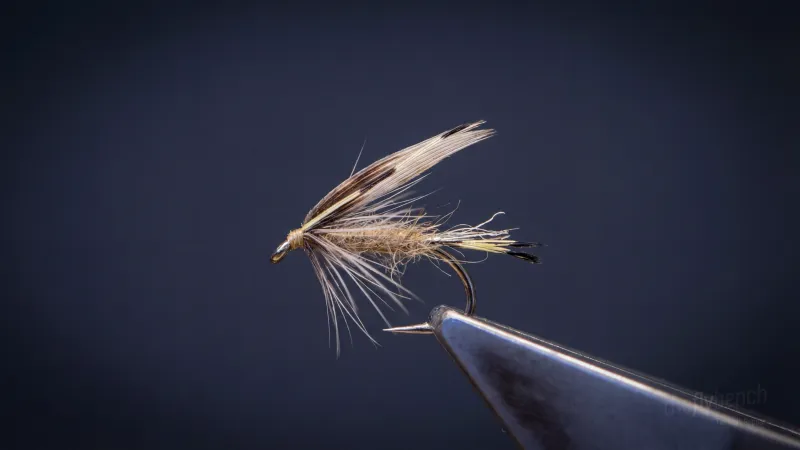
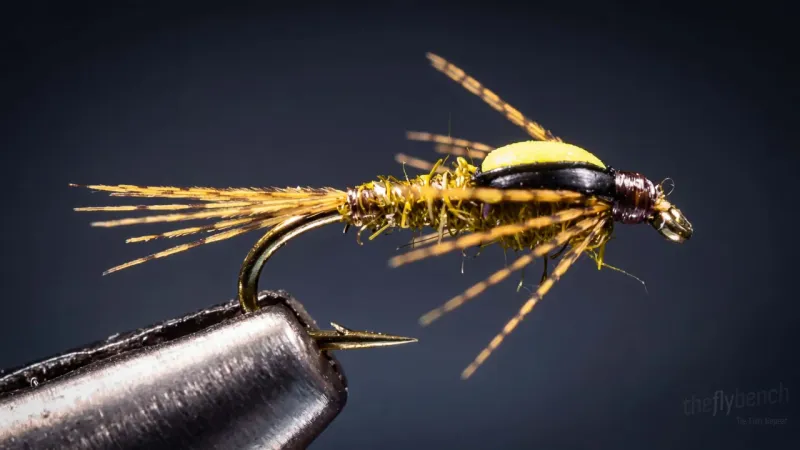
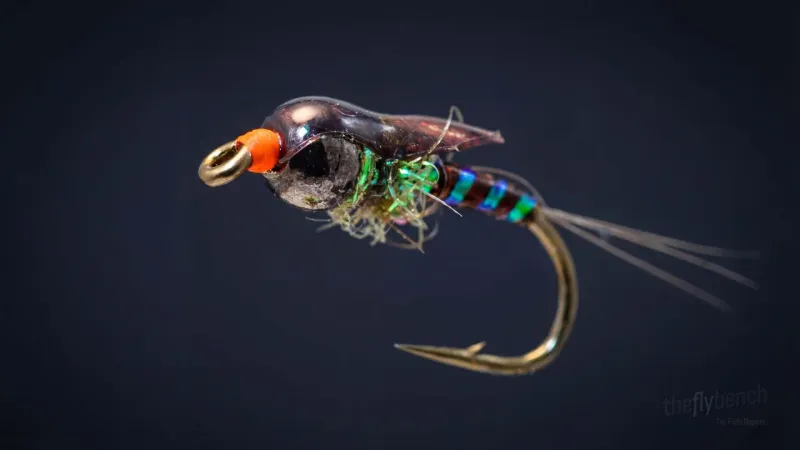
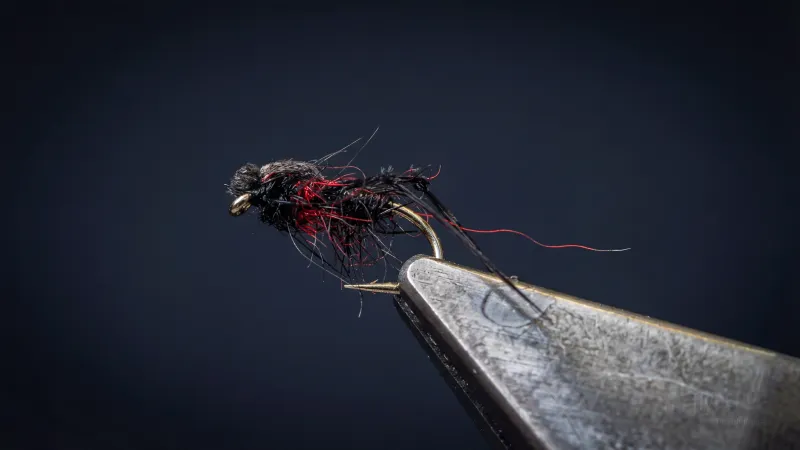
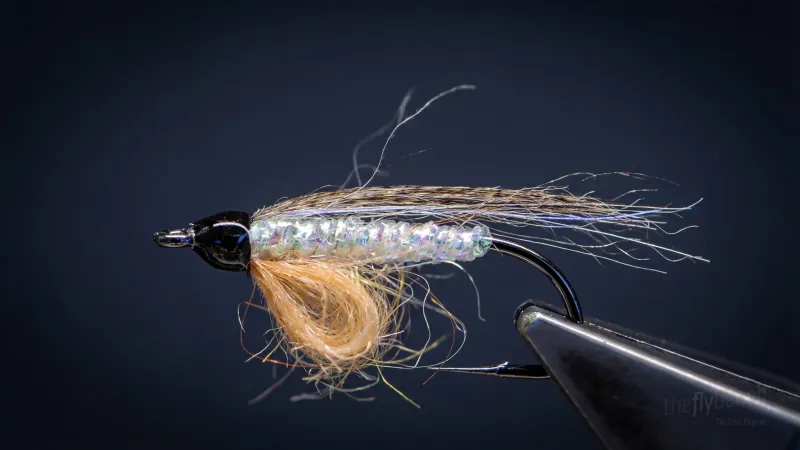
Britt Phillips' dry fly features mottled turkey quill fibers that create realistic insect body with natural segmentation and coloration. Wing profile and low-riding stance make it effective during caddis and mayfly activity on technical water.
Spring, Summer, Fall
Intermediate
Trout
Feb 2026
Overview
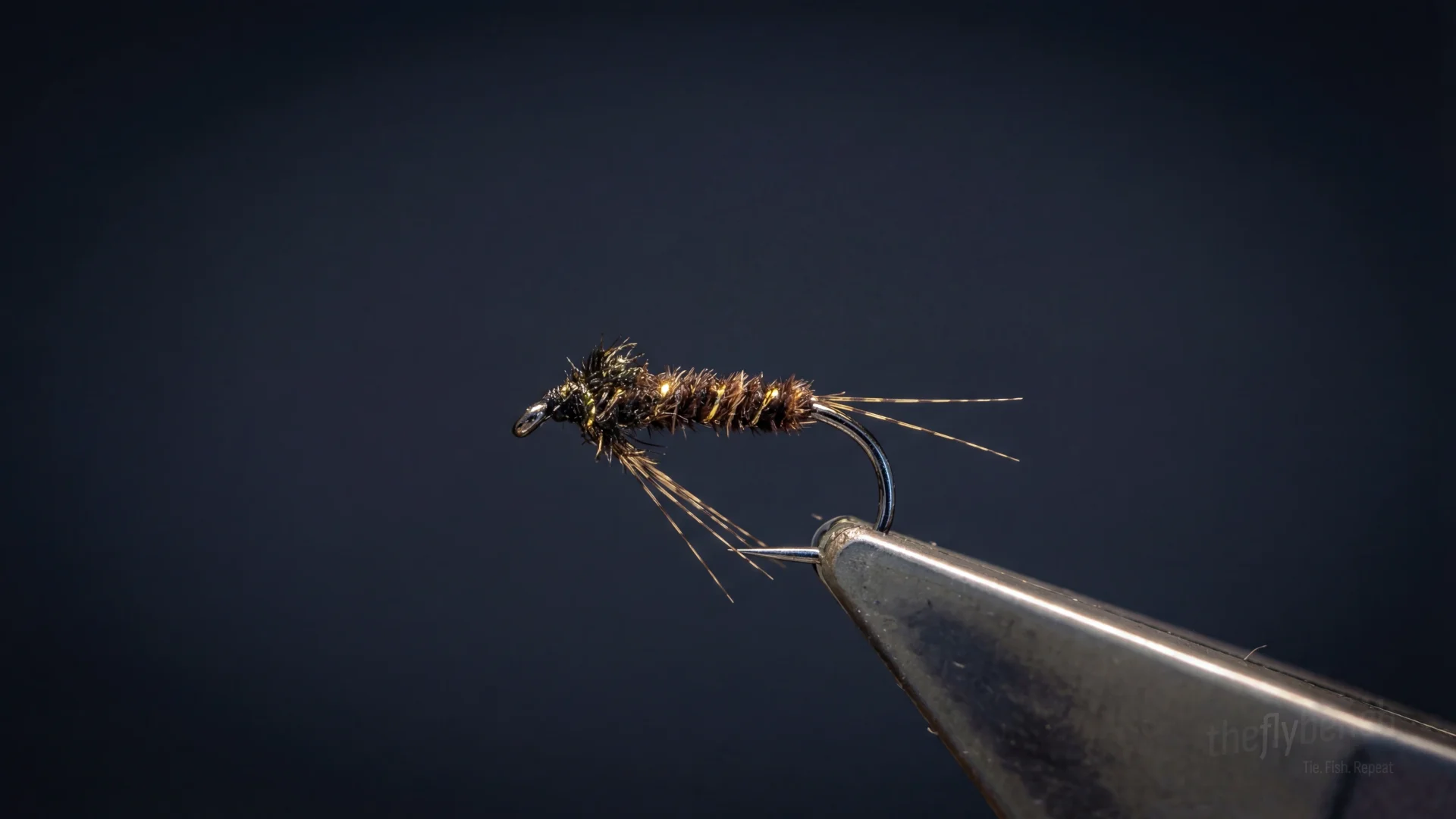
Designed by Britt Phillips, Cate's Turkey features mottled turkey quill fibers that create a realistic insect body with natural segmentation and coloration. The pattern's wing profile and low-riding stance make it effective during caddis and mayfly activity. The turkey feather's natural markings provide visual appeal without relying on multiple materials, creating a simple yet effective searching pattern.
Where to Buy This Fly
We only link to fly shops we trust. Some links are referral links, which may earn us a commission at no extra cost to you.
Materials
- Hook:
- Grip 12804BL #14 (or equivalent)
- Thread:
- Benecchi 12/0, black
- Rib:
- Wire, gold fine
- Tail:
- Lemon woodduck barbs
- Abdomen:
- Mottled turkey barbs
- Thorax:
- Peacock herl
- Legs:
- Lemon woodduck barbs
Behavior & Presentation
Natural Behavior: Caddis bounce along the surface during egg-laying, creating rhythmic touch-and-go patterns. Each contact sends ripples that attract feeding trout.
Where Trout Eat It: Fish key on bouncing caddis in runs, along riffle edges, and through pool heads where egg-laying activity concentrates during evening hours.
How to Fish It: Dead drift with natural segmentation visible to selective fish. Low-riding stance matches natural caddis and mayfly profiles.
Best Water: Target riffle edges with egg-layers, runs with moderate flow, pool heads, and tail-outs.
Strike Type: Expect subtle takes or deliberate rises as selective fish inspect the realistic profile closely.
Fishing Strategy
Rigging Suggestions: Fish on 10-14 foot leader with 5X-6X tippet. Fine tippet supports delicate presentation needed for low-riding profile to fool selective feeders on calm water.
Seasonal Timing: Most effective during mayfly emergences April through June and caddis activity May through September. Peak productivity occurs when water temperatures reach 50-62°F during morning and evening feeding windows.
Pro Tips: Turkey quill's natural markings provide visual realism without relying on multiple materials. Apply light floatant to maintain surface position while preserving the naturalistic low-riding stance that selective trout expect.
Entomology
Adult caddisflies emerge in dense clouds during evening hatches, with many females returning to oviposit by bouncing along the surface in a characteristic hopping pattern. The rhythmic touch-and-go behavior creates visual and tactile cues that trigger selective feeding frenzies in trout.
- Order
- Trichoptera
- Common Name
- Caddisfly
- Organism Type
- insect
- Life Stage
- adult