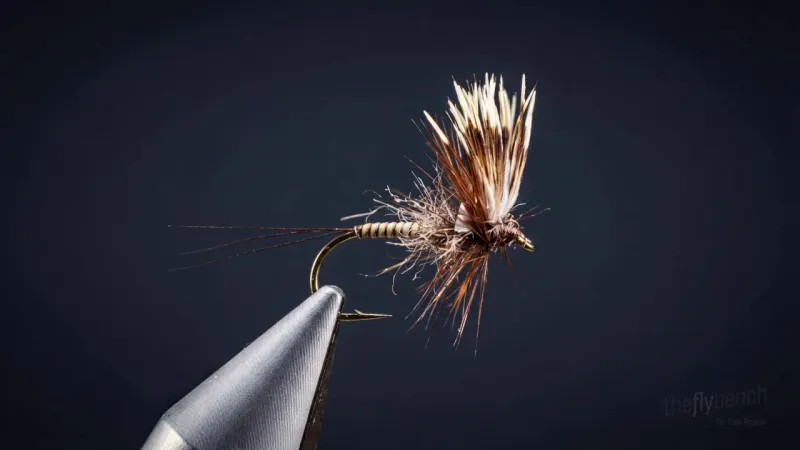
Dry FliesAC Pink Bug
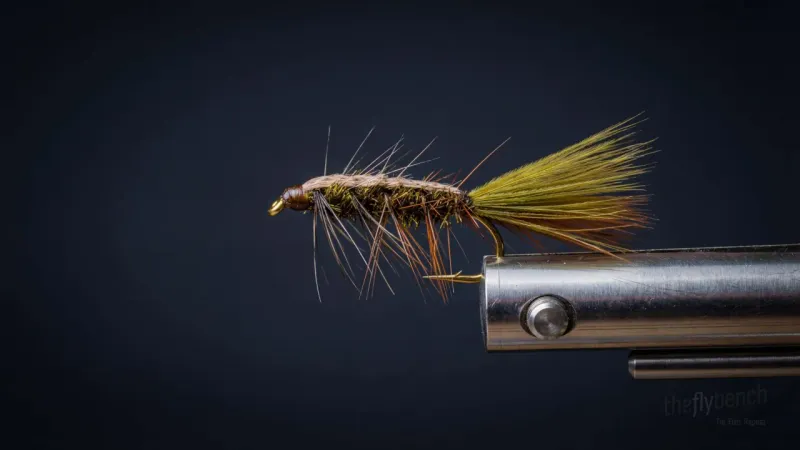
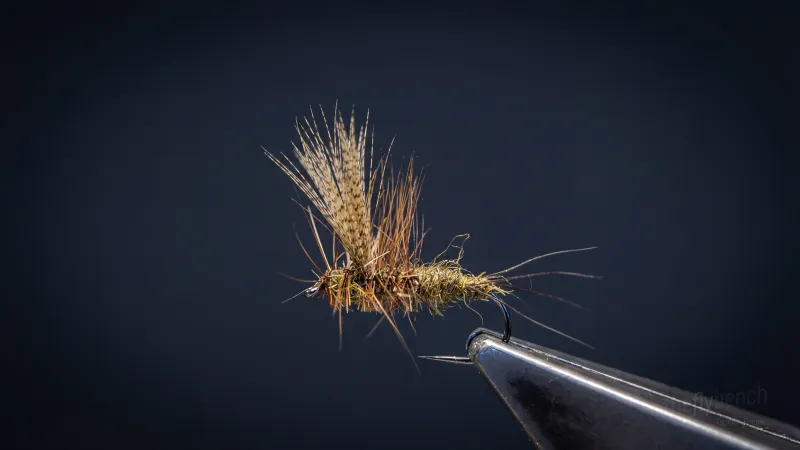
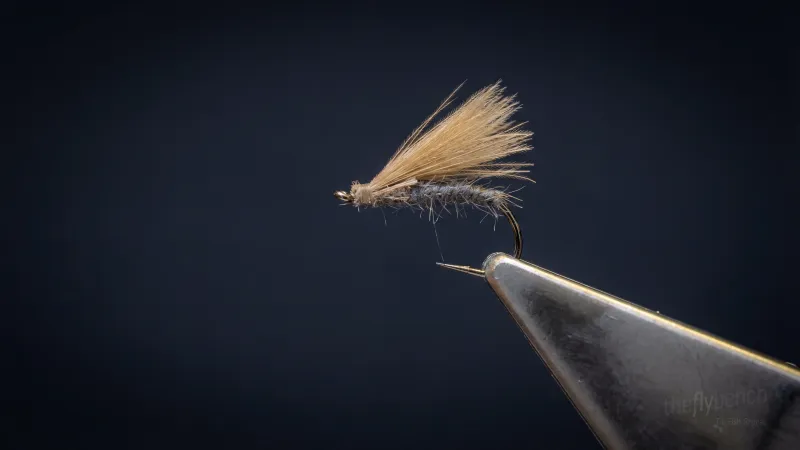
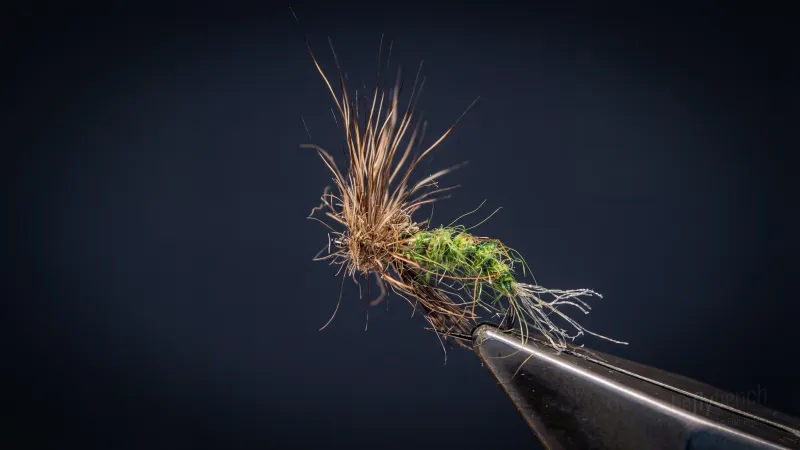
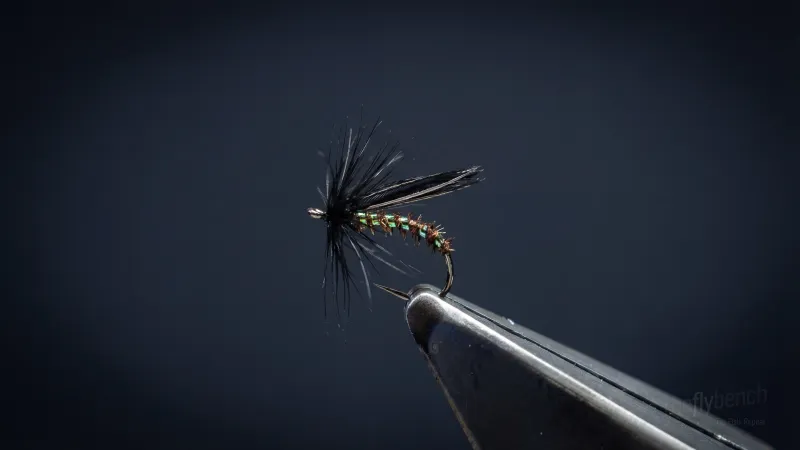
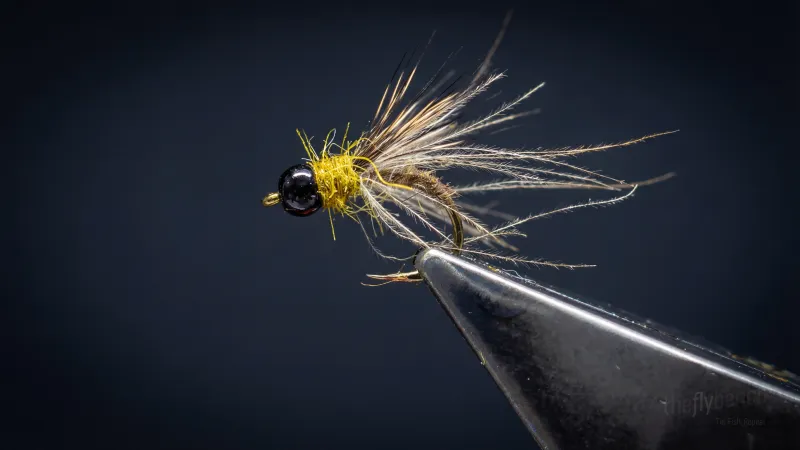
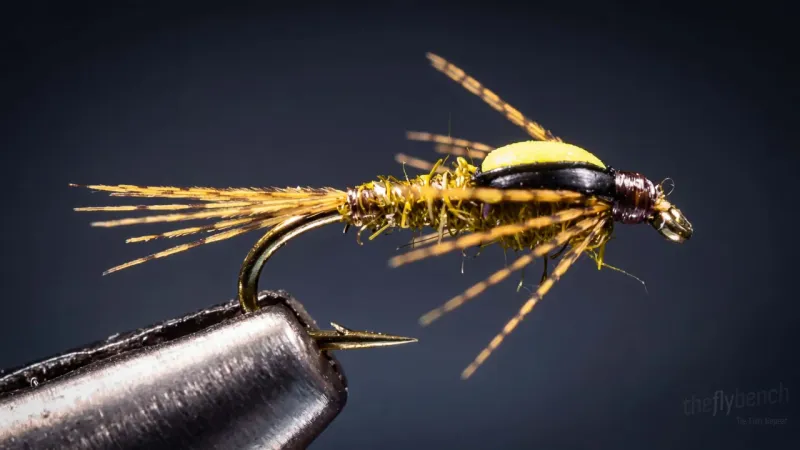
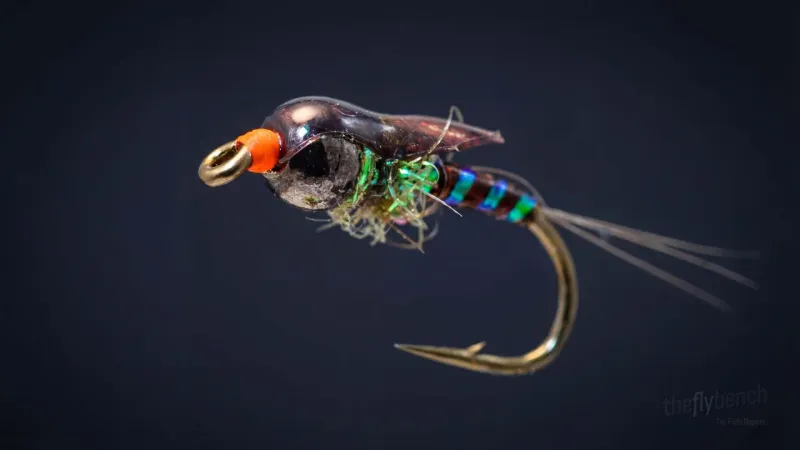
The AC Pink Bug is a dry fly pattern designed by Ben Sobel. This effective pattern combines traditional materials with proven techniques for consistent results in a variety of water conditions.
Spring, Summer, Fall
Intermediate
Trout
Feb 2026
Overview
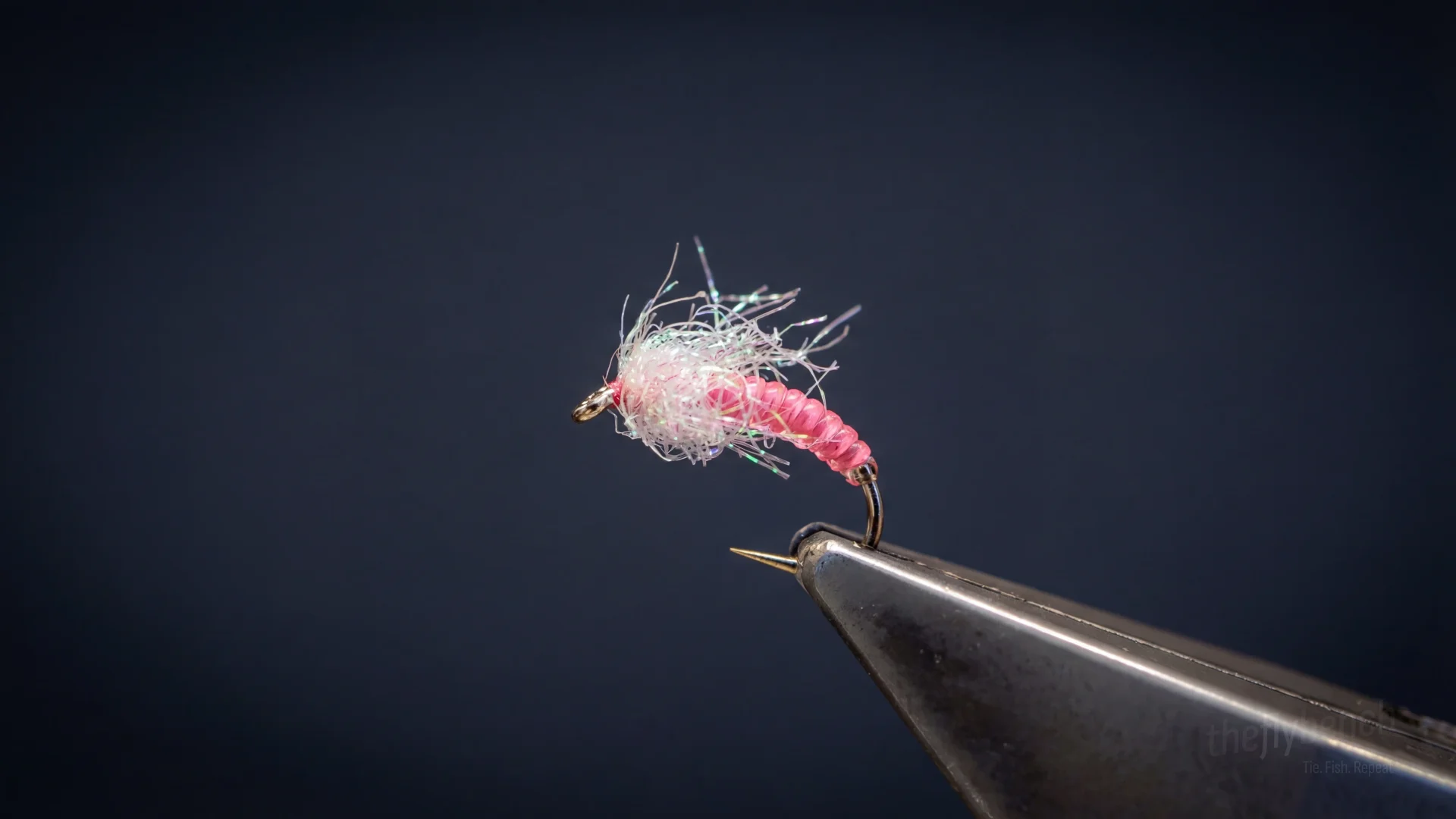
Created by Ben Sobel, this attractor dry fly uses a bright pink body that stands out in choppy water and low light conditions. The high-floating design with stiff hackle keeps it riding high even in fast currents. While not imitating a specific insect, the color and size profile trigger strikes from trout looking for caddis or small mayflies, particularly effective during evening hatches.
Where to Buy This Fly
We only link to fly shops we trust. Some links are referral links, which may earn us a commission at no extra cost to you.
Materials
- Hook:
- Fulling Mill 31160 #10-14
- Thread:
- Grey or olive
- Overbody:
- Clear 'Crystalline' plastic
- Underbody:
- Fluorescent pink floss or tying thread
- Head:
- Pearly 'Glister'
Behavior & Presentation
Natural Behavior: Adult caddis tumble onto the water from streamside vegetation, fluttering with wetted wings as they struggle in the surface film. Their sudden appearance during evening activity creates opportunistic feeding windows.
Where Trout Eat It: Fish cruise near banks and structure where terrestrials and emerging caddis accumulate during evening periods.
How to Fish It: Dead drift with drag-free presentation, adding occasional subtle twitches during periods of selective feeding or caddis activity.
Best Water: Focus on seams concentrating surface insects, banks where vegetation overhangs water, and foam lines collecting drifting adults.
Strike Type: Watch for visible rises, subtle sips, or expanding rings as fish confidently take the pattern.
Fishing Strategy
Rigging Suggestions: Use a 9-12 foot leader tapering to 5X tippet for delicate presentations. Apply floatant to the body and hackle.
Seasonal Timing: Most effective during peak feeding periods at dawn and dusk. Water temperatures between 45-65°F typically produce best results.
Pro Tips: The pink coloration provides exceptional visibility in broken water, low light, and glare conditions. Apply quality floatant for extended drift times.
Entomology
Adult caddisflies rest on streamside vegetation during daylight hours and become active at dusk, occasionally tumbling onto the water where they flutter and struggle with wetted wings. Their sudden appearance and helpless surface activity during evening periods creates opportunistic feeding situations that draw rises from cruising fish.
- Order
- Trichoptera
- Common Name
- Caddisfly
- Organism Type
- insect
- Life Stage
- adult