Dry FliesCrackleback
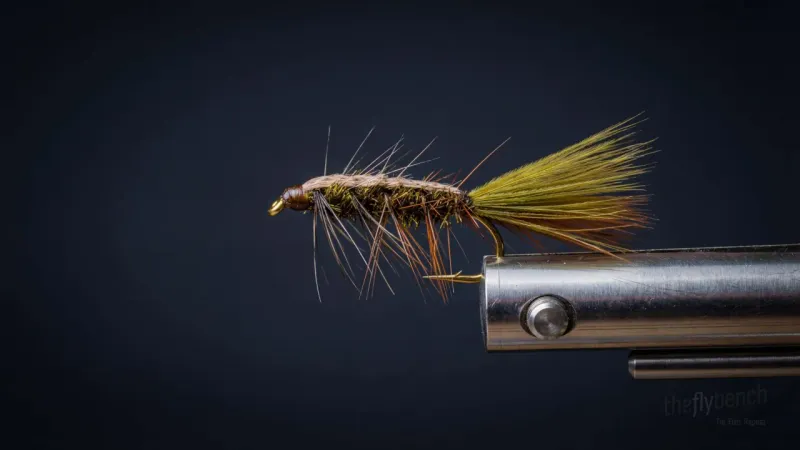
The Crackleback is a versatile fly that can be fished dry or wet. Its unique design offers a convincing silhouette of many aquatic insects, making it effective in various conditions.
Spring, Summer, Fall
Intermediate
Trout
Apr 2025
Overview
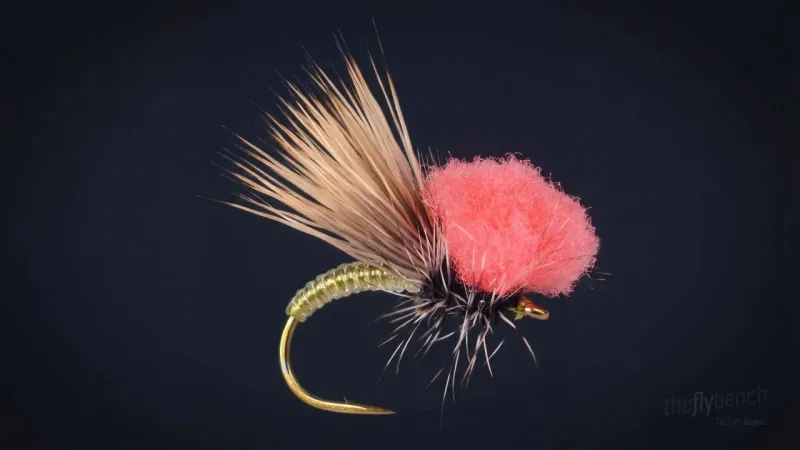
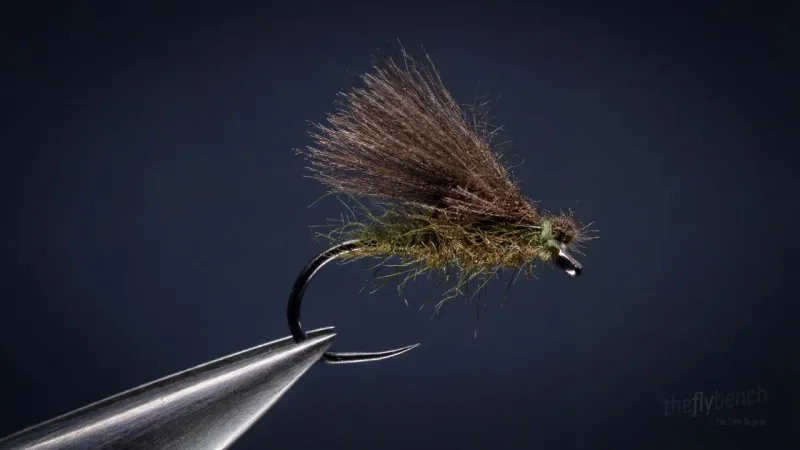
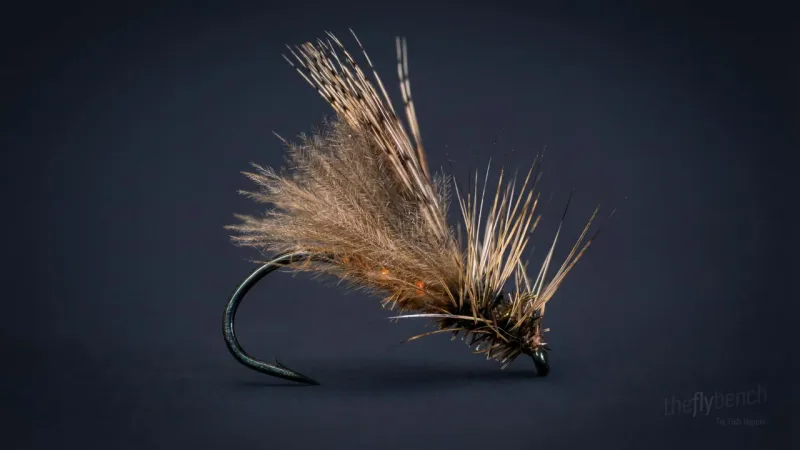
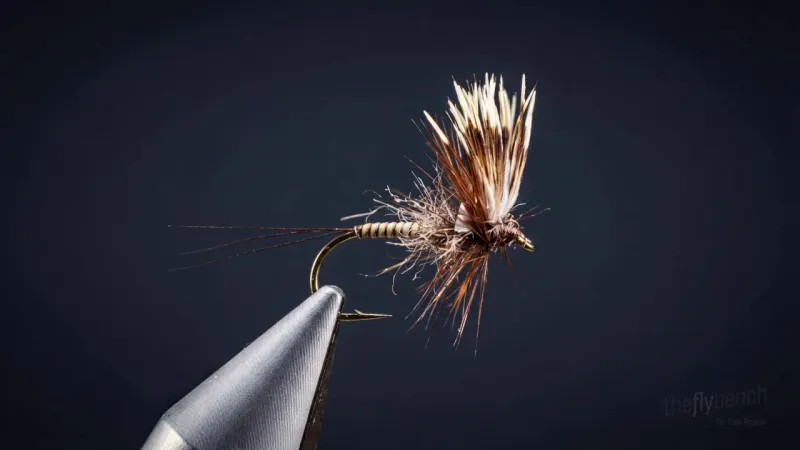
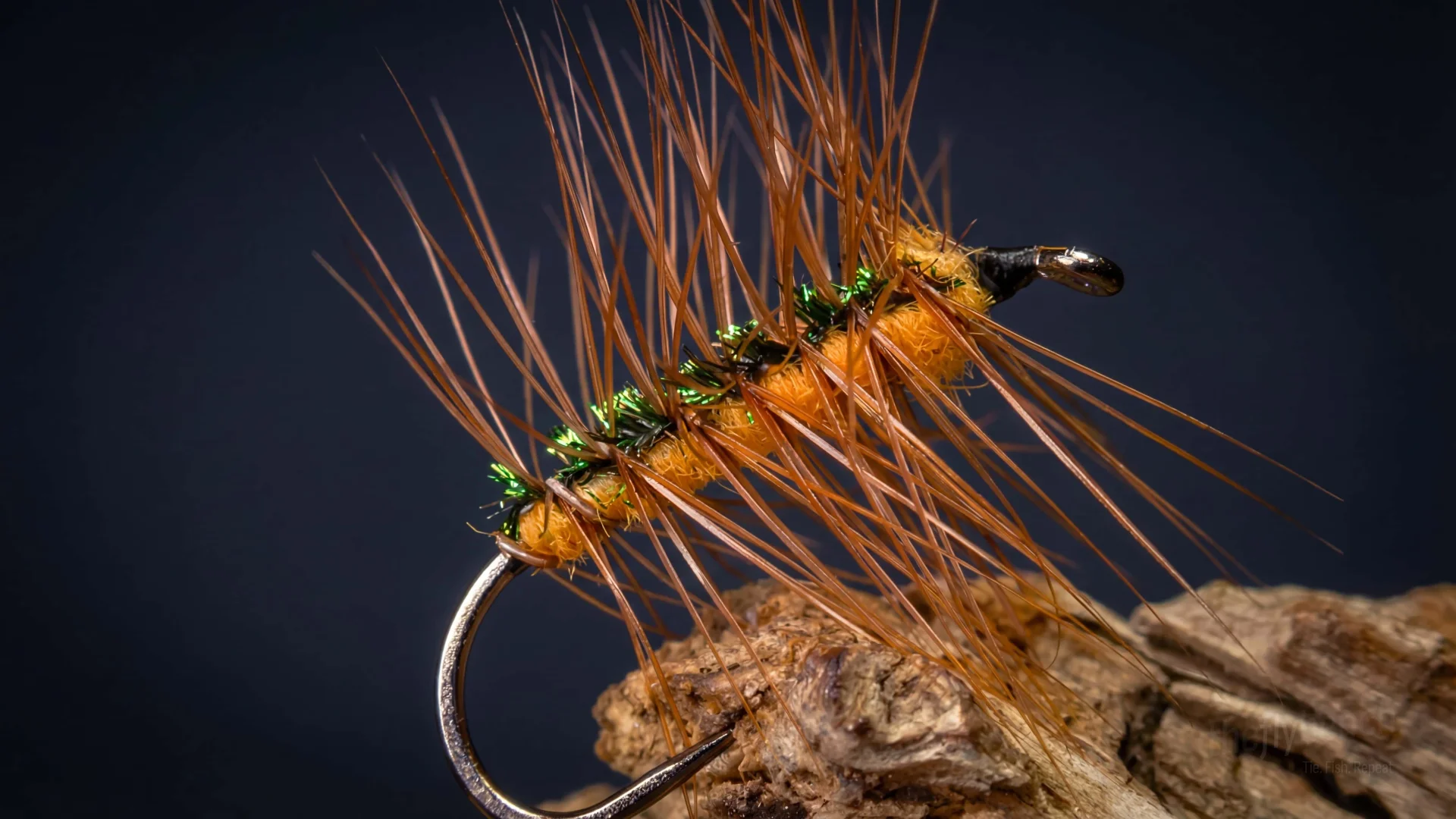
This dry fly has a peacock herl body, palmered hackle, and a trimmed deer hair shellback. The combination makes it float well and imitate both terrestrials and emerging mayflies. It's a crossover between dry and soft hackle styles.
Where to Buy This Fly
We only link to fly shops we trust. Some links are referral links, which may earn us a commission at no extra cost to you.
Materials
- Hook:
- Tiemco 100, size #12-#16
- Thread:
- Black Veevus 14/0
- Body:
- Peacock herl
- Ribbing:
- Fine gold wire
- Hackle:
- Grizzly hackle
- Shell:
- Solarez Bone Dry UV resin
Behavior & Presentation
Natural Behavior: Adult caddis skate and bounce during twilight egg-laying flights, creating delicate surface wakes as they deposit eggs. Trout rise steadily during these crepuscular windows, intercepting low-riding adults dancing across riffles.
Where Trout Eat It: In rivers, fish riffles, runs, and pockets. In lakes, target weed beds, drop-offs, and inlets from surface to 2 feet deep.
How to Fish It: Dead drift dry or swing wet-fly style. Skitter across surface to imitate egg-laying caddis or fish subsurface during emergence.
Best Water: Most effective in riffles, runs, pockets, and drop-offs where caddis activity concentrates during hatches.
Strike Type: Watch for visible rises on dry presentations or feel pulls during wet-fly swings.
Fishing Strategy
Rigging Suggestions: Use a 9-foot leader with 4X or 5X tippet for dry presentations. For wet fly fishing, use 3X or 4X tippet and a sink-tip line to get the fly deeper.
Seasonal Timing: Most productive during optimal water temperature windows and peak insect activity periods.
Pro Tips: The grizzly hackle provides excellent flotation and visibility. The UV resin adds durability and subtle flash. This pattern works when fish are feeding opportunistically on multiple insect types, making it a great searching pattern.
Entomology
Adult caddisflies skate and flutter along the surface during twilight egg-laying flights, depositing eggs in short bouncing runs that create delicate wakes. Fish time their feeding to these crepuscular emergence windows because the concentrated insect activity produces reliable hatches, with trout rising steadily in the fading light to intercept the low-riding adults as they dance across riffles and runs.
- Order
- Trichoptera
- Common Name
- Caddisfly
- Organism Type
- insect
- Life Stage
- adult