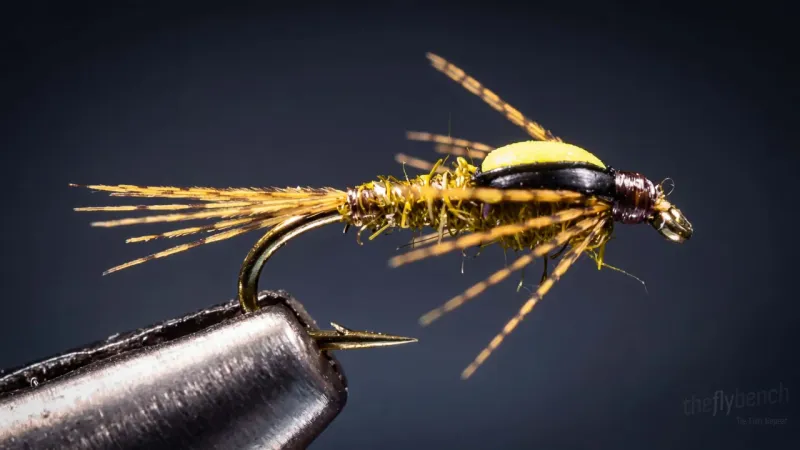
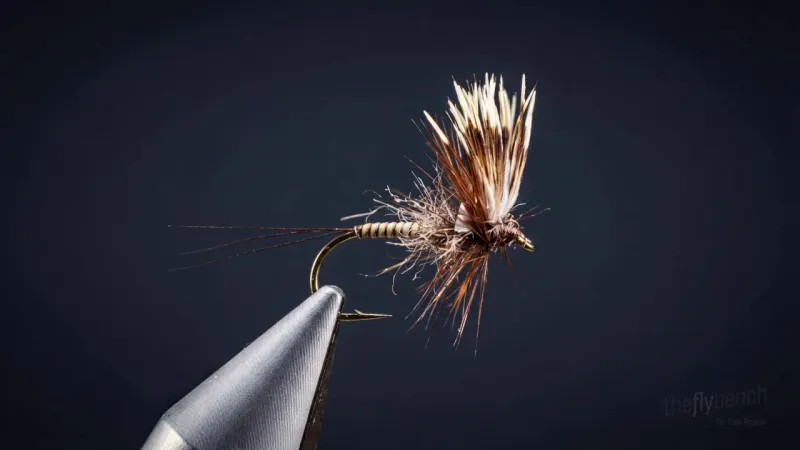
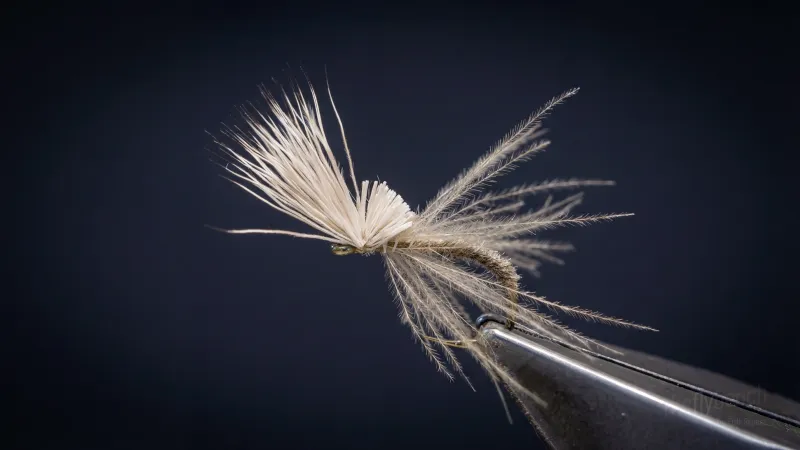
Dry FliesCDC&Elk
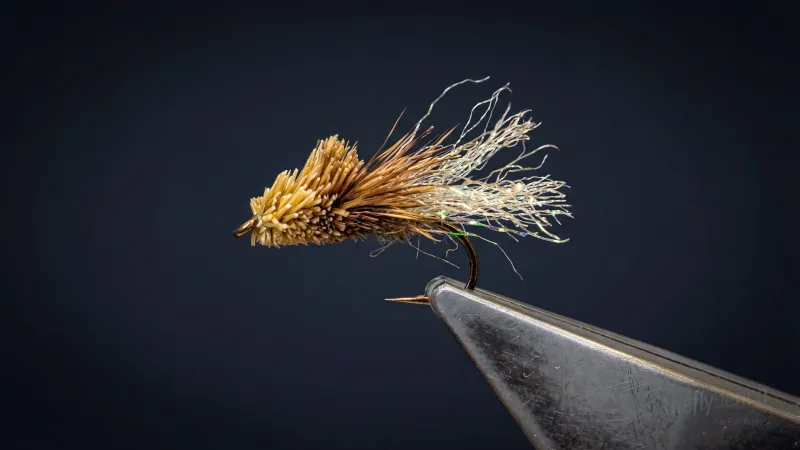
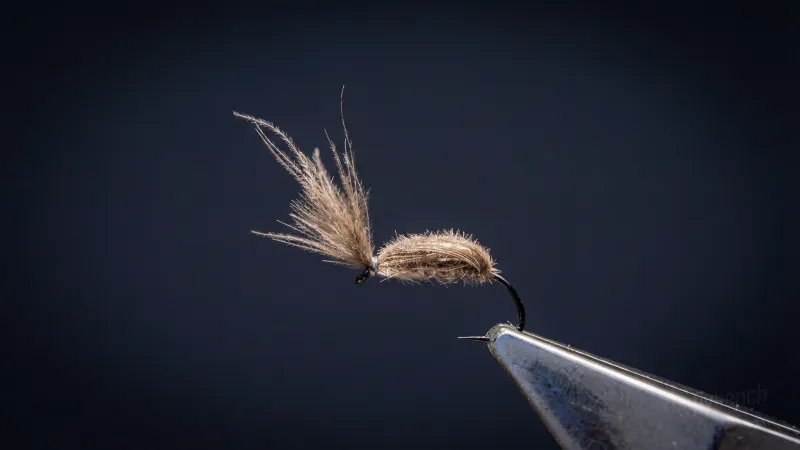
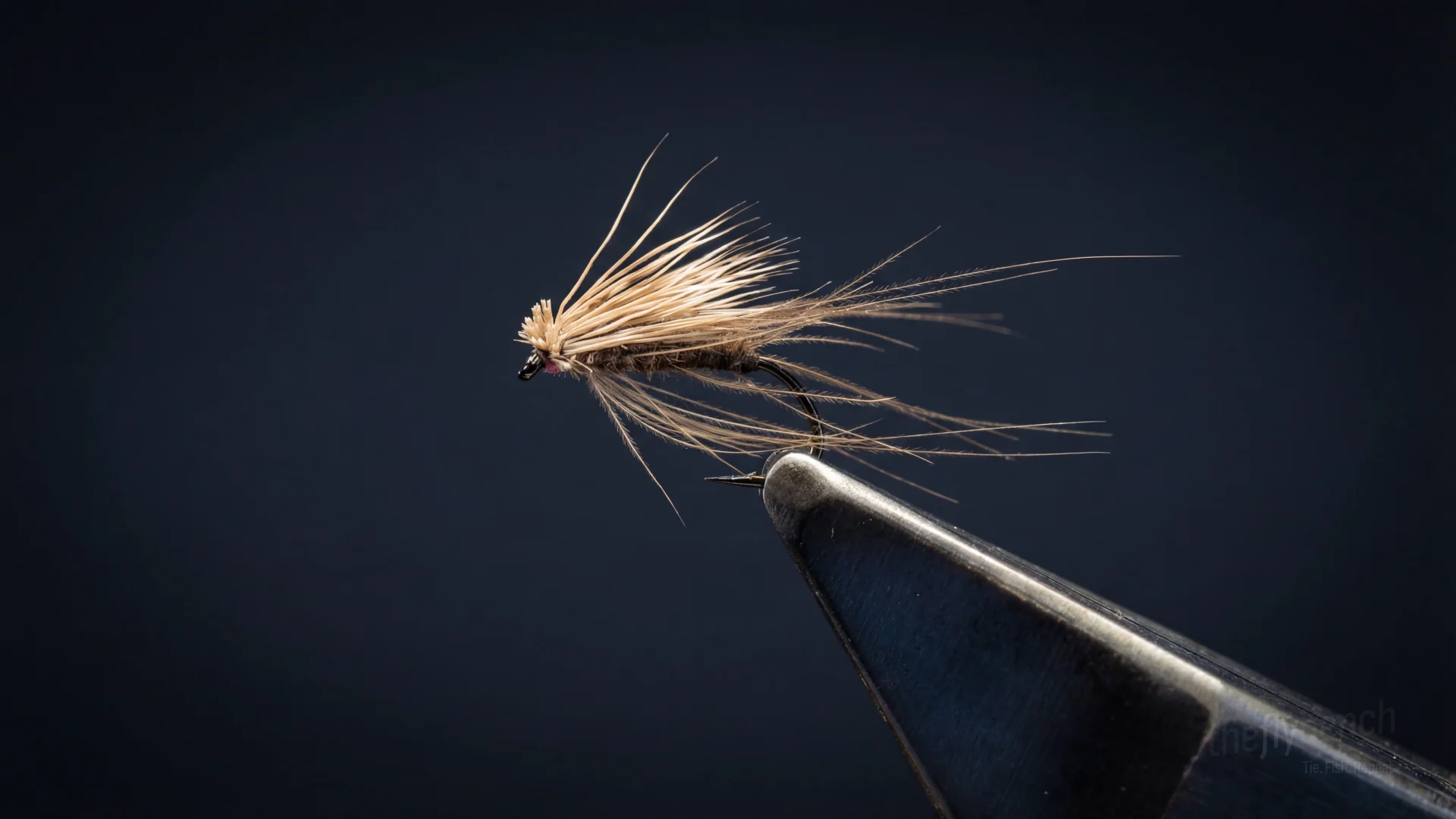
Hans Weilenmann's CDC&Elk pairs natural CDC fibers, doubling as body and legs, with a mule deer wing and head that carry the fly and give it its shape. The sparse, buggy build reads as a caddis, mayfly, or emerger depending on how it's fished, making it a dependable choice across mixed hatches.
Spring, Summer, Fall
Beginner
Trout
Feb 2026
Overview
Weilenmann designed the CDC&Elk around a small handful of materials doing several jobs at once: the natural CDC supplies movement that can suggest legs, antennae, or a trailing shuck, while the mule deer wing and head provide flotation without bulk. That flexibility lets the same fly stand in for caddis, mayflies, or general emergers without retying. It's a good first fly to try when the natural on the water isn't obvious.
Where to Buy This Fly
We only link to fly shops we trust. Some links are referral links, which may earn us a commission at no extra cost to you.
Materials
- Hook:
- Tiemco 102Y #15
- Thread:
- Uni-thread 6/0, brown
- Body/'legs':
- CDC, natural (or color to match a natural)
- Wing/Head:
- Mule deer, natural
Behavior & Presentation
Natural Behavior: Adult caddis rest on the surface with tent-shaped wings, occasionally skittering to initiate flight or during egg-laying runs. Mayfly duns float with upright wings while their exoskeletons harden before takeoff.
Where Trout Eat It: Fish cruise the upper 6 inches of calm water, targeting adults drifting in seams, foam lines, and feeding lanes.
How to Fish It: Cast upstream with drag-free drifts through productive lies, or add subtle twitches to simulate caddis movement.
Best Water: Prime zones include tail-outs, slicks, seams, and riffle edges where surface insects concentrate and drift predictably.
Strike Type: Expect confident rises with visible head-and-shoulder movements, or delicate sips in calm slicks.
Fishing Strategy
Rigging Suggestions: Use a 9-12 foot leader tapering to 5X tippet for delicate presentations. Apply floatant to the body and hackle.
Seasonal Timing: Most effective during peak feeding periods at dawn and dusk. Water temperatures between 45-65°F typically produce best results.
Pro Tips: Floats exceptionally well due to the CDC body and deer hair wing. The elk hair wing provides good visibility in various light conditions.
Entomology
When freshly emerged caddisflies dry their wings while drifting, they ride the current in a low profile with wings partially unfurled, occasionally twitching to test flight readiness. Trout intercept these vulnerable adults before they escape, targeting the brief window when insects are trapped between aquatic and terrestrial life.
- Order
- Trichoptera
- Common Name
- Caddisfly
- Organism Type
- insect
- Life Stage
- adult