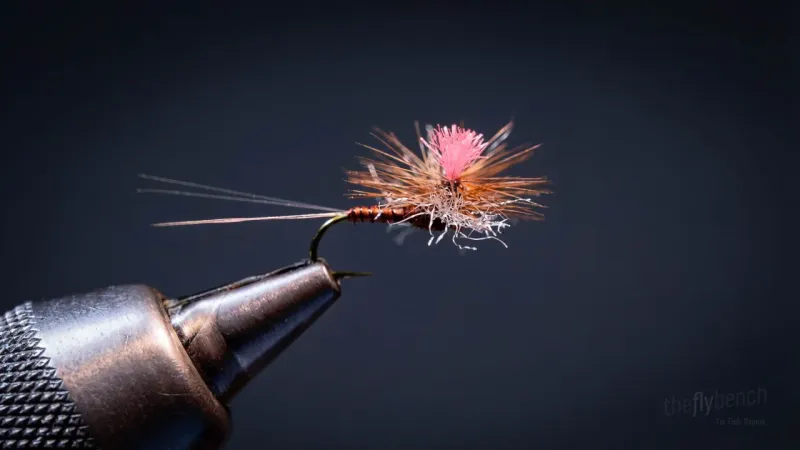
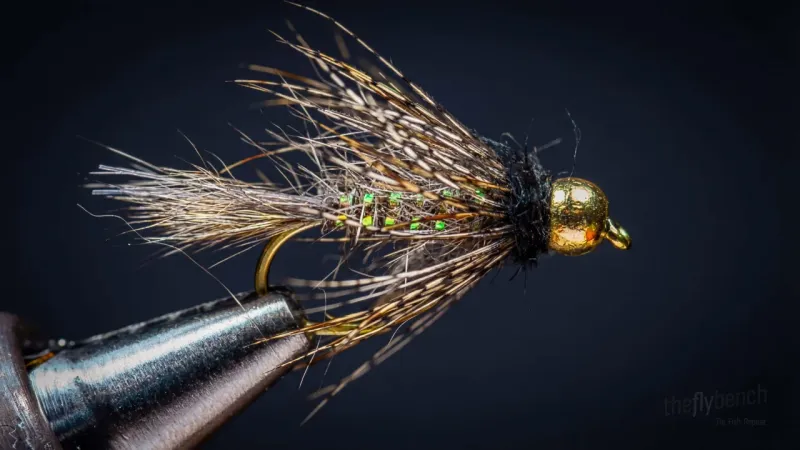
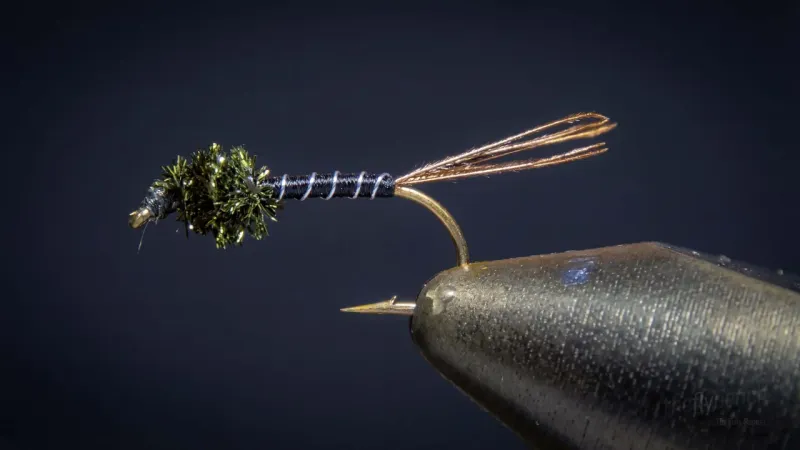
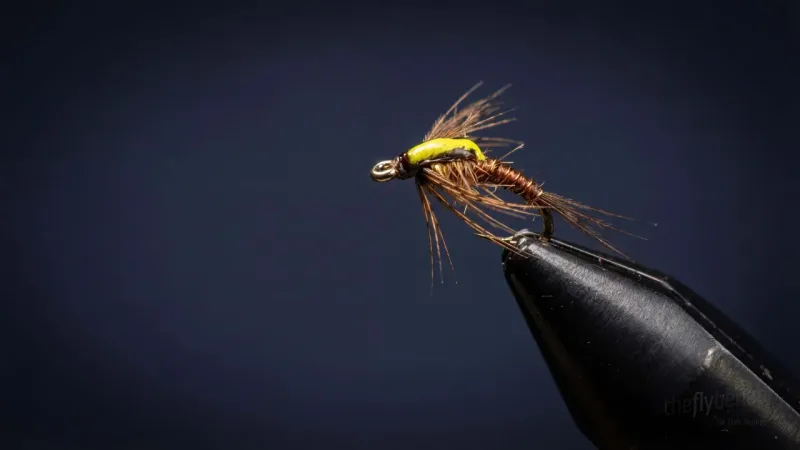
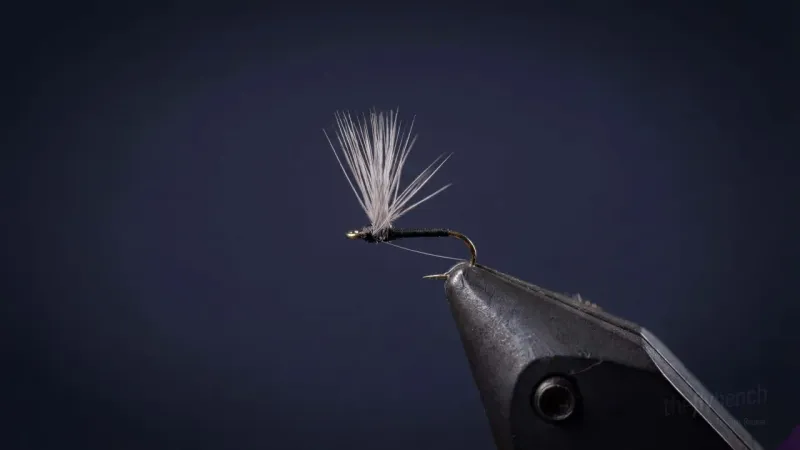
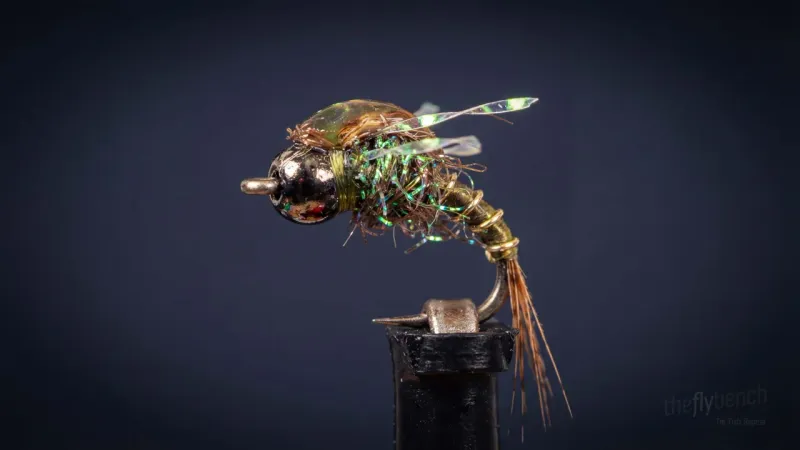
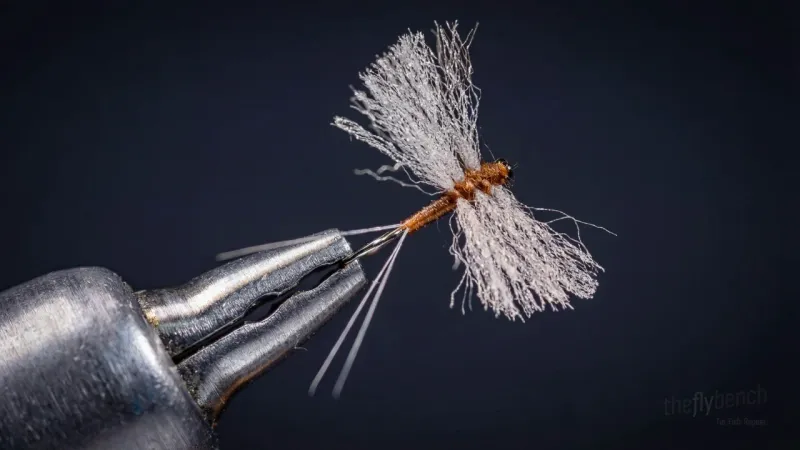
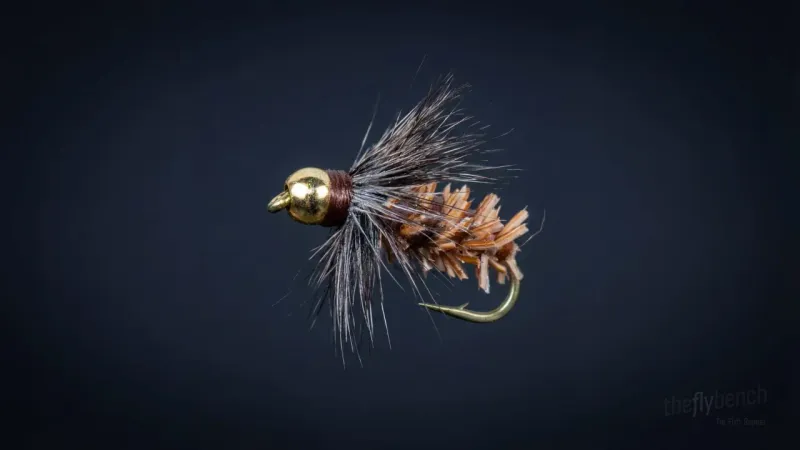
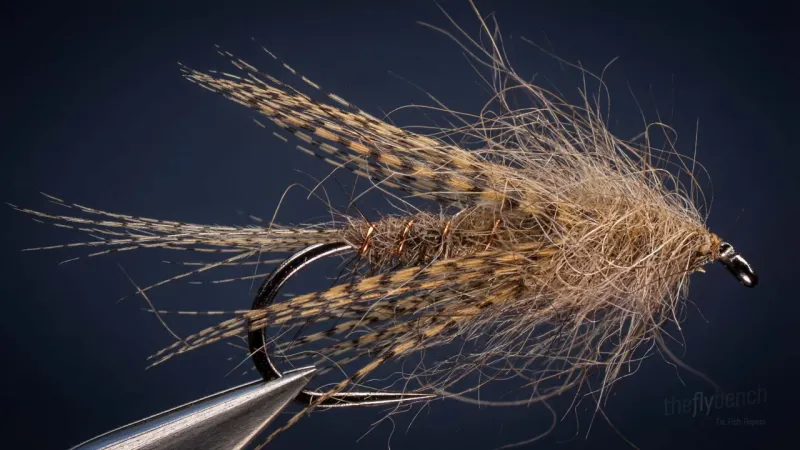
NymphDelektable Lil' Spanker
The Delektable Lil' Spanker is a versatile attractor nymph pattern that's effective in a wide variety of situations. It's flashy, colorful, and imitates a variety of common aquatic insects, making it a great choice when the fish aren't keyed in on anything specific.
Year Round
Intermediate
Trout
Apr 2025
Overview
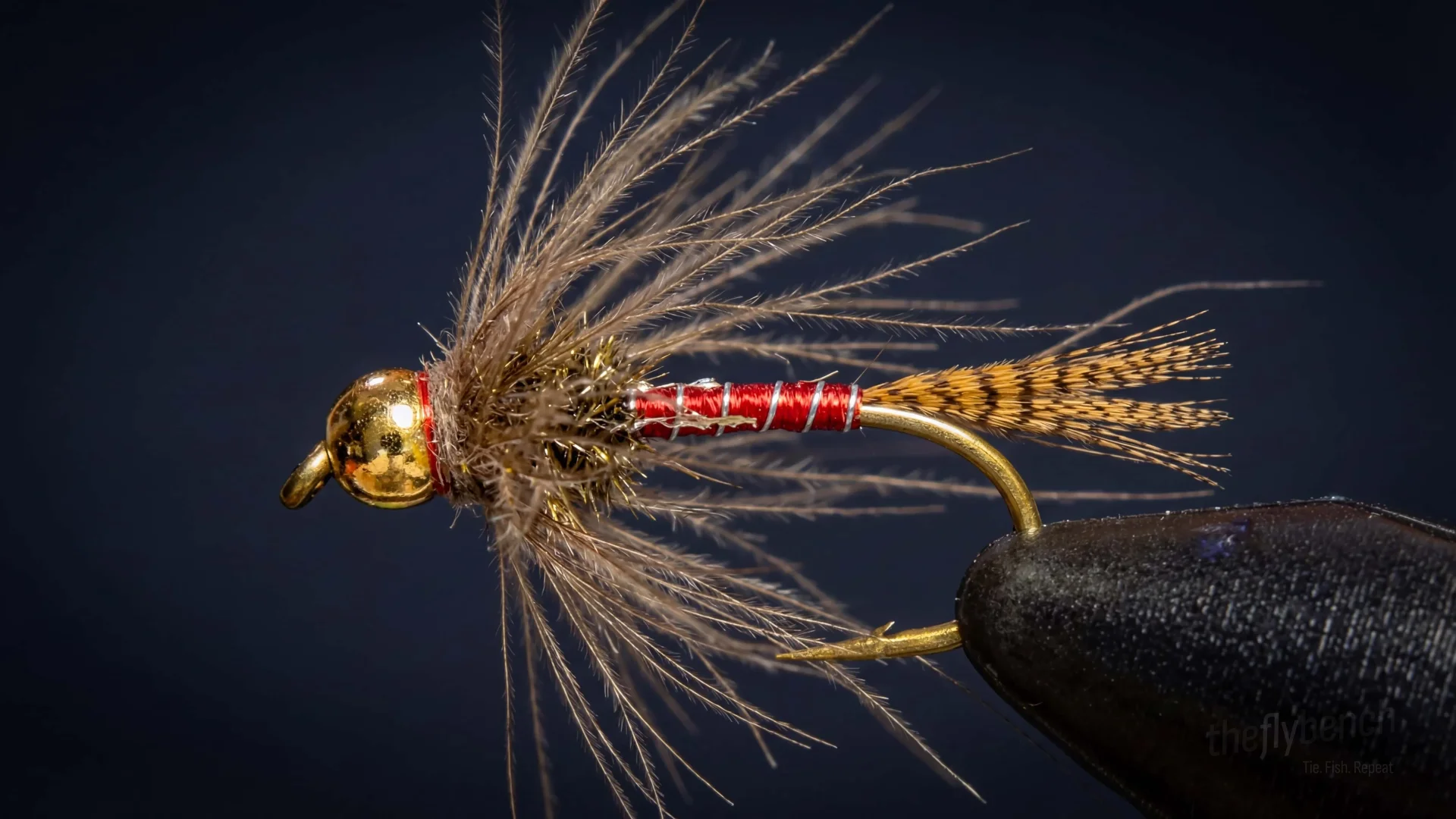
This flashy little nymph often features a synthetic dubbed body, contrasting wire ribbing, a peacock or ice dub thorax, and a bright hot-spot bead. It's quick to tie and highly effective in Euro or indicator rigs, especially in tailwaters.
Where to Buy This Fly
We only link to fly shops we trust. Some links are referral links, which may earn us a commission at no extra cost to you.
Materials
- Hook:
- Tiemco 3761, size #12–#16
- Bead:
- Gold tungsten bead
- Thread:
- UTC 70 denier, Olive/Red
- Tail:
- Pheasant tail fibers, or Woodduck
- Body:
- Thread Body
- Ribbing:
- Copper wire
- Thorax:
- Peacock herl
- Casing/Legs:
- Pearl Krystal Flash
- Collar:
- Natural CDC
Behavior & Presentation
Natural Behavior: Flashy nymphs tumble near the bottom structure, their iridescent bodies catching light as they bounce through gravel pockets and moss beds during drift cycles. The weighted profile keeps them in productive feeding lanes where trout scan for opportunistic meals.
Where Trout Eat It: Fish hold in drop-offs and weed edges in lakes, and pocket water with broken current in streams where nymphs concentrate.
How to Fish It: Let the tungsten bead pull the fly deep, mending to maintain bottom contact through productive runs. The flashy materials attract attention in off-color conditions.
Best Water: Target pockets behind structure, weed edges where trout ambush drifting food, and drop-offs where fish cruise for meals.
Strike Type: Feel for sudden weight or watch the indicator hesitate, dip, or dart sideways as the fish intercepts.
Fishing Strategy
Rigging Suggestions: Use 5X-6X tippet as the point fly in a two-fly nymph rig, or as a dropper 18-24 inches below a larger dry fly or indicator pattern. The tungsten bead sinks quickly to 2-6 foot depths.
Seasonal Timing: Year-round effectiveness with peak productivity during (April-June) and (September-October) when multiple insect species are active. Works well in water temperatures from 40-70°F.
Pro Tips: The flashy dubbing and bead head provide high visibility in stained water. The compact profile works during both mayfly and caddis activity. Adjust weight and depth based on water speed and fish holding zones.
Entomology
Small, generalist nymphs occupy diverse microhabitats from moss beds to gravel pockets, exhibiting opportunistic drift behavior throughout the day as they forage and reposition. These nymphs tumble freely in the current with minimal swimming capability, riding passively in drift lanes at various depths. Fish feed constantly on these generic small nymphs because their ubiquitous presence across all substrates and consistent availability regardless of specific hatch timing makes them reliable sustenance between major emergence events.
- Order
- Trichoptera
- Common Name
- Caddisfly
- Organism Type
- insect
- Life Stage
- general