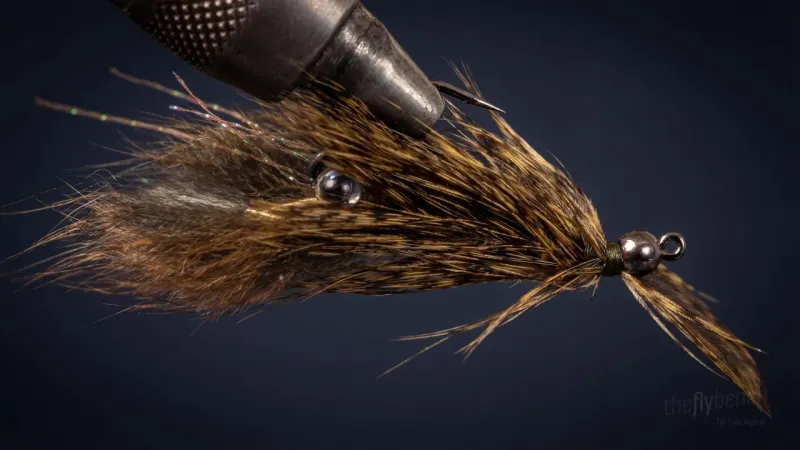
NymphCrawBody Crawfish
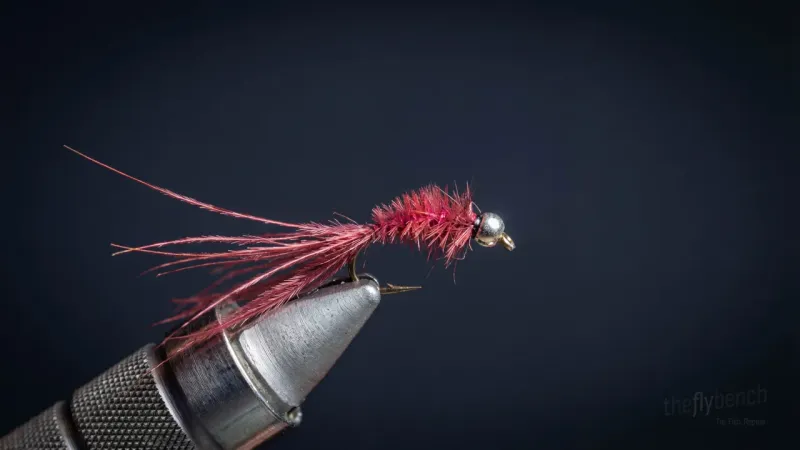
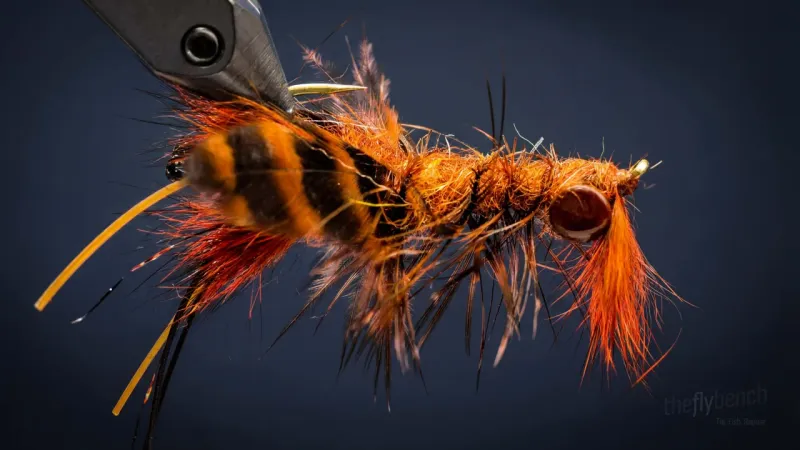
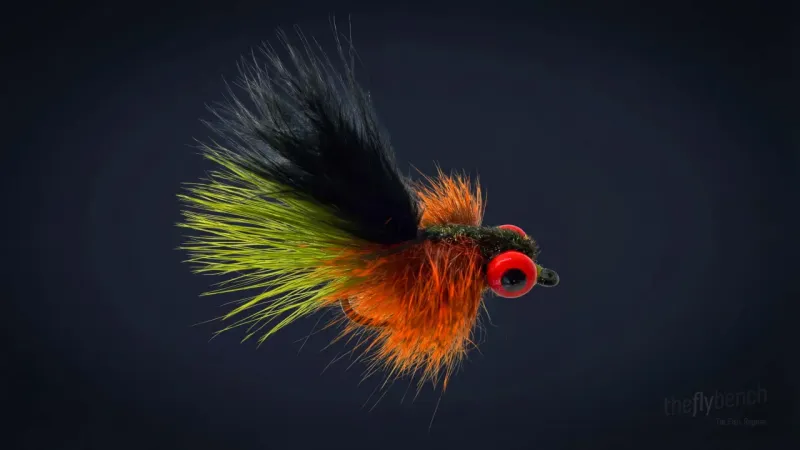
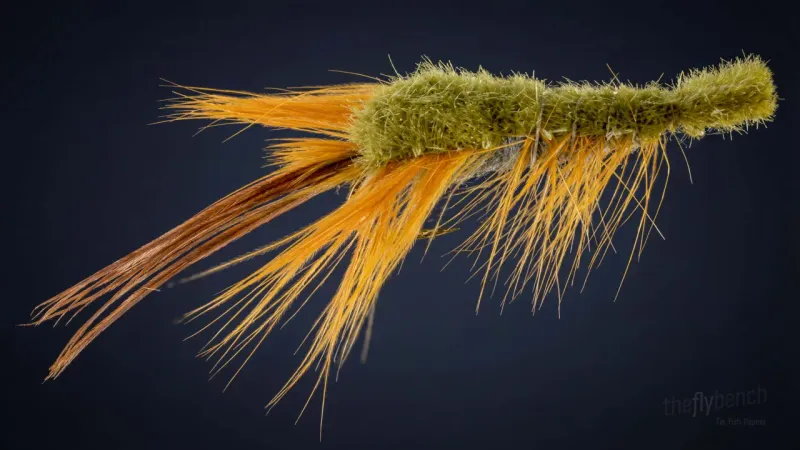
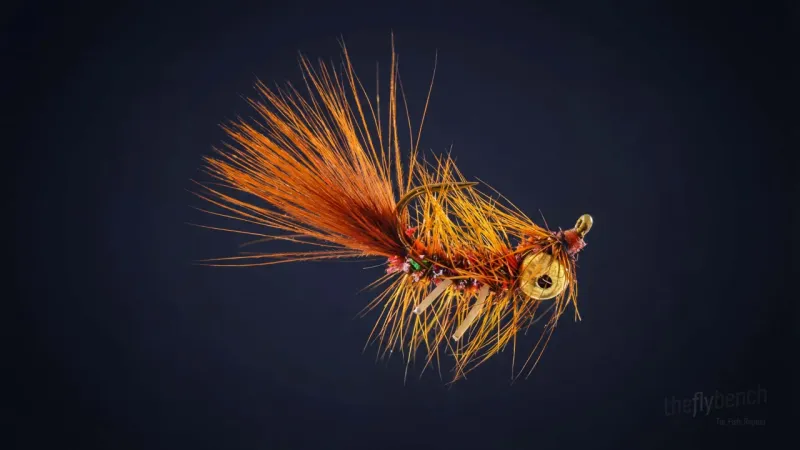
The CrawBody Crawfish is an incredibly lifelike crawfish pattern, designed to ride hook point up for an optimal presentation. The realistic profile and movement make it an irresistible meal for hungry bass and other predatory fish.
Summer, Fall
Advanced
Bass, Trout
Apr 2025
Overview
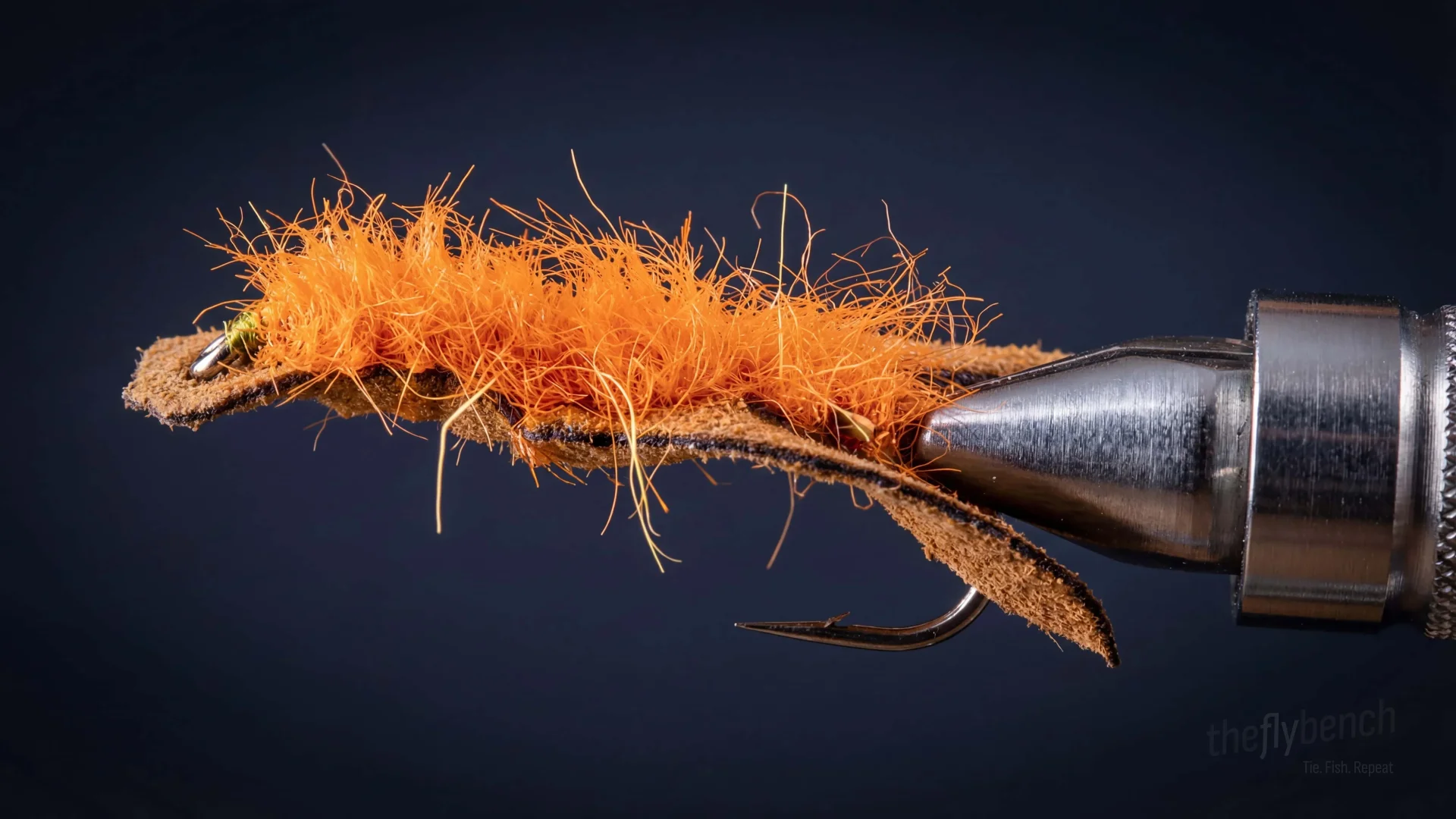
Built around a realistic molded body (like Hareline's CrawBody), this fly includes rubber claws, antennae, and often a dubbed or wrapped chenille underbody. Finished with dumbbell or beadchain eyes for bottom-crawling movement.
Where to Buy This Fly
We only link to fly shops we trust. Some links are referral links, which may earn us a commission at no extra cost to you.
Materials
- Hook:
- Tiemco 3769, size #6–#10
- Thread:
- Brown Uni-Thread 6/0
- Body:
- Tan and brown rabbit fur dubbing
- Ribbing:
- Brown Vinyl Rib
- Shell:
- Solarez Thick Hard UV resin
- Claws:
- Brown Zonker strips
- Legs:
- Brown round rubber legs
- Weight:
- Lead wire wrapped around the hook shank
Behavior & Presentation
Natural Behavior: Crayfish inhabit rocky substrate and weed edges, emerging at dusk to forage and propelling backward in explosive bursts when pursued, most vulnerable during soft-shell molting phases.
Where Trout Eat It: Predatory fish target molting crayfish and juveniles crossing open bottom, striking aggressively when erratic backward swimming triggers chase responses.
How to Fish It: Strip-pause retrieve with backward darting motion, allowing the pattern to settle on structure between explosive escape movements.
Best Water: Focus on rocky structure, weed edges, undercut banks, and drop-offs where crayfish move between defensive positions and foraging zones.
Strike Type: Aggressive strikes as bass and large trout commit to high-value targets, often crushing during pauses when the fly appears vulnerable.
Fishing Strategy
Rigging Suggestions: Rig the CrawBody Crawfish on a 7-9wt rod with a sinking line to get it down deep.
Seasonal Timing: Effective during peak feeding periods when water temperatures and conditions support active feeding behavior.
Pro Tips: The CrawBody Crawfish sinks and is moderately visible due to its realistic coloring and profile.
Entomology
Crayfish inhabit rocky substrate and weed edges, spending daylight hours in defensive positions before emerging at dusk to forage, propelling backward in explosive bursts when pursued. Predatory fish key on molting crayfish whose soft shells provide easy consumption, and on juveniles crossing open bottom where their erratic backward swimming triggers aggressive strikes from bass and large trout.
- Organism Type
- crustacean
- Life Stage
- general