Euro NymphsCountach Nymph - Jig
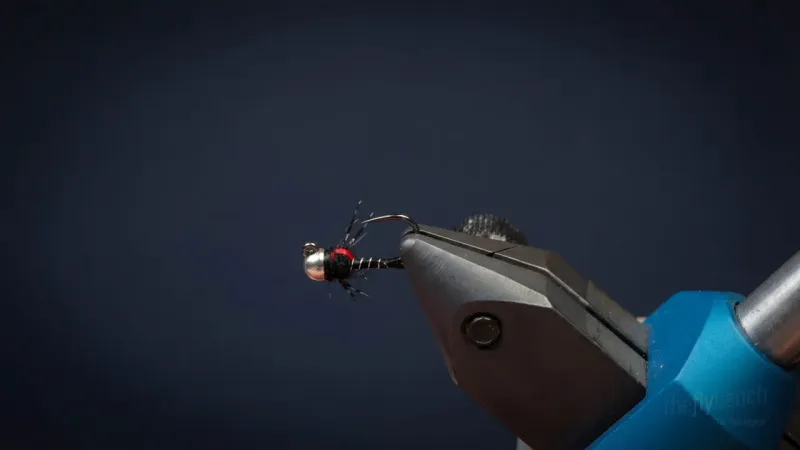
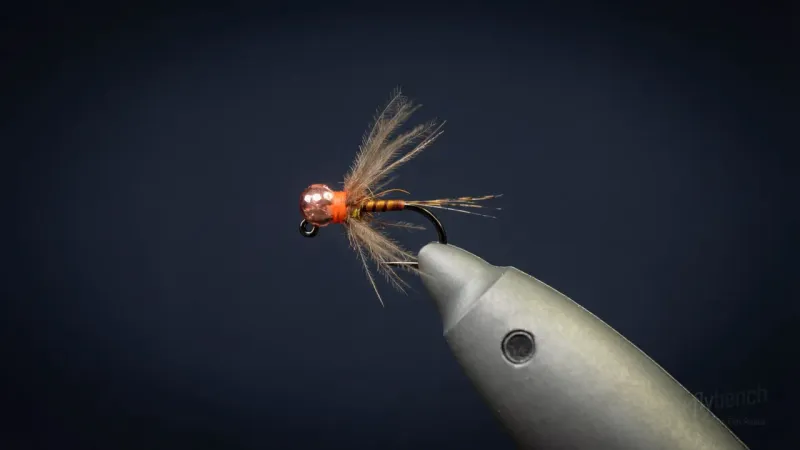
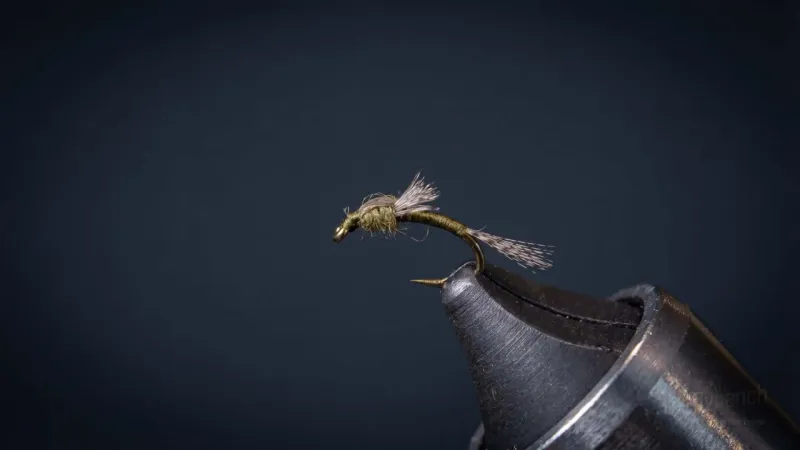
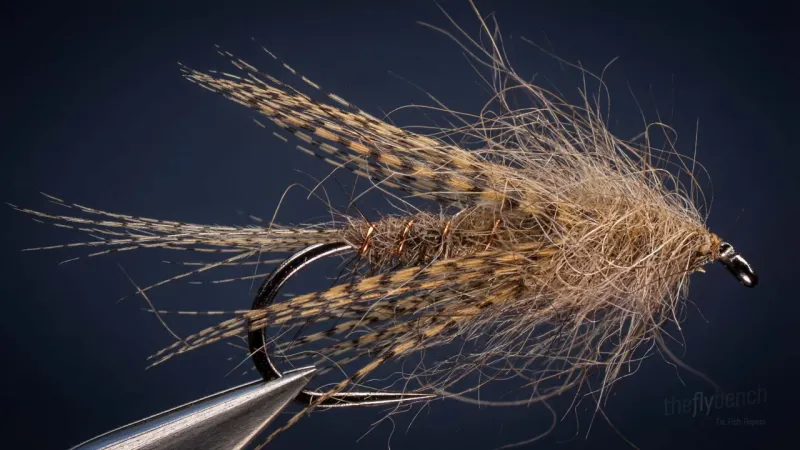
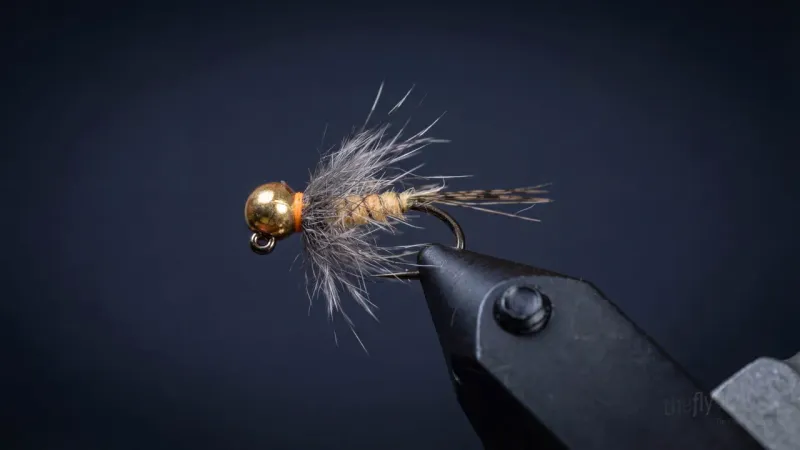
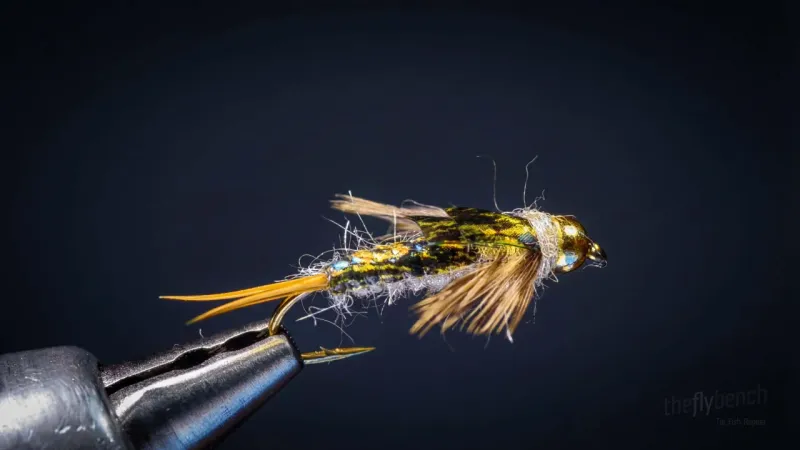
Named after the legendary Lamborghini sports car, the Countach Nymph is a sleek, fast-sinking euro nymph designed for competition fishing. The classic pheasant tail body combined with a hare's ear thorax and partridge legs creates a natural profile with subtle movement. The copper bead and wire ribbing provide attractive flash while getting the fly into the strike zone quickly.
Spring, Summer, Fall
Intermediate
Trout
Dec 2025
Overview
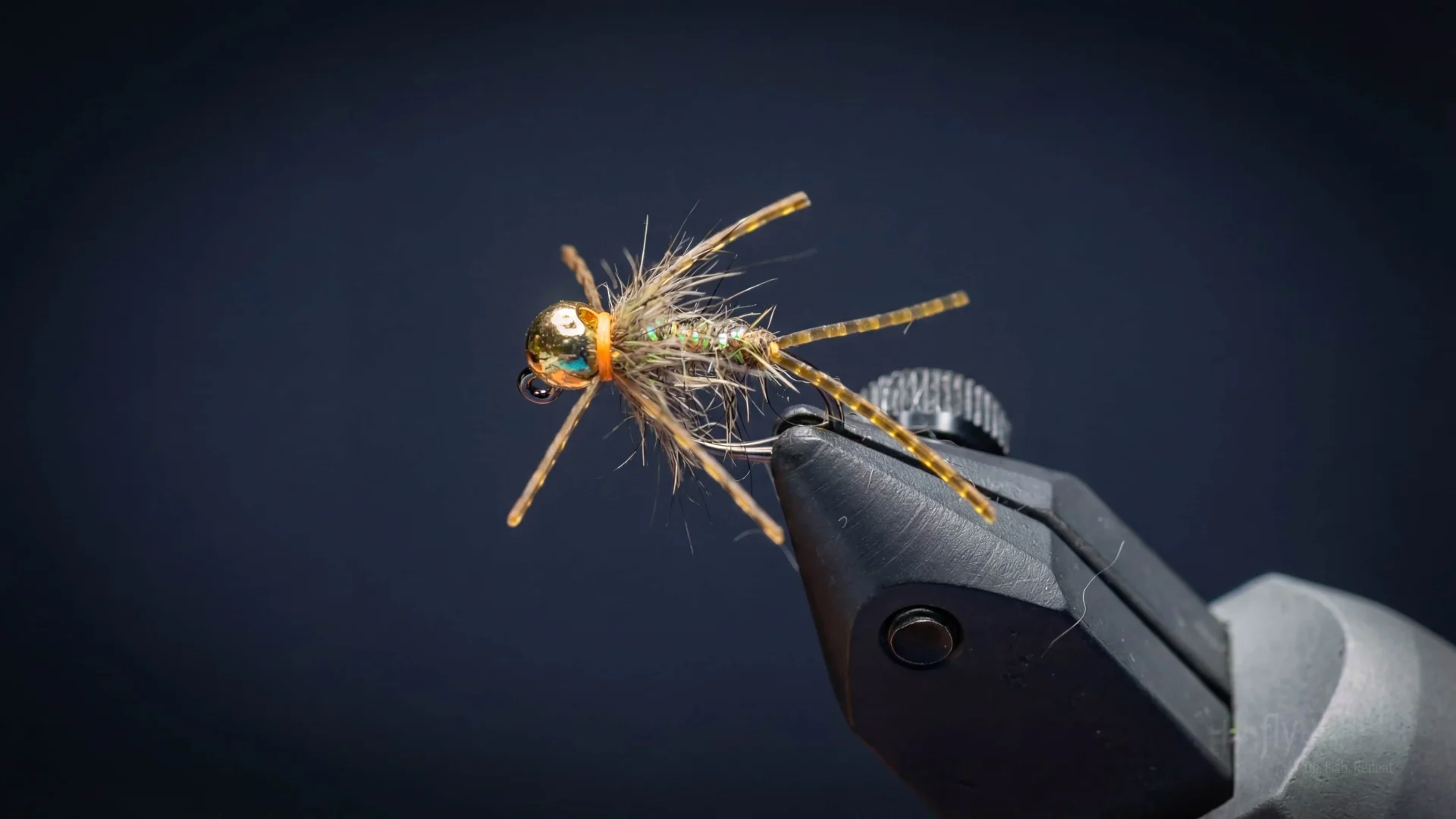
Designed by Fly Fish Food for technical euro nymphing applications, the Countach Nymph combines proven materials in a competition-ready profile. The pheasant tail body provides natural segmentation while the hare's ear thorax adds bulk and texture. The partridge legs create lifelike movement in the current. The copper wire ribbing reinforces the delicate pheasant tail body while adding subtle flash that attracts trout.
Materials
Hook: Hanak H 400 BL jig hook, #14
Thread: UTC Ultrathread 70 denier, red
Bead: Hanak Round+ slotted tungsten bead, 3.5mm, copper
Tail: Whiting Coq de Leon Euro Nymph Tailing Pack, dark pardo
Body: Pheasant tail fibers
Rib: UTC Ultra Wire, copper, brassie
Wing Case: Peacock herl
Thorax: Hare's ear dubbing, natural
Legs: Partridge feather fibers
Behavior & Presentation
Natural Behavior: Robust stonefly nymphs cling to substrate through powerful leg grip until dislodged by hydraulic forces or pre-emergence movements. Spring runoff and nocturnal migrations create vulnerability windows when nymphs abandon typical refuges.
Where Trout Eat It: Fish intercept nymphs along bottom in runs, seams, and pocket water at 3-6 foot depths where stoneflies tumble through zones.
How to Fish It: Maintain tight-line contact during upstream casts, detecting strikes immediately through direct connection to tumbling nymphs.
Best Water: Target seams between current speeds, runs with rocky bottom, and pocket water where stoneflies concentrate near substrate.
Strike Type: Sharp tick or sudden pause in drift indicates fish grabbing heavy-bodied nymphs from feeding positions.
Fishing Strategy
Rigging Suggestions: Use as a point fly in a euro nymphing setup with a long, sensitive leader (10-15 feet). Pair with 5X or 6X fluorocarbon tippet for clear water presentations.
Seasonal Timing: through fall when mayfly and stonefly nymphs are active. Prime months are March through October in freestone streams and tailwaters.
Pro Tips: The 3.5mm copper tungsten bead provides rapid sink rate, reaching depths of 3-5 feet quickly in moderate current. The natural pheasant tail coloring and hare's ear thorax blend seamlessly with the stream bottom while the copper wire creates subtle flash.
Entomology
Robust stonefly nymphs cling to substrate in high-gradient streams, maintaining positions through powerful leg grip until dislodged by hydraulic forces or pre-emergence movements. Fish capitalize on these dislodged heavy-bodied nymphs during spring runoff and nocturnal emergence migrations when stoneflies abandon their typical substrate refuges.
- Order
- Plecoptera
- Common Name
- Stonefly
- Organism Type
- insect
- Life Stage
- nymph