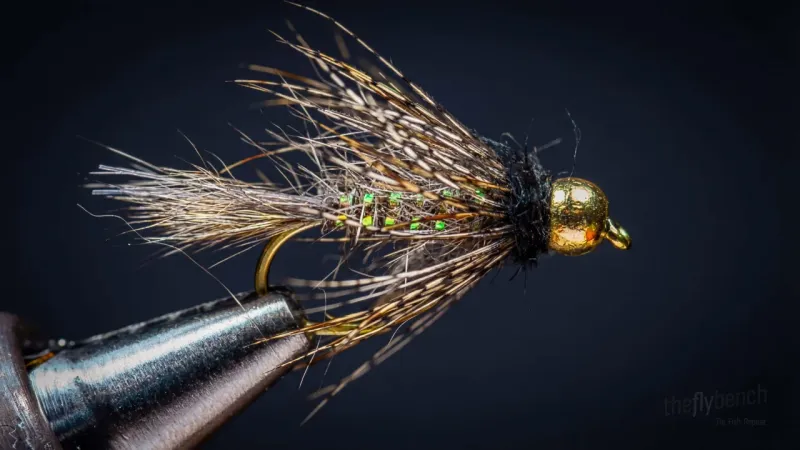
Euro NymphsRope-A-Dope Stone
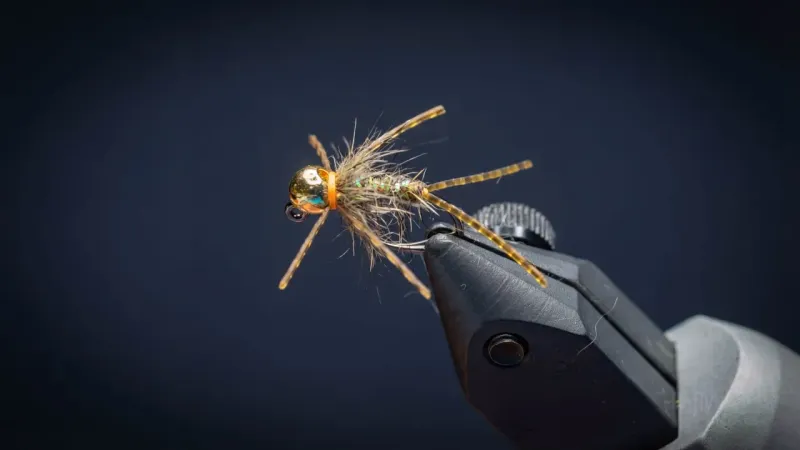
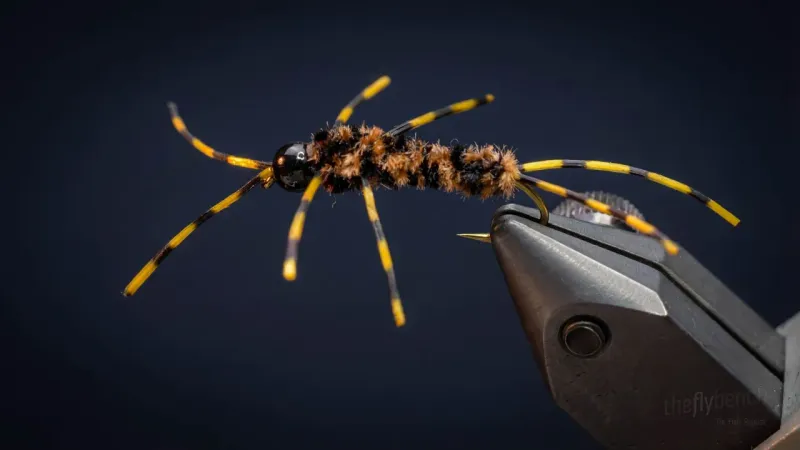
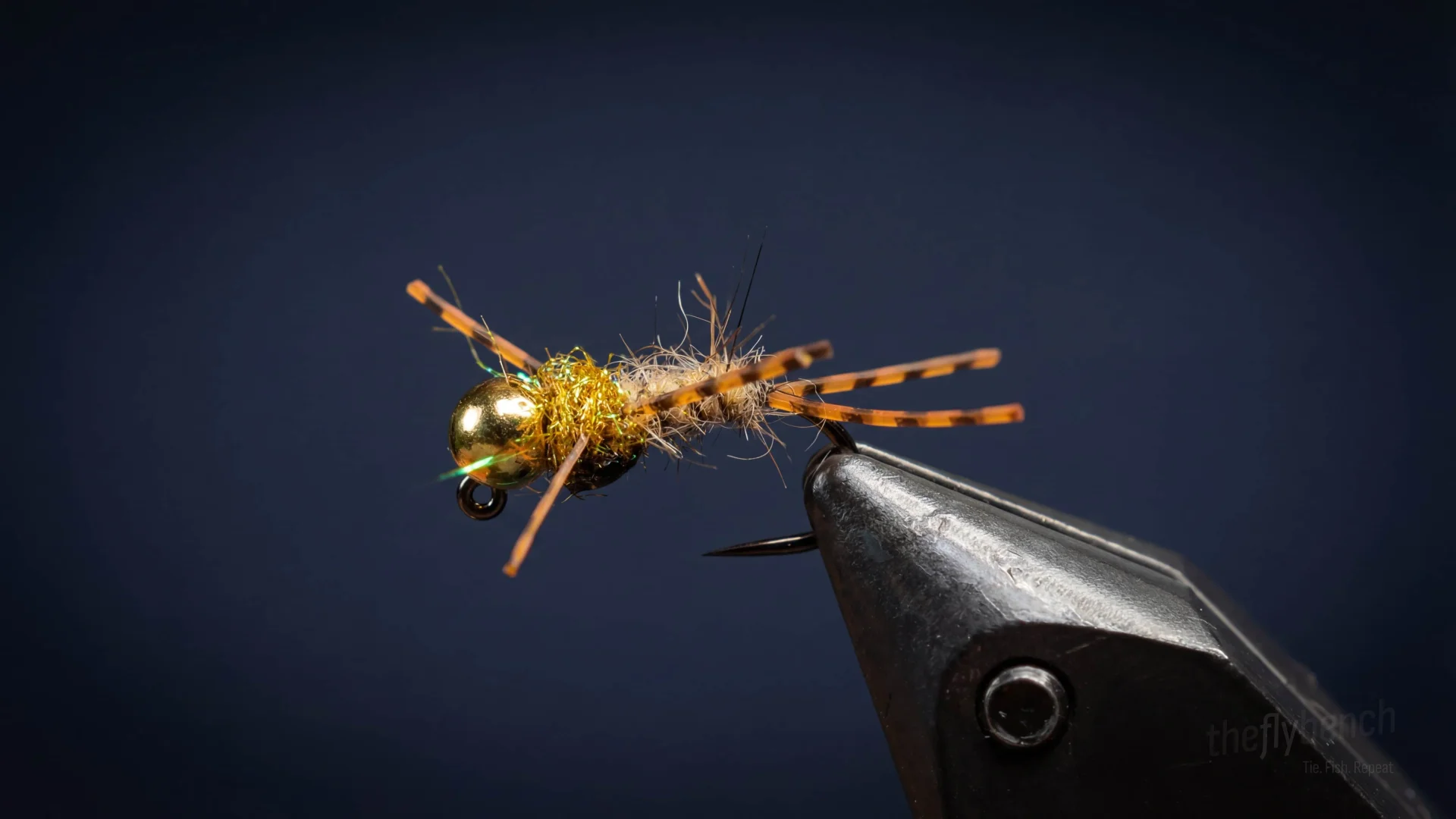
The Rope-A-Dope Stone is a simplified stonefly pattern designed for fast tying and heavy use as a euro anchor fly. Since anchor flies are the most commonly lost flies due to snags, this pattern eliminates unnecessary steps while maintaining effectiveness. Created by Cheech at Fly Fish Food, it uses rabbit dread rope for the body and UV resin for the wingcase, making it quick to tie and durable in use.
Year Round
Beginner
Trout
Dec 2025
Overview
The Rope-A-Dope Stone's genius lies in its simplified construction. The rabbit dread rope eliminates the need to dub your thread—simply wrap and go. The wingcase is created with colored UV resin applied directly over the thorax, cutting out multiple steps while creating a durable shell. This pattern is designed to be tied quickly so you can fill your box without investing hours at the vise, knowing many will be lost to rocks and snags.
Materials
Hook: Umpqua XC400BL-BN, size #12 (or Hanak H 400 BL Jig Hook)
Thread: Semperfli Classic Waxed Thread 8/0, dark mocha brown
Bead: Hareline Slotted Tungsten, gold, 3.8mm (5/32")
Legs: Grizzly Micro Legs, rootbeer
Body: Rabbit Dreads, light hare's ear
Rib: Midge Stretch Rib, olive brown
Thorax: Ice Dub, golden brown
Wing Case: Solarez Colored UV Resin, black
Finish: Solarez UV Cure Resin, thin hard
Behavior & Presentation
Natural Behavior: Late-instar stoneflies crawl deliberately across open substrate toward shore, their migration behavior overriding predator avoidance during emergence periods.
Where Trout Eat It: Fish patrol near bottom in boulder fields and deep pocket water 3-6 feet deep, intercepting migrating stoneflies.
How to Fish It: Dead drift as anchor fly in euro rigs. Heavy tungsten bead maintains bottom contact while drifting through feeding zones.
Best Water: Focus on pocket water with boulders, current seams along structure breaks, and channel swings where stoneflies migrate through predictable zones.
Strike Type: Tick or sudden stop in sighter. Heavy bead provides excellent contact for detecting takes on tight line.
Fishing Strategy
Rigging Suggestions: Fish on 4X-5X fluorocarbon as the point fly in a multi-fly euro rig. Trail smaller nymphs 18-24 inches above.
Seasonal Timing: , particularly productive during stonefly activity in spring and early summer. Works as a searching pattern anytime due to its buggy profile.
Pro Tips: The large tungsten bead provides maximum sink rate for an effective anchor fly. The golden brown coloration blends with natural stoneflies while the rootbeer legs add lifelike movement.
Entomology
Stonefly nymphs in their final instars undertake deliberate crawling migrations from mid-stream positions toward the stream margins, traveling across open substrate in broad daylight as emergence hormones override predator avoidance behavior. These large-bodied nymphs become conspicuous targets during these migrations, with their dark coloration and segmented bodies standing out against lighter substrate. Fish patrol likely emergence zones and intercept migrating nymphs, with some trout positioning themselves specifically to ambush stoneflies during peak migration periods in spring and early summer.
- Order
- Plecoptera
- Common Name
- Stonefly
- Organism Type
- insect
- Life Stage
- nymph