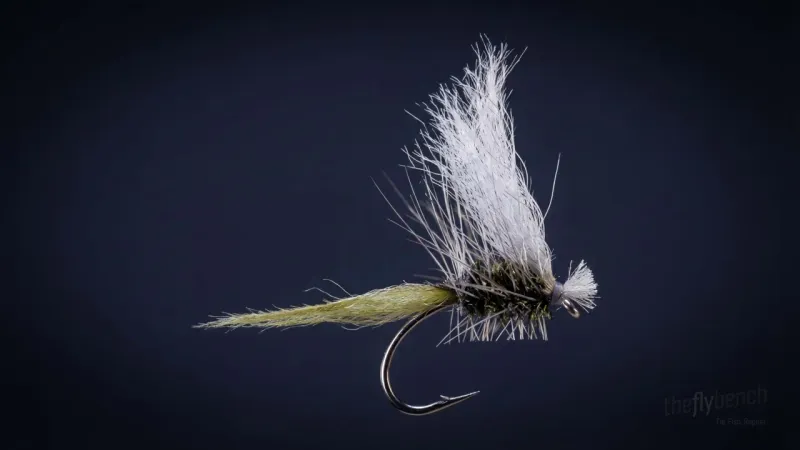
Dry FliesCDC Biot Dun
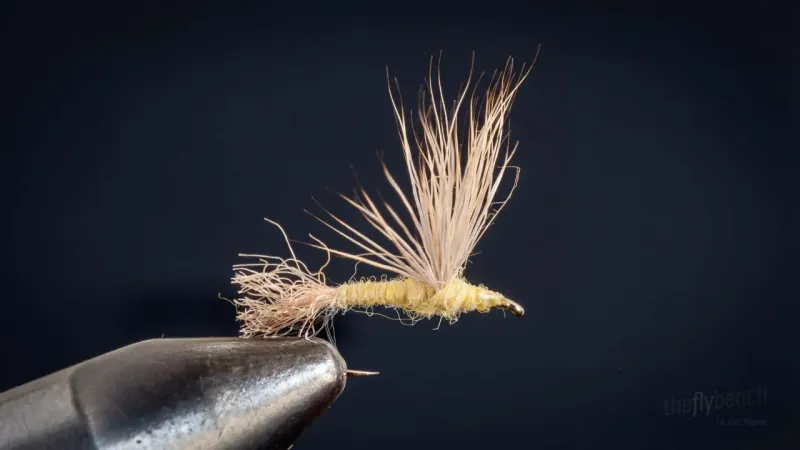
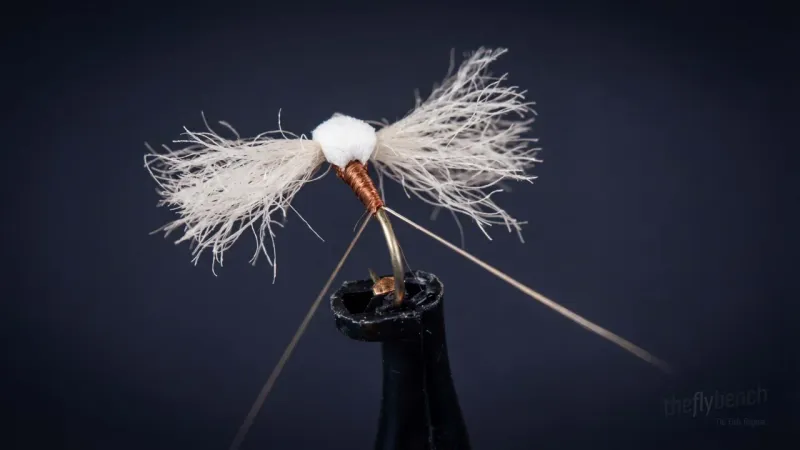
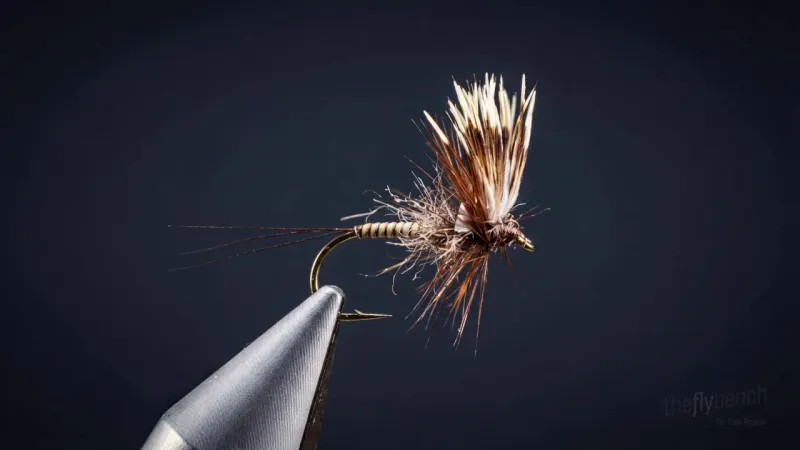
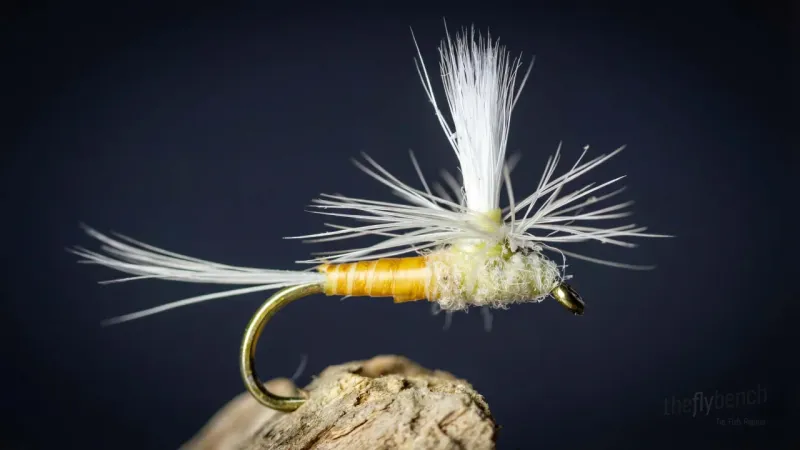
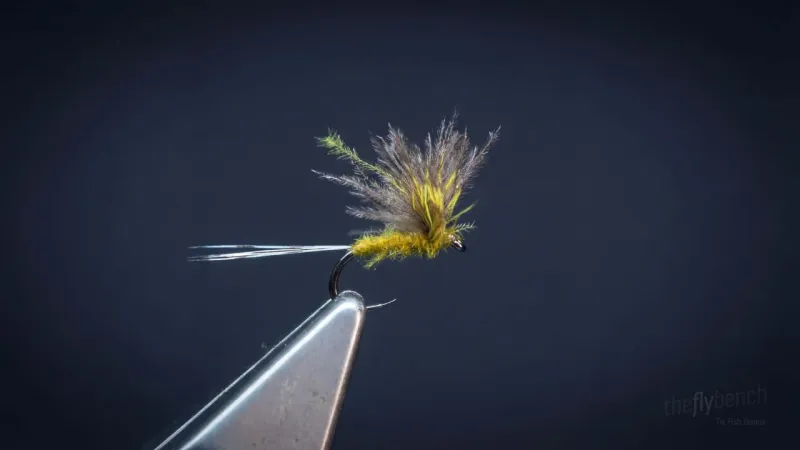
The CDC Biot Dun is an excellent dry fly that imitates a range of mayflies in their dun stage. The combination of CDC feathers for the wings and a biot body gives this pattern a realistic silhouette and enticing movement on the water's surface. Its versatility and lifelike appearance make it a must-have in any fly box.
Spring, Summer
Intermediate
Trout
Apr 2025
Overview
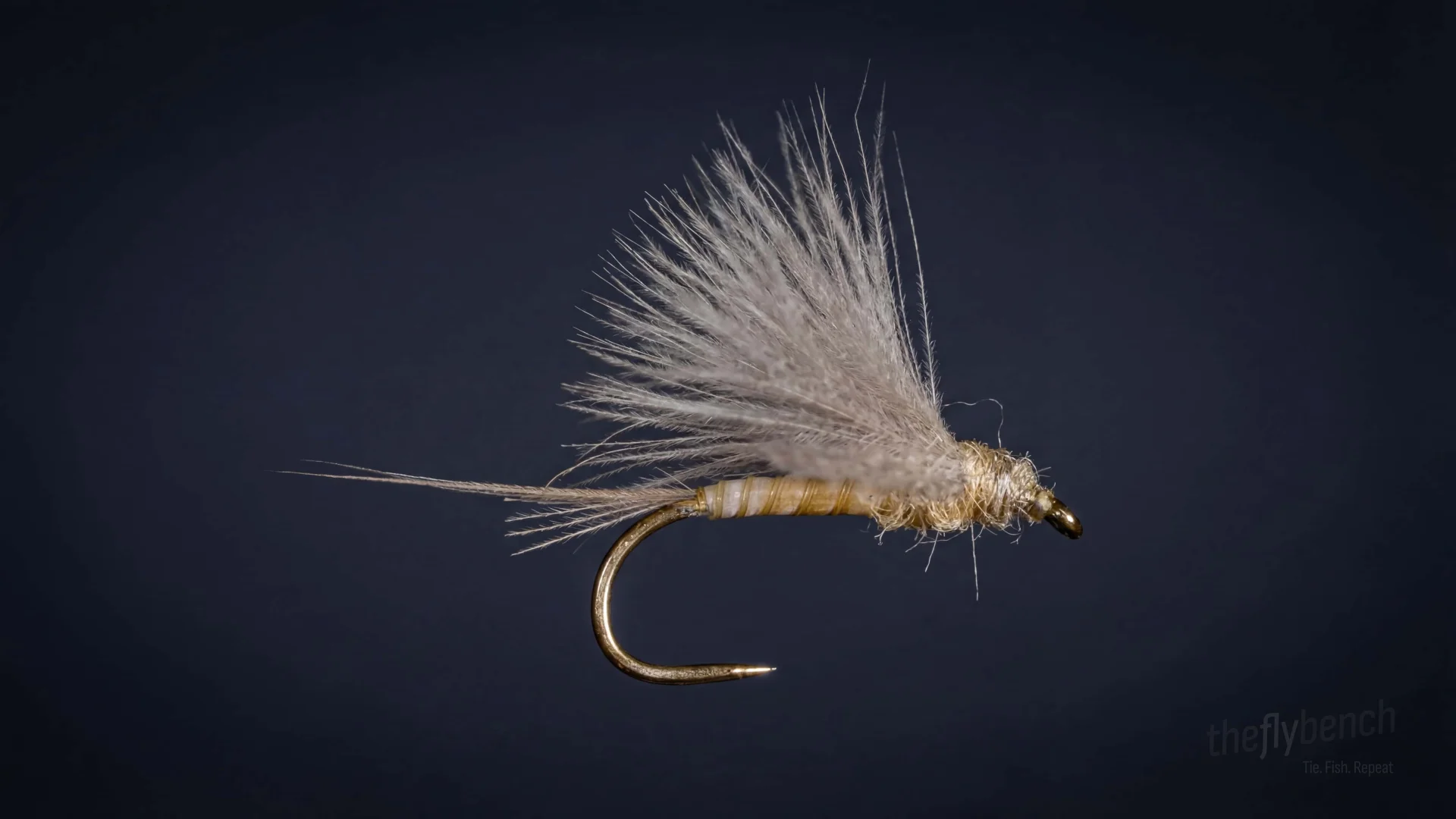
A refined mayfly dun pattern tied with a quill (biot) body for segmentation and CDC for the wing. The natural taper and upright CDC provide realistic silhouette and soft landings on the water. Typically tied on curved dry fly hooks in olive, tan, or gray tones for matching specific hatches.
Where to Buy This Fly
We only link to fly shops we trust. Some links are referral links, which may earn us a commission at no extra cost to you.
Materials
- Hook:
- Tiemco 100, size #12–#16
- Thread:
- Dun Veevus 14/0
- Body:
- Turkey biot, natural grey
- Wing:
- CDC feather, natural grey
- Hackle:
- Grizzly hackle, sized to match the hook
- Tail:
- Micro fibbets, dun
Behavior & Presentation
Natural Behavior: The mayfly dun rests on the surface film with wings upright, its exoskeleton hardening before flight. Trapped by surface tension, it drifts helplessly through feeding lanes where trout rise rhythmically.
Where Trout Eat It: Fish target floating duns in glides, slicks, and tail-outs where surface currents concentrate emerging mayflies.
How to Fish It: Cast upstream for drag-free drift, the CDC wing sitting naturally in the film without hackle disruption. Match the natural's helpless float.
Best Water: Focus on slicks with smooth surface, glides where mayflies emerge, and tail-outs collecting drifting insects.
Strike Type: Confident rises with visible sips as fish capitalize on the abundant, trapped duns.
Fishing Strategy
Rigging Suggestions: Use a 5X or 6X tippet for a natural presentation.
Seasonal Timing: The CDC Biot Dun is most effective in and during mayfly hatches. Use the CDC Biot Dun when you observe fish feeding on mayflies on the water's surface.
Pro Tips: The CDC wings and hackle help this fly float high and remain visible on the water's surface. The natural colors also help it blend with the natural insects.
Entomology
Mayfly duns struggle briefly on the water surface after shedding their nymphal shuck, wings gradually unfurling as they prepare for their maiden flight into riparian vegetation. This post-emergence period leaves them exceptionally vulnerable, creating a feeding window where trout station in feeding lanes to intercept drifting adults. The visual silhouette of upright wings and high-floating body profile triggers selective rises as fish dial in on the specific hatch species present.
- Order
- Ephemeroptera
- Common Name
- Mayfly
- Organism Type
- insect
- Life Stage
- adult