Dry FliesBlack Pennell
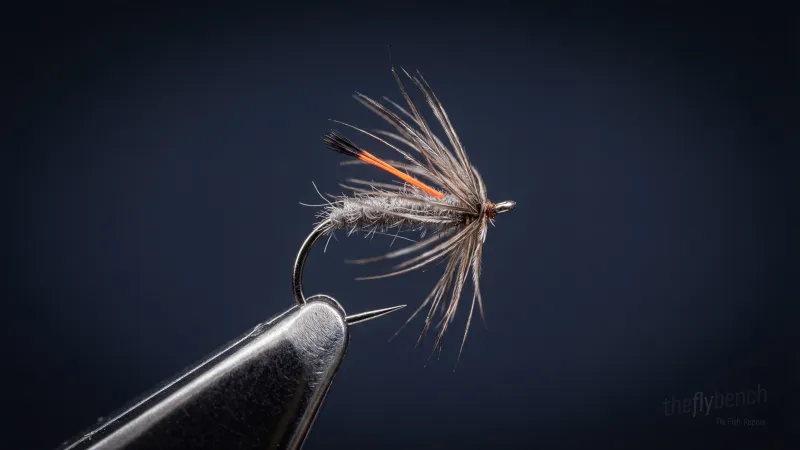
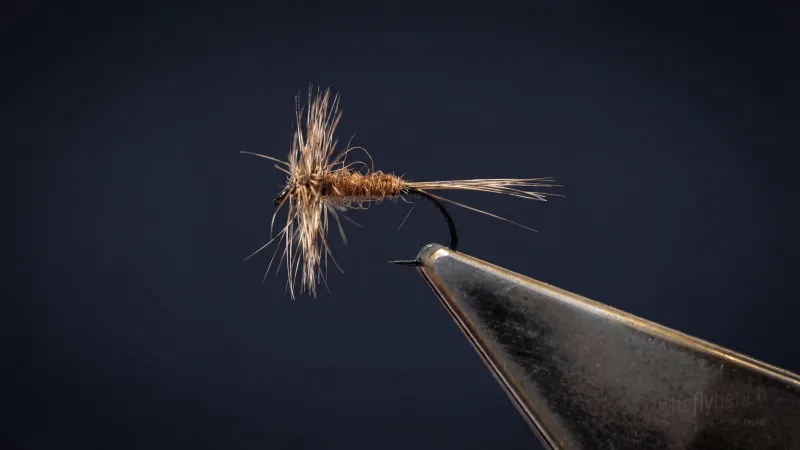
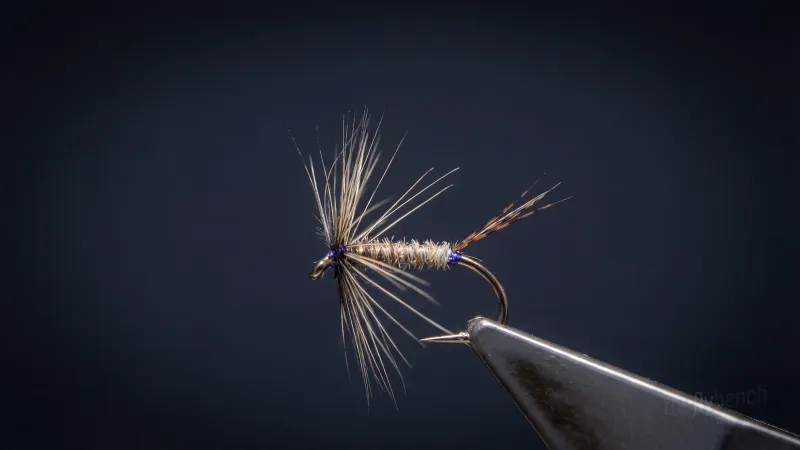
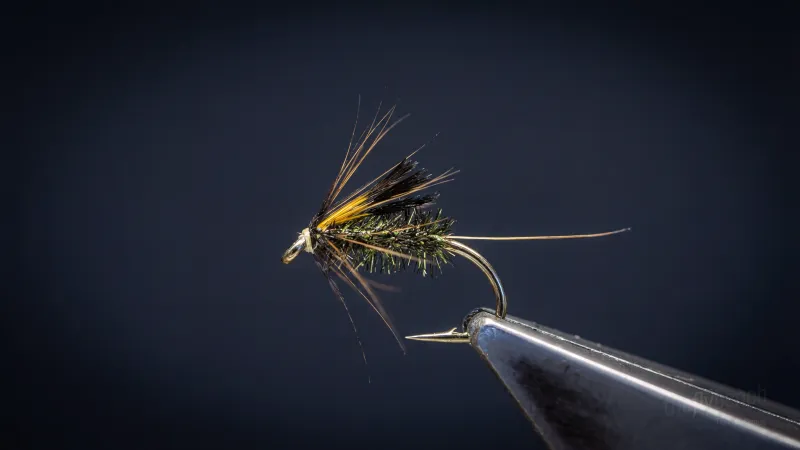
The Black Pennell is a dry fly pattern designed by Gianluca Nocentini. This effective pattern combines traditional materials with proven techniques for consistent results in a variety of water conditions.
Spring, Summer, Fall
Intermediate
Trout
Feb 2026
Overview
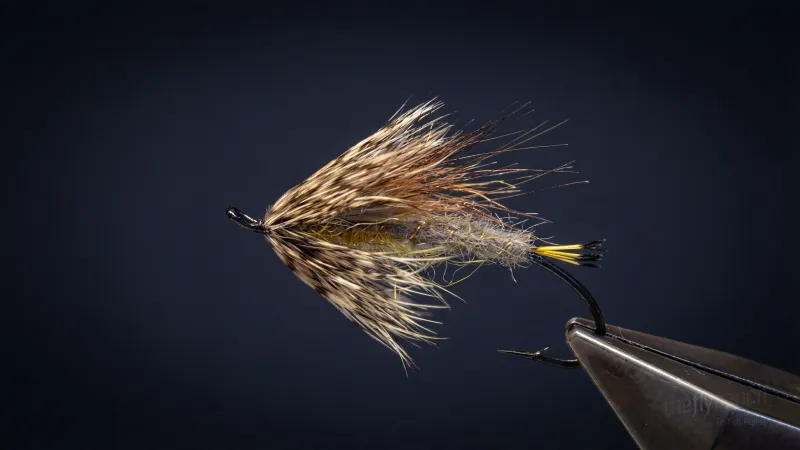
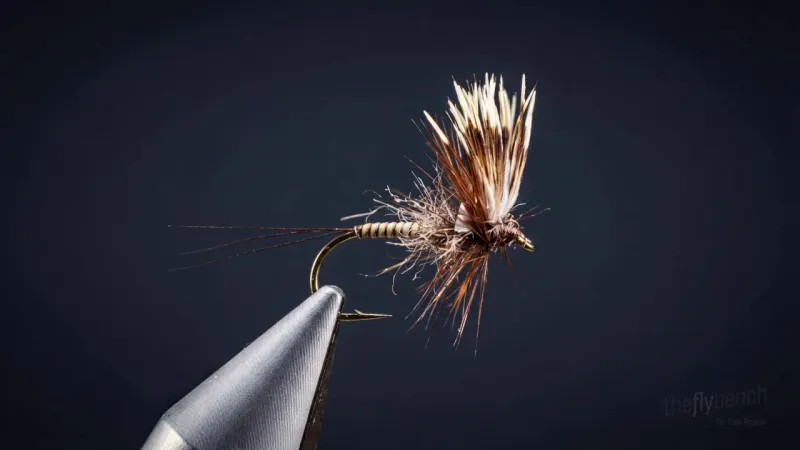
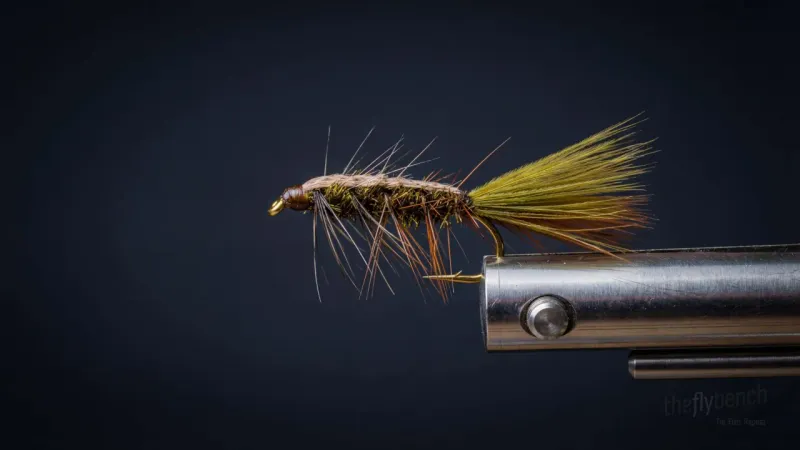
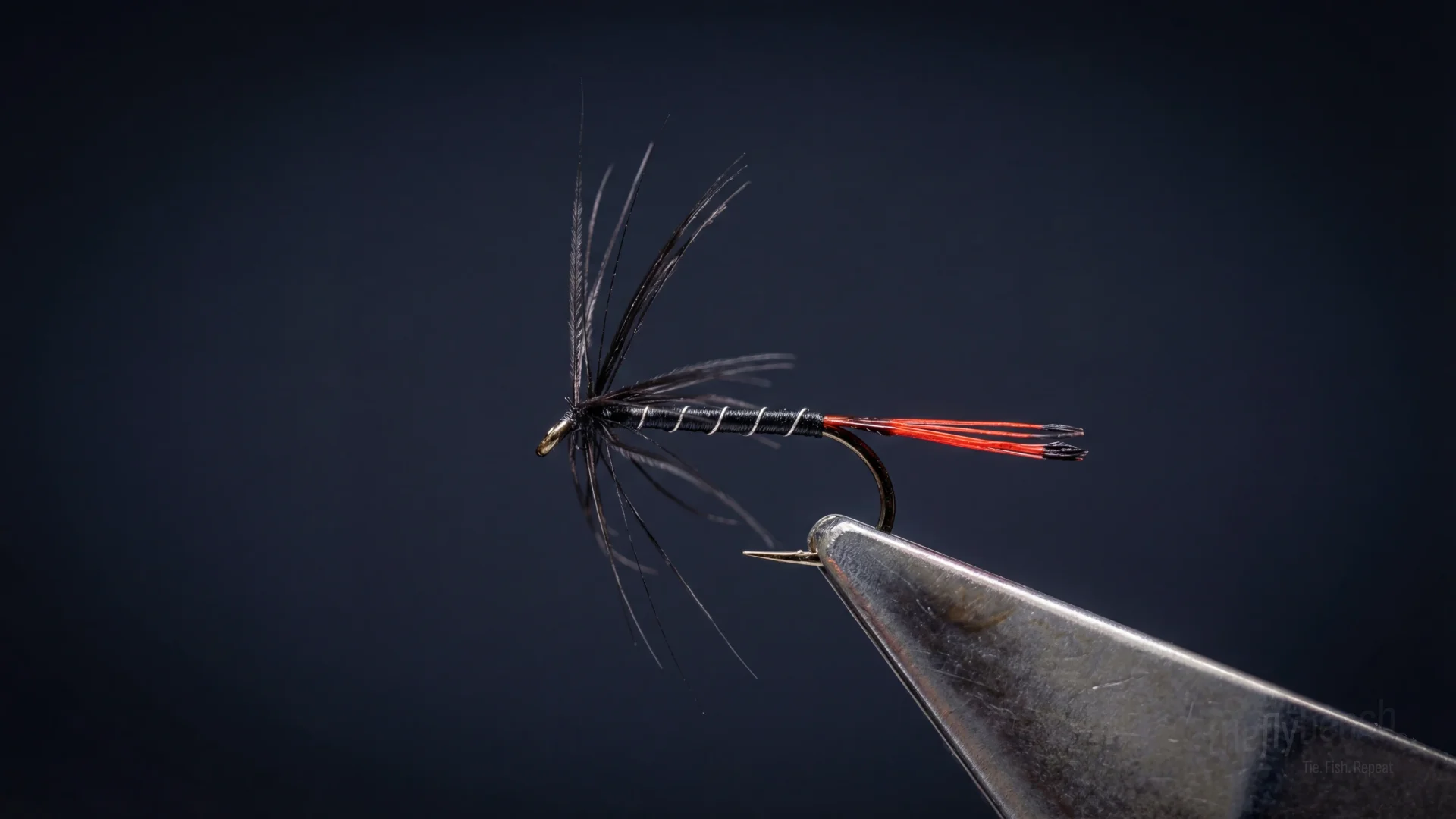
Though Gianluca Nocentini ties this version, the Black Pennell dates to the 1800s and remains a classic Scottish pattern. The sparse black hackle and silver tinsel body create a simple yet effective design that works both as a wet fly and dry fly. The minimal materials allow it to sink naturally or float depending on presentation, making it versatile for searching water when no specific hatch is present.
Where to Buy This Fly
We only link to fly shops we trust. Some links are referral links, which may earn us a commission at no extra cost to you.
Materials
- Hook:
- Kamasan B 175 # 12 - 16
- Thread:
- Black 10.0
- Tail:
- Gold pheasant tips
- Ribbing:
- Fine silver wire
- Body:
- Black polycryolin
- Hackle:
- Black hen hackle
Behavior & Presentation
Natural Behavior: Waterlogged caddis drift helplessly after extended egg-laying, wings absorbing moisture until flight becomes impossible. They become easy targets.
Where Trout Eat It: Fish sip drowned adults in eddies, foam lines, and slow pool sections where exhausted insects accumulate during post-hatch periods.
How to Fish It: Dead drift or slow swing in the film or just below. Figure-eight retrieves in lakes mimic drowning insect struggles.
Best Water: Work foam lines collecting drowned insects, eddies with slow circulation, seams, and tail-outs.
Strike Type: Watch for subtle sips or gentle takes as fish intercept helpless drowned adults.
Fishing Strategy
Rigging Suggestions: Use a 9-12 foot leader tapering to 5X tippet for delicate presentations. Apply floatant to the body and hackle.
Seasonal Timing: Most effective during peak feeding periods at dawn and dusk. Water temperatures between 45-65°F typically produce best results.
Pro Tips: The palmered hackle creates movement and lifelike action in water. When fish refuse standard patterns, the Black Pennell's simple silhouette often produces.
Entomology
Adult caddisflies become waterlogged when caught in surface currents after extended egg-laying activity, drifting helplessly as their wings absorb moisture and fail to lift them free. Trout recognize these drowned adults as easy pickings that require no pursuit, making them low-energy, high-reward targets during post-hatch periods.
- Order
- Trichoptera
- Common Name
- Caddisfly
- Organism Type
- insect
- Life Stage
- adult