Dry FliesUsk Naylor
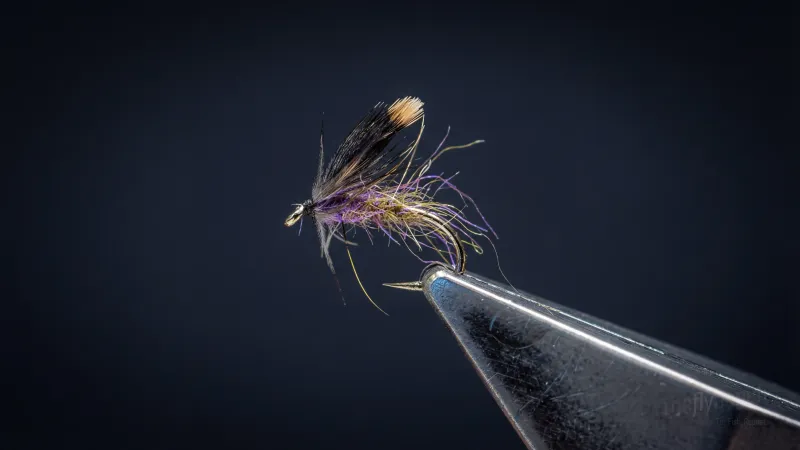
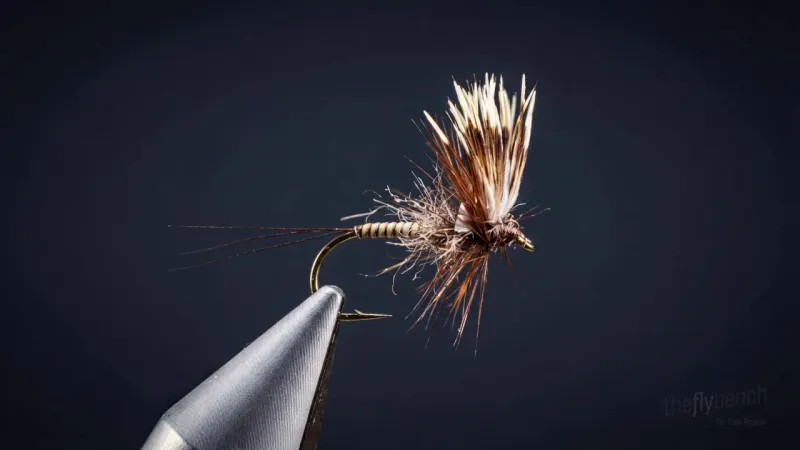
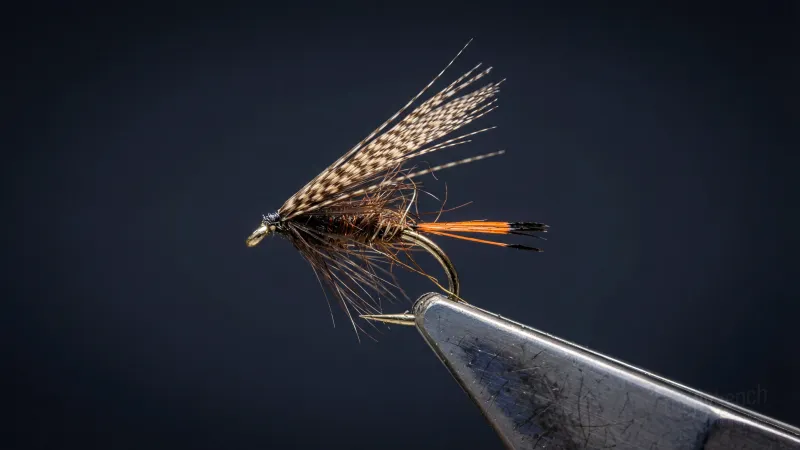
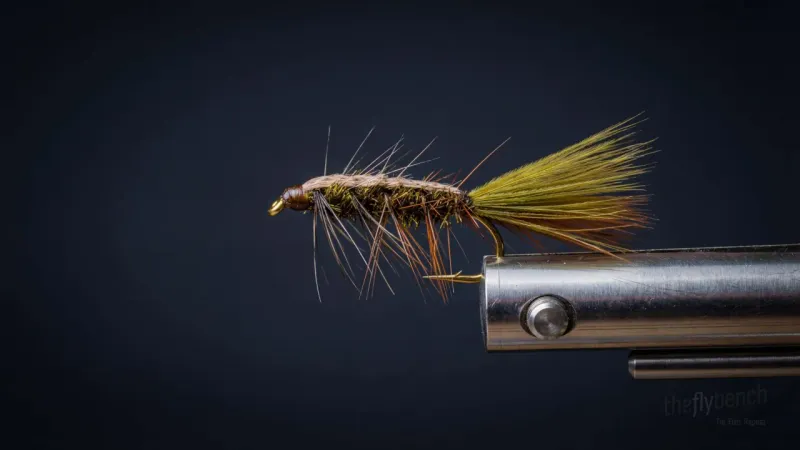
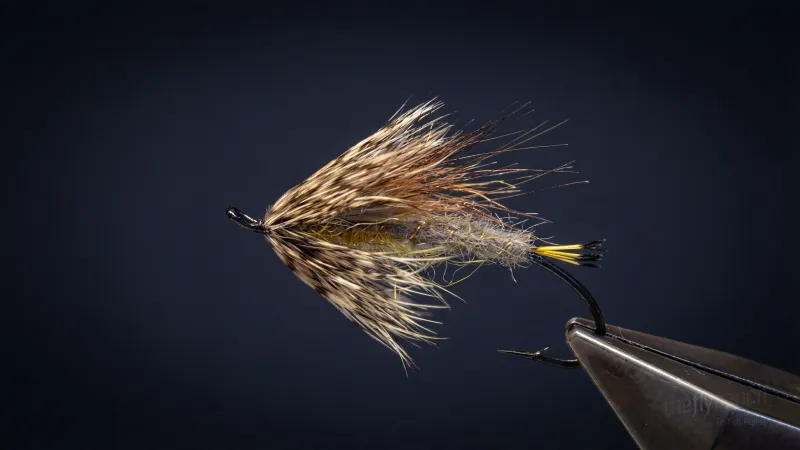
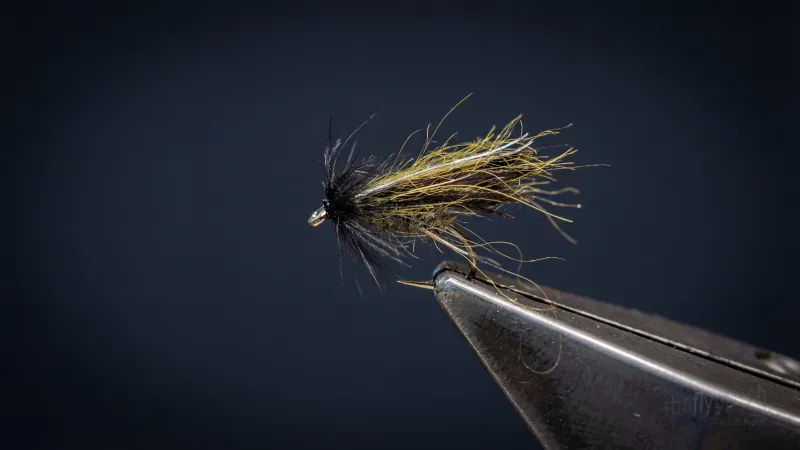
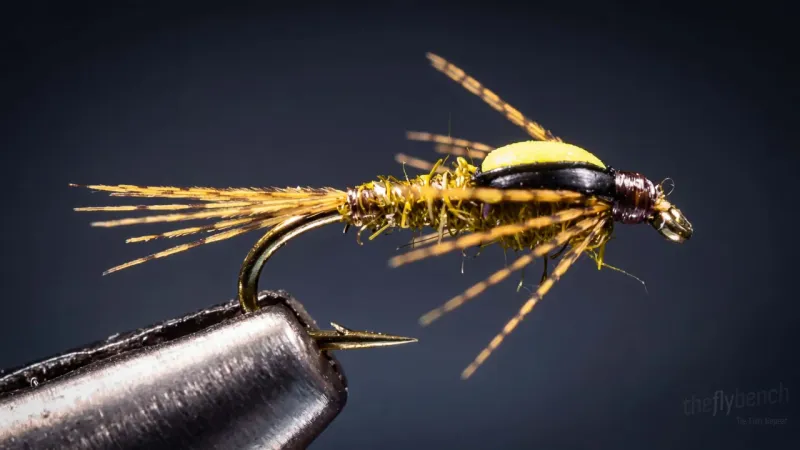
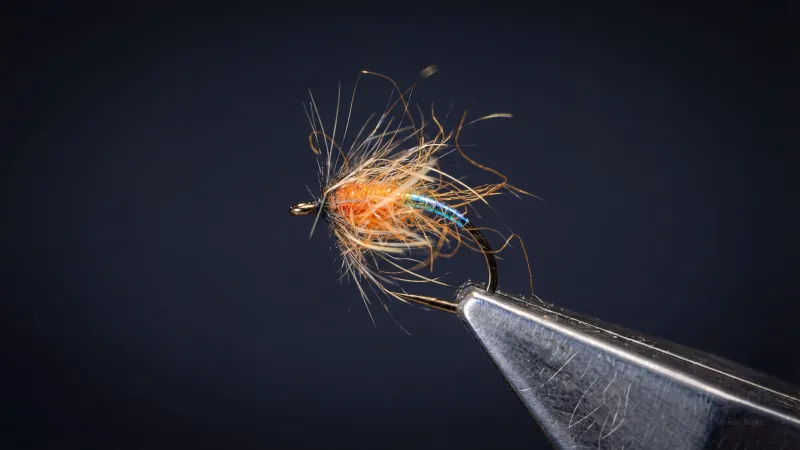
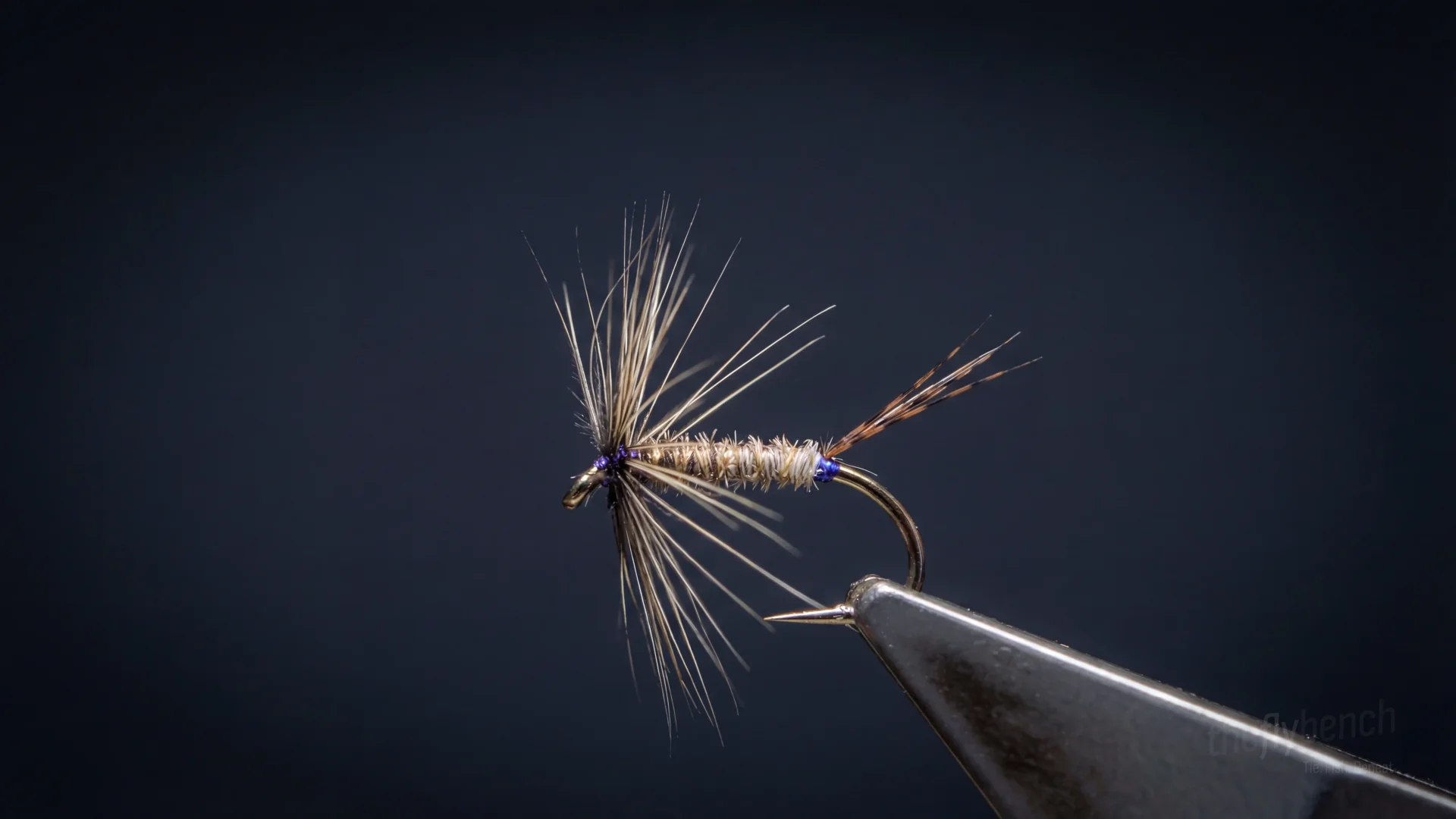
The Usk Naylor is a dry fly pattern designed by Charles "Chip" Drozenski. This effective pattern works well in a variety of water conditions and is tied with traditional materials for a proven presentation.
Spring, Summer, Fall
Intermediate
Trout
Feb 2026
Overview
Charles "Chip" Drozenski developed this pattern for the technical waters of eastern rivers. The design features a parachute post and carefully balanced hackle that creates a stable, realistic footprint. The neutral coloration and proper proportions make it effective when fish are selective to naturals. The pattern's versatility across different mayfly and caddis species makes it a reliable choice during mixed hatches or when matching multiple insects.
Where to Buy This Fly
We only link to fly shops we trust. Some links are referral links, which may earn us a commission at no extra cost to you.
Materials
- Hook:
- Kamasan B175 #12-14
- Thread:
- Pearsall's Gossamer #8 (purple)
- Hackle:
- Andalusian Blue hen (or dark dun)
- Tail:
- Bronze mallard barbs
- Tag:
- Tying silk
- Rib:
- Wire, fine gold
- Body:
- Bronze mallard barbs
Behavior & Presentation
Natural Behavior: Spent mayflies and caddis adults lie exhausted in the surface film after mating flights, their wings spread flat and bodies flush against the water. Trout feed confidently on these defenseless spent insects, recognizing their complete vulnerability and inability to escape from the surface.
Where Trout Eat It: Floating in the surface film on moderate currents, with trout rising steadily in tail-outs and runs where spent adults accumulate after evening mating flights and spinner falls.
How to Fish It: Upstream dead drift with perfect drag-free presentation, allowing the natural materials to position correctly in the film like spent adults trout target during spinner falls and post-mating caddis activity.
Best Water: Tail-outs collecting spent insects from upstream activity, flats below riffles, and foam lines concentrating exhausted adults after evening mating flights and spinner falls.
Strike Type: Confident rhythmic rises as trout methodically sip spent adults from the film with minimal effort during predictable spinner fall feeding periods.
Fishing Strategy
Rigging Suggestions: Fish on 9-12 foot leader with 4X-5X tippet. Can be used as the lead fly in a dry-dropper rig.
Seasonal Timing: Most effective during , , and hatches. Fish this pattern when conditions match the natural prey it imitates.
Pro Tips: Floats well with proper floatant application. The natural materials provide good visibility without spooking wary fish.
Entomology
During spinner falls, spent adult caddis return to the water after mating flights, lying flush in the surface film with wings outstretched. Fish rise confidently to these spent adults, knowing the insects are exhausted and completely defenseless after reproduction.
- Order
- Trichoptera
- Common Name
- Caddisfly
- Organism Type
- insect
- Life Stage
- adult