Midge / EmergersLil Bit
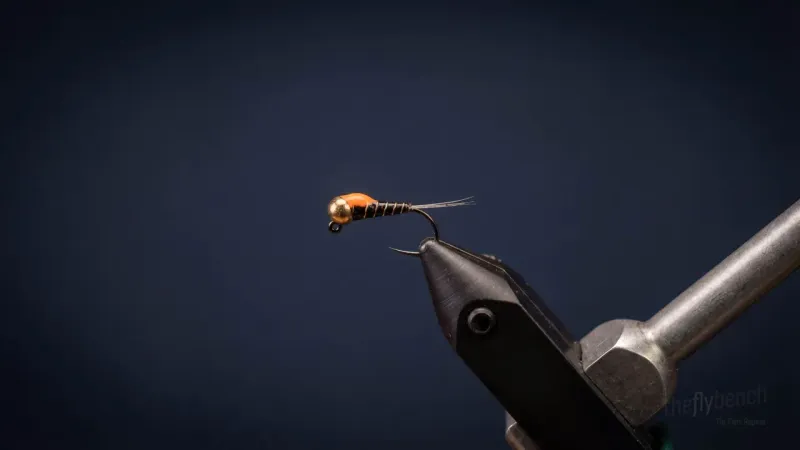
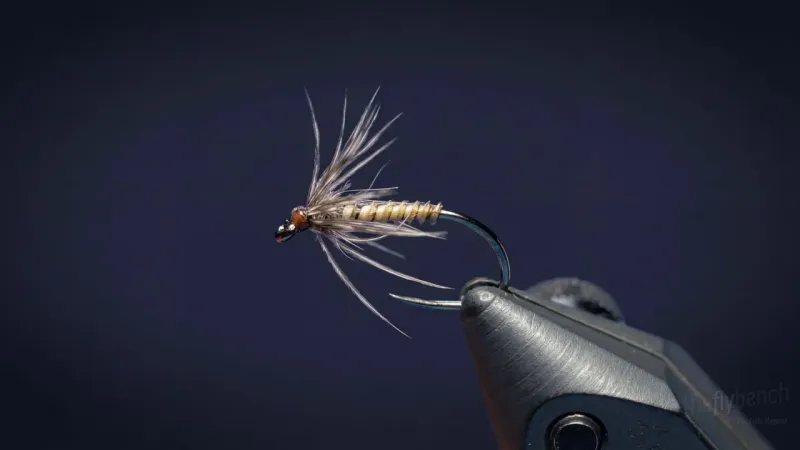
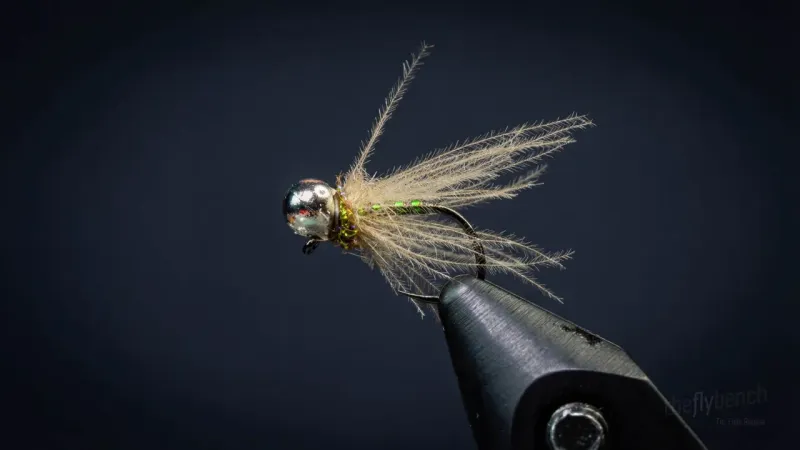
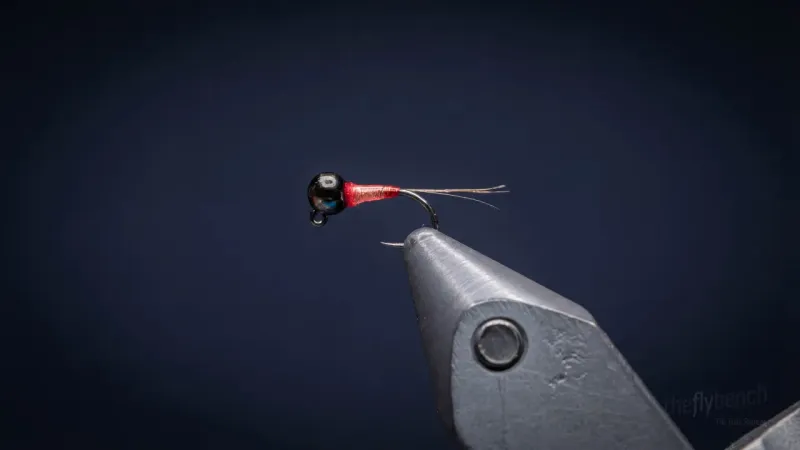
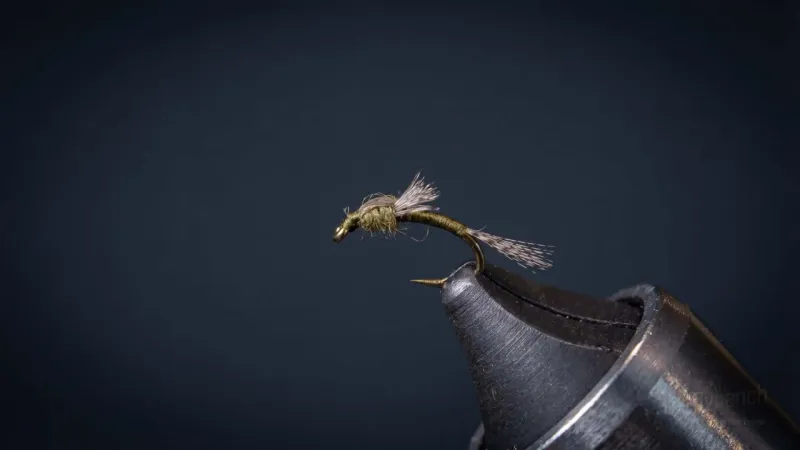
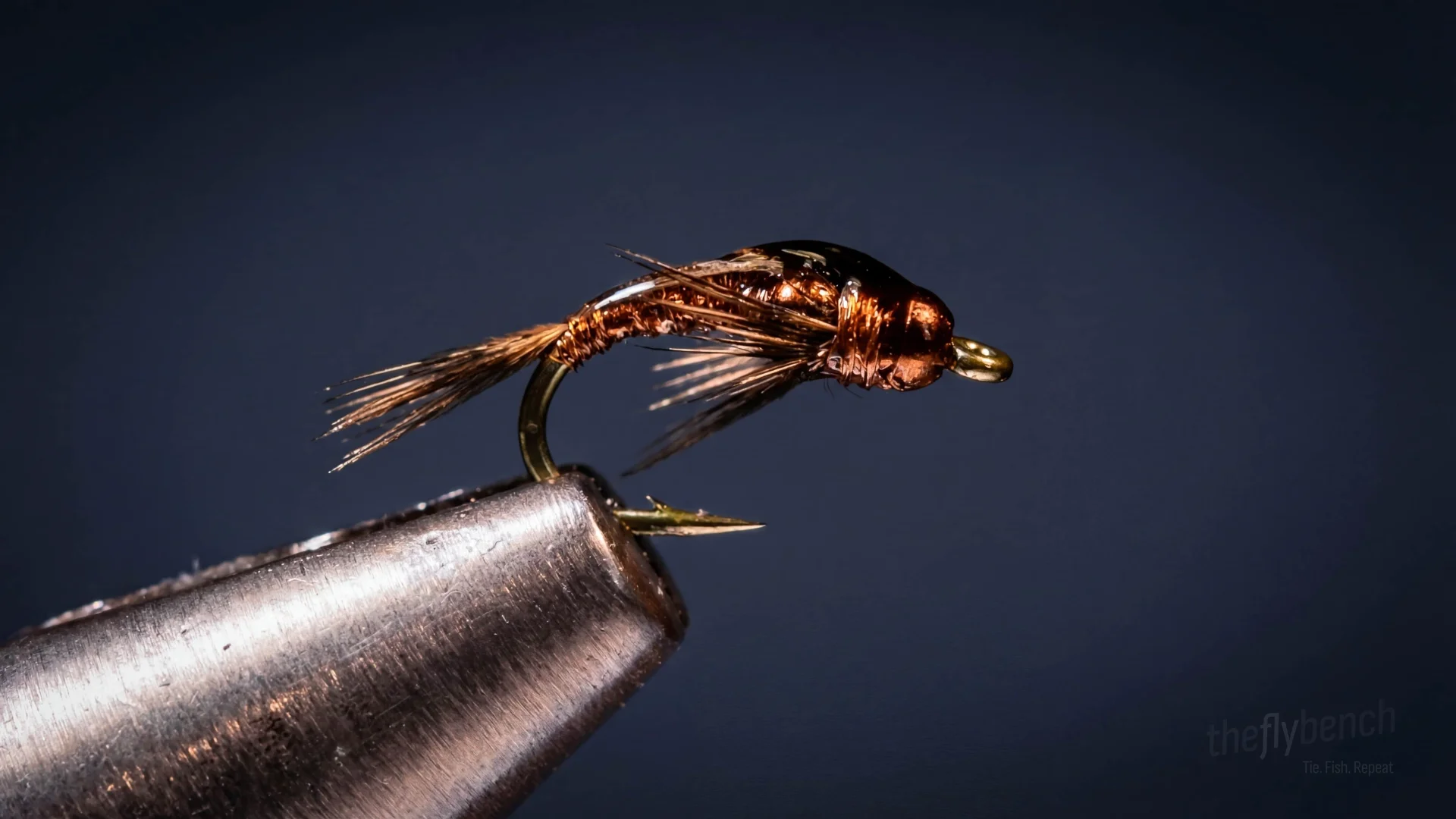
The Lil Bit is Charlie Craven's diminutive nymph pattern that packs big fish appeal into a tiny package. Featuring a sleek Veevus Body Quill body with UV resin casing and Coq De Leon hen saddle legs, this pattern creates a realistic mayfly nymph profile that fools selective trout in technical waters.
Year Round
Intermediate
Trout
Dec 2025
Overview
This Charlie Craven pattern from Charlie's Fly Box showcases the effectiveness of modern materials in creating small, durable nymphs. The Veevus Body Quill serves double duty as both thread and body material, creating a smooth segmented appearance. The UV resin casing adds durability and a subtle sheen that mimics the natural translucency of emerging mayfly nymphs. The Coq De Leon hen saddle provides natural-looking speckled fibers for both tail and legs.
Materials
Hook: Tiemco 2488, #18-22
Thread: Veevus Body Quill, brown
Bead: Tungsten, 1.5mm, brown
Tail: Coq De Leon Hen Saddle
Body: Veevus Body Quill, brown
Casing: Solarez UV Resin, medium
Legs: Coq De Leon Hen Saddle
Behavior & Presentation
Natural Behavior: Blue-winged olive nymphs inhabit the spaces between substrate particles, periodically releasing their grip to drift downstream in search of new habitat. Their frequent displacement and diminutive size make them a constant, reliable food source that trout feed on opportunistically throughout the day.
Where Trout Eat It: Designed for rivers, particularly the slower pools and runs where trout have time to inspect their food carefully. Excellent for tailwaters and spring creeks.
How to Fish It: Dead drift near the bottom on a long, light tippet. The small size and realistic profile excel when fish are being selective and refusing larger patterns. Drag-free drift matches natural nymph movement in the current.
Best Water: Focus on runs, pools where trout hold and actively feed.
Strike Type: Strike detection requires reading the indicator for hesitations or subtle dips as trout inhale the nymph near bottom. The take often feels like a gentle resistance rather than a sharp pull.
Fishing Strategy
Rigging Suggestions: Fish on 5X-7X fluorocarbon tippet as a dropper below a larger nymph or beneath a small dry fly. The tiny tungsten bead helps get the pattern into the feeding lane without adding excessive weight.
Seasonal Timing: Year-round effectiveness, particularly effective during BWO hatches and when fish are keyed in on small mayfly nymphs.
Pro Tips: The brown coloration and slim profile create a natural silhouette. The UV resin casing catches light subtly, adding attraction without appearing unnatural.
Entomology
Blue-winged olive nymphs inhabit the spaces between substrate particles, periodically releasing their grip to drift downstream in search of new habitat. Their frequent displacement and diminutive size make them a constant, reliable food source that trout feed on opportunistically throughout the day.
- Order
- Ephemeroptera
- Family
- Baetidae
- Common Name
- Blue-Winged Olive
- Organism Type
- insect
- Life Stage
- nymph