Midge / EmergersBead Head Barr Emerger
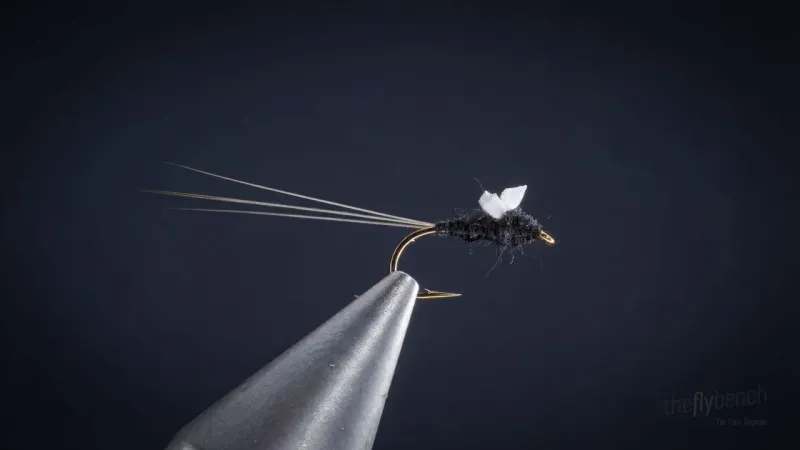
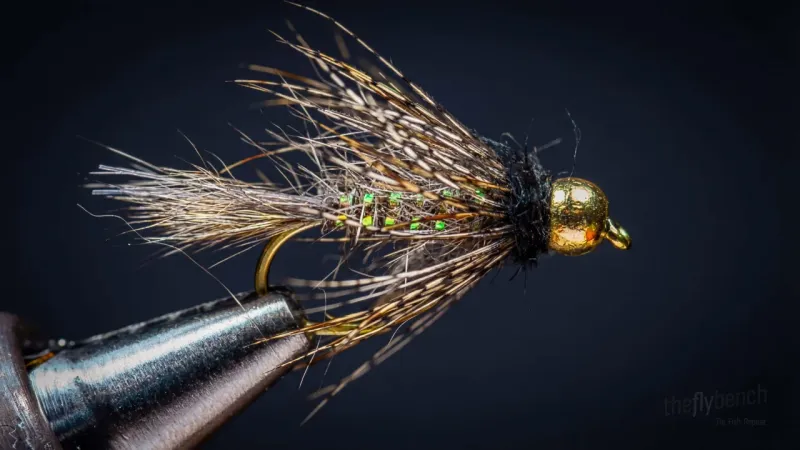
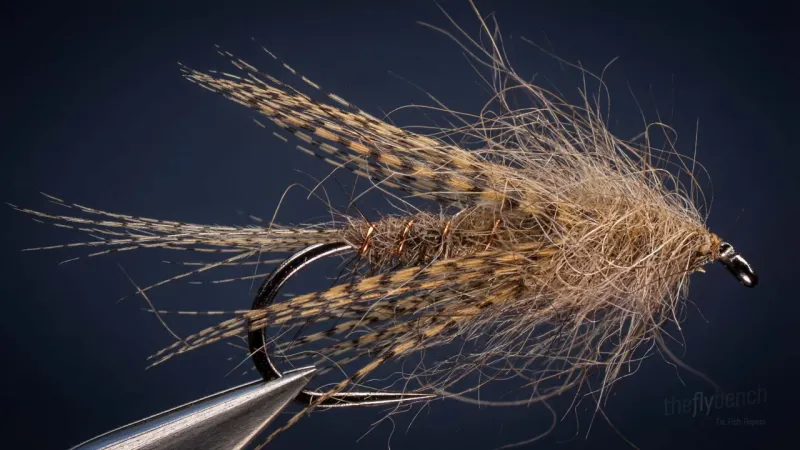
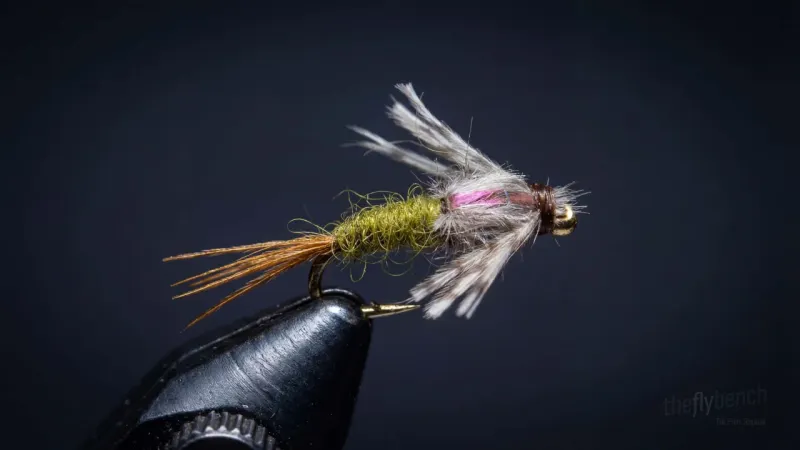
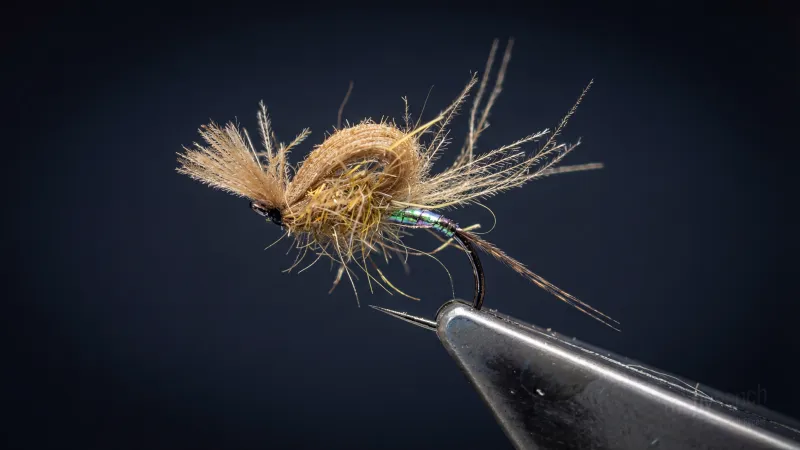
A classic transitional mayfly emerger designed by John Barr, featuring a slim profile, trailing shuck, and subtle flash. The addition of a beadhead helps it get into the strike zone faster, making it ideal for fishing just below the surface during hatches.
Spring, Summer
Intermediate
Trout
Apr 2025
Overview
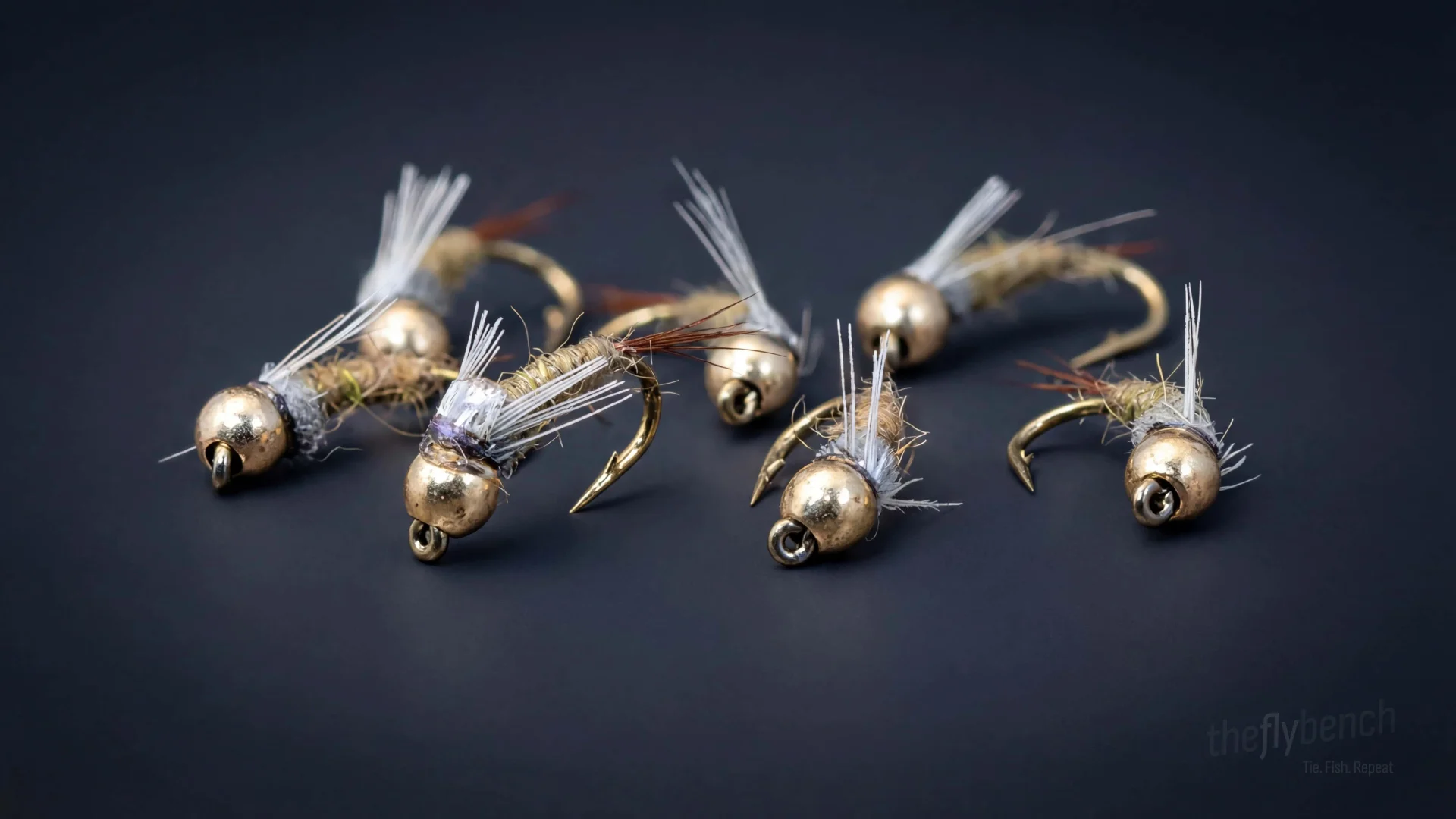
The Bead Head Barr Emerger is a popular variation of the original Barr Emerger, designed to sink faster and get into the strike zone quickly. While traditionally tied to imitate Blue-Winged Olive mayflies, it's also tied in a range of colors and sizes to match different hatches, with some tiers adding flashback wingcases or sparse CDC for added movement and visibility during emergence.
Where to Buy This Fly
We only link to fly shops we trust. Some links are referral links, which may earn us a commission at no extra cost to you.
Materials
- Hook:
- TMC 2487, sizes #16-#22
- Thread:
- 8/0 UNI-Thread Waxed Midge - Iron Gray
- Bead :
- Tungsten, Copper/Silver/Gold 3/32 (2.3mm)
- Tail:
- Strung Chinese Saddle Hackle - Fiery Brown
- Abdomen Mix:
- Super Fine Dry Fly Dubbing - Brown Olive
- Abdomen #1:
- Super Fine Dry Fly Dubbing - Brown
- Abdomen #2:
- Super Fine Dry Fly Dubbing - Olive
- Wing Case/Legs:
- Strung Chinese Saddle Hackle - Gray
- Thorax:
- Super Fine Dry Fly Dubbing - Adam's Gray
- Wing Case Coating:
- Loon Fluorescing UV Clear Fly Finish
Behavior & Presentation
Natural Behavior: Mayfly emergers suspend in the film during their vulnerable molt from nymph to dun. Wing cases split while bodies remain partially encased, creating extended vulnerability windows in concentrated hatch zones.
Where Trout Eat It: Trout sip this hanging in the surface film during Blue-Winged Olive hatches on technical spring creeks and tailwaters. Fish focus on the suspended emerger profile in tail-outs and soft seams where mayflies struggle to break through surface tension at Nelson's Spring Creek and Fryingpan River.
How to Fish It: Fish just below the surface 12-18 inches behind a dry fly in a dry-dropper setup with 5X-6X tippet. The copper bead provides subtle flash and positions the fly in the film without sinking it to the bottom—grease your leader to within 6 inches of the fly.
Best Water: Most productive in tail-outs, back eddies, and soft seams of spring creeks like Nelson's Spring Creek and tailwaters like the Fryingpan. Target foam lines and slicks in slow runs where emergers collect during BWO hatches in Rocky Mountain waters.
Strike Type: Detect takes through slight indicator dips or leader hesitation during the subsurface hang.
Fishing Strategy
Rigging Suggestions: Fish just below the surface, often 12-18 inches behind a dry fly in a dry-dropper setup. Use 10-12 foot leaders tapered to 5X or 6X tippet.
Seasonal Timing: Most productive from April through August during peak mayfly emergence periods when water temperatures reach 52-65°F. Target this pattern during peak hatch times when trout are keyed on emerging insects rather than fully hatched adults.
Pro Tips: The copper bead provides subtle flash and just enough weight to position the fly in the film without sinking it to the bottom. The slim profile and natural materials make this pattern ideal for highly selective fish during technical hatches.
Entomology
Emerging insects transition from nymphal forms to adults in the surface film or just beneath it, struggling to shed their shucks in a highly vulnerable position. This transition involves erratic movements, gas bubble accumulation, and extended time suspended in the current. Trout recognize this vulnerable stage and often focus exclusively on emergers during hatches, refusing fully emerged adults or submerged nymphs in favor of this easy, protein-rich meal.
- Organism Type
- insect
- Life Stage
- general