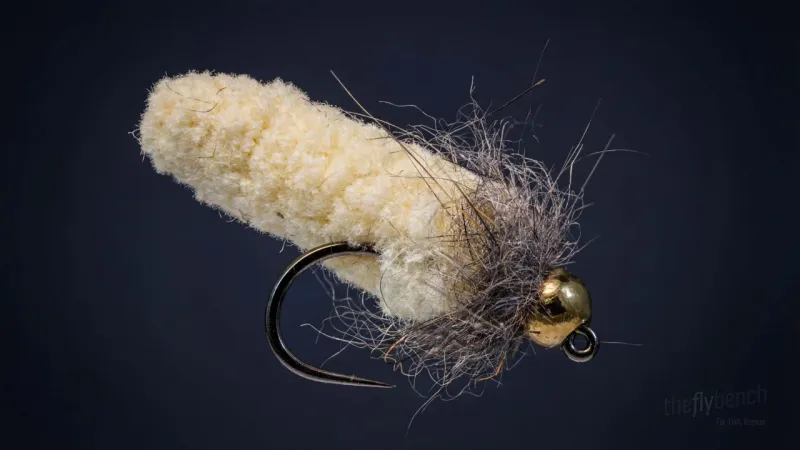
Scud / ShrimpAmorous Gammarus
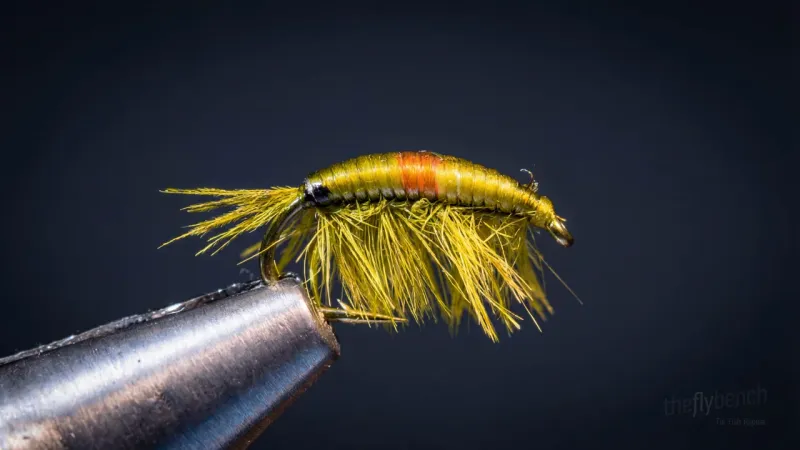
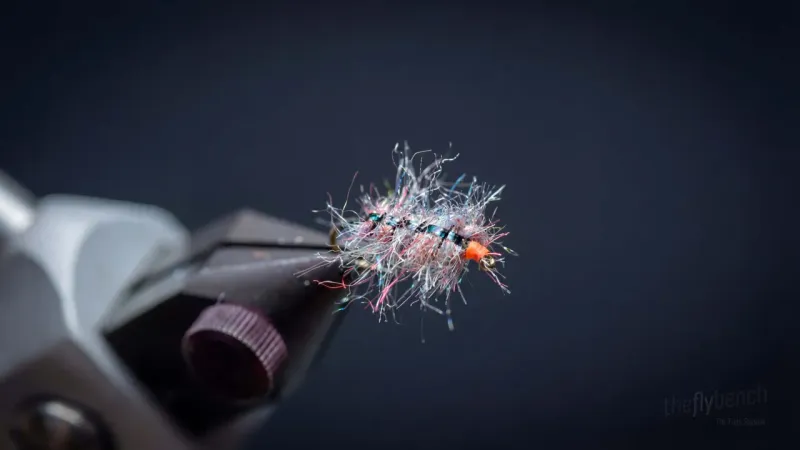
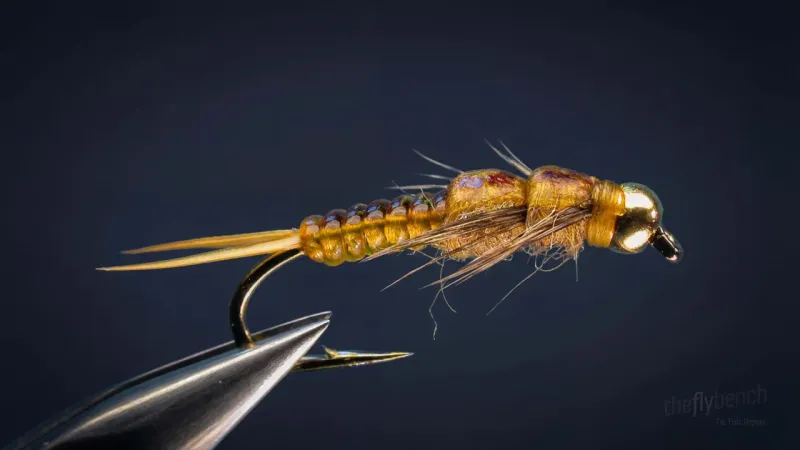
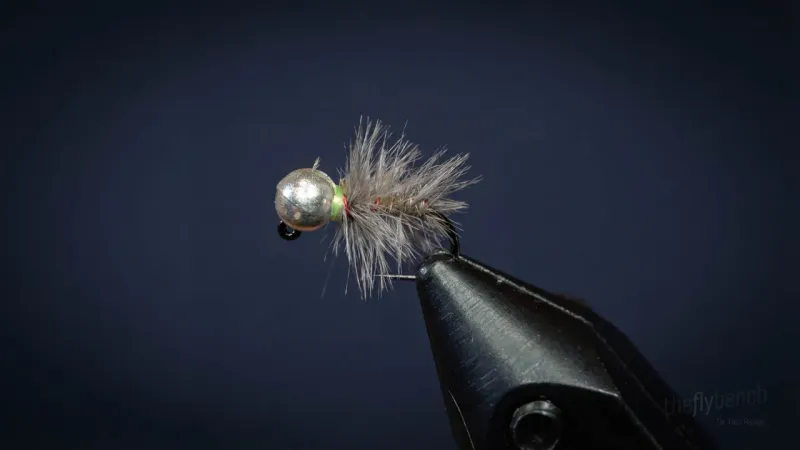
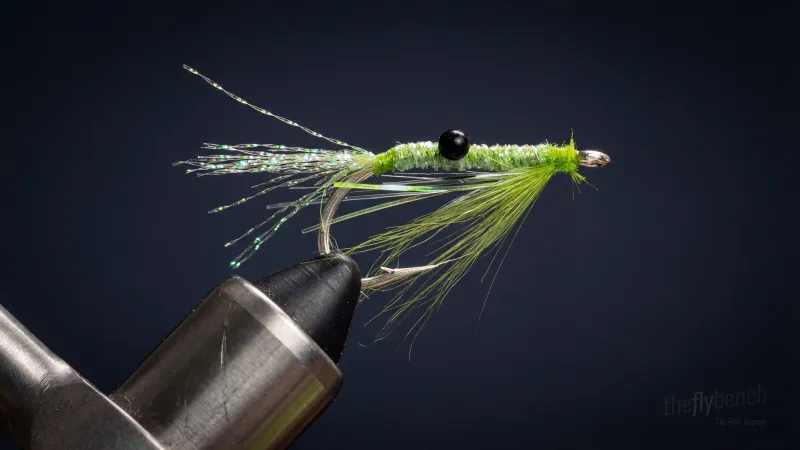
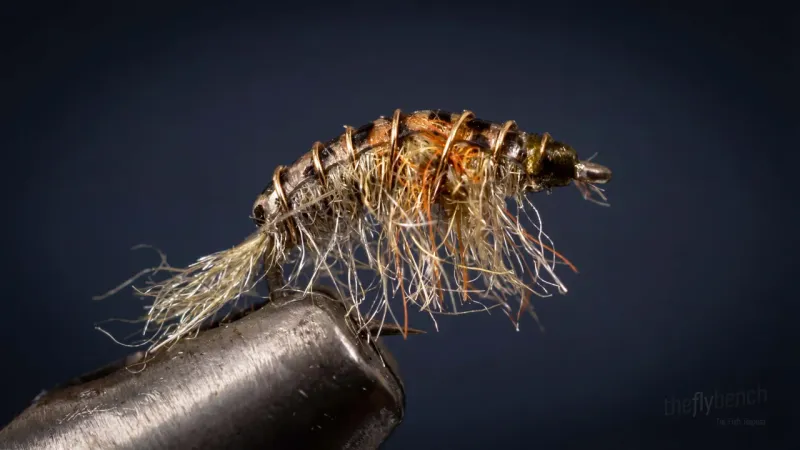
A small freshwater shrimp imitation designed by Barry Ord Clarke that effectively imitates Gammarus species found in rivers and lakes. The pattern features a distinctive pink dubbing blend with a translucent body stretch shell back that creates a realistic crustacean appearance. Available in both pink and grey-brown color variations, this pattern has proven highly effective for selective trout feeding on shrimp.
Year Round
Intermediate
Trout
Nov 2025
Overview
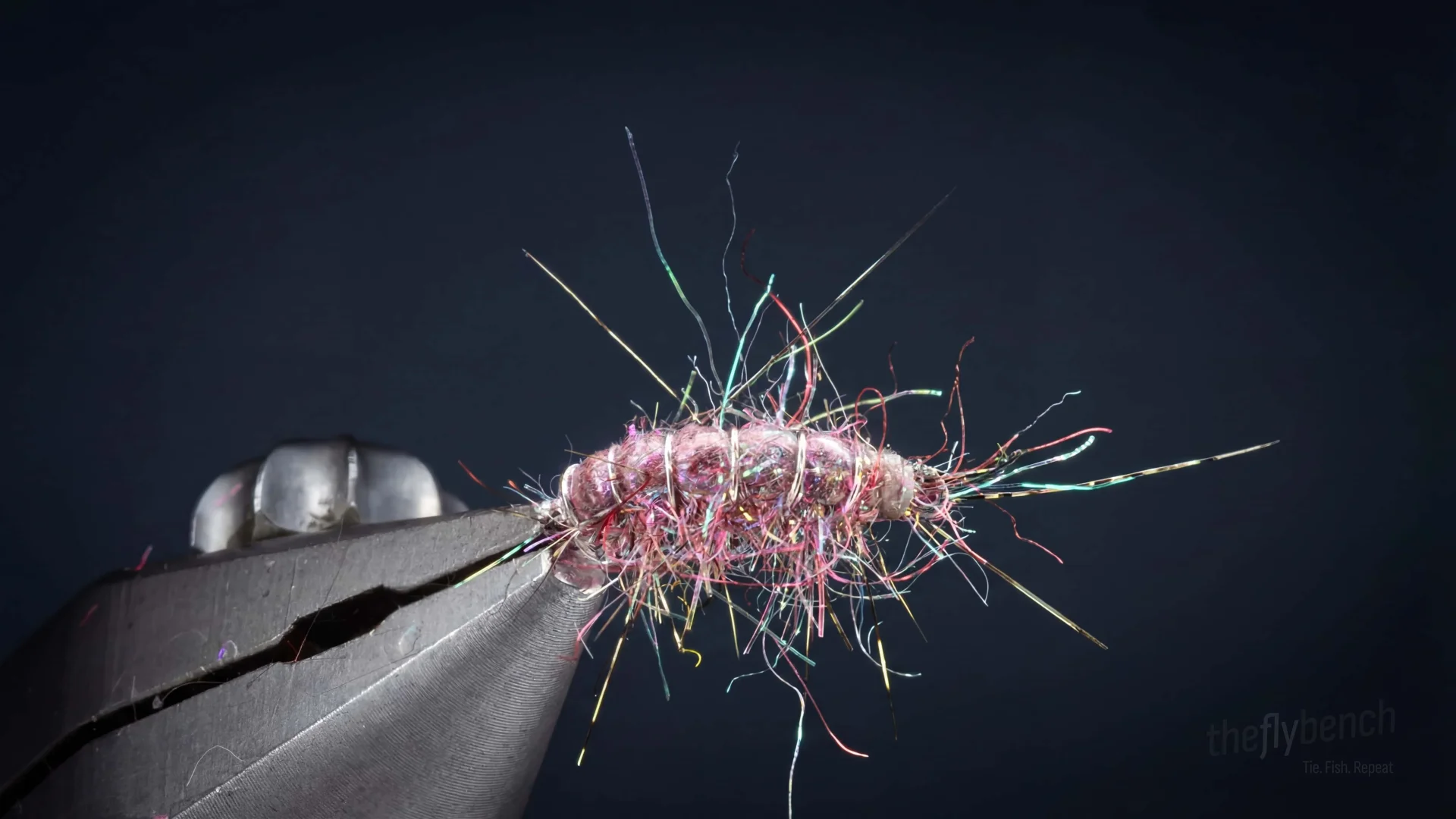
Designed by renowned fly tyer Barry Ord Clarke, this pattern uses a custom dubbing blend that can be made in a coffee grinder combining pink and pearl Ice dubbing, squirrel fur, Antron, and waste Coq de Leon fibers left over from tying hackled flies. The grey-brown color variation is equally effective and may be preferred in certain water conditions. The translucent body stretch material creates excellent segmentation and lifelike translucency when wet.
Materials
Hook: Mustad Heritage C49SX, #10–#18
Thread: Sheer 14/0, grey
Weight: Lead-free wire
Rib: Fine silver wire
Dubbing: Custom pink blend (pink and pearl Ice dubbing, squirrel, Antron, and Coq de Leon waste fibers)
Shell Back: Pink body stretch
Behavior & Presentation
Natural Behavior: During mating periods, Gammarus shrimp swim openly in paired clusters rather than hiding, exposing themselves while they reproduce. These crustaceans dart in short bursts with side-to-side tumbling motion, pausing frequently near vegetation.
Where Trout Eat It: Fish cruise weed edges, drop-offs, and shoals from mid-depths to bottom where shrimp populations cluster. Vegetation transitions and rocky substrate hold concentrations.
How to Fish It: Dead drift along bottom or use slow retrieves with short strips near weed beds. In lakes, employ figure-eight retrieves with pauses.
Best Water: Work weed edges, drop-offs, and shoals where crustaceans concentrate. Rocky shelves and vegetation transitions produce consistent takes.
Strike Type: Soft, gentle takes appear as slight line draws or indicator pauses requiring immediate response.
Fishing Strategy
Rigging Suggestions: Use a 9-12 foot leader with 4X-5X tippet for general fishing. In lake, fish under an indicator 3-5 feet deep or use a floating line with long leader. Can be fished as a dropper below a dry fly or larger nymph.
Seasonal Timing: . Freshwater shrimp are available to trout throughout the year, making this pattern effective in all seasons.
Pro Tips: Sinks slowly to moderately depending on wire weight used. The pink coloration provides excellent visibility to both fish and angler in most water conditions.
Entomology
Gammarus shrimp become especially active during mating periods, swimming openly in paired clusters rather than hiding in vegetation, making them conspicuous to feeding fish. This breeding behavior creates vulnerable moments when the normally secretive crustaceans expose themselves, offering trout concentrated protein during these seasonal feeding opportunities.
- Organism Type
- crustacean
- Life Stage
- general