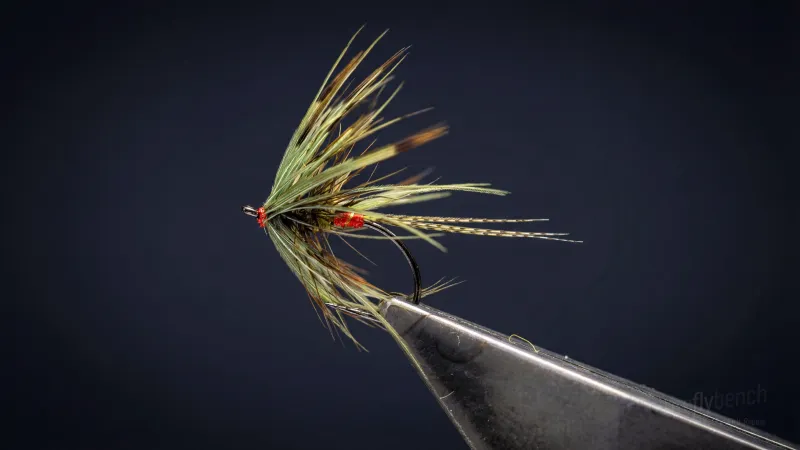
Dry FliesHenryville Special
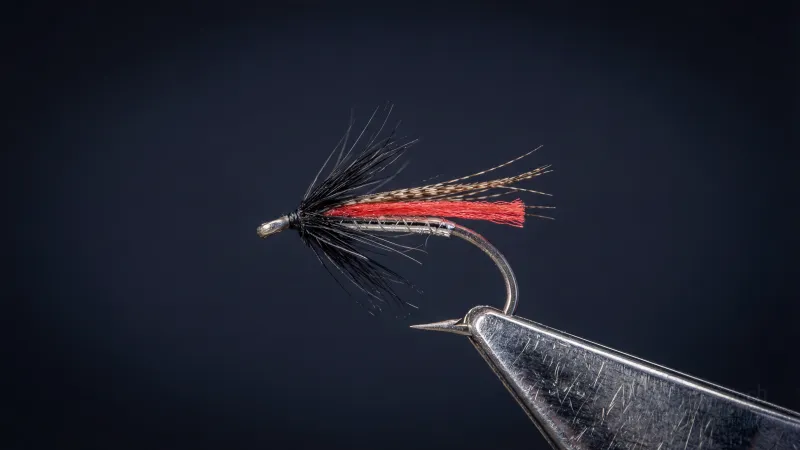
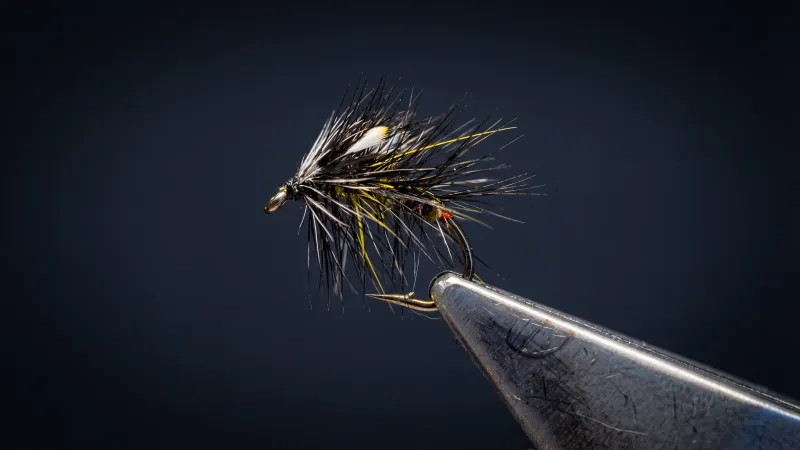
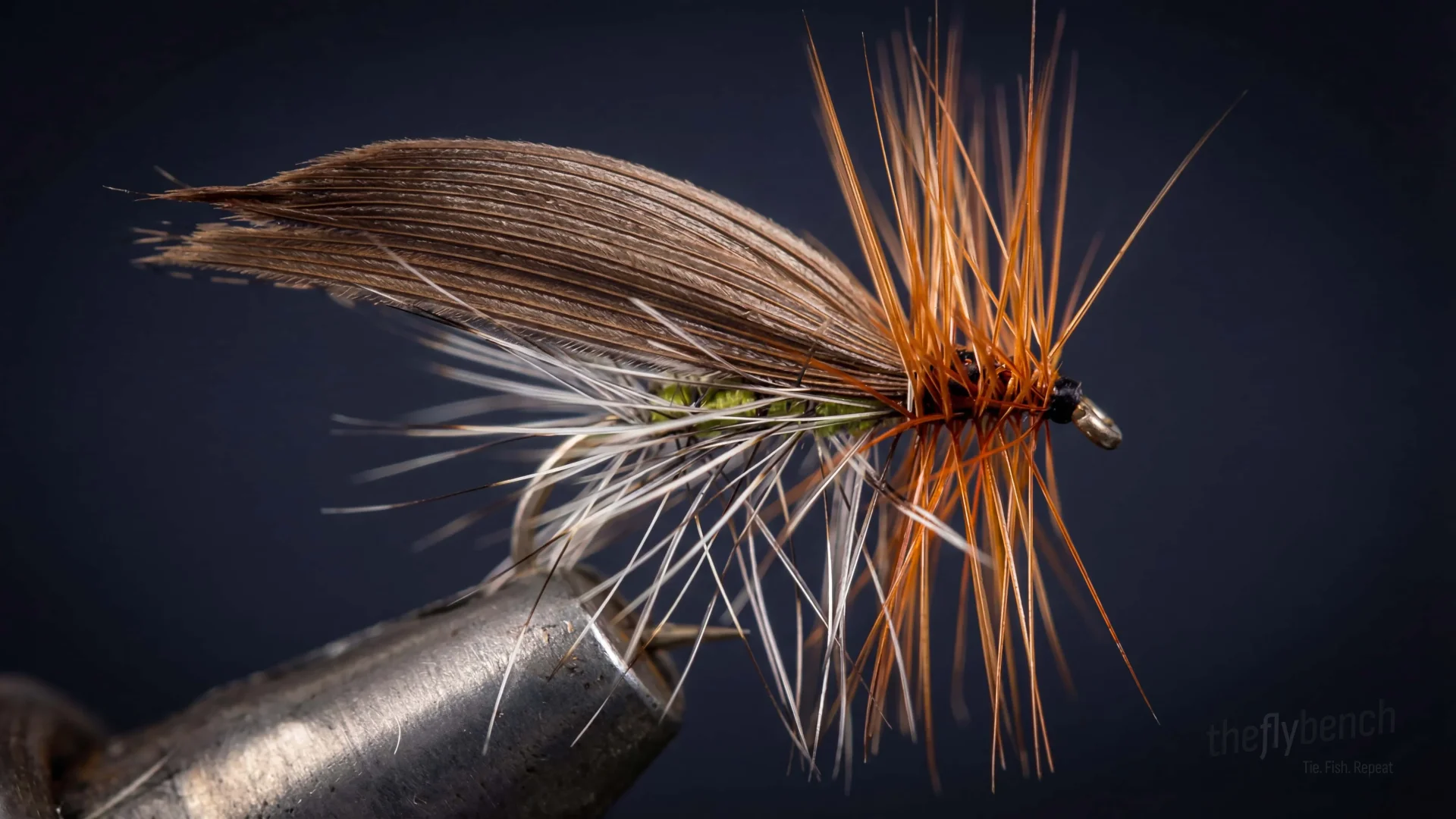
The Henryville Special is a classic caddis imitation created in the 1930s by Hiram Brobst for use on the Henryville section of Broadhead Creek in the Pocono Mountains of eastern Pennsylvania. This versatile pattern combines a palmered grizzly hackle abdomen with tent-style mallard wings and a wood duck underwing, creating a realistic caddis silhouette that has fooled trout for nearly a century.
Spring, Summer, Fall
Intermediate
Trout
Dec 2025
Overview
Created by Hiram Brobst specifically for the limestone-influenced waters of Pennsylvania's Pocono Mountains, the Henryville Special remains one of the most effective caddis patterns ever designed. The grizzly hackle palmered over the abdomen is trimmed on top to allow the mallard wings to lay flat, creating the distinctive tent-wing silhouette of a natural caddis. While olive floss was traditionally used for the abdomen, modern tiers often prefer Superfine dubbing for its durability and easier application.
Materials
Hook: 1X-long dry-fly hook (Dai-Riki #300 or similar), #12–#16
Thread: Black, 6/0 or 70 denier
Abdomen Hackle: Grizzly, sized to hook or one size smaller
Abdomen: Olive Superfine dry-fly dubbing
Underwing: Wood duck flank feather fibers
Wing: Mallard primary feather slips, matched pair
Hackle: Brown or ginger
Behavior & Presentation
Natural Behavior: Caddisflies hop and flutter erratically during mating flights over riffles, frequently touching water as they lose altitude or attempt egg-laying approaches. The unpredictable surface contact combined with visible wing activity triggers reactionary strikes from trout who associate this chaotic behavior with accessible, distracted prey.
Where Trout Eat It: Trout target this pattern in Brodhead Creek riffles and Pocono Mountain limestone waters during caddis hatches. The palmered grizzly hackle and mallard wings create high-floating silhouette ideal for broken water and moderate currents where caddis egg-laying activity concentrates in Pennsylvania streams.
How to Fish It: Fish drag-free drift upstream, then pick up rod tip high and wiggle line to skate the caddis across surface as fly drifts past. The pattern is versatile: dead drift for traditional presentations, skitter it to imitate egg-laying caddis, or drag it under and swing it like wet fly.
Best Water: Work Pennsylvania limestone riffles, runs, and pocket water in Brodhead Creek and Henryville area streams. The dubbed body and palmered hackle excel in moderate to fast currents (1-3 feet deep) with broken surface. Target riffle edges, current seams, and pocket water.
Strike Type: Surface rings, confident boils, or aggressive strikes mark fish committing to the skittering profile.
Fishing Strategy
Rigging Suggestions: Fish on a 9-foot leader tapered to 4X or 5X tippet. For skating presentations, use a slightly shorter, stiffer leader.
Seasonal Timing: Effective throughout the caddis season . Particularly productive during the major caddis hatches of late spring and early summer when trout become keyed in on these insects.
Pro Tips: Apply floatant to the hackle but keep the wing dry for a natural silhouette.
Entomology
Caddisflies hop and flutter erratically during mating flights over riffles, frequently touching water as they lose altitude or attempt egg-laying approaches. The unpredictable surface contact combined with visible wing activity triggers reactionary strikes from trout who associate this chaotic behavior with accessible, distracted prey.
- Order
- Trichoptera
- Common Name
- Caddisfly
- Organism Type
- insect
- Life Stage
- adult