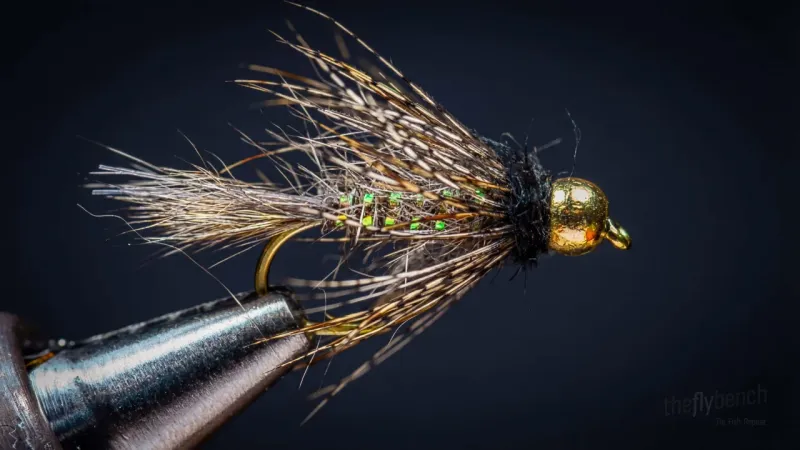
NymphAero-Baetis Nymph
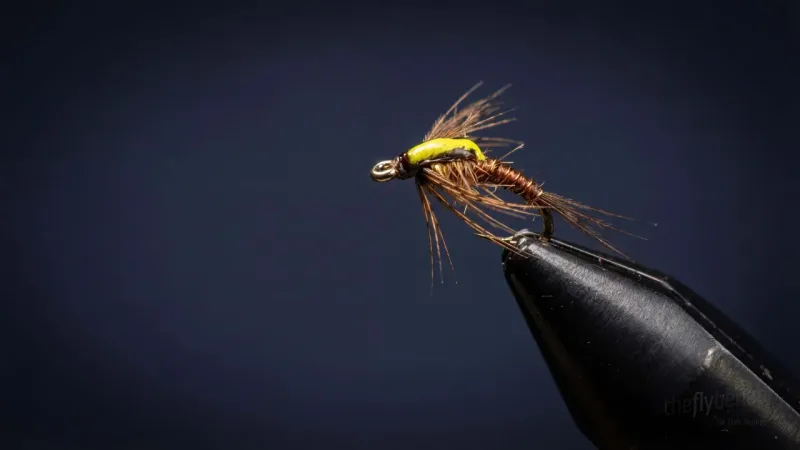
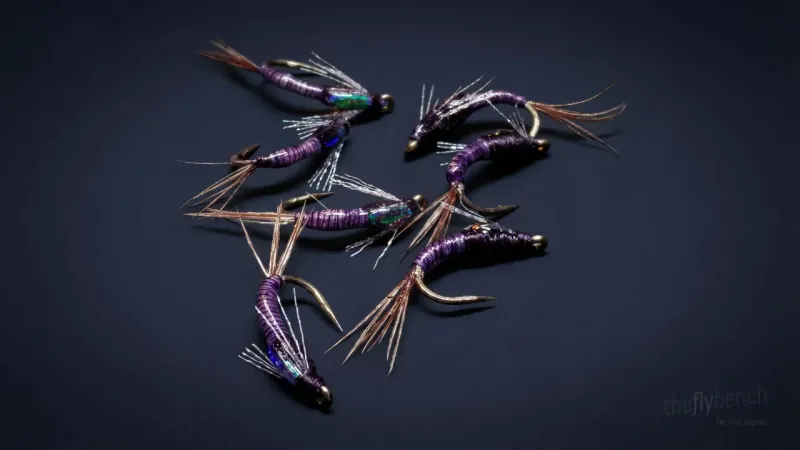
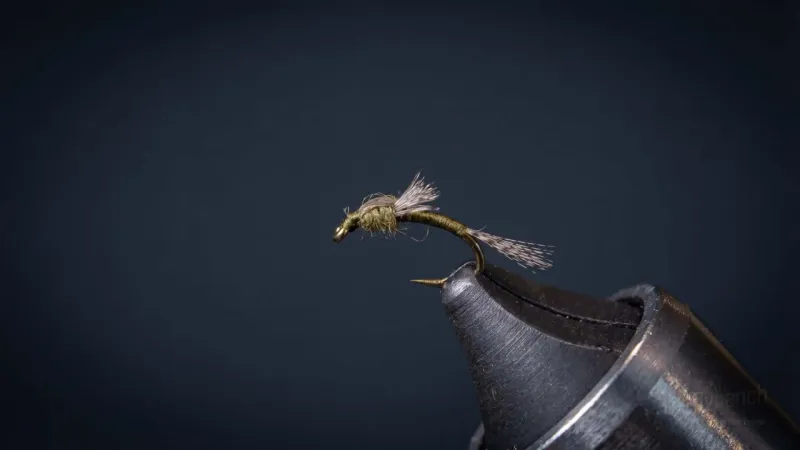
A sleek Baetis imitation featuring a tapered abdomen and minimal materials that sink quickly and drift naturally in complex currents. This pattern covers multiple Blue-Winged Olive species and works year-round in Western tailwaters, with its subtle olive tones and slender silhouette appealing to selective feeders.
Spring, Fall
Beginner
Trout
Apr 2025
Overview
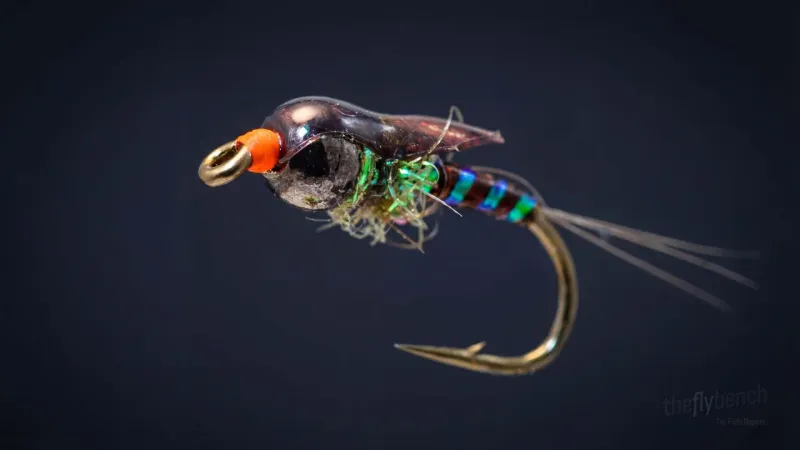
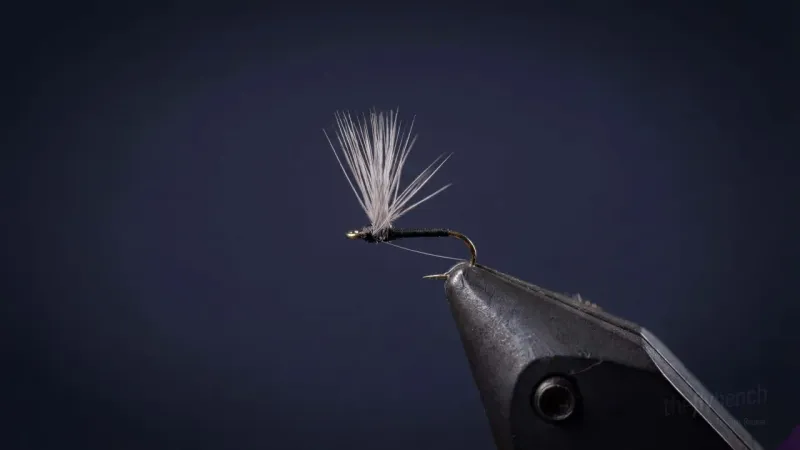
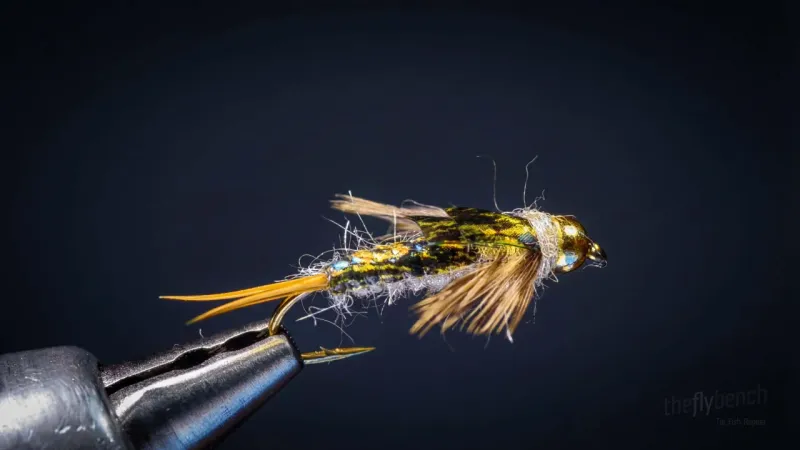
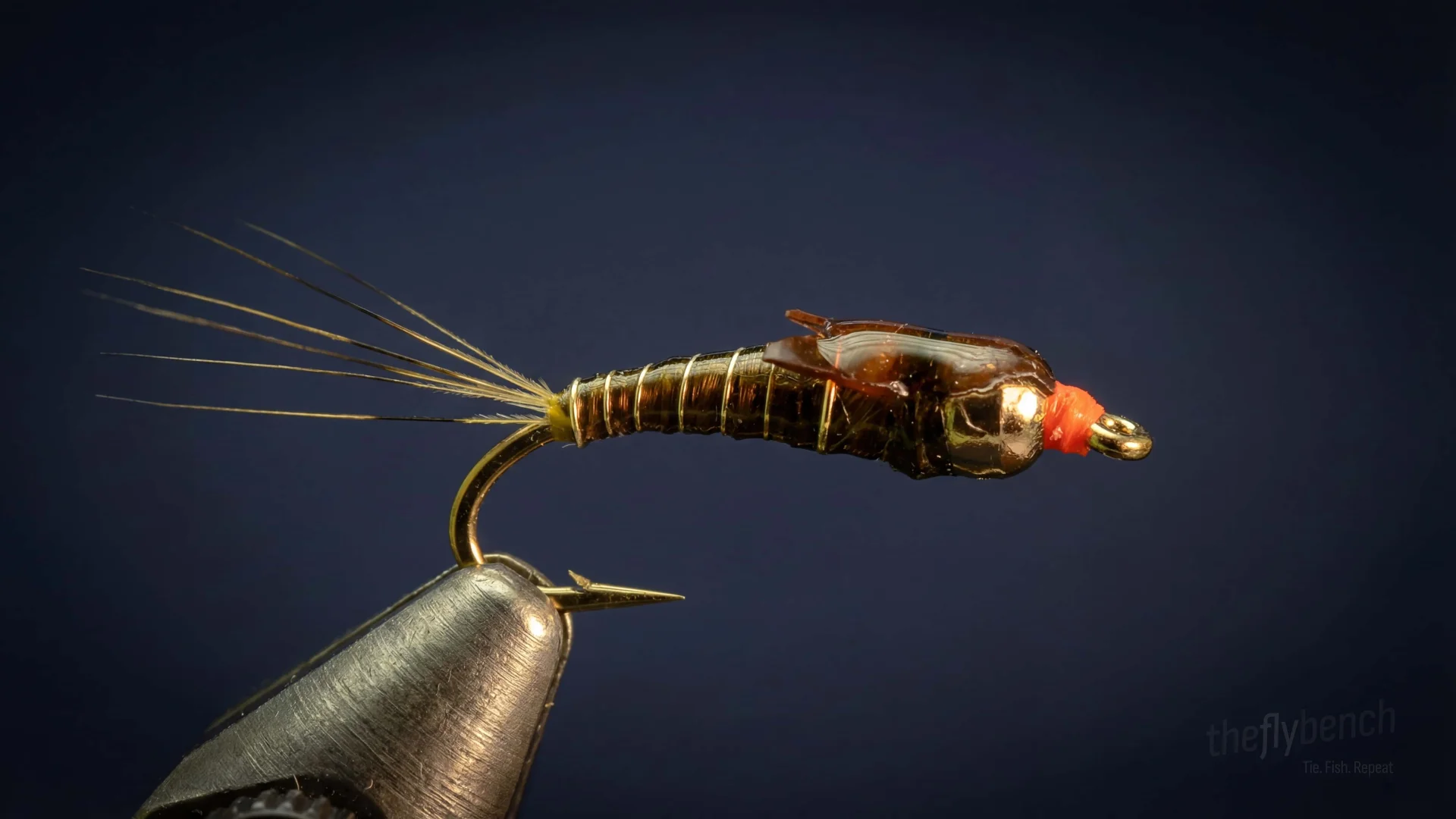
The Aero Baetis is a slender, fast-sinking Baetis-style nymph often tied on a barbless jig hook with a tungsten bead. It features a streamlined body made from natural or synthetic dubbing, fine wire ribbing for segmentation, and a hot spot or contrasting collar for added attraction. The tail is typically Coq de Leon, and the wingcase may be minimal or omitted entirely for a more tactical silhouette. It's a favorite in Euro nymphing due to its balance, quick descent, and realistic profile.
Where to Buy This Fly
We only link to fly shops we trust. Some links are referral links, which may earn us a commission at no extra cost to you.
Materials
- Hook:
- Daiichi 1550, #14-#18
- Thread:
- Danville 70 Denier, Olive
- Thread 2:
- Danville 70 Denier, Fl. Orange
- Bead:
- 2mm Tungsten (2.4 on #14), Black Nickel
- Tail:
- Coq De Leon Tailing Fibers, Med Dun
- Body:
- Veevus Holo Tinsel, Med, Brown
- Ribbing:
- Dyed Pearl Flashabou, Olive
- Thorax:
- Hare'e Ice Dub, Olive Brown
- Wing Case:
- Nymph Skin, Bronze/Tan - Clear
Behavior & Presentation
Natural Behavior: Baetis mayfly nymphs are sleek, streamlined swimmers that cling to aquatic vegetation and gravel edges, periodically releasing into behavioral drift with rapid, darting movements. Their slender bodies and active swimming gills create visible motion as they tumble mid-column, especially during morning and evening drift peaks when emergence urges intensify.
Where Trout Eat It: Trout intercept this streamlined pattern mid-column in consistent tailwater flows where Baetis nymphs drift during behavioral periods. The tungsten bead and slim profile reach 2-4 foot depths quickly in uniform currents.
How to Fish It: Euro nymph with tight-line contact, leading drift 1-2 feet with rod tip. The barbless jig hook and balanced design tumble naturally—maintain direct line connection to detect subtle takes without adding weight.
Best Water: Target slick tailouts and uniform riffle edges where current speed allows precise depth control. The fast-sinking design excels on clean gravel substrates in technical water.
Strike Type: The sighter dips sharply or the line tightens against your finger as trout intercept the fly mid-drift, often with barely perceptible weight changes that require immediate hook-setting response.
Fishing Strategy
Rigging Suggestions: Fish in a tandem nymph setup as either the point or dropper fly on 10-12 foot leaders tapered to 5X or 6X tippet. Pair with a smaller midge or RS2 pattern.
Seasonal Timing: Prime during March through May and September through October when Baetis mayflies emerge in cooler water temperatures of 42-55°F. Most effective on overcast days, during light rain, or in early morning when Baetis activity peaks.
Pro Tips: The wingcase flash attracts attention in off-color water or low-light conditions without spooking selective fish. The slim profile sinks quickly to the feeding zone.
Entomology
Baetis nymphs are highly active swimmers with sleek, streamlined bodies that dart between rocks and vegetation in moderate currents. They exhibit frequent behavioral drift, particularly during morning and evening hours, releasing their grip to tumble downstream in the current column. Their small size, abundance, and predictable drift patterns make them a staple food source for trout in freestone and tailwater rivers throughout the year.
- Order
- Ephemeroptera
- Family
- Baetidae
- Common Name
- Baetis
- Organism Type
- insect
- Life Stage
- nymph