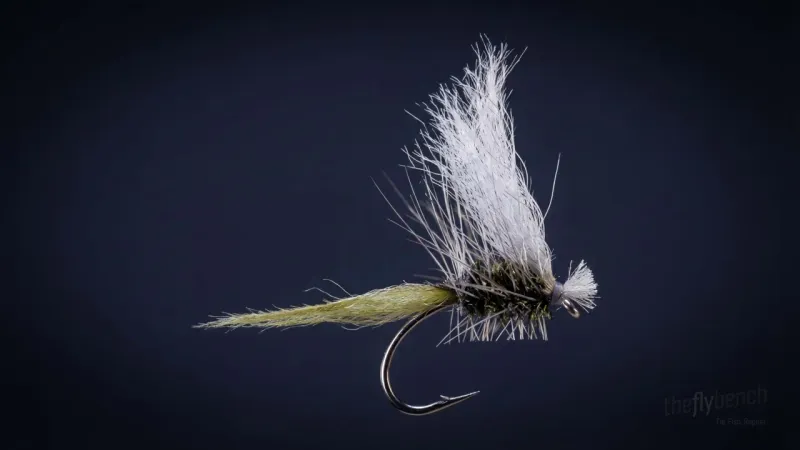
Dry FliesAdult Blue Damsel
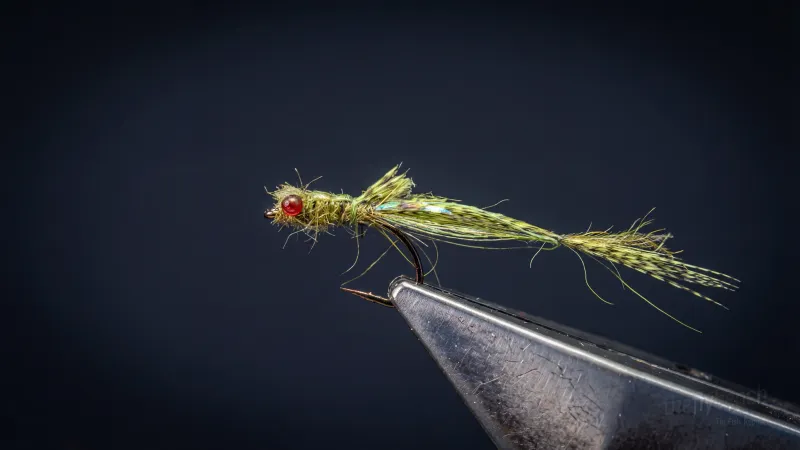
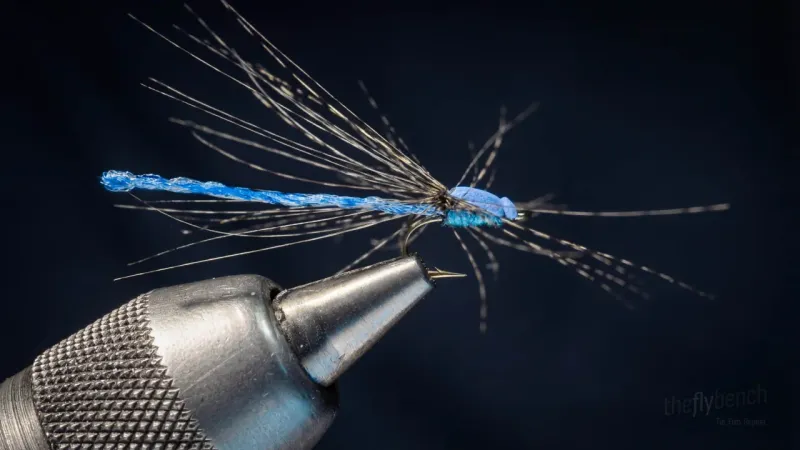
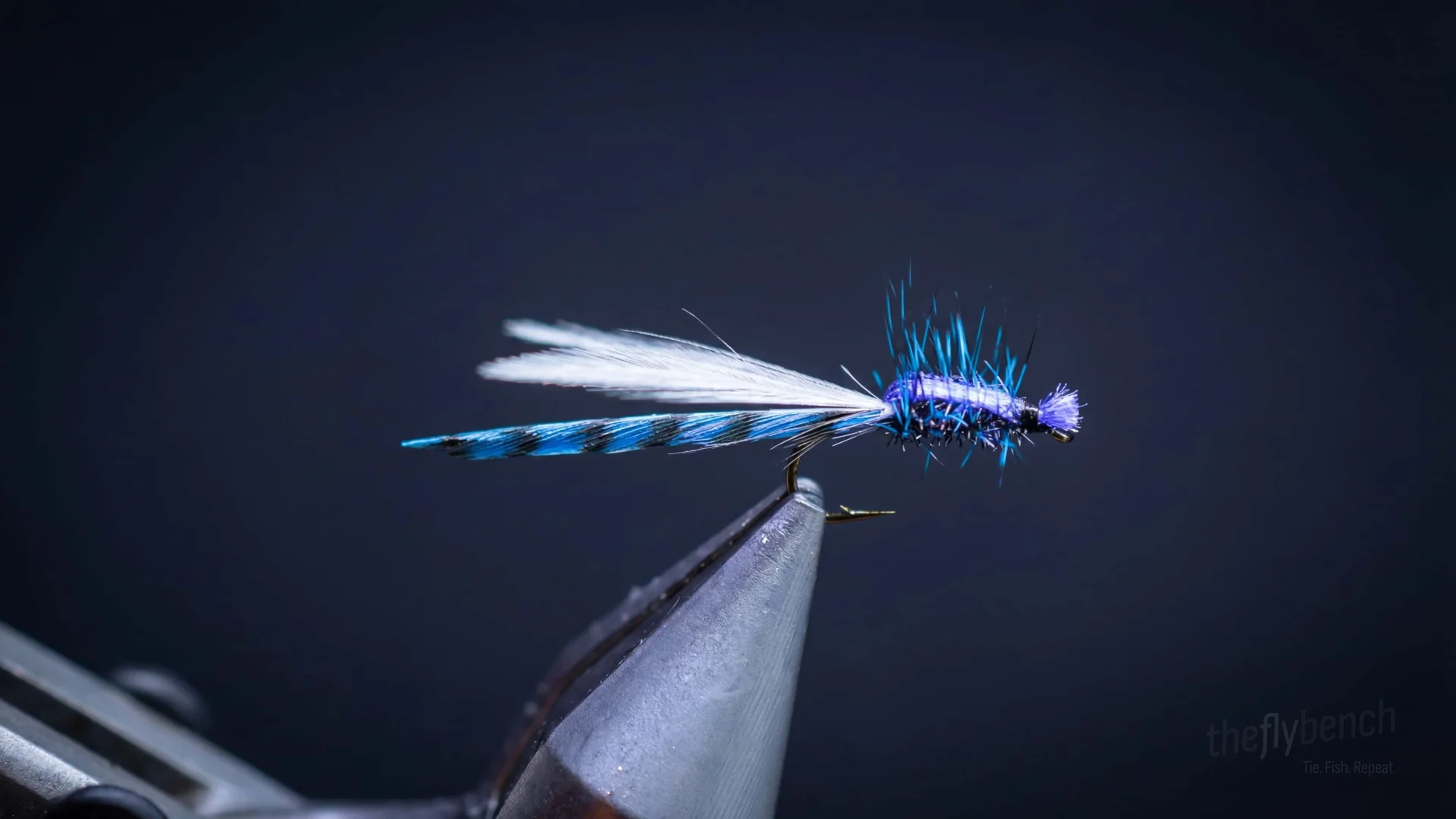
The Adult Blue Damsel is a semi-realistic yet quick-to-tie pattern that imitates adult blue damselflies. Featuring blue-dyed grizzle hackle for the body and hackle, paired with dun hackle tip wings, it presents a convincing silhouette when damselflies are on the water. An effective stillwater pattern that triggers aggressive surface takes.
Summer
Intermediate
Trout
Dec 2025
Overview
This pattern from Barry Ord Clarke represents one of his simpler designs that proves highly effective during damselfly season. The blue-dyed grizzle hackle comes from Whiting and is called Kingfisher blue—it provides the perfect blue coloration with subtle barring. The pattern works exceptionally well in Tasmania and other stillwaters where trout actively feed on adult damselflies. Can be fished static or with subtle movement to imitate a damsel touching down on the surface.
Where to Buy This Fly
We only link to fly shops we trust. Some links are referral links, which may earn us a commission at no extra cost to you.
Materials
- Hook:
- Mustad R30, size #12
- Thread:
- Black 6/0
- Body:
- Blue dyed grizzle hackle, wrapped
- Wings:
- 2 medium dun hackle tips
- Thorax:
- Blue sparkle yarn
- Head:
- Blue sparkle yarn
- Hackle:
- Blue dyed grizzle hackle (Whiting Kingfisher blue)
Behavior & Presentation
Natural Behavior: Adult damselflies perch on emergent vegetation before flying weakly across lake surfaces, occasionally falling into the water where they struggle with wings splayed.
Where Trout Eat It: Trout cruise near emergent vegetation, lily pads, and reed beds where adult damselflies congregate, intercepting them as they skim the surface.
How to Fish It: Cast 10-12 feet ahead of spotted cruisers on calm days. Let fly sit static or add subtle twitches. Dapping near shore vegetation is effective.
Best Water: Shallow bays near weed beds, shoal areas adjacent to rushes and reeds, and seams between reed beds and open water.
Strike Type: Cruising trout typically take this with slow, deliberate rises—the fly disappears into a swirl or gentle ring. On calm water you may see the fish's back break the surface before the fly vanishes.
Fishing Strategy
Rigging Suggestions: Use long leaders of 12–15 feet tapered to 5X or 6X for wary lake trout. A floating line with a long leader allows for delicate presentations. Apply floatant to wings and hackle.
Seasonal Timing: Most effective during months from June through August when adult damselflies are active. Best fishing occurs during warm, calm days when damselflies are mating and laying eggs.
Pro Tips: Rides in the surface film with a realistic damselfly profile. The blue coloration stands out against the water while the dun wings provide good visibility to the angler. The sparkle yarn thorax adds subtle attraction.
Entomology
Adult damselflies perch on emergent vegetation before flying weakly across stillwater surfaces, occasionally falling into the water where they struggle with wings splayed. Their bright coloration and labored swimming attempts when waterlogged make them conspicuous targets for cruising trout in lakes and ponds with established damselfly populations.
- Order
- Odonata
- Family
- Coenagrionidae
- Common Name
- Damselfly
- Organism Type
- insect
- Life Stage
- adult