Dry FliesAdams Cripple
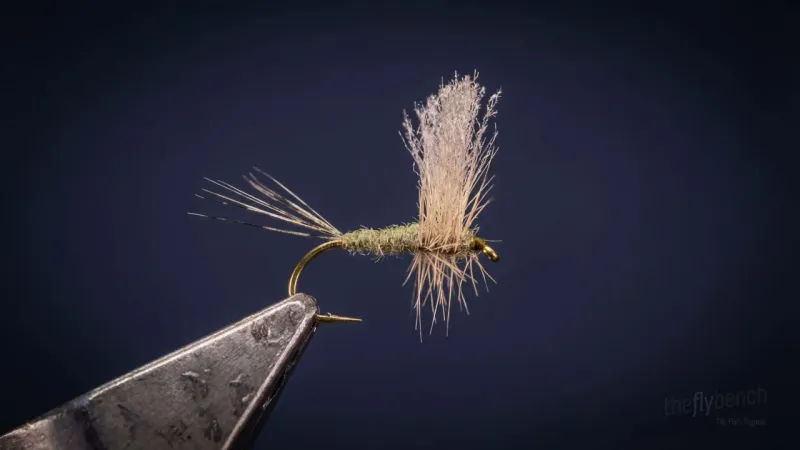
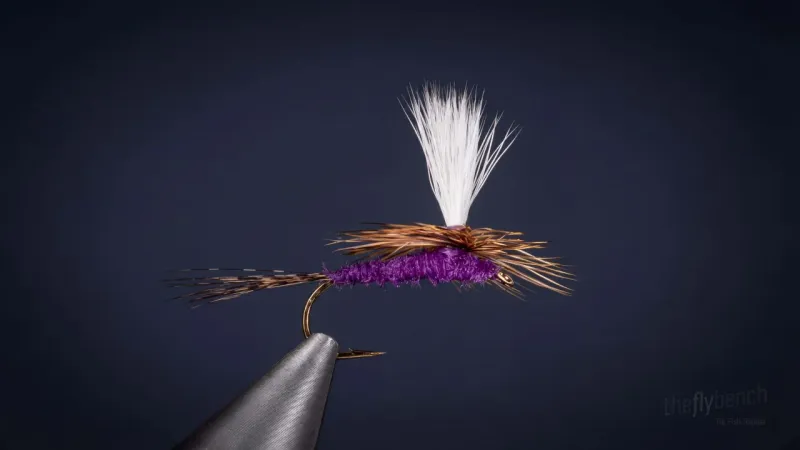
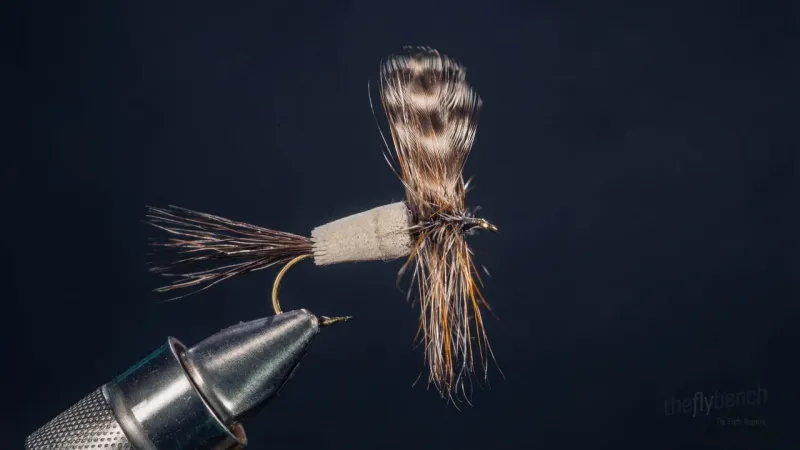
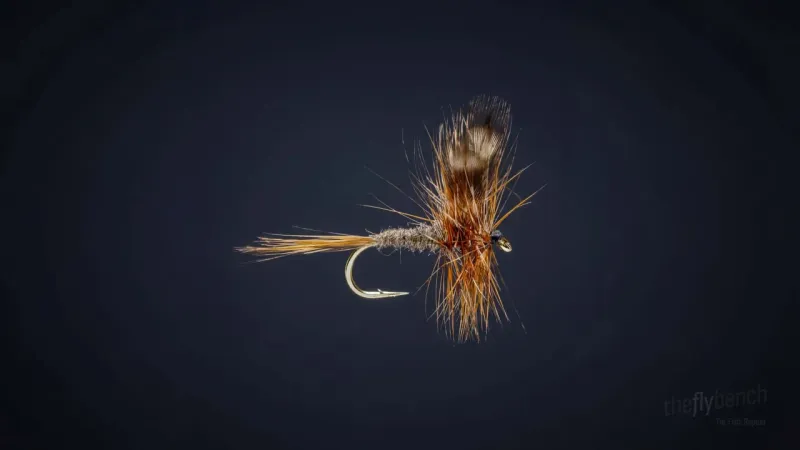
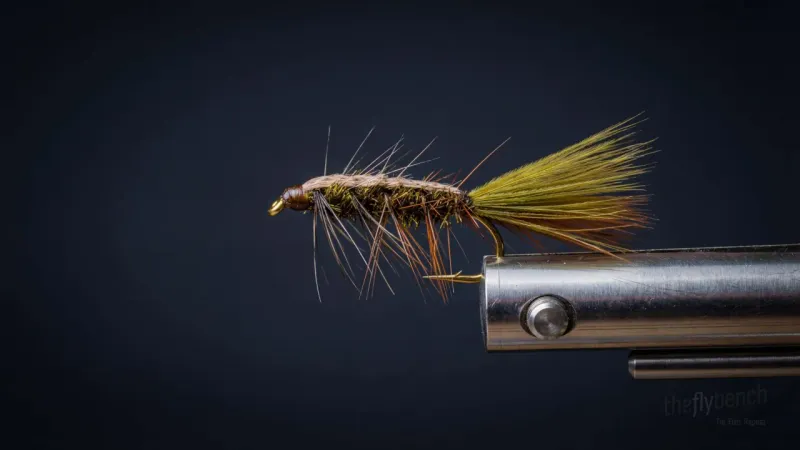
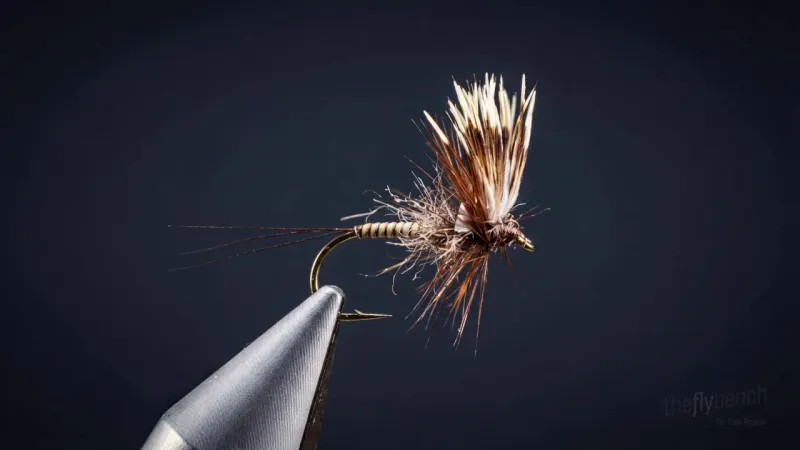
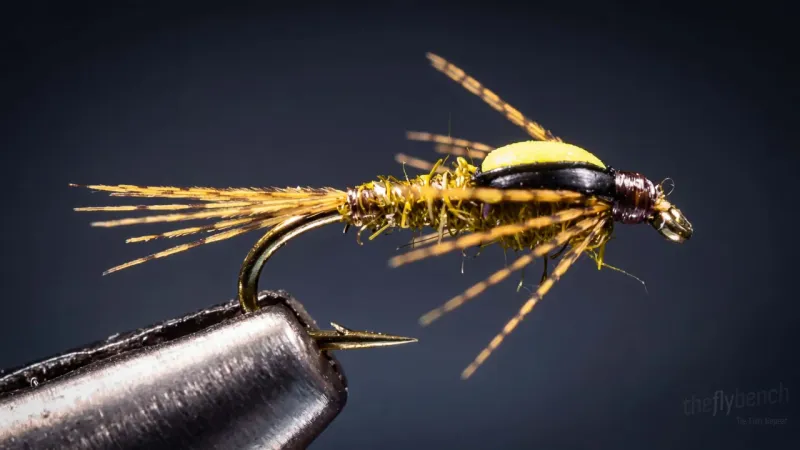
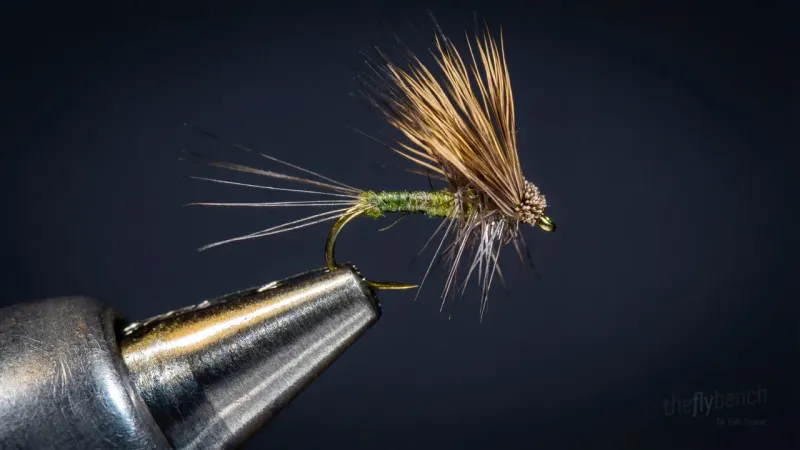
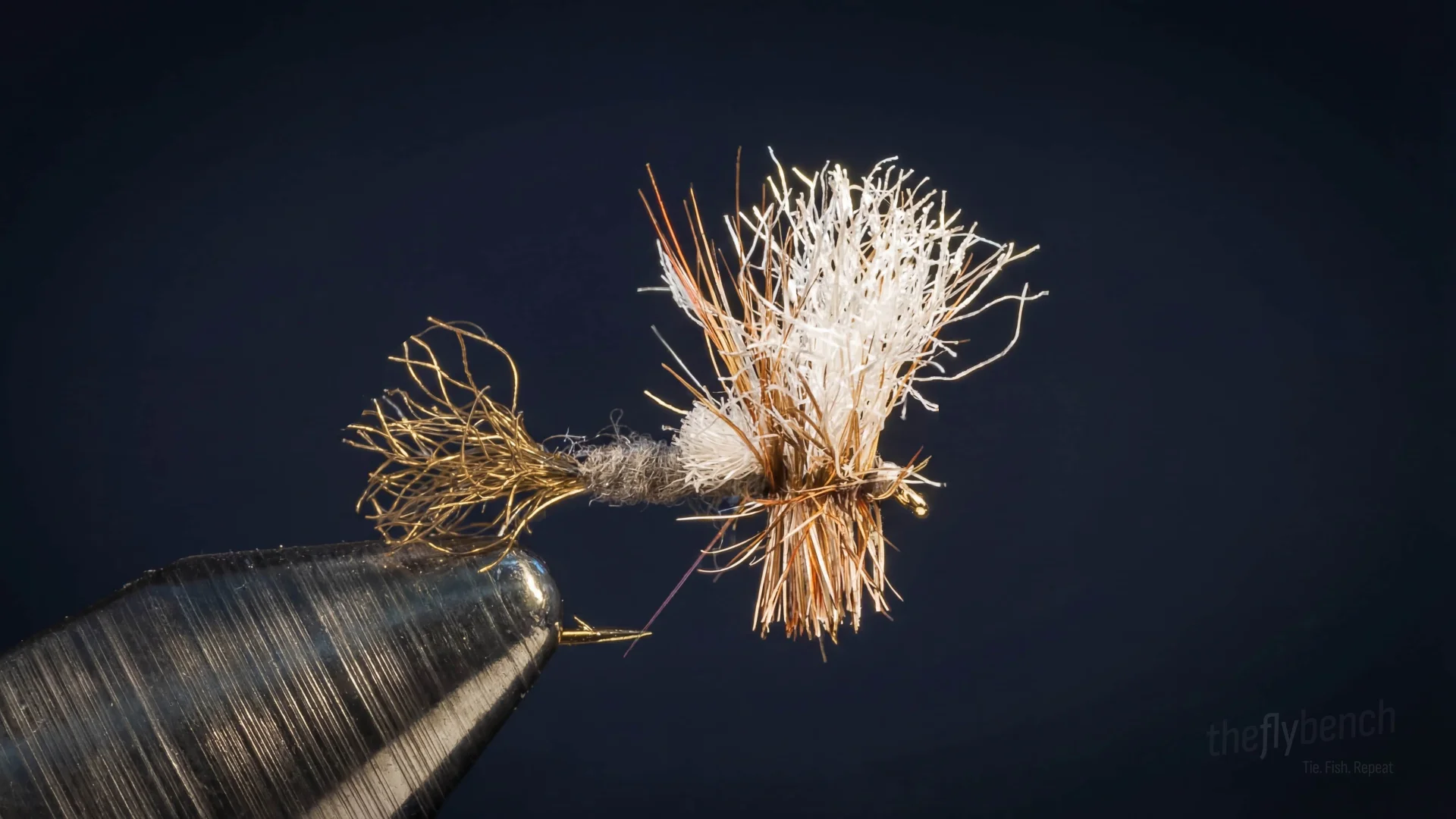
The Adams Cripple combines the proven Adams color scheme with a cripple-style design that imitates a mayfly struggling to emerge. The trailing Zelon shuck represents the nymphal case while the upright wing and hackle suggest an adult unable to fully escape. This transitional silhouette often outperforms standard dries during selective feeding.
Spring, Summer, Fall
Intermediate
Trout
Dec 2025
Overview
The Adams Cripple was developed to target fish feeding on crippled and stillborn mayflies during heavy hatches. The mixed brown and grizzly hackle creates the classic Adams coloration that matches a wide range of mayfly species. This pattern bridges the gap between emerger and dry fly fishing, making it effective when fish refuse standard patterns.
Materials
Hook: Tiemco 100 or Umpqua U001, #14-18
Thread: Uni-Thread, 8/0, black
Shuck: Crinkled Zelon, mayfly brown
Body: Superfine Dubbing, Adams grey
Wing: EP Fibers, white
Hackle: Brown and grizzly dry fly hackle, mixed
Behavior & Presentation
Natural Behavior: Crippled mayflies struggle in the film after failing to extract from nymphal shucks, trapped by surface tension. Their erratic movements and stationary position signal zero-risk foraging during cold-weather emergences.
Where Trout Eat It: Selective trout target this low-riding emerger in foam lines and slick tailouts where crippled mayflies concentrate after failed emergence attempts. Fish focus on these trapped insects during heavy hatches when cold temperatures cause high cripple rates.
How to Fish It: Apply floatant only to wing and hackle, allowing shuck to break surface tension and trail below. Dead drift through feeding lanes with drag-free float—the mixed hackle creates classic silhouette while low profile doesn't spook fish.
Best Water: Most effective in slow pool sections and tailouts where fish can inspect surface food. Target calm water adjacent to riffles where struggling emergers collect in foam lines and back eddies.
Strike Type: Rises vary from aggressive splashes during peak hatches to barely visible nose-pokes in flat water.
Fishing Strategy
Rigging Suggestions: Fish on 10-12 foot leader with 5X-6X tippet. Keep the leader dressed with floatant except the last few inches to help the shuck break the surface.
Seasonal Timing: Effective throughout mayfly season from March through October. Particularly productive during Pale Morning Dun, Blue-Winged Olive, and general mayfly hatches.
Pro Tips: Rides low in the surface film with the shuck trailing below. Floats well but may require occasional drying and redressing.
Entomology
Crippled mayflies struggle in the surface film after failing to fully extract their adult bodies from nymphal shucks, creating visible disturbance rings and erratic movements. These trapped insects cannot escape and must remain stationary while wings dry, representing zero-risk foraging opportunities that selective trout target preferentially over healthy duns, particularly during cold weather emergences when lower temperatures increase the incidence of incomplete molts and ecdysis failures.
- Order
- Ephemeroptera
- Common Name
- Mayfly
- Organism Type
- insect
- Life Stage
- adult