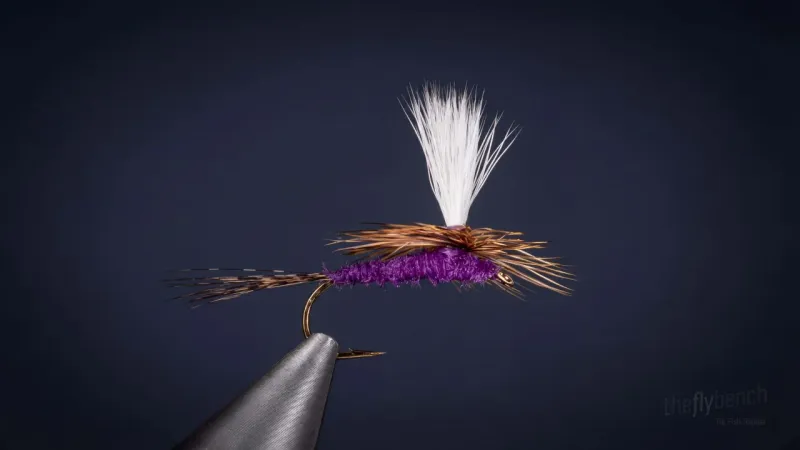
Dry FliesBarr's Visadun
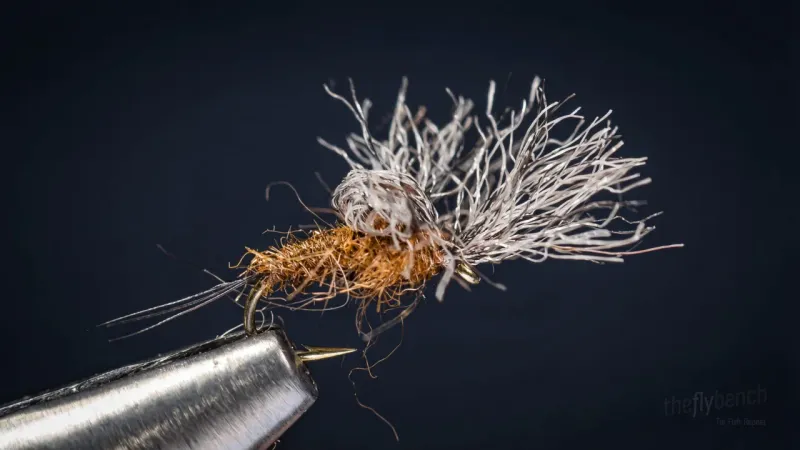
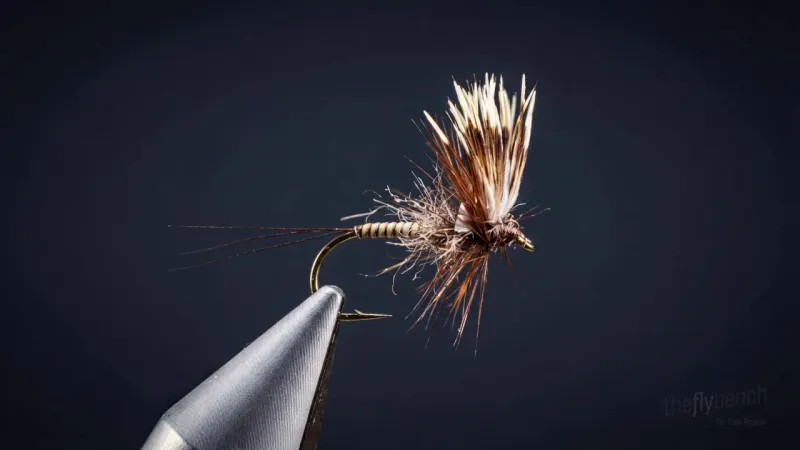
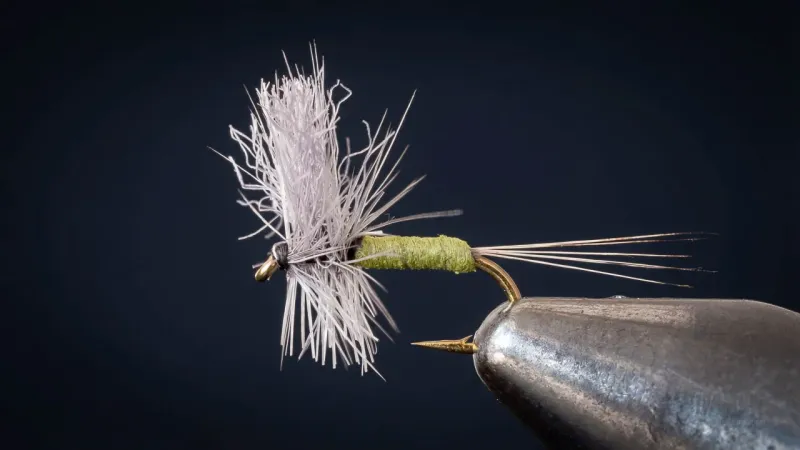
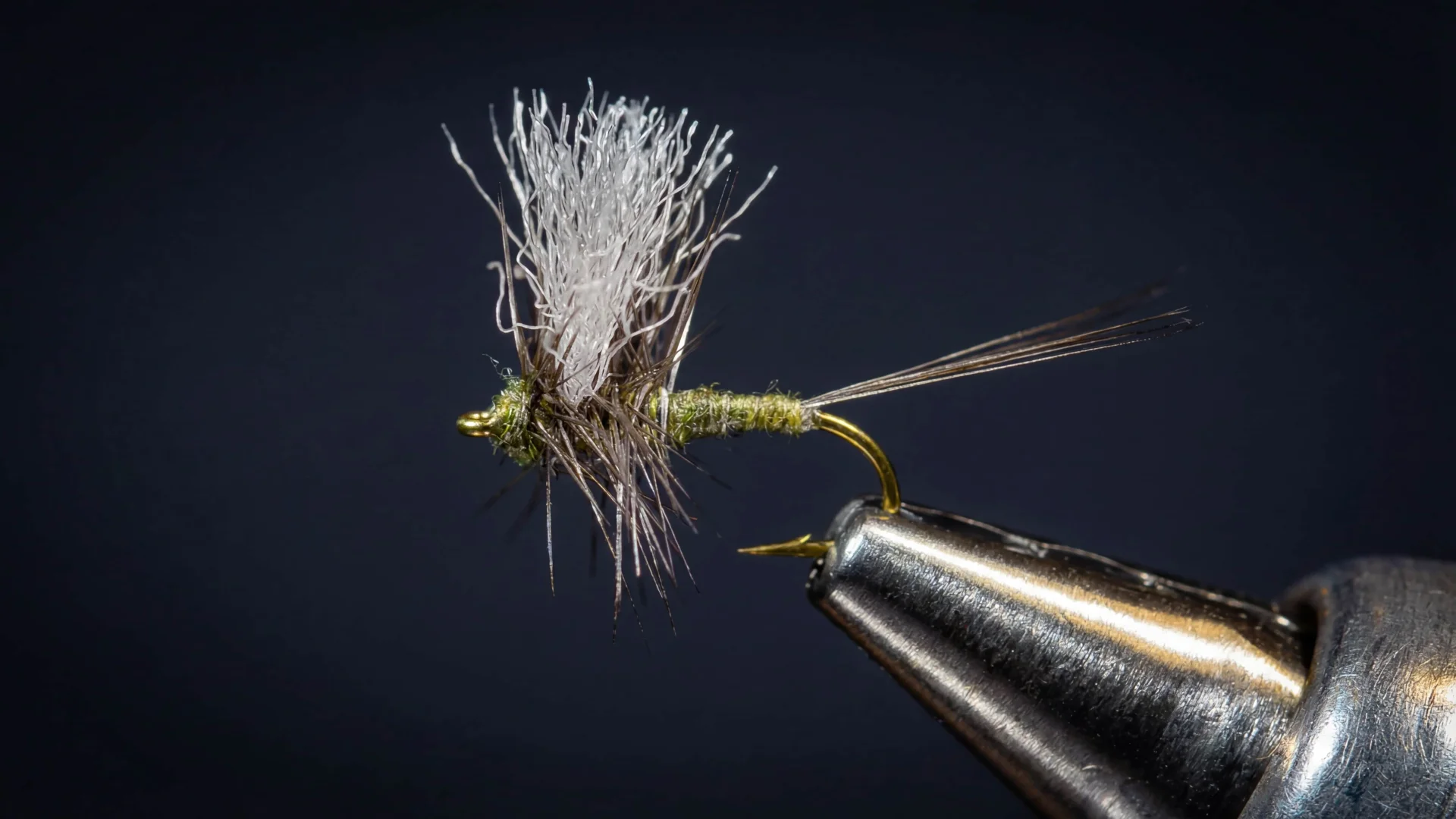
Barr's Visadun is John Barr's innovative take on the classic thorax-style dry fly. This pattern combines easy visibility for the angler with a natural, low-riding silhouette that trout find irresistible. The highly visible McFlylon wing makes the fly easy to track in challenging light conditions while the sparse hackle allows the body to ride in the surface film where feeding trout expect to see mayfly duns.
Spring, Summer, Fall
Intermediate
Trout
Dec 2025
Overview
This Charlie Craven pattern from Charlie's Fly Box showcases John Barr's approach to designing patterns that are both effective and practical for the angler. The Visadun incorporates several tying techniques that improve durability without sacrificing the natural silhouette that makes thorax patterns so effective. John recommends this pattern as the front fly in a two-fly rig, often dropping a Barr Emerger off the bend anywhere from six to eighteen inches back. The Visadun serves as an unobtrusive indicator that allows feeding fish to take the dropper without raising suspicion.
Materials
Hook: Tiemco 101, #16-22
Thread: Veevus 14/0, gray
Tail: Spade Hackle or Coq de Leon, dun
Body: Superfine Dubbing, gray olive
Wing: McFlylon or Polypropylene Macrame Yarn, gray
Hackle: Rooster Neck or Saddle, dun
Behavior & Presentation
Natural Behavior: Mayfly duns rest on the surface post-emergence, drying wings before flight during critical vulnerability windows. Their upright posture and extended abdomen create conspicuous silhouettes that trigger instinctive feeding.
Where Trout Eat It: Educated tailwater trout take this thorax-style dun during mayfly emergences when natural profile and subtle presentation are critical. Fish respond to the realistic silhouette during BWO and PMD hatches—often triggers takes as indicator when fish actually target dropper emerger.
How to Fish It: Use as front fly in two-fly rig with Barr Emerger dropper 6-18 inches off bend—serves as unobtrusive indicator allowing fish to take dropper without suspicion. Apply floatant to wing and hackle for consistent presentation speed through feeding lanes.
Best Water: Designed for technical Colorado tailwaters where presentation matters more than flashy materials. Excel in smooth glides and slick runs where trout inspect food carefully—most effective in 2-4 foot depths with moderate flows.
Strike Type: Observe head movements as the fly approaches—fish often tilt up before subtle surface takes.
Fishing Strategy
Rigging Suggestions: Fish on a 9-foot leader tapering to 5X-6X tippet. Works exceptionally well as an indicator fly with a small emerger dropper tied 6-18 inches off the bend.
Seasonal Timing: Most effective during mayfly hatches. Particularly effective during Blue Winged Olive and Pale Morning Dun emergences when size 16-20 versions match the natural profile.
Pro Tips: Apply floatant to the wing and hackle before use.
Entomology
Adult mayflies rest on the water surface after emerging, drying their wings before taking flight during critical post-hatch periods. Their delicate wing structure and upright posture make them conspicuous targets, and fish respond aggressively to these high-protein meals during the brief window when the insect is most vulnerable. The extended abdomen and prominent wings create an irresistible silhouette that triggers instinctive feeding responses.
- Order
- Ephemeroptera
- Common Name
- Mayfly
- Organism Type
- insect
- Life Stage
- adult