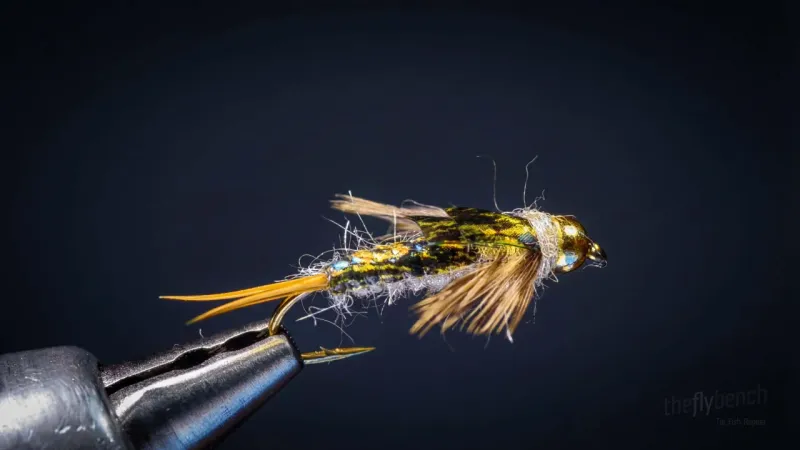
Euro NymphsExtra Super Jig
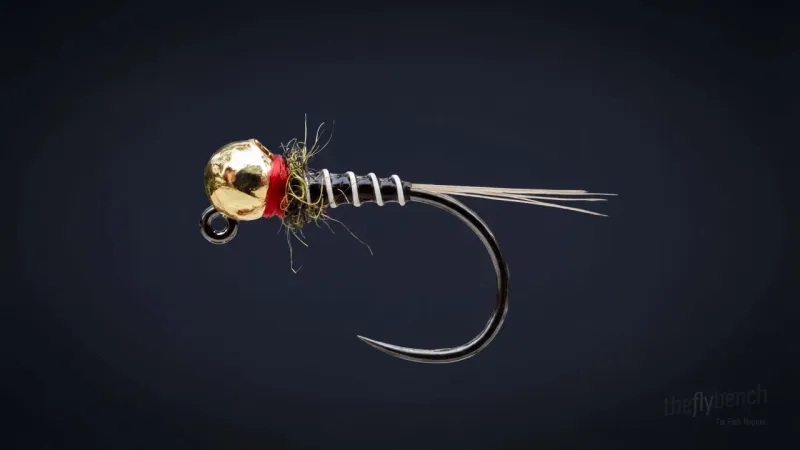
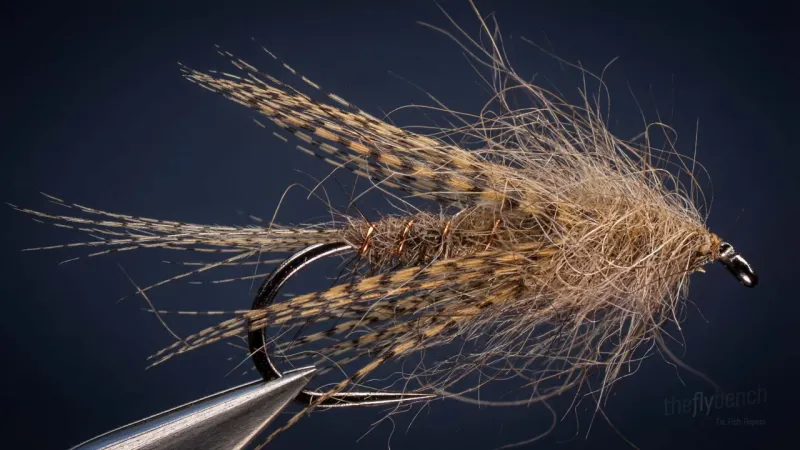
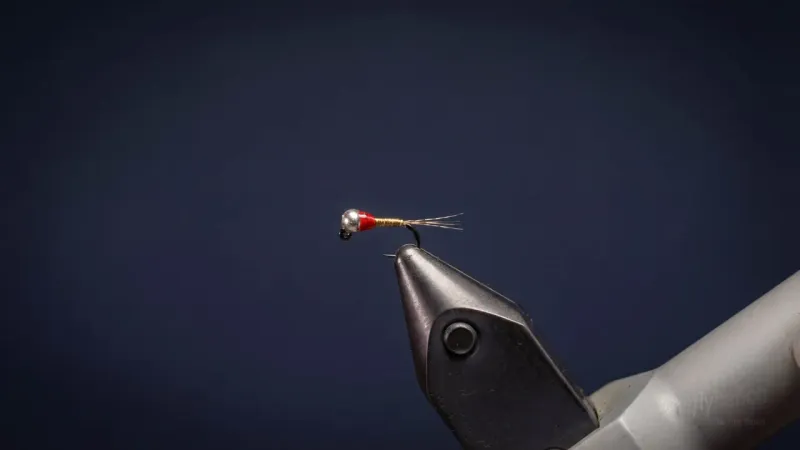
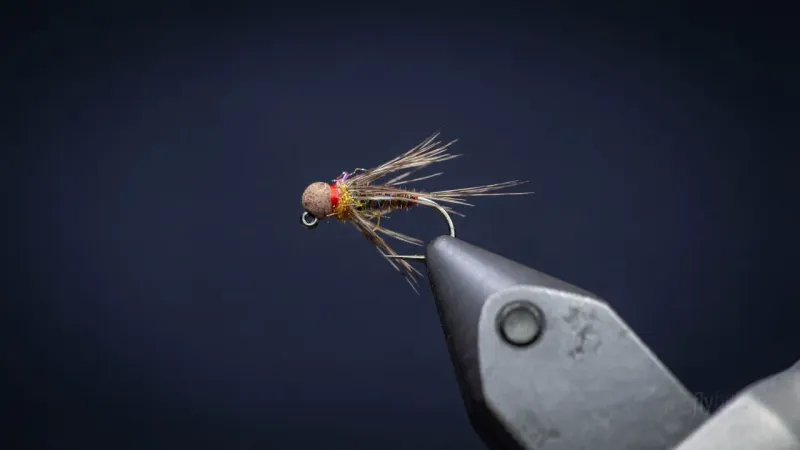
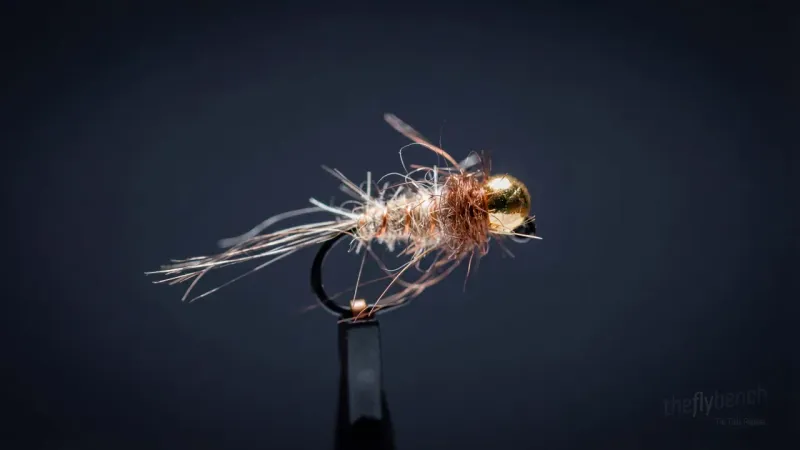
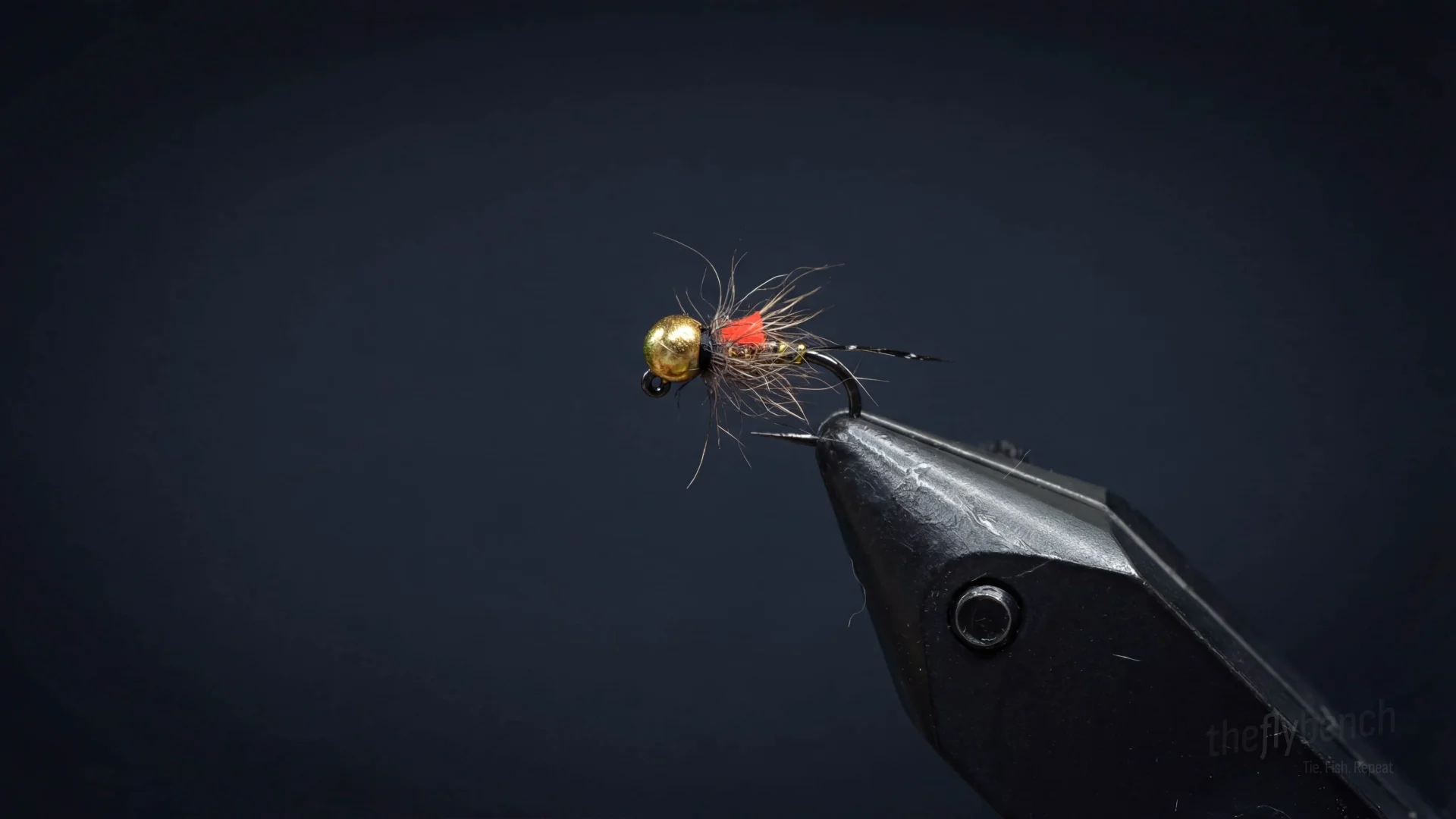
The Extra Super Jig was created because the designer got tired of trying to get colored resin to do exactly what they wanted it to do. This pattern uses a tag of thread for the hot spot, a flashy-but-thin tail, paired with a unique body material and a very sparse collar. The idea is that this fly will get down really well and still have good movement when the fish see it.
Year Round
Intermediate
Trout
Dec 2025
Overview
This pattern represents a departure from resin-heavy Euro nymphs, opting instead for materials that provide movement and flash while maintaining a slim profile. The hot spot tag adds a trigger point that attracts attention, while the sparse collar gives the fly lifelike action in the current. Published in February 2023, this pattern reflects modern Euro nymphing trends toward flies that balance weight with natural movement.
Materials
Hook: Fulling Mill 5045 Jig Force Barbless, size #16
Bead: Firehole Stones Plated Slotted Tungsten, gold, 3.0mm (1/8")
Thread: Semperfli Classic Waxed Thread 12/0, black
Tail: Krystal Flash, black
Body: Semperfli Micro Glint Nymph Tinsel, old gold
Hot Spot: Danville Flat Waxed Nylon Thread 140 Denier, fl. fire orange
Collar: Natural Furs Dubbing, gray squirrel (or Nature's Spirit UV Tracer Squirrel Dubbing, natural fox)
Behavior & Presentation
Natural Behavior: Mayfly nymphs drift intentionally during low-light periods when seeking new feeding areas or accidentally dislodge from turbulent current, tumbling helplessly once caught in flow. Swimming ability varies widely by species from strong crawlers to weak swimmers.
Where Trout Eat It: Trout hold in feeding positions near the streambed, intercepting drifting nymphs in runs and pocket water.
How to Fish It: Dead drift with euro nymphing techniques and tight-line control, maintaining natural tumbling presentation through feeding lanes.
Best Water: Target pockets, runs, and riffles where current delivers drifting nymphs past holding fish.
Strike Type: Fish intercept this flashy pattern mid-column, producing visible sighter hesitations followed by resumed drift when using tight-line techniques. The gold bead and sparse collar mean takes often feel lighter than expected, registering as brief pauses rather than aggressive pulls.
Fishing Strategy
Rigging Suggestions: Fish on a Euro nymphing leader for maximum sensitivity and depth control; can also be used as point fly in a two-fly setup.
Seasonal Timing: Peak activity during moderate temperatures, typically mid-morning through afternoon during optimal conditions.
Pro Tips: Adjust presentation depth and speed based on fish activity level and current conditions for best results.
Entomology
Mayfly nymphs exhibit pronounced behavioral drift patterns, particularly during low-light conditions at dawn and dusk when they release from substrate to seek new feeding areas or in response to population pressure. This intentional drift behavior, combined with accidental dislodgement from current turbulence, places nymphs in the feeding lanes where trout hold and actively forage. Their swimming capabilities vary widely by species, from strong crawlers to weak swimmers that tumble helplessly once caught in the current.
- Order
- Ephemeroptera
- Common Name
- Mayfly
- Organism Type
- insect
- Life Stage
- nymph