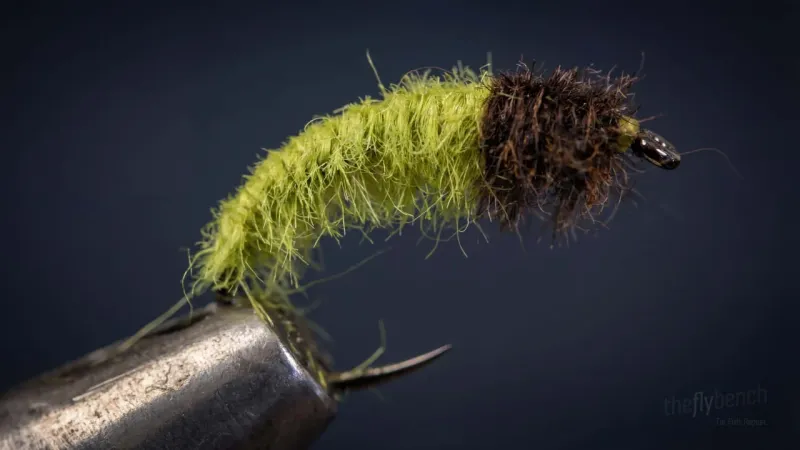
NymphTungsten Torpedo
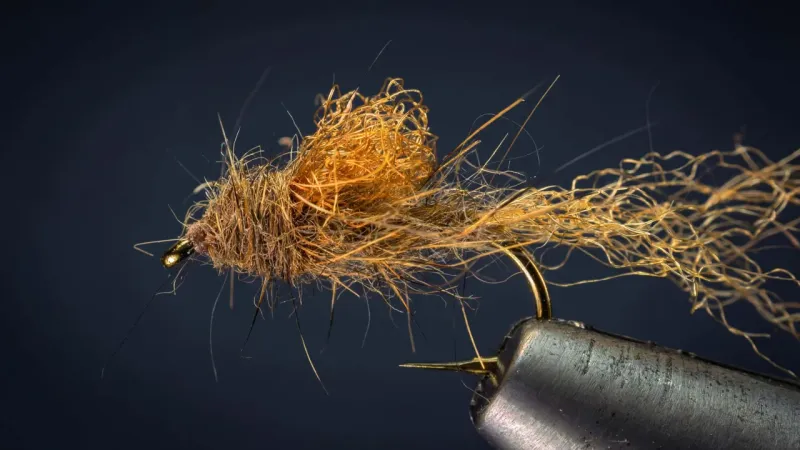
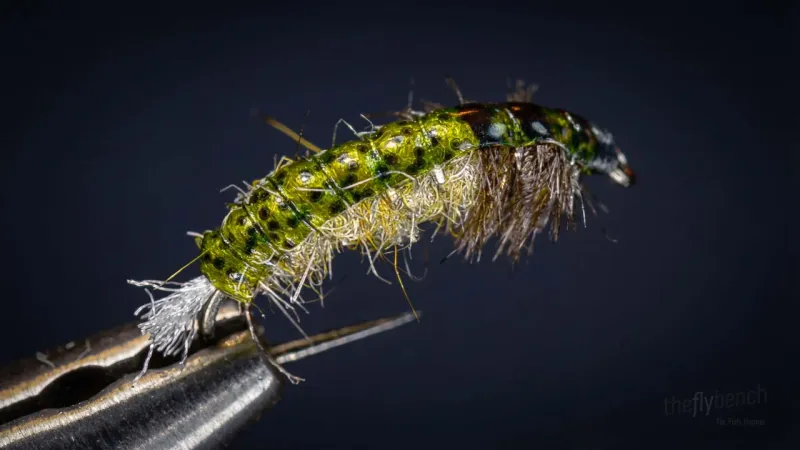
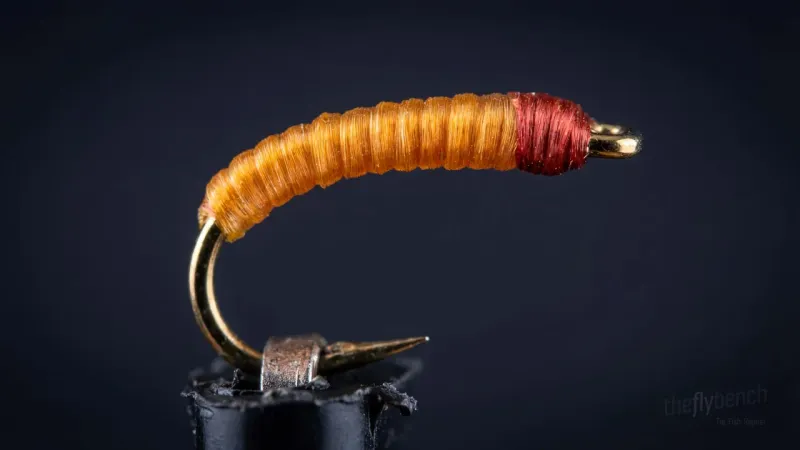
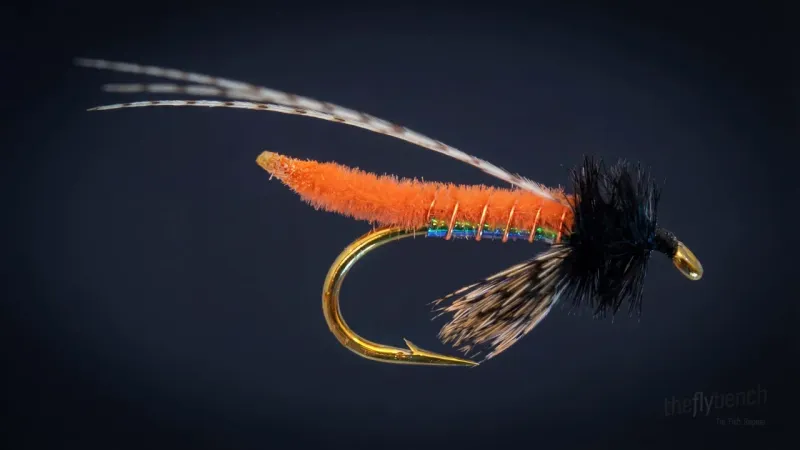
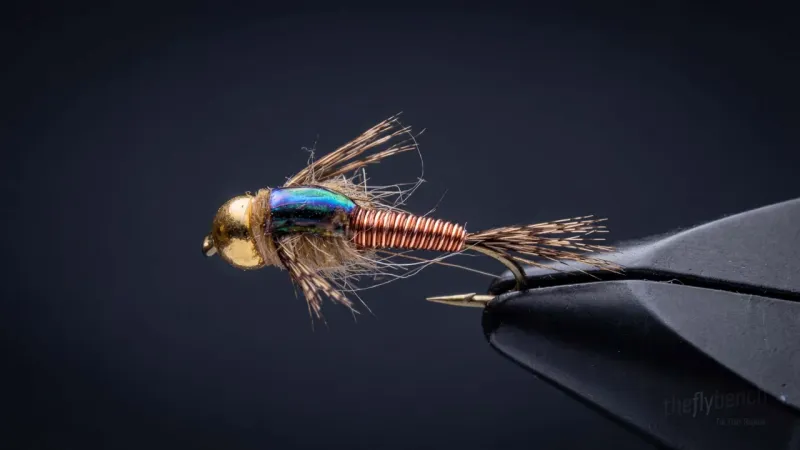
The Tungsten Torpedo is a heavily weighted nymph that's designed to sink quickly and get down to where the fish are feeding. Its slim profile and flash make it an attractive pattern for trout in both still and moving waters.
Year Round
Advanced
Trout
Apr 2025
Overview
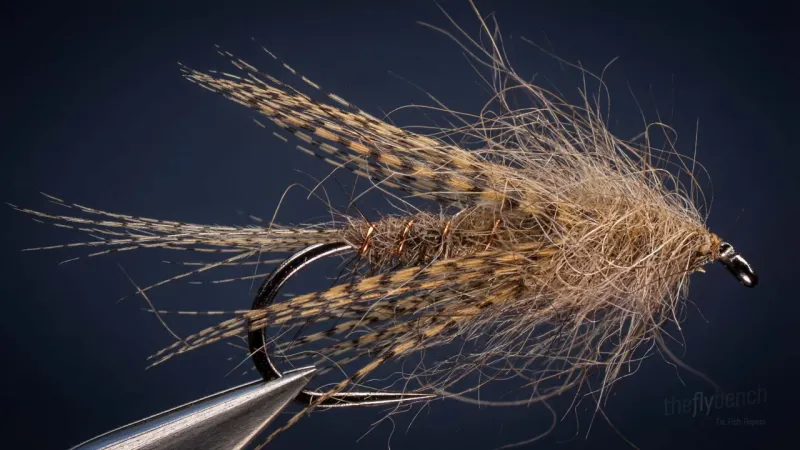
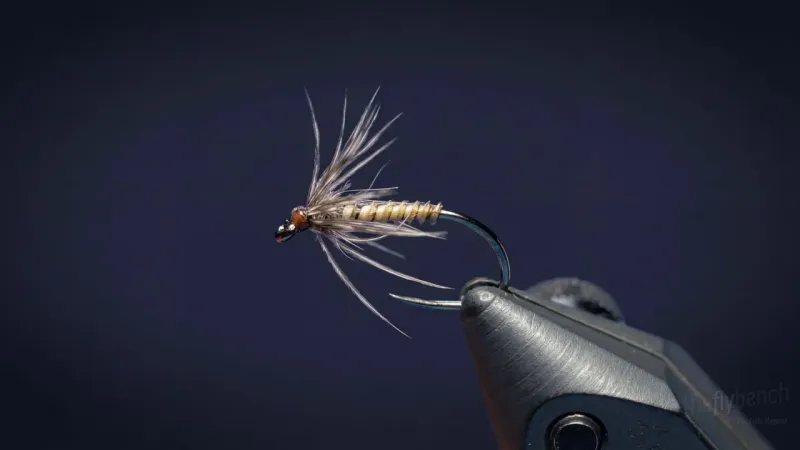
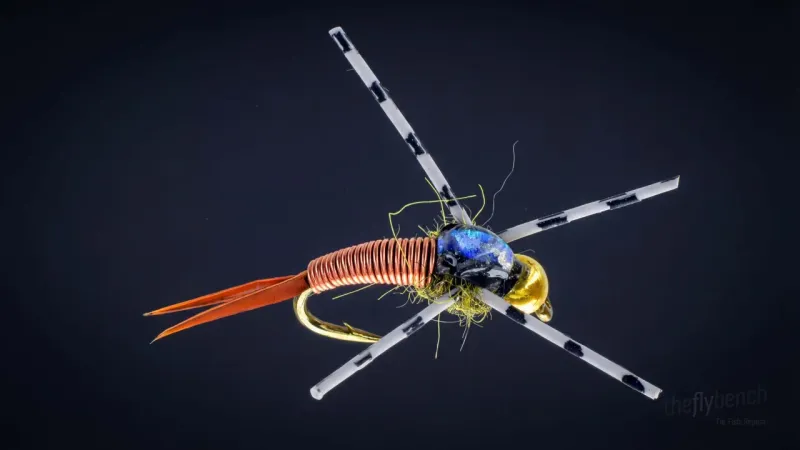
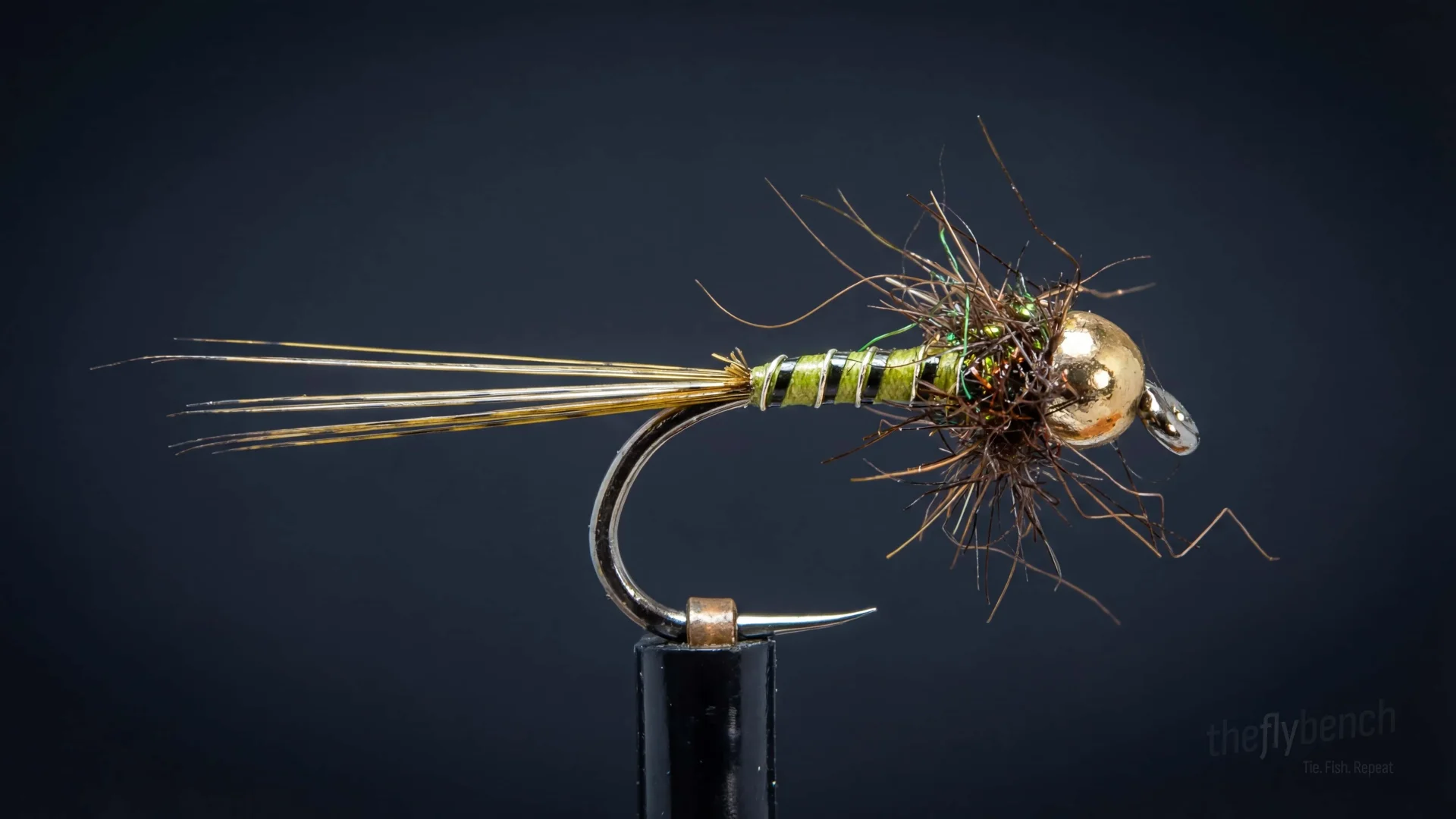
A fast-sinking nymph with a slim, tapered profile. It features a tungsten bead, thread or dubbed body, sparse tail (often Coq de Leon), and a small collar for contrast. Typically tied on a jig hook in olive, brown, or tan for excellent bottom contact.
Where to Buy This Fly
We only link to fly shops we trust. Some links are referral links, which may earn us a commission at no extra cost to you.
Materials
- Hook:
- Barbless wet-fly/nymph hook (here a Hanak H230BL), size 12
- Bead:
- Tungsten, 3.2mm, gold
- Thread:
- Benecchi 12/0, olive
- Tail:
- Medium Pardo Coq de Leon, 4-5 fibers
- Rib:
- Wire, .004-inch, gold
- Abdomen:
- Sulky Silver Metallic thread, black
- Collar:
- Jan Siman peacock dubbing
Behavior & Presentation
Natural Behavior: Free-living larvae crawl across rocky substrates in swift water, lacking protective cases. When strong currents sweep them into the drift, these exposed, protein-dense larvae become easy targets with higher caloric value than cased varieties.
Where Trout Eat It: Fish hold near bottom in runs, pocket water, and lake weed beds at depths of 2-8 feet where drifting larvae concentrate.
How to Fish It: Dead drift along bottom using high-stick or euro nymphing techniques, maintaining tight line contact to detect strikes.
Best Water: Target runs, pocket water, and drop-offs in freestone streams and tailwaters where fast sink rates reach feeding zones quickly.
Strike Type: Feel for subtle tightening, ticks, or hesitations as trout intercept the drifting nymph near bottom structure.
Fishing Strategy
Rigging Suggestions: Use 9-12ft 4X-5X fluorocarbon tippet (6-8 lb test). For euro nymphing, use 2-4 times rod length leaders with sighters. Micro-indicators work well for traditional nymphing setups. Fish solo or as anchor fly in multi-fly rigs.
Seasonal Timing: Year-round effectiveness with consistent results across all seasons, with peak periods April through October when caddis larvae are most active because this aligns with peak aquatic insect activity. Water temperatures from 40-68°F produce steady results, making this a reliable four-season pattern. Excellent searching pattern when fish are holding near bottom. Most productive during pre-hatch periods and when no surface activity is visible. Fish throughout the day, though morning and evening periods often produce more aggressive takes.
Pro Tips: The tungsten bead and lead wire create fast sink rates, making this ideal for deep or fast water. The torpedo shape cuts through current efficiently. Carry multiple sizes to match water speed and depth.
Entomology
Free-living caddis larvae crawl across rocky substrates in swift water, their exposed bodies lacking the protective cases of case-building species. When swept into the drift by strong currents, these protein-dense larvae become easy targets for trout who recognize their higher caloric value compared to cased varieties.
- Order
- Trichoptera
- Common Name
- Caddisfly
- Organism Type
- insect
- Life Stage
- larva