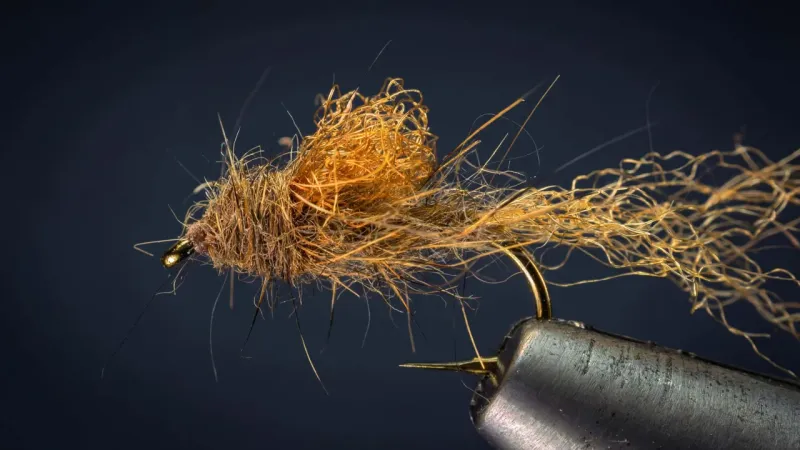
Dry FliesTriple Threat Caddis
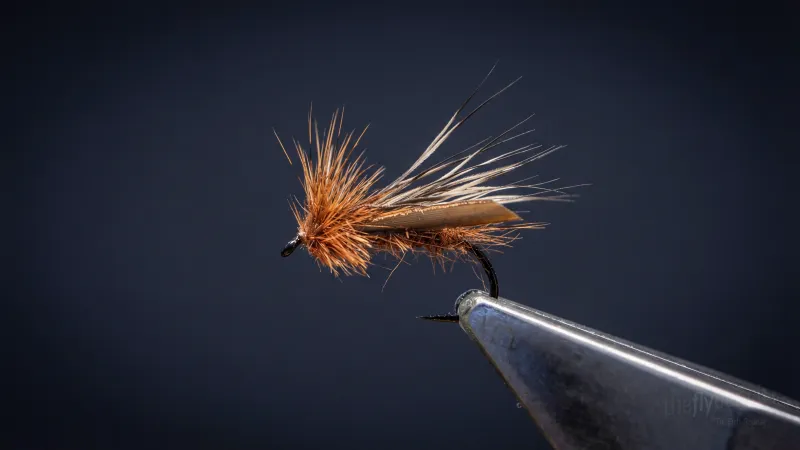
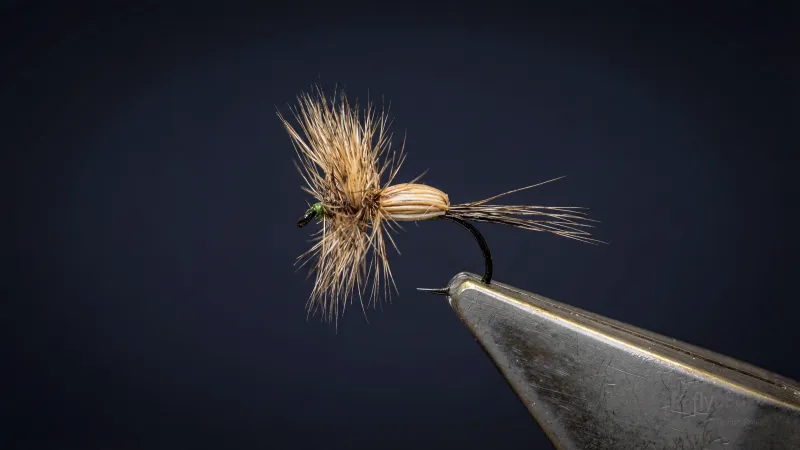
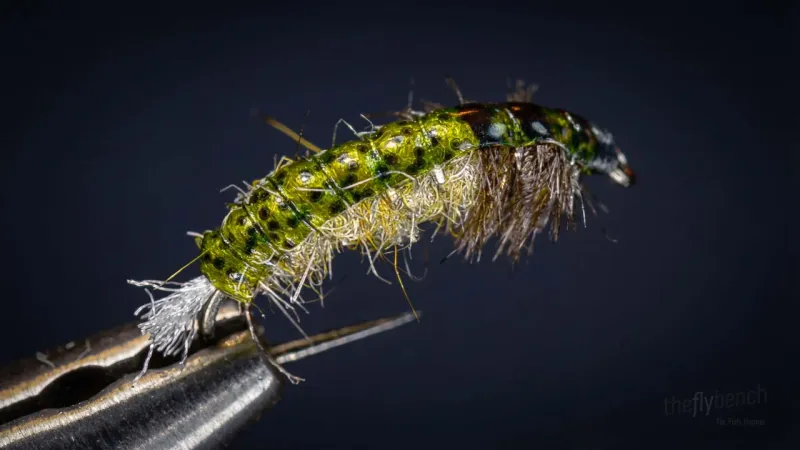
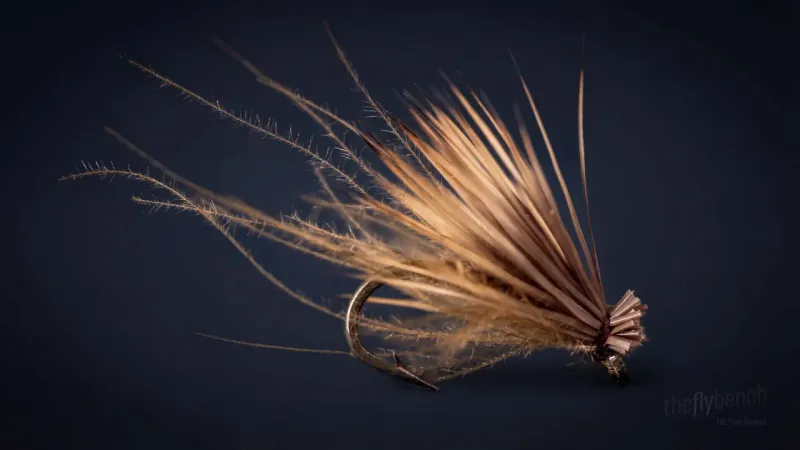
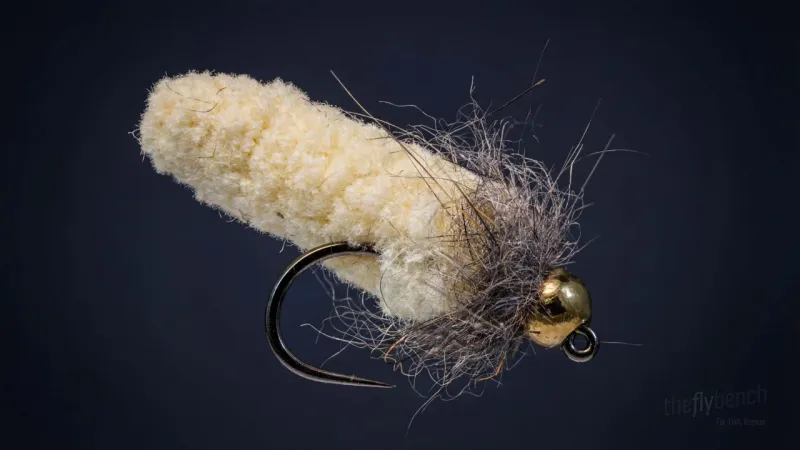
The Triple Threat Caddis is a dry fly pattern designed by Allan Woolley. This effective pattern combines traditional materials with proven techniques for consistent results in a variety of water conditions.
Spring, Summer, Fall
Intermediate
Trout
Feb 2026
Overview
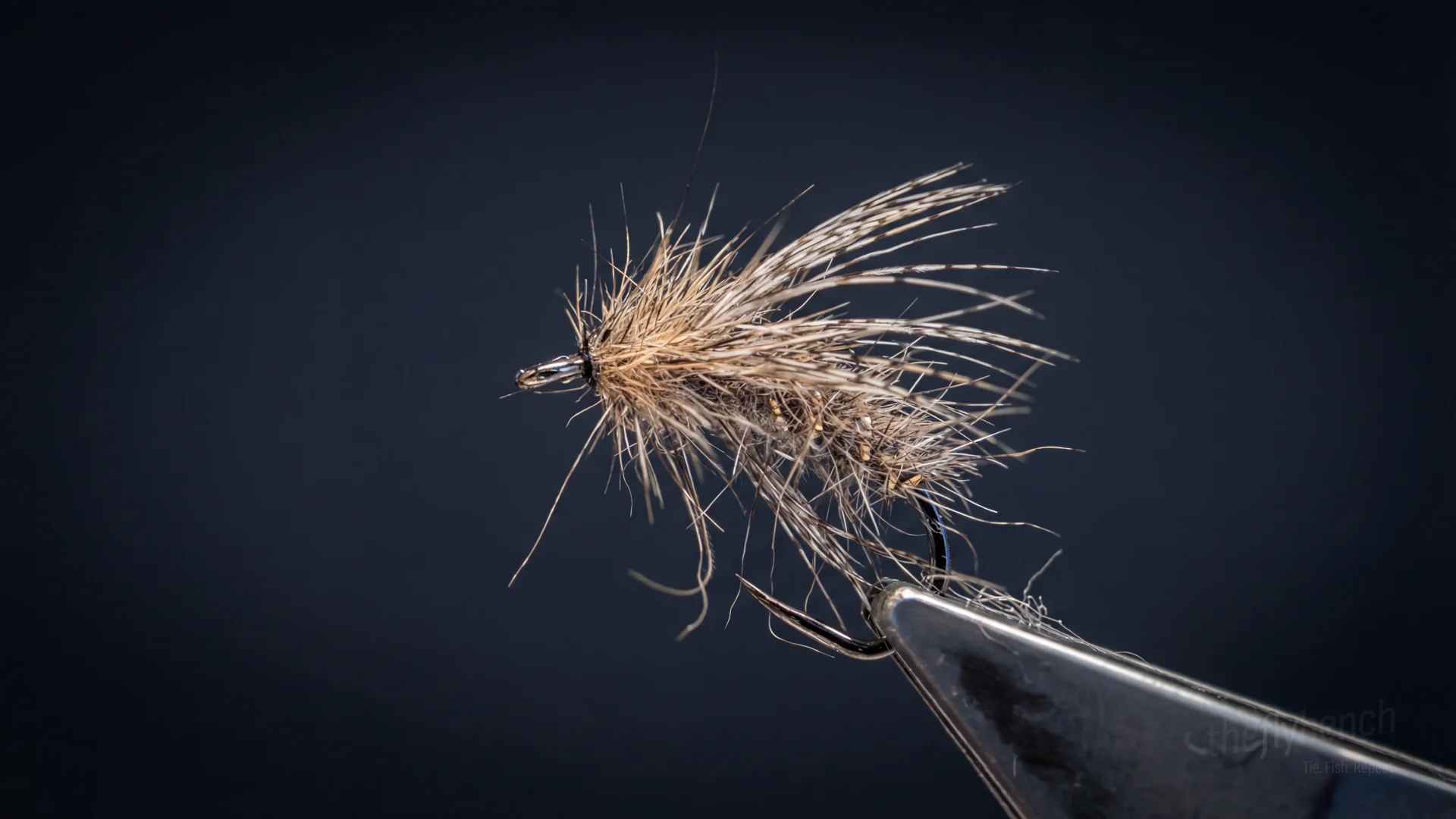
Allan Woolley's innovative design incorporates three distinct elements: a low-riding wing, segmented body, and pronounced hackle collar. This combination allows the pattern to be fished as a dry fly, emerger, or even stripped sub-surface. The versatility comes from balanced materials that maintain proper positioning regardless of presentation style, making it effective throughout the caddis life cycle.
Where to Buy This Fly
We only link to fly shops we trust. Some links are referral links, which may earn us a commission at no extra cost to you.
Materials
- Hook:
- Dry fly, 14-22
- Thread:
- Black 6/0
- Tail:
- Two strands of pearl flashabou.
- Body:
- Peacock herl.
- Hackle:
- Short fibred black cock hackle.
Behavior & Presentation
Natural Behavior: Adult caddisflies transition through three distinct surface phases—rapid emergence from pupal shucks, brief resting periods with wings fluttering upright, and frantic egg-laying skitters where females dip repeatedly to deposit eggs. Trout opportunistically switch between feeding modes as they encounter insects in each vulnerable stage throughout the hatch cycle.
Where Trout Eat It: Surface layer in riffles and runs, focusing on current seams where emerging pupae concentrate and foam lines where spent adults accumulate after egg-laying activity.
How to Fish It: Dead-drift through feeding lanes during emergence periods, then add sharp twitches during egg-laying activity to imitate the erratic skittering behavior that triggers aggressive surface strikes.
Best Water: Riffle edges and pocket water where caddis pupae ascend, tail-outs below productive runs, and foam lines accumulating spent adults after evening egg-laying flights.
Strike Type: Expect visible splashy rises during active emergence or confident sipping takes when imitating spent adults in calm tail-outs.
Fishing Strategy
Rigging Suggestions: Use a 9-11 foot leader with 4X or 5X tippet. Apply floatant to maintain buoyancy, or fish ungreased for emerging patterns.
Seasonal Timing: Highly effective from April through October during caddis hatches, with peak performance May through August when multiple caddis species are active simultaneously.
Pro Tips: The name refers to its ability to imitate adult, emerger, and spent caddis stages. Vary presentation speed to match observed insect behavior.
Entomology
Caddisflies exhibit multiple vulnerable life stages in quick succession including the pupal ascent, surface emergence, and adult egg-laying flights. Fish feed opportunistically across all three stages, making caddis hatches particularly productive feeding windows.
- Order
- Trichoptera
- Common Name
- Caddisfly
- Organism Type
- insect
- Life Stage
- adult