Dry FliesTrico Spinner
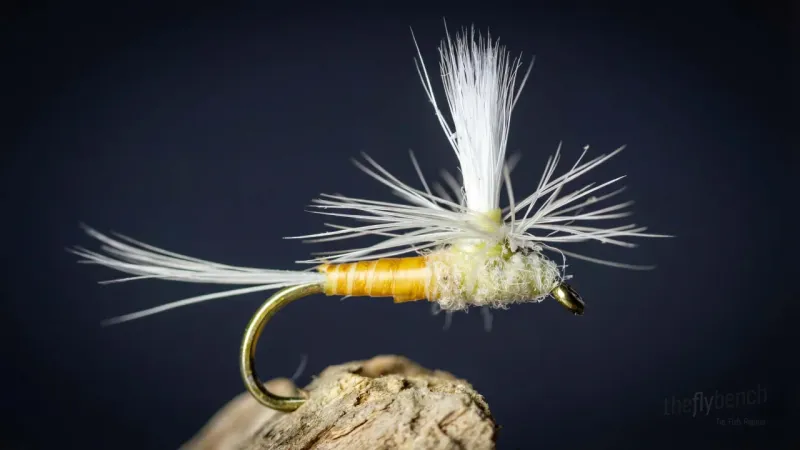
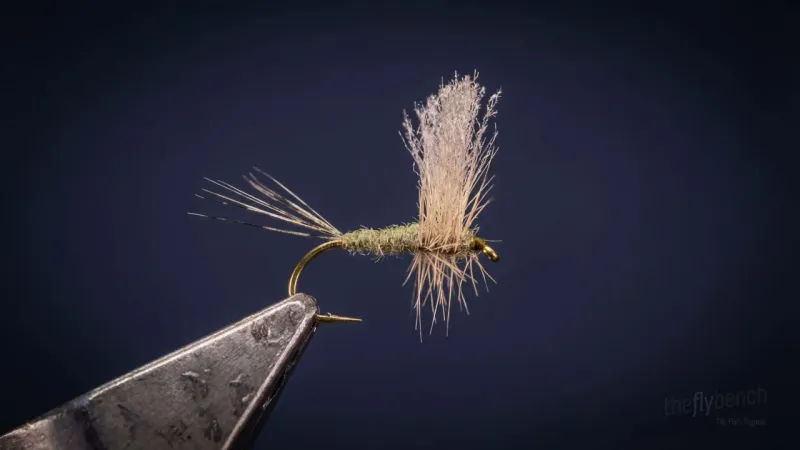
This pattern imitates the spent spinner stage of the Trico mayfly. It features a slim body and delicate wings, making it a highly effective pattern during Trico spinner falls.
Summer
Advanced
Trout
Apr 2025
Overview
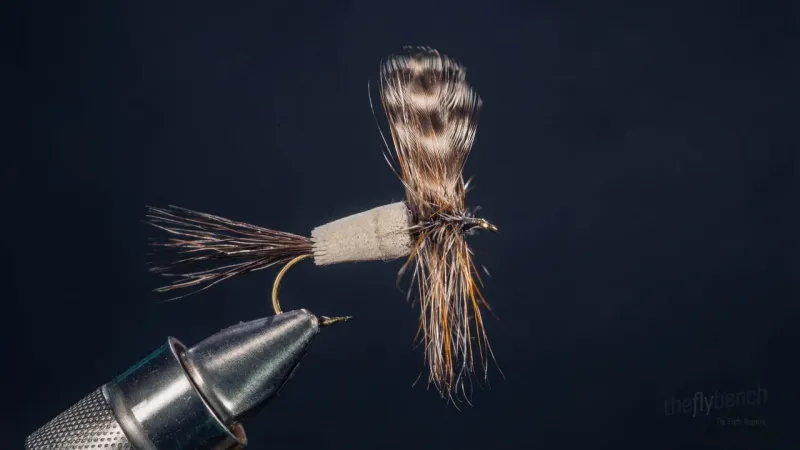
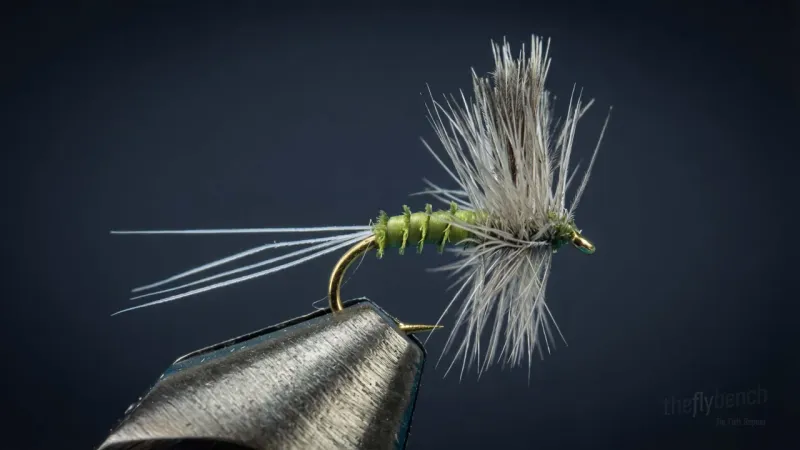
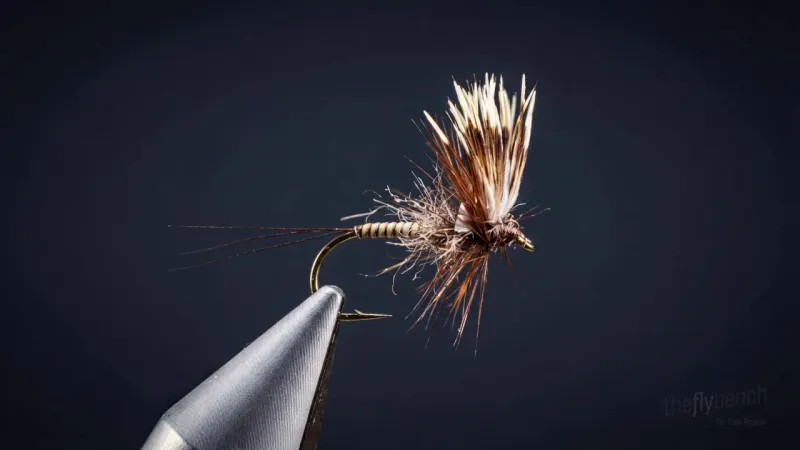
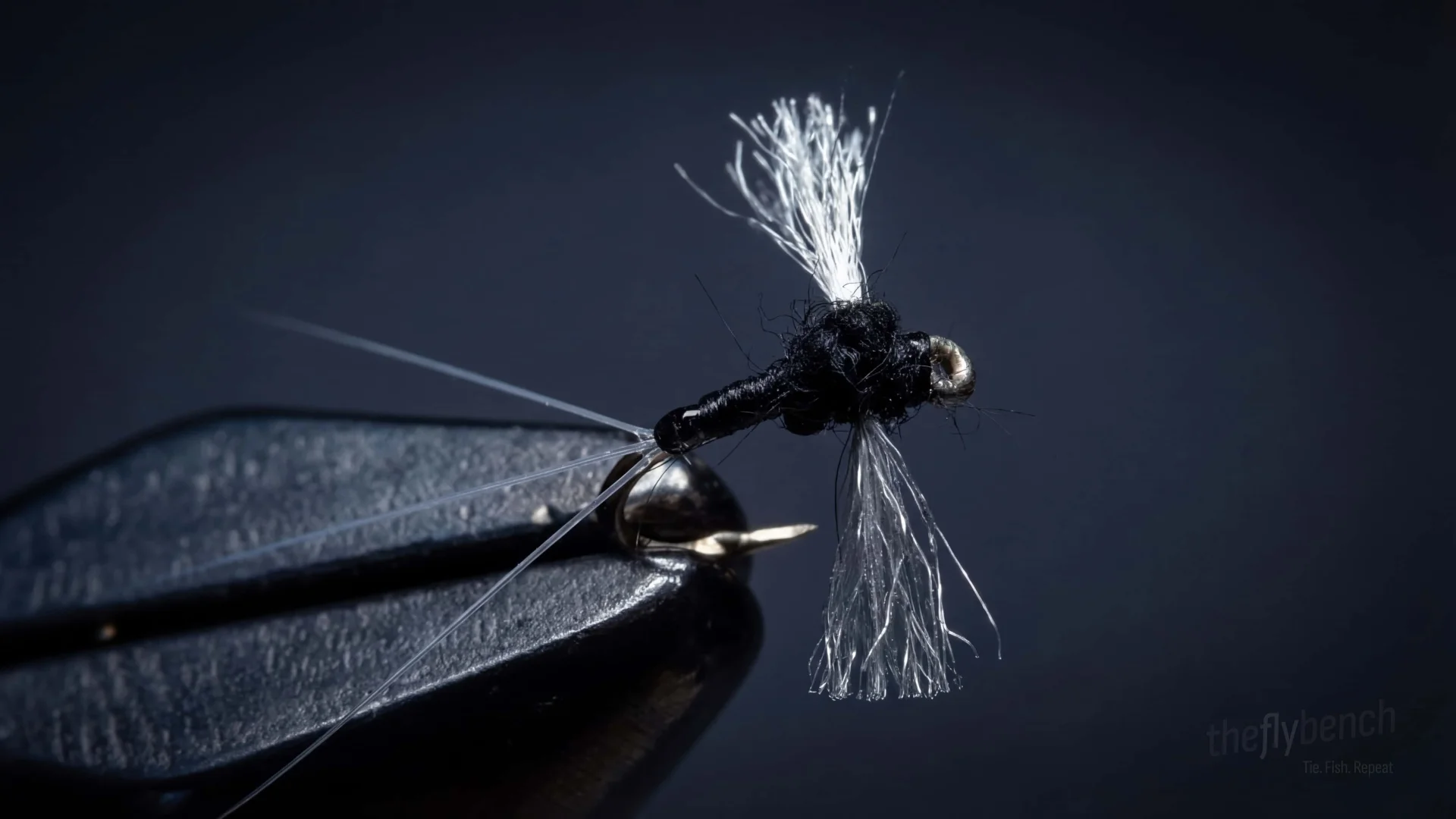
This pattern mimics the spent Trico spinner with spent wings splayed horizontally—typically using white or light poly yarn—and a slim thread body. The tails are split and fine, and the fly lies flush to the surface, making accuracy in tying proportions essential.
Where to Buy This Fly
We only link to fly shops we trust. Some links are referral links, which may earn us a commission at no extra cost to you.
Materials
- Hook:
- #18-24 Tiemco 2488
- Thread:
- Black 14/0 Veevus
- Tail:
- White Mayfly Tails
- Body:
- Black 14/0 Veevus
- Wings:
- White Polypropylene Macrame Yarn
- Dubbing:
- Black Superfine Dubbing
- Hackle:
- Badger Rooster Saddle Hackle
Behavior & Presentation
Natural Behavior: After mating above the water, spent Trico spinners collapse onto the surface with wings spread flat. These dying mayflies drift helplessly in dense rafts, unable to fly or escape, creating concentrated feeding opportunities during morning spinner falls.
Where Trout Eat It: Fish sip spent spinners methodically during morning spinner falls in calm glides and tail-outs. Trout feed on concentrated carpets of dead and dying insects drifting in surface film, consuming dozens with minimal energy expenditure in predictable feeding patterns.
How to Fish It: Use delicate upstream casts with 6X-7X tippet (7.5 ft leader in technical water) for drag-free drift. Apply floatant only to wings, keeping body flush in film. Fish 7-10am when temperature hits 68°F. Target the tails of riffles where turbulence masks line presence.
Best Water: Work tail-outs of pools and calm glides where spent spinners accumulate in foam lines. Target weed-edge seams and riffle edges where calm water meets current and morning falls concentrate.
Strike Type: Selective rises to spent spinners appear as delicate surface dimples or tiny rings where fish barely disturb the film. Set gently on visible takes to avoid breaking fine tippet.
Fishing Strategy
Rigging Suggestions: 9-12 foot leader tapered to 6X or 7X tippet (3-4 lb test). Consider a 7.5 foot leader in technical situations. No indicator needed.
Seasonal Timing: Late July through September, with peak activity in August. Fish during early morning hours between 7-10am when spinner falls occur.
Pro Tips: Apply floatant only to the wings to keep the body flush in the surface film. Match exact wing orientation (spent) as trout become highly selective during these hatches.
Entomology
After mating in dense swarms above the water, spent Trico spinners fall to the surface with wings outstretched in a distinctive cruciform position, creating extensive carpets of dead and dying insects. Fish sip these spent spinners methodically during morning hours because the concentrated falls provide effortless feeding where trout can consume dozens of insects with minimal energy expenditure in a predictable pattern.
- Order
- Ephemeroptera
- Common Name
- Mayfly
- Organism Type
- insect
- Life Stage
- adult