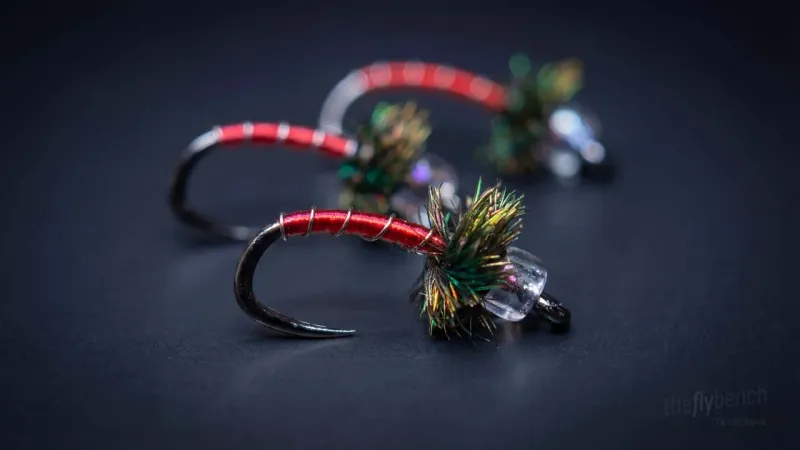
NymphCranefly Larva
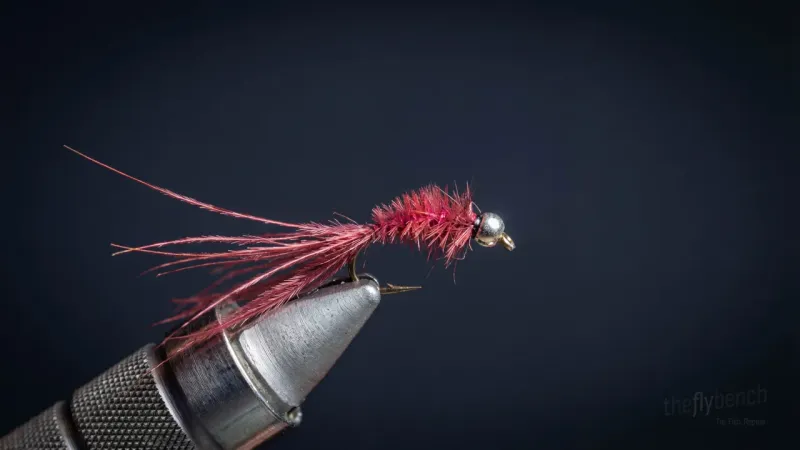
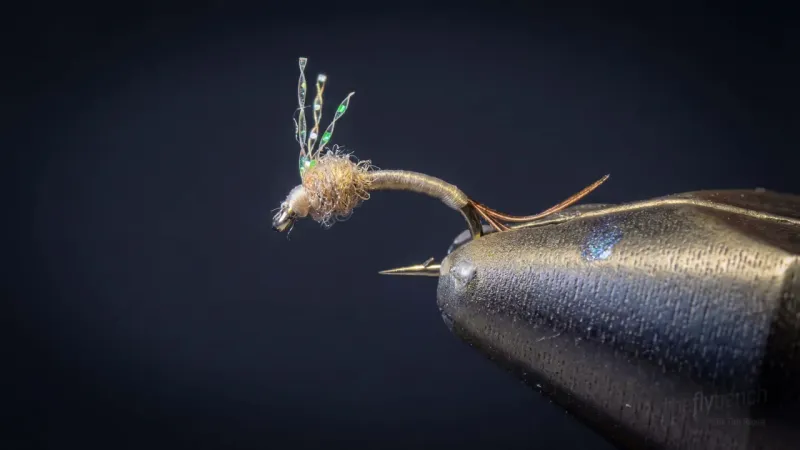
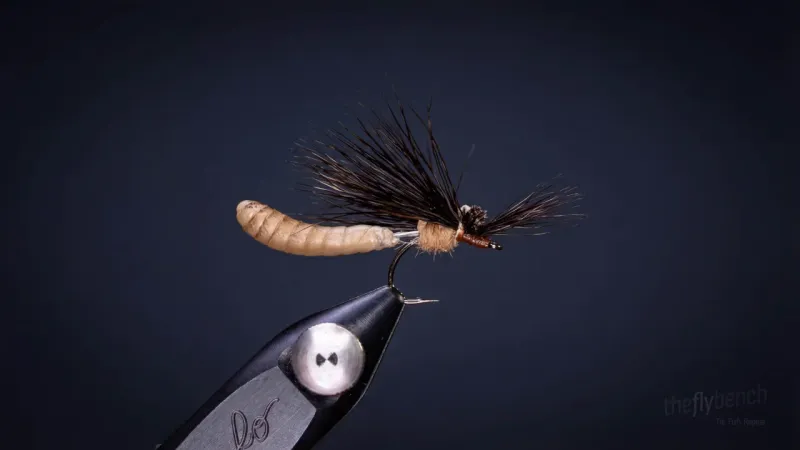
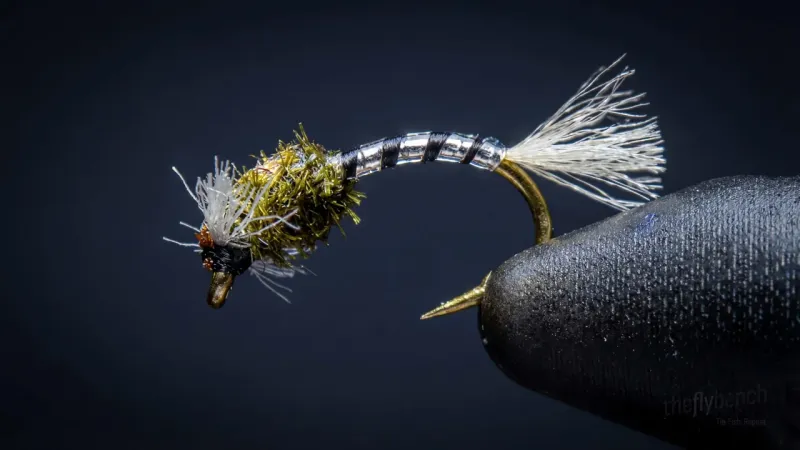
The Cranefly Larva is a simple yet effective nymph that imitates the larval stage of the crane fly. This pattern is a great choice when fish are feeding on bottom-dwelling insects.
Spring, Fall
Beginner
Trout
Apr 2025
Overview
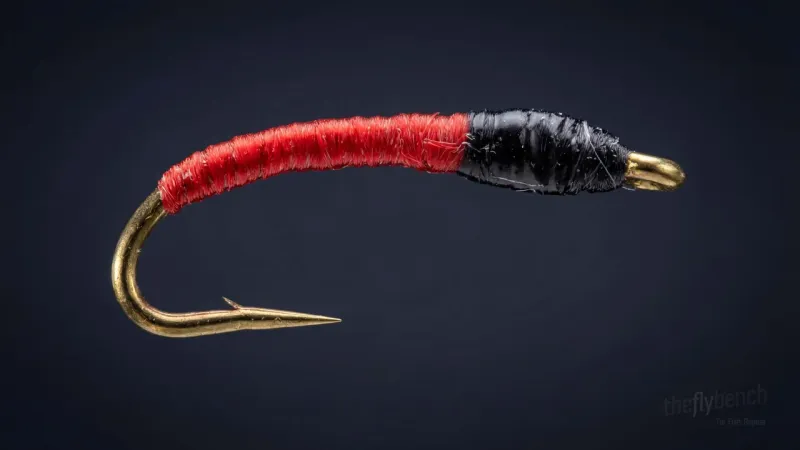
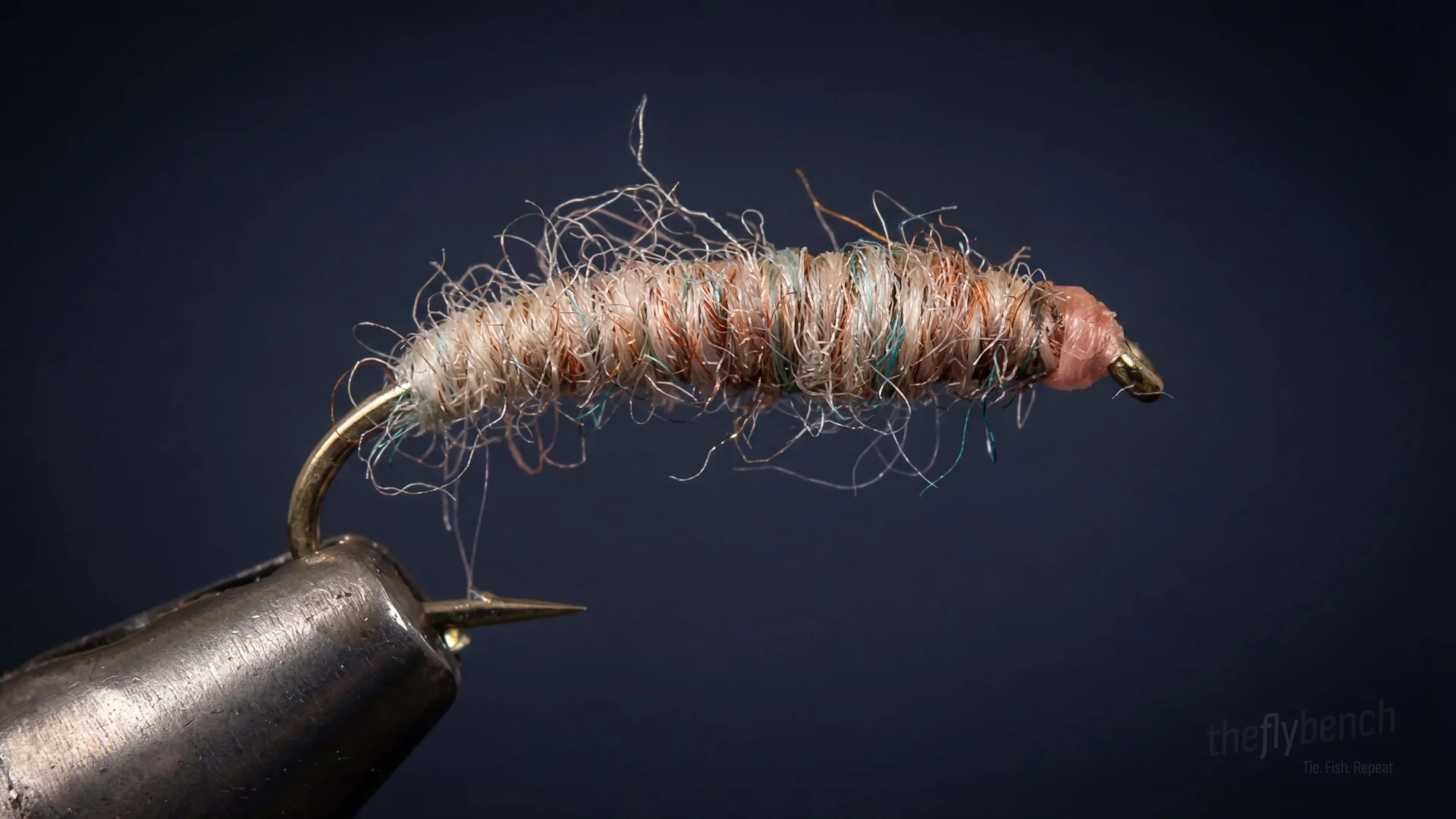
A large, juicy nymph tied with a soft, tapered dubbing body in tan or cream, often with a yarn or mono rib for segmentation. It's weighted heavily to roll along the bottom and imitate crane fly larvae found in muddy banks.
Where to Buy This Fly
We only link to fly shops we trust. Some links are referral links, which may earn us a commission at no extra cost to you.
Materials
- Hook:
- Tiemco 3769, size #10–#14
- Thread:
- Brown UTC 70 denier
- Body:
- Tan chenille
- Ribbing:
- Fine brown wire
- Thorax:
- Natural hare's ear dubbing
Behavior & Presentation
Natural Behavior: Large larvae undulate through silty substrate and vegetation, their segmented bodies flexing with worm-like movement. Trout actively hunt these substantial protein sources.
Where Trout Eat It: Fish target larvae in tail-outs, banks, and weed edges where cranefly larvae inhabit soft substrate.
How to Fish It: Dead drift near bottom or twitch occasionally to mimic the larva's undulating movement through silt.
Best Water: Work tail-outs with soft bottom, banks where larvae burrow, and weed edges near structure.
Strike Type: Feel a solid take as fish grab the large larva profile.
Fishing Strategy
Rigging Suggestions: Consider using a strike indicator to detect subtle bites.
Seasonal Timing: This pattern works best in the when crane flies are most prevalent. Ideal when trout are feeding on bottom-dwelling insects or during a crane fly hatch.
Pro Tips: This fly is designed to sink and may not be highly visible in murky water. Use a strike indicator to detect strikes.
Entomology
Crane fly larvae inhabit saturated bank margins and silty stream edges, their segmented grub-like bodies undulating through organic muck and decomposing vegetation where they feed on detritus. High water events and bank erosion wash these large larvae into the main current where they drift helplessly, wriggling awkwardly. Their size and vulnerability during these flood-driven drift events create opportunistic feeding where fish congregate near undercut banks and disturbed margins, anticipating the delivery of these substantial meals.
- Order
- Diptera
- Family
- Tipulidae
- Common Name
- Crane Fly
- Organism Type
- insect
- Life Stage
- general