Dry FliesMr. Jones Cranefly Dry
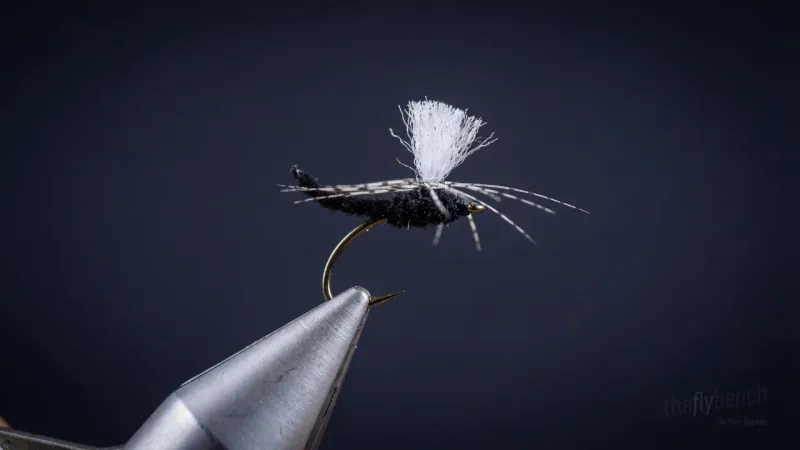
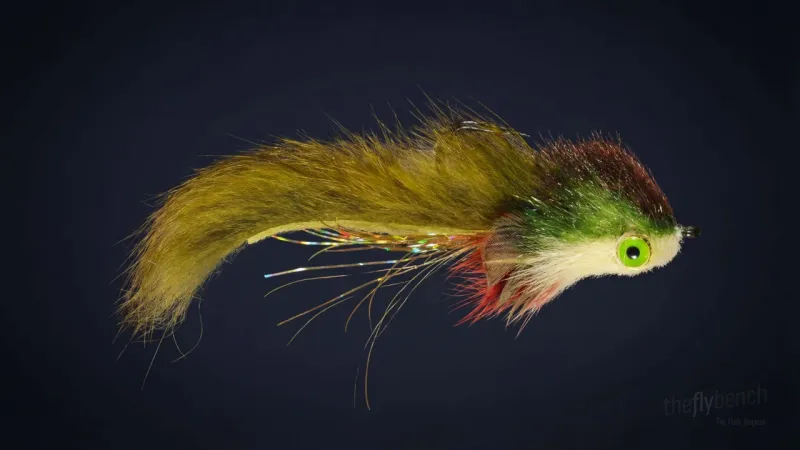
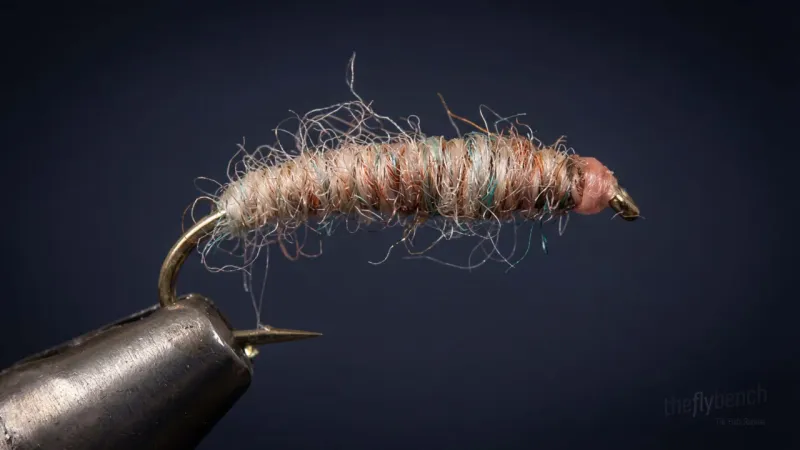
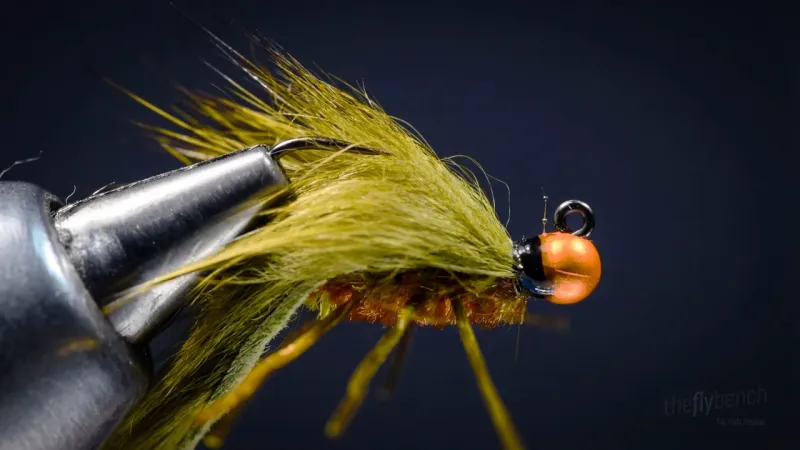
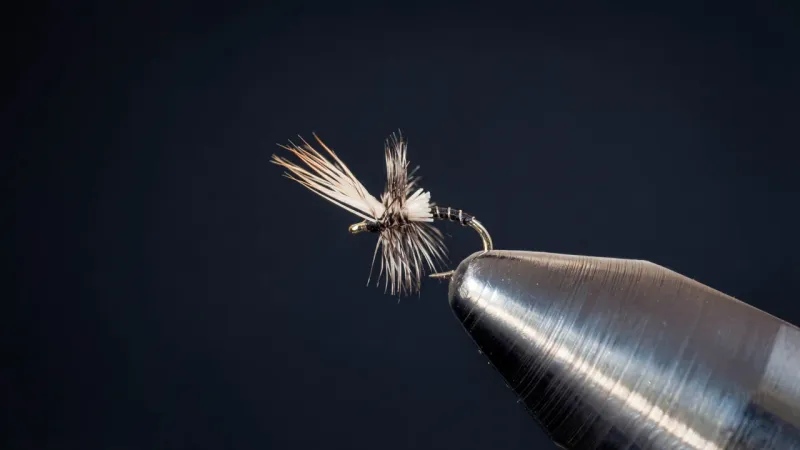
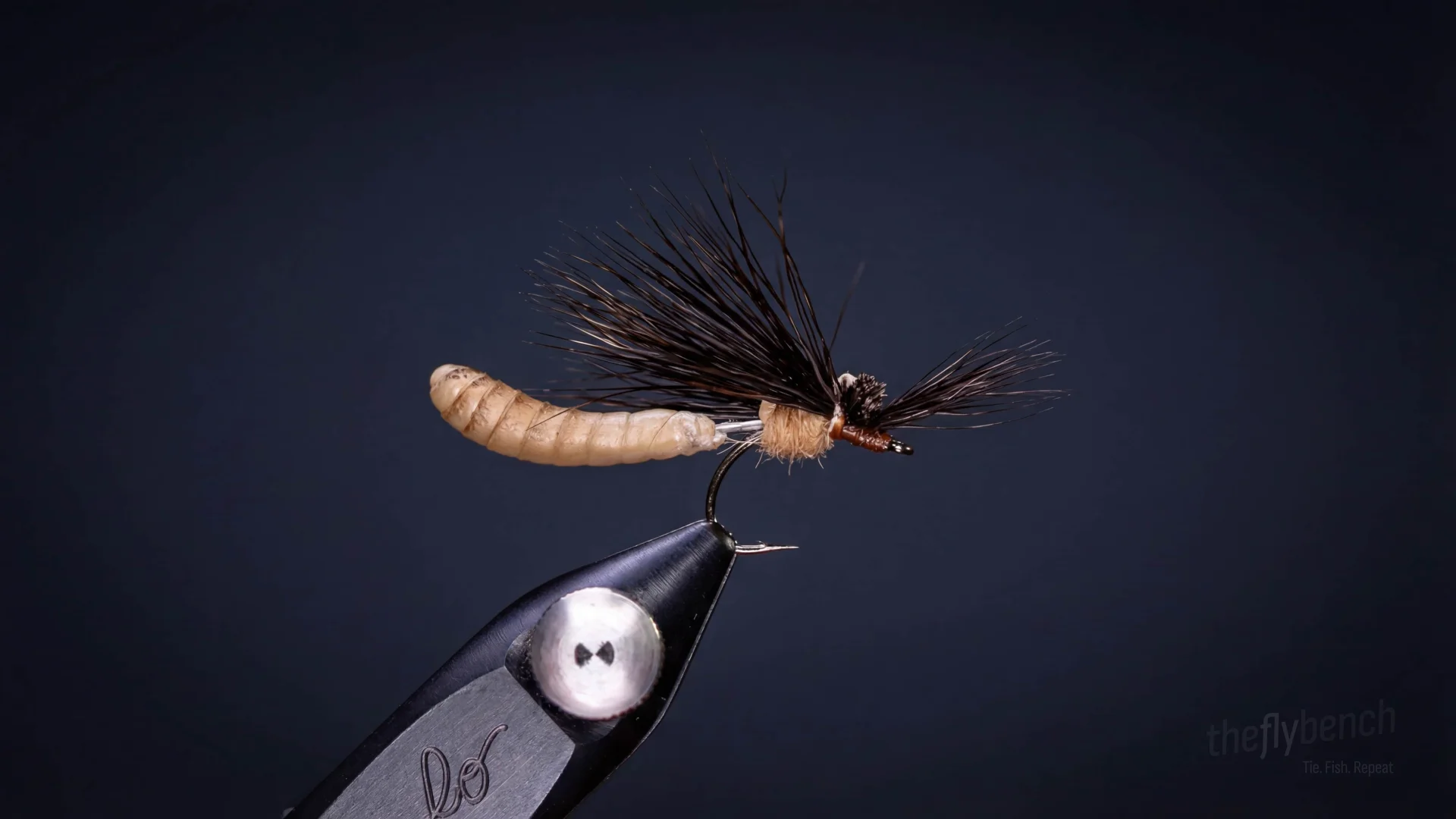
The Mr. Jones Cranefly Dry is an articulated cranefly imitation featuring a realistic extended foam body connected to the hook with monofilament. This innovative two-part design creates the long, delicate profile of adult craneflies while maintaining excellent floatation. The pattern uses bleached moose body hair wings for visibility and Sexi Floss legs that provide the characteristic spindly appearance craneflies are known for.
Summer, Fall
Advanced
Trout
Dec 2025
Overview
This Charlie Craven pattern from Charlie's Fly Box demonstrates an advanced articulated construction technique for creating realistic cranefly imitations. The two-part design separates the extended body from the hook, allowing for a more natural profile and movement on the water. The foam body provides excellent buoyancy while the monofilament connector allows the extended body to move independently. The brown McFlylon underbody beneath the foam creates depth and color variation, while Copic markers add subtle segmentation and realistic coloring. The bleached moose body hair wings give the fly visibility and suggest the delicate wings of natural craneflies.
Materials
Hook: Tiemco 2487, #12
Thread: Veevus 8/0, tan
Thread 2: Nanosilk 18/0 (Semperfli), brick beige
Underbody: McFlylon, brown
Body: Thin Fly Foam, cinnamon
Back: Thin Fly Foam, cinnamon
Body Connector: Monofilament, 01X
Glue: Zap A Gap
Wing: Moose Body Hair, bleached
Legs: Sexi Floss (barred small), amber
Thorax: Superfine Dubbing, cinnamon caddis
Marker: Copic Markers
Behavior & Presentation
Natural Behavior: Crane flies hover clumsily near water on long fragile legs, frequently losing balance and tumbling onto the surface. Their ungainly size and helpless floundering create attractive surface meals for opportunistic feeders.
Where Trout Eat It: Trout strike this articulated pattern along grassy banks and in tail-outs where adult craneflies tumble onto the surface during early summer. The large profile and independent body movement attract fish looking for substantial surface meals on the South Platte during overcast days and evening hours.
How to Fish It: Dead drift with occasional lifts or swings at the end of the drift to create the skating, hopping movement of natural craneflies. The articulated monofilament connector allows the body to move independently—use 4X-5X tippet for proper turnover of the large profile.
Best Water: Focus on grassy banks, tail-outs with calm water adjacent to vegetation, and foam lines where adult craneflies accumulate after clumsy crash-landings. The articulated design excels in shallow bank runs and eddies where trout have time to inspect the large silhouette.
Strike Type: Deliberate sips or splashy refusals occur depending on insect activity—react to visible takes.
Fishing Strategy
Rigging Suggestions: Fish on a 9-12 foot leader tapering to 4X-5X tippet. The larger profile benefits from slightly heavier tippet to turn over the fly properly. Consider using a reach cast to achieve drag-free drifts along structure.
Seasonal Timing: Most effective during early when adult craneflies are abundant. Peak activity typically occurs on overcast days and during evening hours when craneflies are most active near the water.
Pro Tips: The foam body and moose hair wings ensure excellent visibility and floatation. The pattern rides high on the surface, making it easy to track in varying light conditions.
Entomology
Adult crane flies hover clumsily near water on their long, fragile legs, frequently losing balance and tumbling onto the surface with wings splayed. Their ungainly size and helpless floundering make them attractive targets for fish seeking substantial surface meals.
- Order
- Diptera
- Family
- Tipulidae
- Common Name
- Crane Fly
- Organism Type
- insect
- Life Stage
- adult