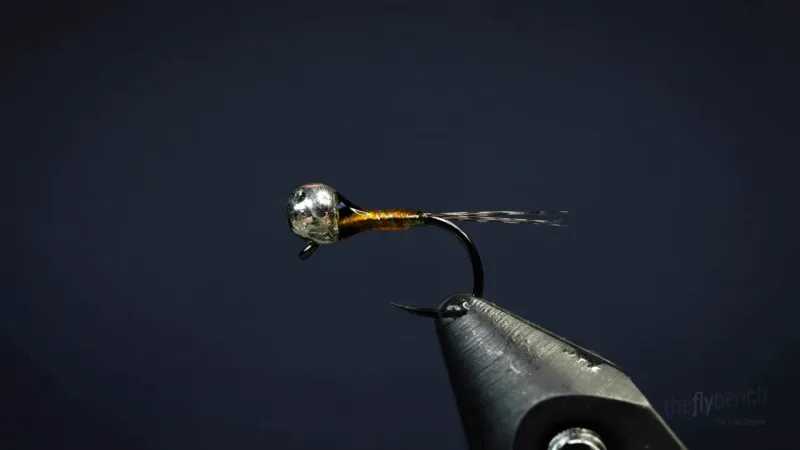
Euro NymphsCode Cracker - PMD Nymph
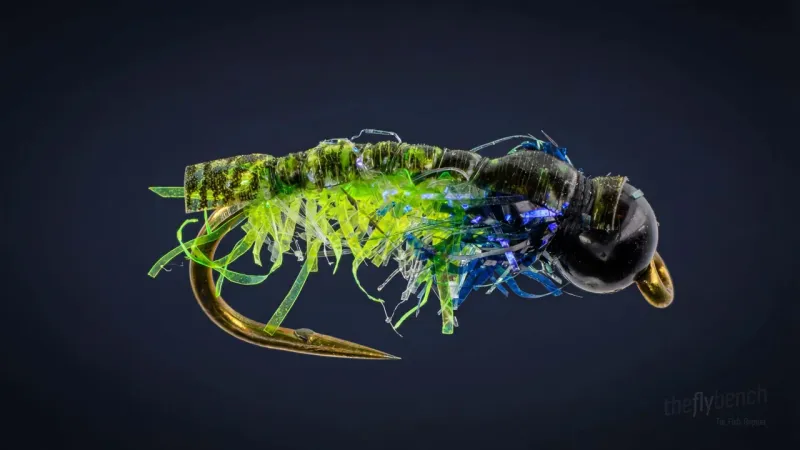
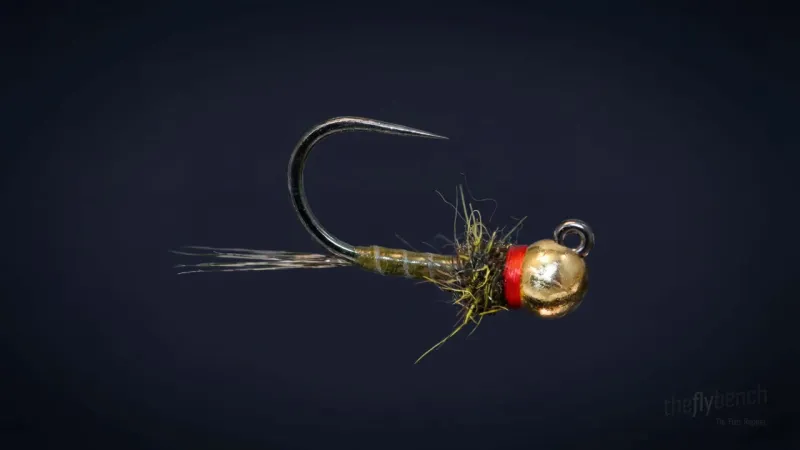
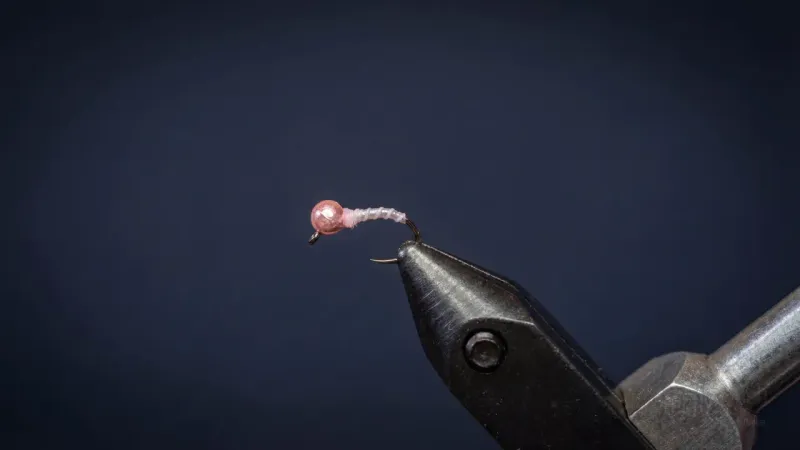
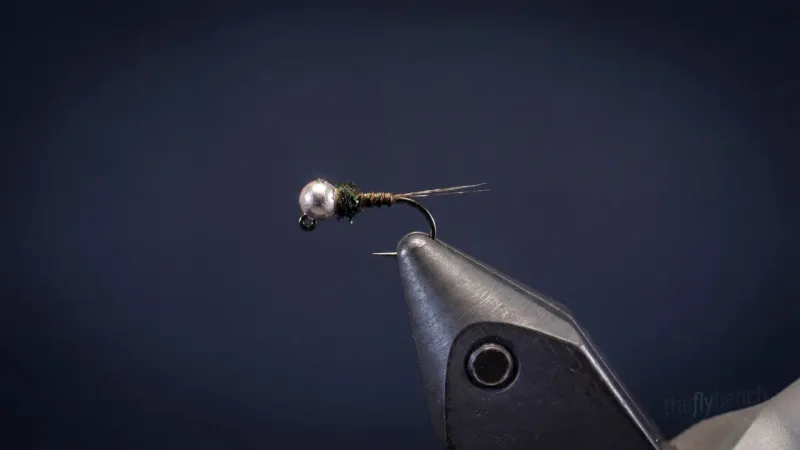
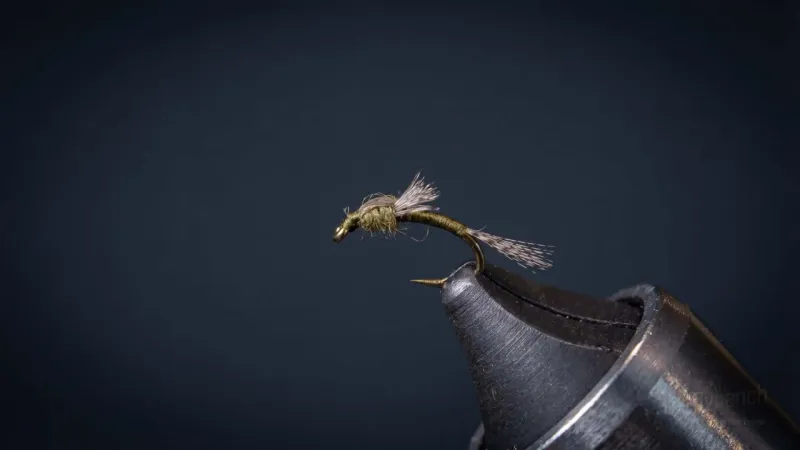
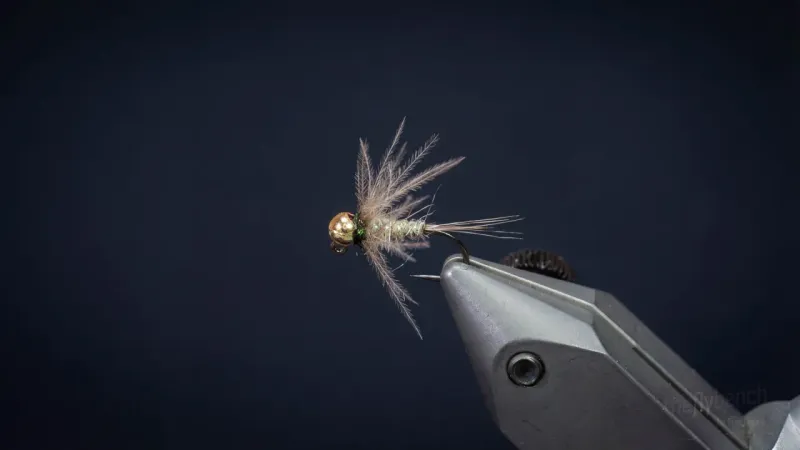
A simplified PMD nymph pattern designed by Cheech that eliminates the complexity of traditional split-case mayfly imitations. The foam wing case provides excellent visibility and creates a realistic segmented appearance without the fussy multi-step process. Quick to tie and highly effective during PMD hatches.
Spring, Summer
Beginner
Trout
Dec 2025
Overview
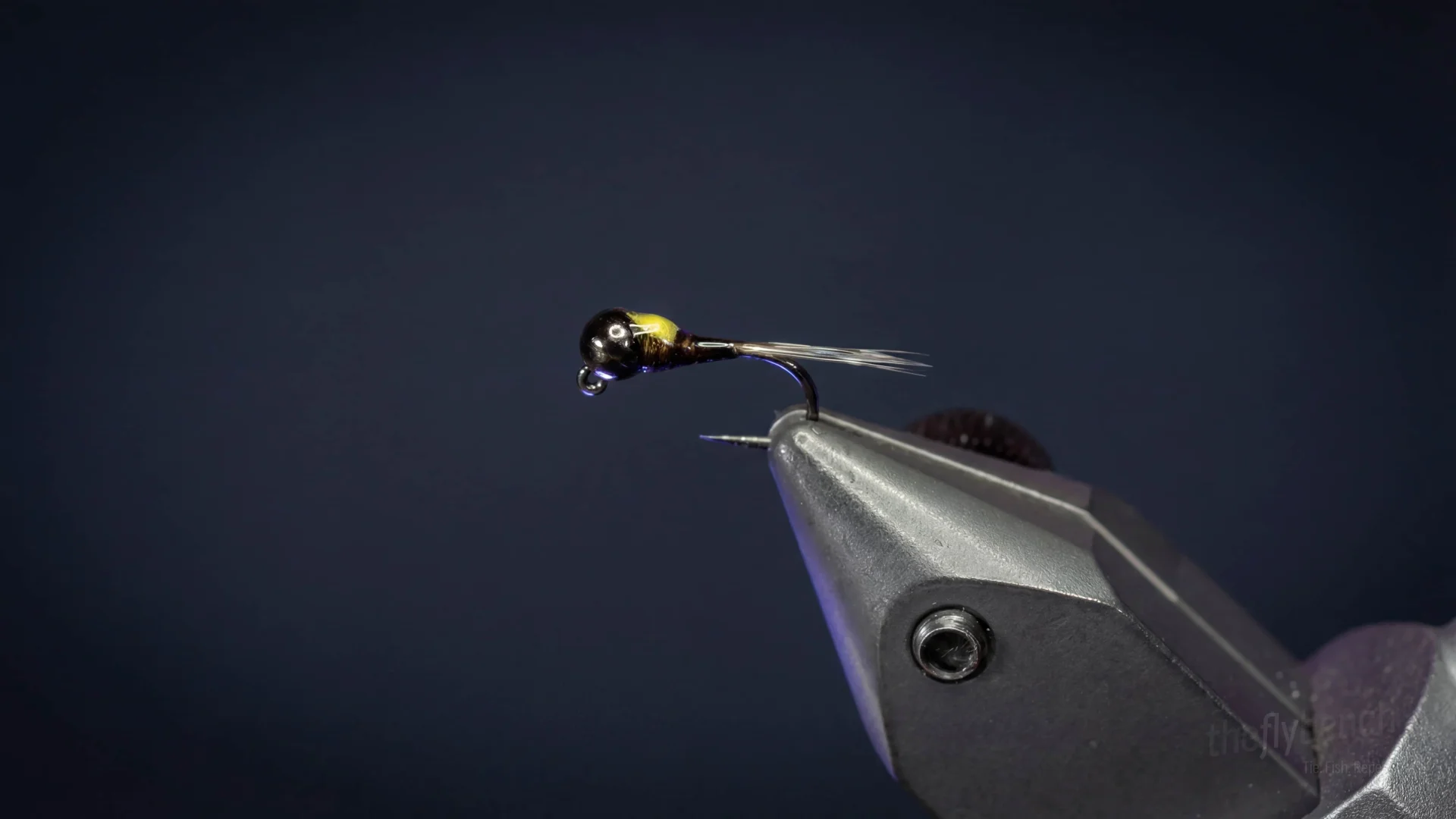
Created by Cheech in August 2021 as a simplified alternative to traditional split-case PMD nymphs. The pattern eliminates multiple tying steps while maintaining effectiveness, making it ideal for quickly stocking your box before PMD season. The foam wing case can be tied in various colors (yellow, tan, olive) to match different mayfly species and local conditions. The UV resin creates a durable, glossy finish that adds realism and longevity.
Materials
Hook: Hanak H 400 BL Jig Hook, size 16
Bead: Hareline Slotted Tungsten Beads, 7/64" (2.8mm), Black
Thread: Semperfli Classic Waxed Thread, 12/0, Dark Mocha Brown
Tail: Spanish Coq De Leon, Pardo
Wing Case: Rainy's Cross-Link Sheet Foam, 0.5mm, Yellow
Resin: Solarez UV Cure Resin, Thin Hard
Light: Loon UV Infiniti Light
Behavior & Presentation
Natural Behavior: Pale morning dun nymphs migrate from deep water toward shallower riffles as metamorphosis approaches, increasing drift rates during pre-emergence activity. Trout key on these nymphs during peak periods because concentrated drift signals imminent surface hatches.
Where Trout Eat It: Fish feed near bottom in runs and riffles, targeting nymphs tumbling through mid-column feeding zones.
How to Fish It: Use euro techniques with tight-line control, casting upstream at 45 degrees to maintain tension.
Best Water: Work runs and pocket water in freestone streams, focusing on riffles where PMDs emerge.
Strike Type: Feel for subtle ticks or sighter pauses as fish intercept the drifting nymph.
Fishing Strategy
Rigging Suggestions: Fish on 10-12 foot leader with 5X-6X fluorocarbon tippet for technical presentations. Use as a point fly in euro nymphing rigs with a lighter pattern as dropper above.
Seasonal Timing: Most effective during late spring and summer Pale Morning Dun hatches, typically late May through August. PMD hatches usually occur during warmer parts of the day, between 10 AM and 2 PM.
Pro Tips: The 2.8mm tungsten bead provides fast sink rate, reaching depths of 2-3 feet quickly in moderate current. The slim jig hook profile cuts through current efficiently and positions the hook point upward to reduce snags.
Entomology
Pale morning dun nymphs prepare for emergence by migrating from deep water toward shallower riffles, increasing drift rates as metamorphosis approaches. Trout key on these pre-emergent nymphs during morning and evening activity peaks when PMD concentrations in the drift signal imminent surface hatches, allowing subsurface feeding before competitive surface activity begins.
- Order
- Ephemeroptera
- Family
- Ephemerellidae
- Common Name
- Pale Morning Dun
- Organism Type
- insect
- Life Stage
- nymph