Dry FliesPMD Sparkle Dun
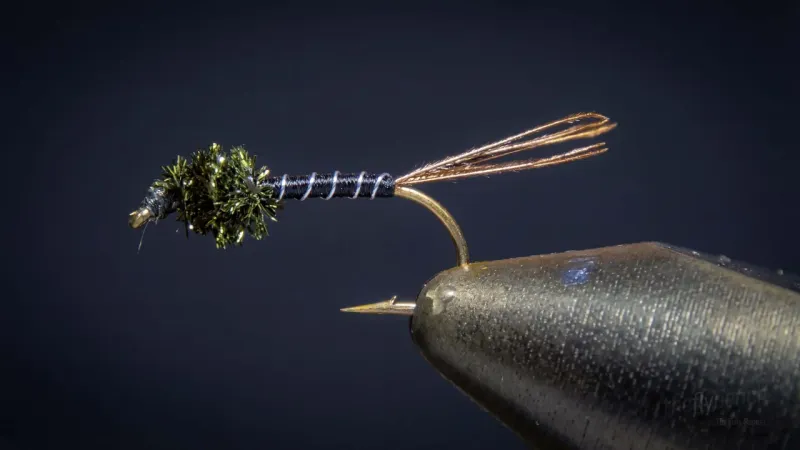
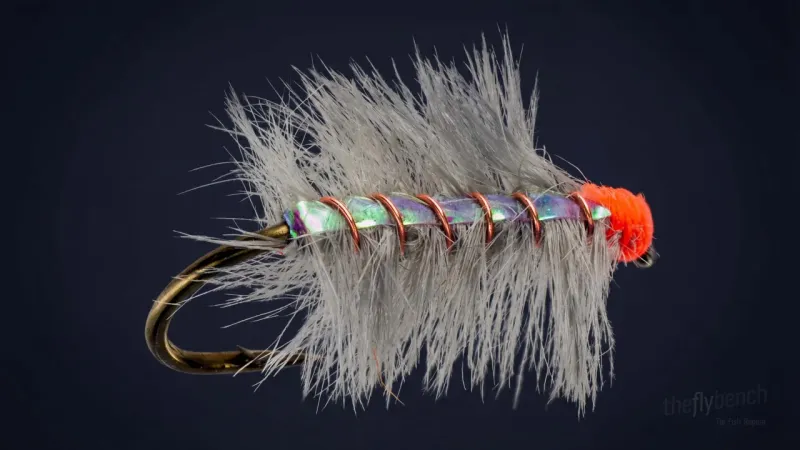
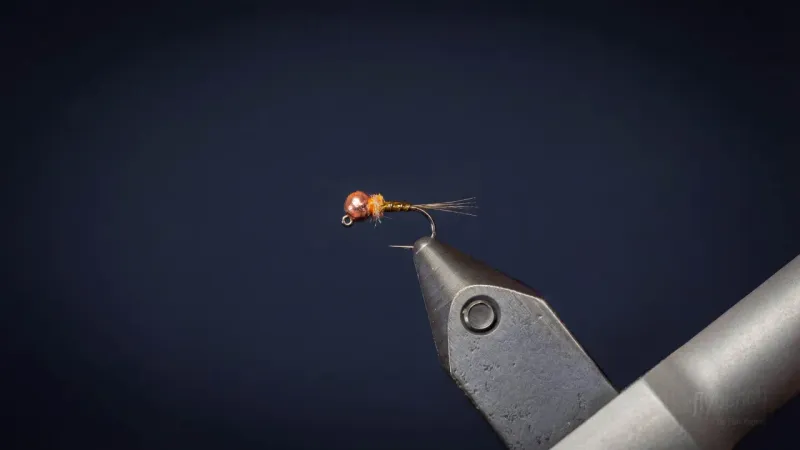
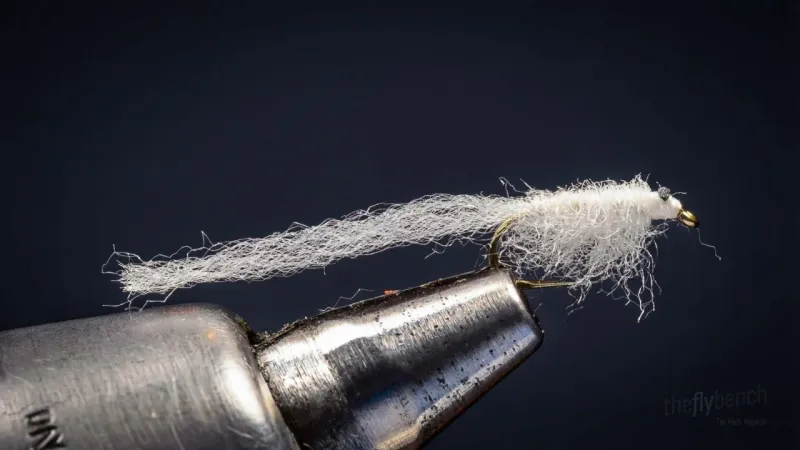
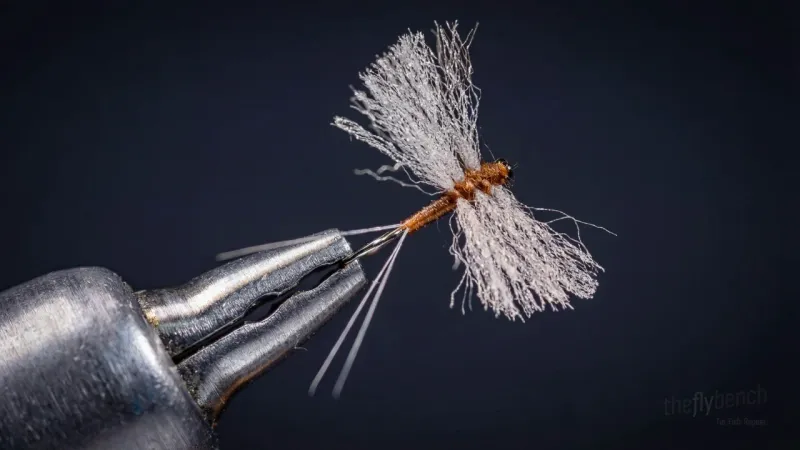
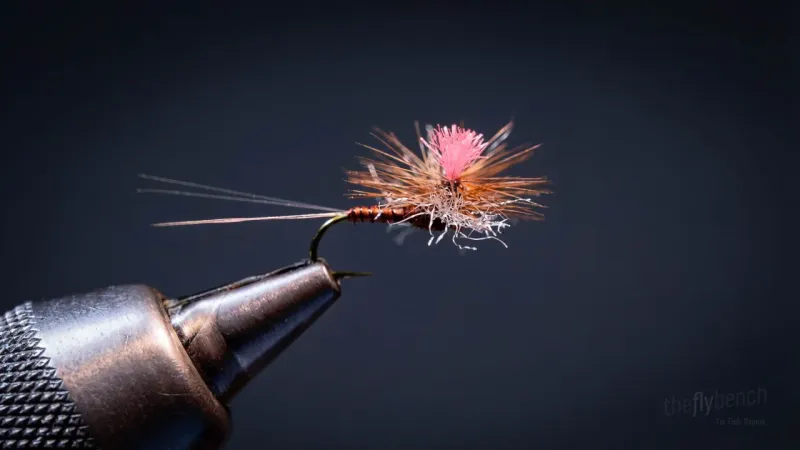
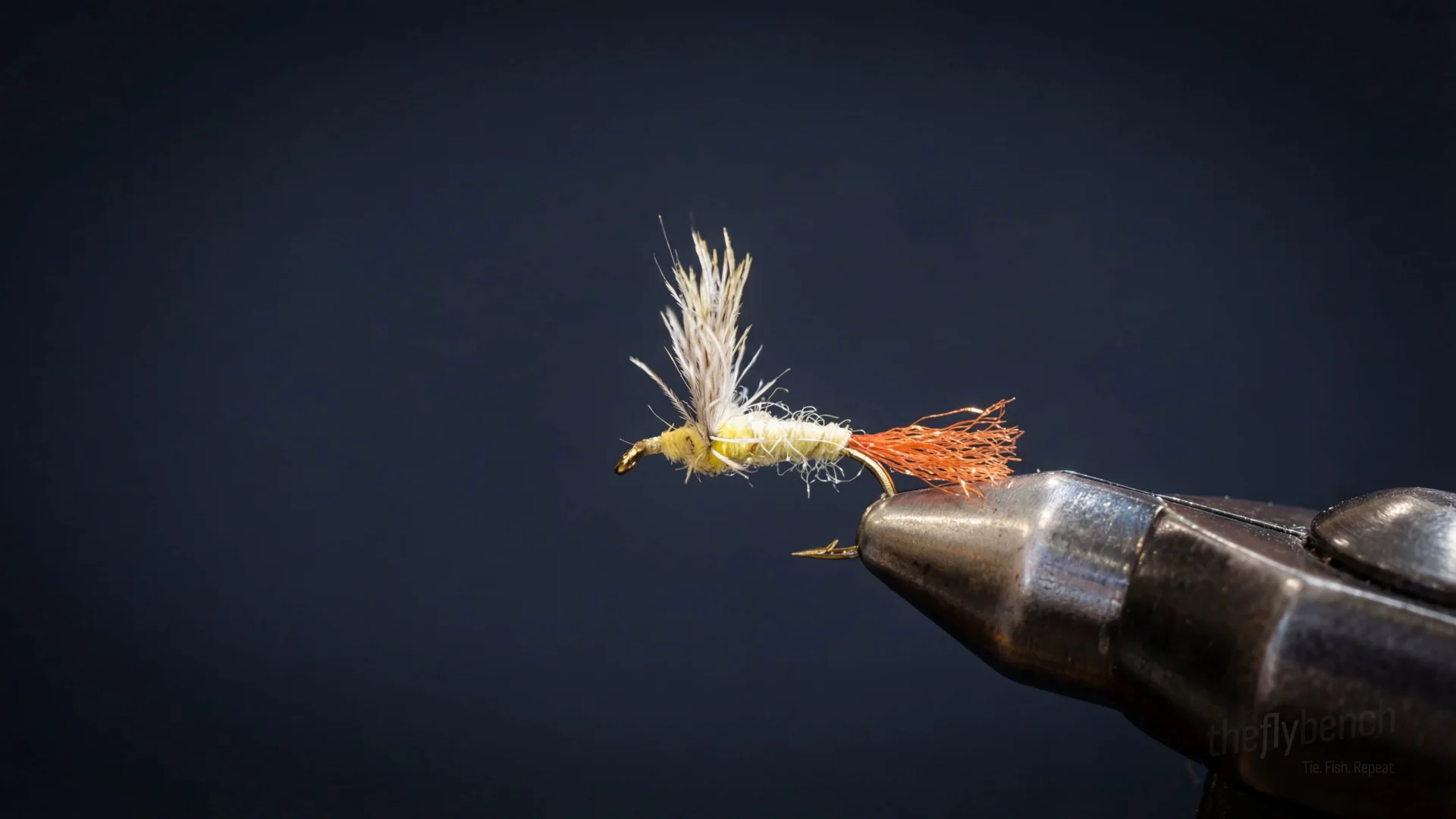
The PMD Sparkle Dun is Craig Mathews' classic emerger pattern tied specifically for Pale Morning Dun mayflies. The sparkle dun deer hair wing creates an impressionistic silhouette while the trailing Zelon shuck and pale yellow dubbing body complete the emerger profile. This pattern excels when PMDs are emerging and fish become selective.
Spring, Summer
Intermediate
Trout
Dec 2025
Overview
The PMD Sparkle Dun follows Craig Mathews' original Sparkle Dun design, refined specifically for Pale Morning Dun hatches. The pattern was developed in West Yellowstone for the technical spring creek and tailwater fishing in the region. The natural sparkle dun deer hair creates a translucent wing effect that fish find convincing during heavy emergences.
Materials
Hook: Tiemco 100 or Umpqua U001, #16-18
Thread: Uni-Thread, 8/0, light cahill
Shuck: Crinkled Zelon, mayfly brown
Body: Superfine Dubbing, pale yellow (PMD)
Wing: Sparkle Dun Deer Hair, natural
Behavior & Presentation
Natural Behavior: Pale Morning Dun adults float vulnerably during wing-drying phase, their translucent bodies and upright wings creating classic mayfly silhouettes. Extended surface time during emergence makes them priority targets for selective feeders.
Where Trout Eat It: Trout sip this flush-floating emerger during Pale Morning Dun hatches on technical spring creeks and freestones, focusing on the Zelon shuck trailing below and deer hair wing sitting flush in the film. Selective trout on the Henry's Fork key on this exact profile during late morning emergences.
How to Fish It: Fish with drag-free drifts in the surface film, allowing the Zelon shuck to trail below while the deer hair wing remains visible for tracking. Use 5X-6X tippet and grease your leader but not the fly—present gently to selective fish during late morning and afternoon PMD hatches.
Best Water: Most effective in tail-outs, back eddies, and glassy runs of spring creeks and freestones during June-August PMD hatches. The low-riding profile excels on flat water where trout have time to inspect emergers and refuse high-floating dries.
Strike Type: Fish sip PMD duns with refined takes—watch for nose-pokes and subtle surface rings on calm water.
Fishing Strategy
Rigging Suggestions: Fish on 10-12 foot leader with 5X-6X tippet. The pattern floats well but may need periodic drying. Keep the wing dressed with floatant.
Seasonal Timing: Most effective from late May through August during PMD hatches. Peak performance during afternoon hours when PMD emergence is strongest on most waters.
Pro Tips: The natural deer hair wing provides good visibility and floatation. Pattern rides in the film like a natural emerger.
Entomology
Pale Morning Dun adults rest vulnerably on the water surface after emergence, their wings expanding and drying in a fixed position for several minutes. Trout feed aggressively on PMD duns because these mid-morning hatches provide predictable, high-quality protein during prime feeding windows in summer months.
- Order
- Ephemeroptera
- Family
- Ephemerellidae
- Common Name
- Pale Morning Dun
- Organism Type
- insect
- Life Stage
- dun