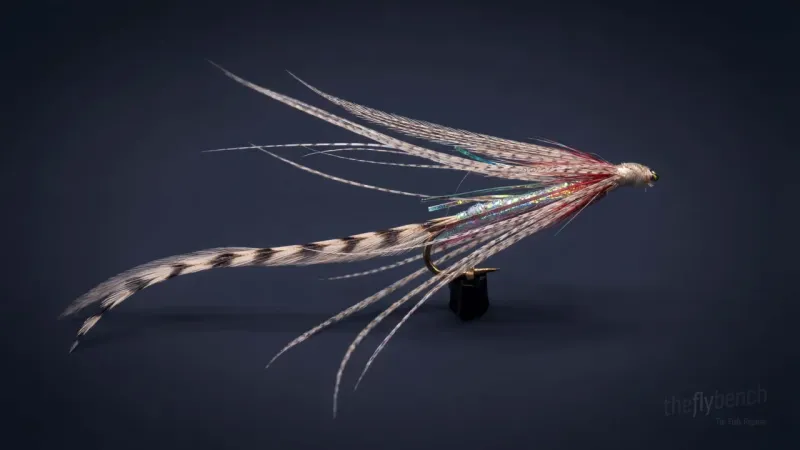
StreamersFish Skull Double Bunny
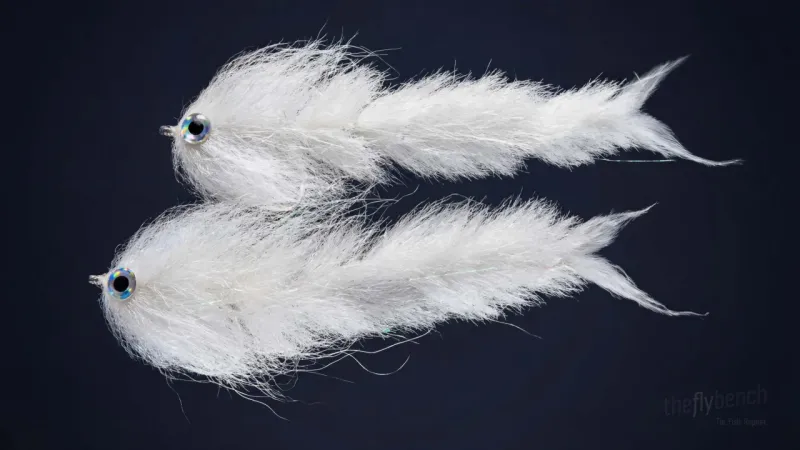
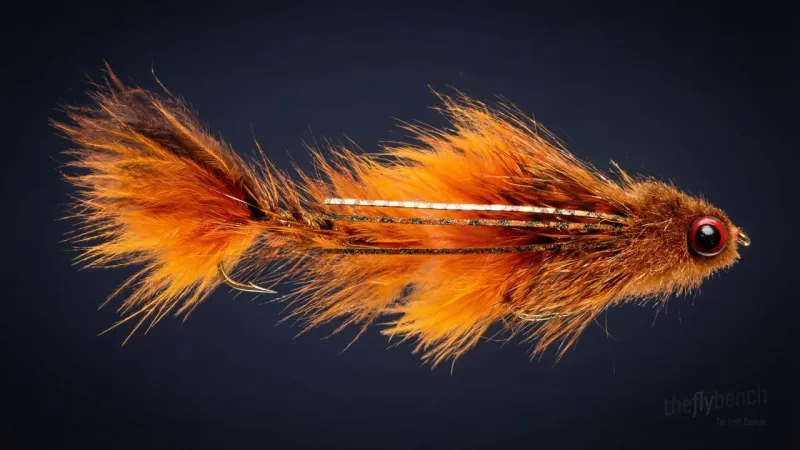
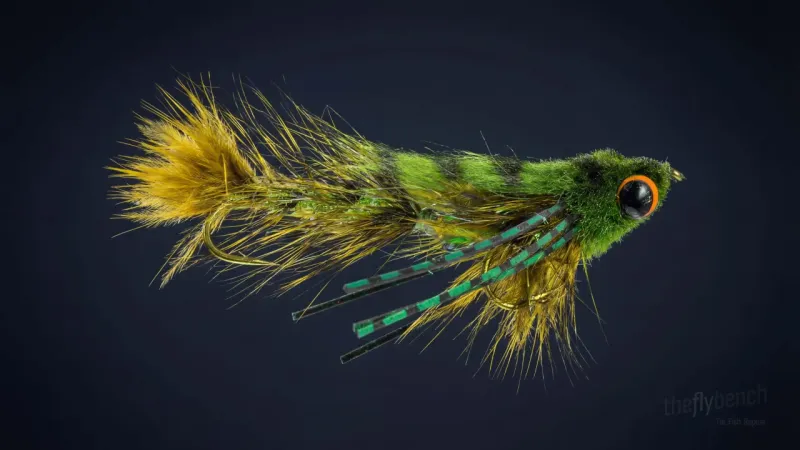
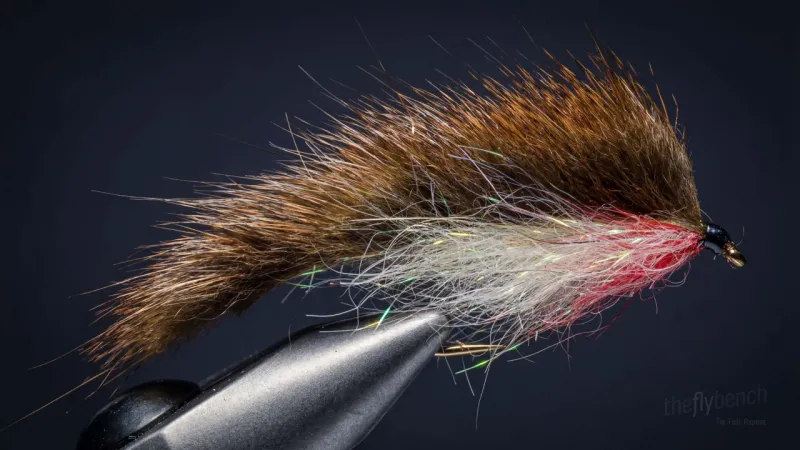
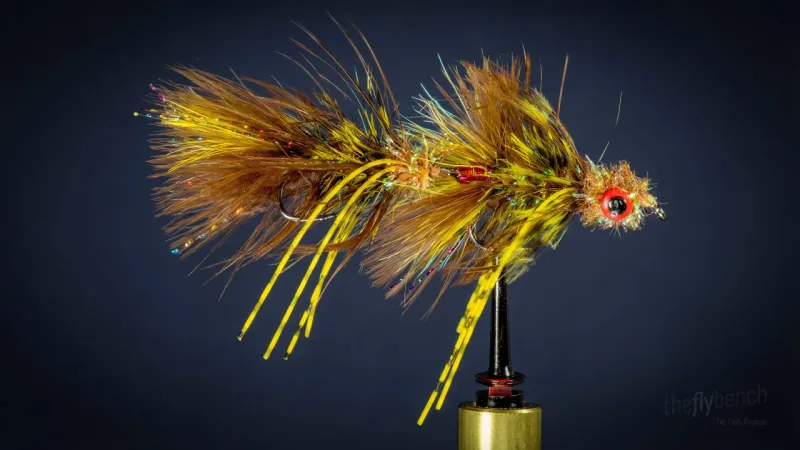
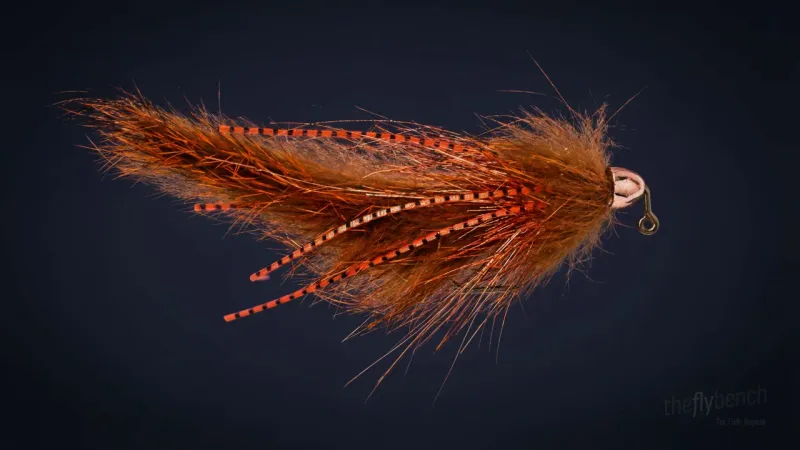
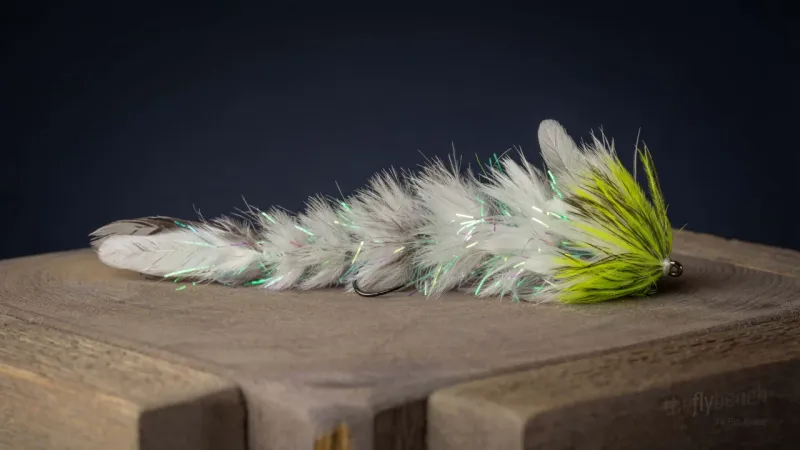
The Fish Skull Double Bunny is a highly effective streamer pattern, designed to imitate a struggling baitfish. The rabbit fur tail, combined with the weight of the fish skull, gives it a lifelike action in the water that is irresistible to predatory fish.
Spring, Summer, Fall
Advanced
Trout, Bass
Apr 2025
Overview
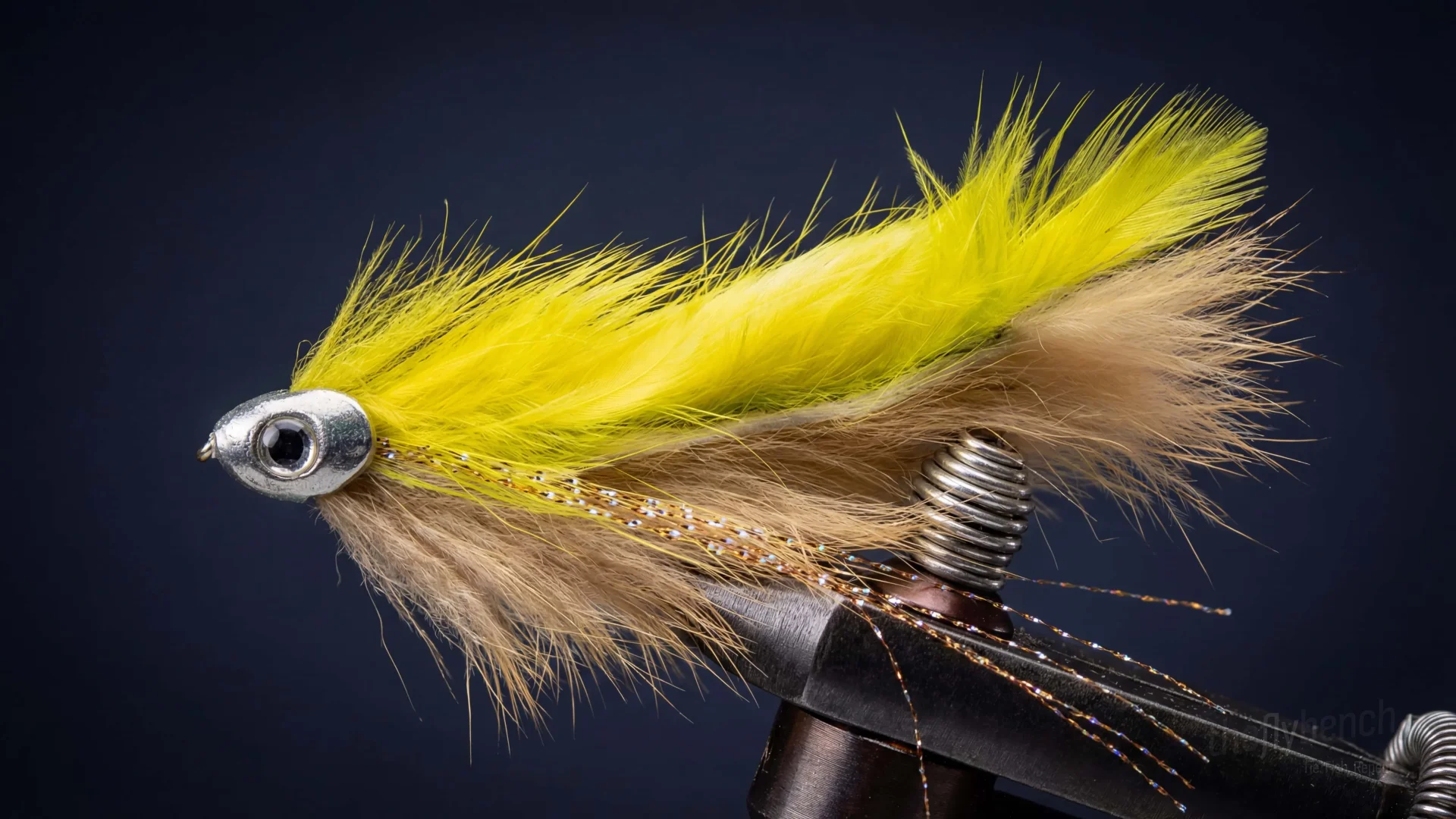
A modern take on the Double Bunny using Fish Skull heads for weight and profile. The double rabbit strips are glued back-to-back, then tied on articulated hooks. The Fish Skull adds realism and eliminates the need for a conehead or dumbbell eyes.
Where to Buy This Fly
We only link to fly shops we trust. Some links are referral links, which may earn us a commission at no extra cost to you.
Materials
- Hook:
- #02-04 Tiemc0 5263
- Weight:
- .015-.020 Lead Free Wire
- Thread:
- White UTC 140
- Body:
- Tan and Olive/Chartreuse Zonker Rabbit Strip
- Flash:
- Copper or Gold Krystal Flash
- Head:
- Medium or Large Fish Skull
Behavior & Presentation
Natural Behavior: Injured baitfish swim with exaggerated tail-kicking and irregular speed, often rolling slightly as they struggle to maintain depth in current. The thick body profile mimics larger prey like chubs or suckers that justify aggressive pursuit.
Where Trout Eat It: Mid-column to bottom depths in pools, runs, and along undercut banks where trophy fish hunt.
How to Fish It: Swing or strip with varied speed to imitate different stages of baitfish distress and weakening.
Best Water: Target deep pools, undercut banks, and drop-offs where large predators position for substantial meals.
Strike Type: Feel jarring grabs as line tightens, often during swing or pause when fly appears most vulnerable.
Fishing Strategy
Rigging Suggestions: Use a heavy leader and tippet to withstand aggressive strikes. An 8-10 weight rod is recommended.
Seasonal Timing: Effective during peak feeding periods when water temperatures and conditions support active feeding behavior.
Pro Tips: The Fish Skull Double Bunny sinks quickly and maintains a lifelike swimming action. The contrasting colors of the rabbit fur tail and the flashabou body make it highly visible, even in murky waters.
Entomology
Injured or disoriented baitfish swim with exaggerated tail-kicking motion and irregular speed, often rolling slightly as they struggle to maintain depth and direction in current or open water. The double-strip design mimics the thick body profile of larger prey species like chubs, suckers, or juvenile trout, which represent substantial caloric intake that justifies aggressive pursuit by trophy-sized predators. This type of prey movement pattern—rhythmic but unstable—signals to fish that the target is compromised and unlikely to escape, triggering chase responses even in well-fed fish.
- Organism Type
- baitfish
- Life Stage
- general