StreamersWoolly Bugger
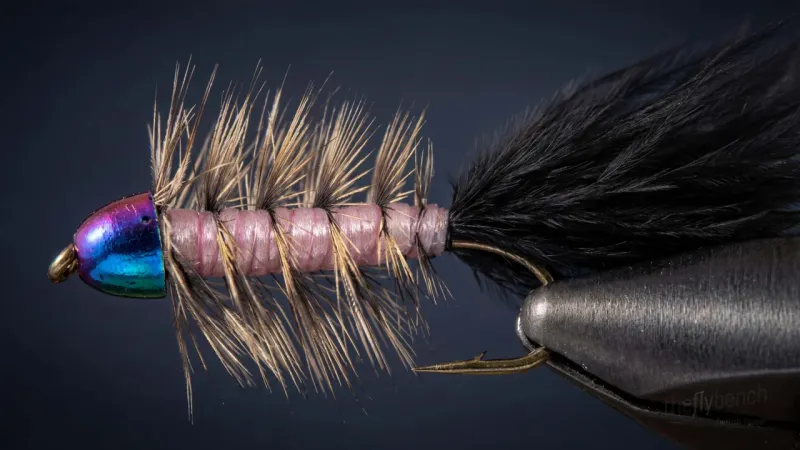
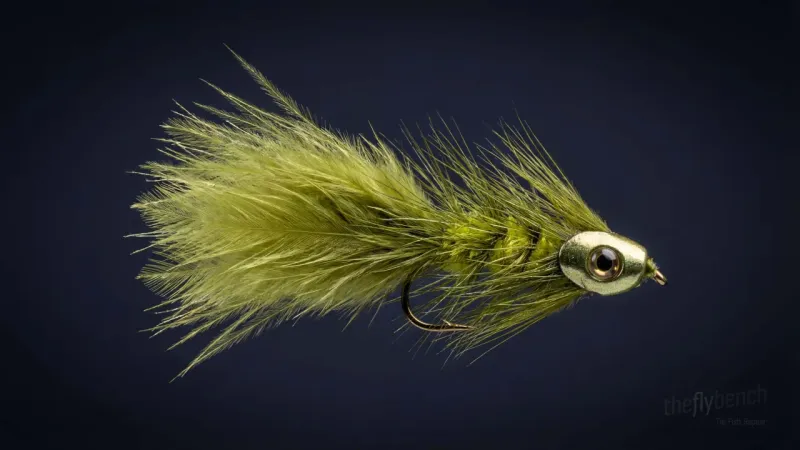
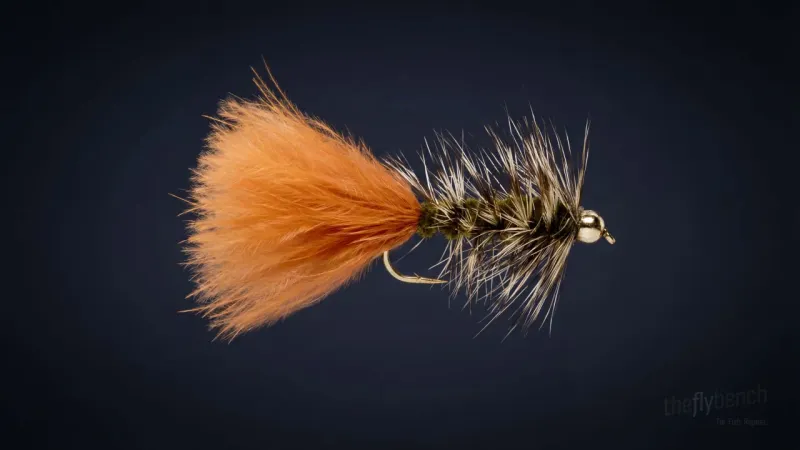
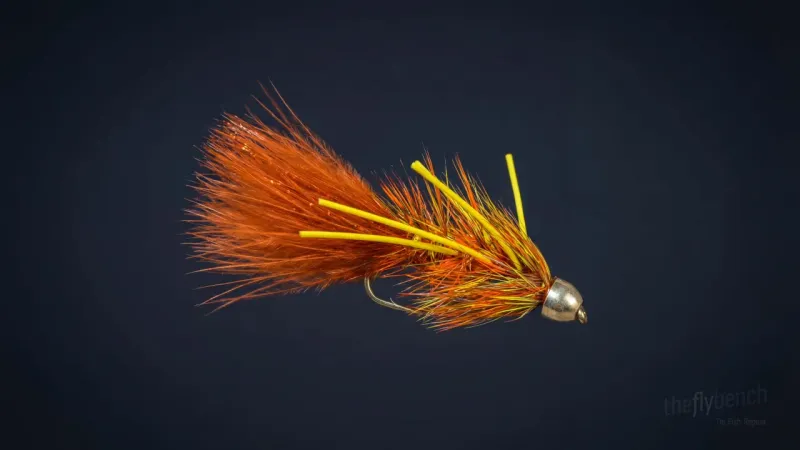
The Beadhead Woolly Bugger is a classic and versatile streamer pattern that is known for its effectiveness in attracting a wide range of fish species. Its wiggly motion and beadhead gives it an irresistible allure to fish.
Spring, Summer, Fall, Winter
Intermediate
Trout, Bass
Apr 2025
Overview
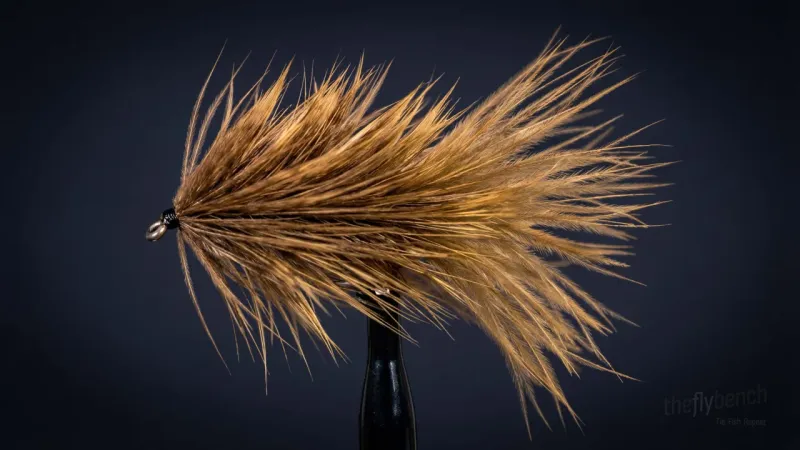
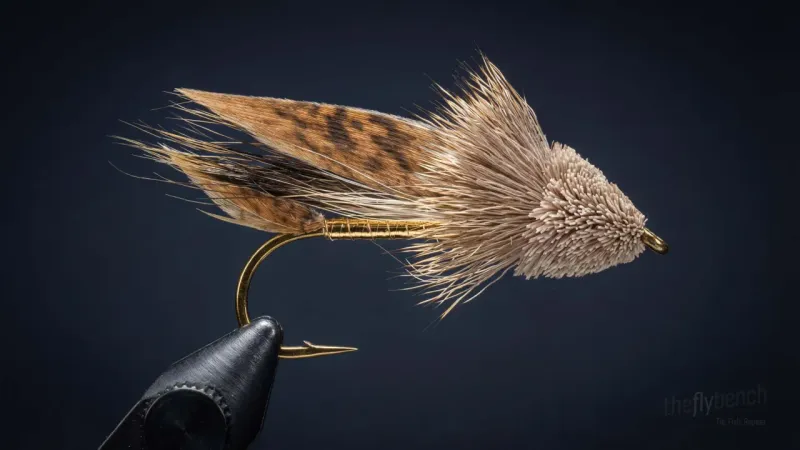
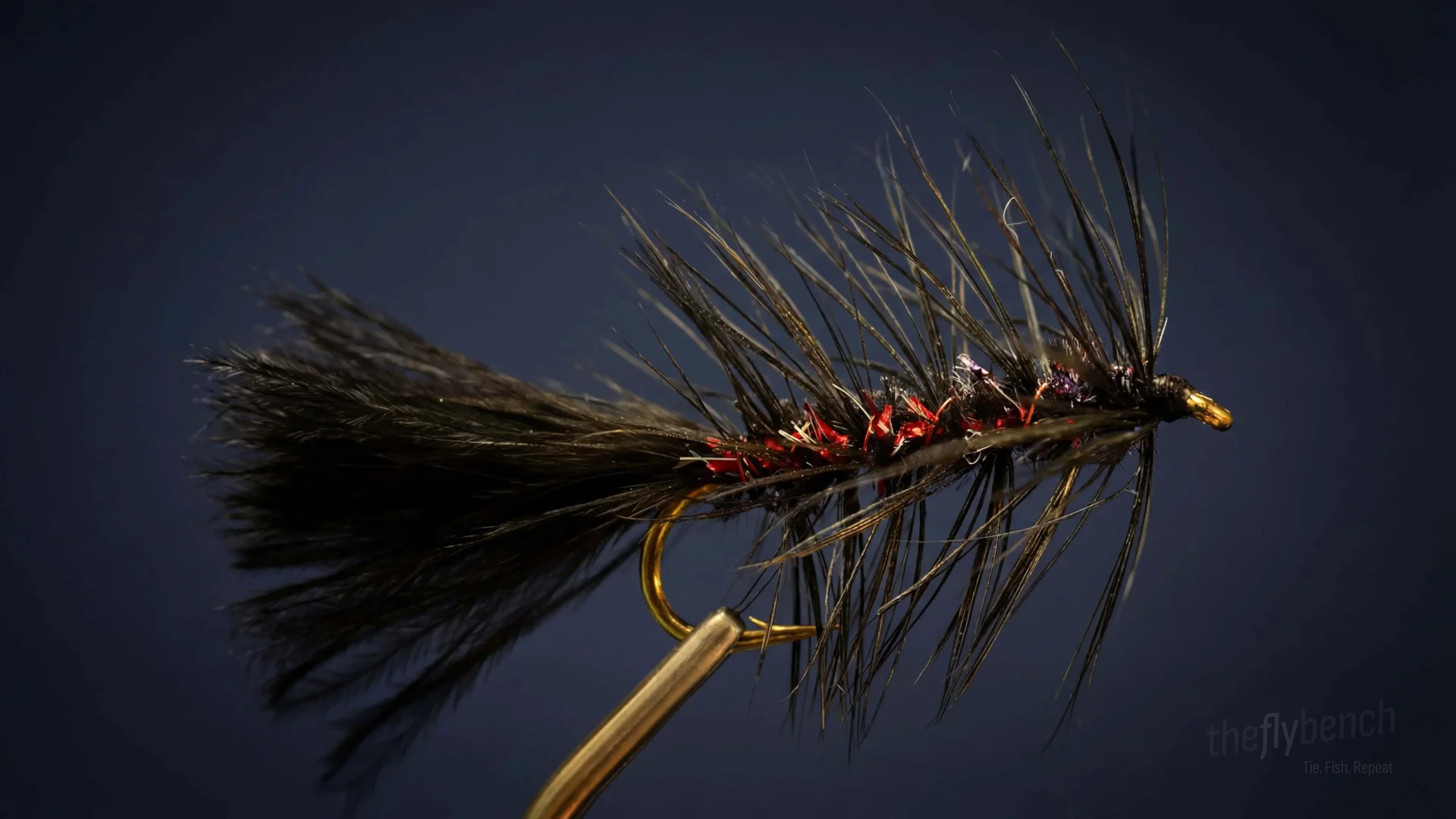
The Woolly Bugger is a staple streamer pattern tied with a marabou tail, chenille body, and palmered hackle for maximum movement and versatility. It can be weighted with lead wire or fished unweighted depending on the water depth. This pattern imitates everything from baitfish to leeches and is effective in nearly any freshwater fishing scenario.
Where to Buy This Fly
We only link to fly shops we trust. Some links are referral links, which may earn us a commission at no extra cost to you.
Materials
- Hook:
- TMC 5263 #4-10
- Thread:
- Semperfli Classic Waxed Thread - 6/0 - Black
- Tail:
- Strung Blood Quill Marabou - Black
- Chenille:
- Chenille - Medium - Black
- Hackle:
- Hebert Miner Pro Grade Cape - Black
Behavior & Presentation
Natural Behavior: Leeches pulse through water with undulating movements, rising and falling in the column as they search for hosts.
Where Trout Eat It: Predatory fish ambush from structure and deep water, striking prey moving erratically through all water types.
How to Fish It: Strip retrieve with varying speeds and pauses, creating erratic movements that trigger predatory strikes.
Best Water: Work undercuts, drop-offs, and deep pools where predators hold. Weed edges and channel swings concentrate activity.
Strike Type: Feel aggressive thumps or sudden weight as fish strike hard and turn with the pattern.
Fishing Strategy
Rigging Suggestions: Use 3X-4X tippet for trout, heavier for bass. Pair with sink-tip or full-sinking line to reach depth in lake. Floating line works in shallow riffles and runs.
Seasonal Timing: Effective year-round with peak success in (March-May) and (September-November) when fish are actively feeding. Remains productive through in tailwaters and southern waters.
Pro Tips: The marabou tail creates lifelike undulation in current. Vary colors based on conditions—olive and black for natural forage, white for baitfish, or bright colors in stained water.
Entomology
Baitfish like sculpins and small minnows dart erratically through the water column, alternating between quick bursts of speed and momentary pauses as they navigate between cover. When injured or disoriented, they exhibit an irregular swimming motion that broadcasts vulnerability to every predator in the vicinity. Trout key on these movements because baitfish represent the highest caloric return available, making them worth the energy expenditure of an aggressive chase.
- Organism Type
- baitfish
- Life Stage
- general