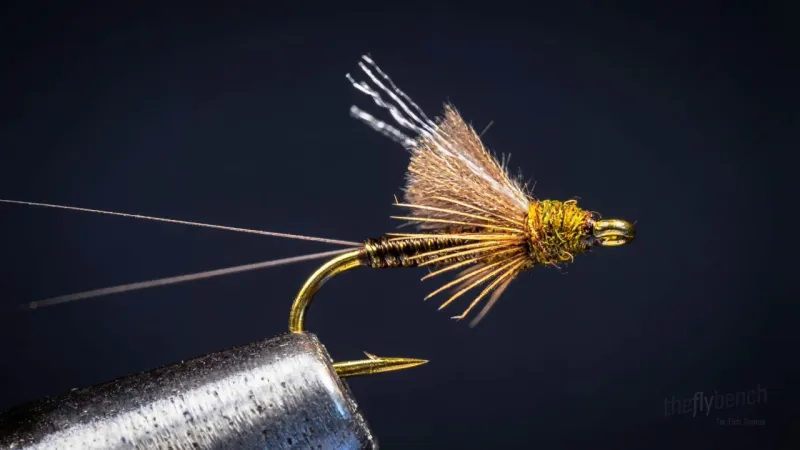
Midge / EmergersTak's Baetis Emerger
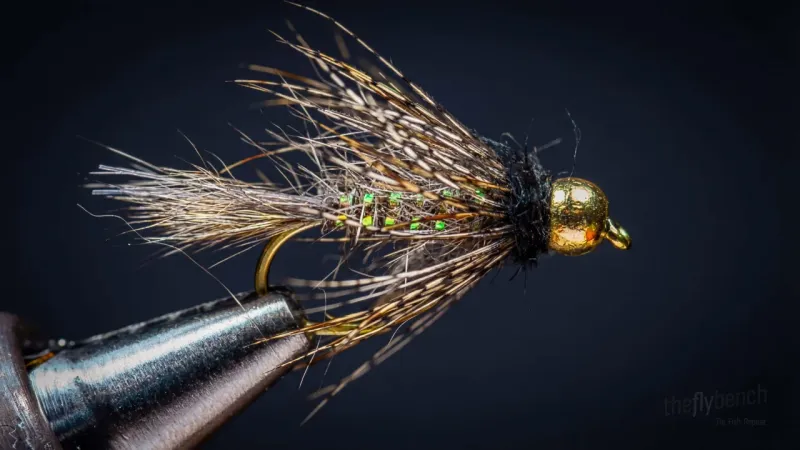
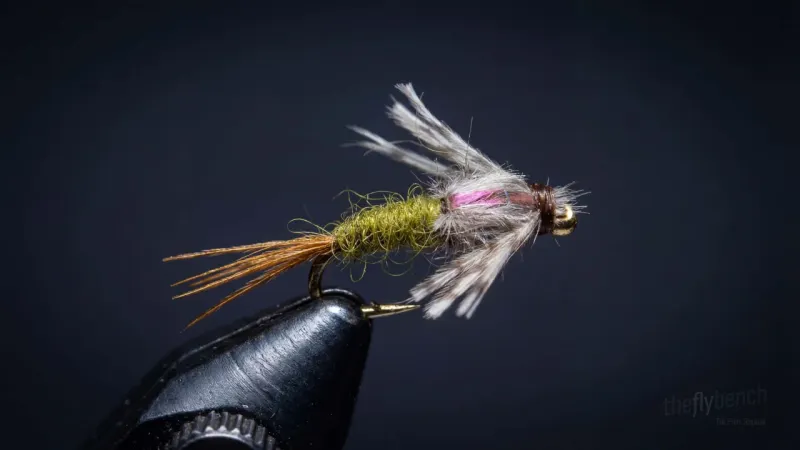
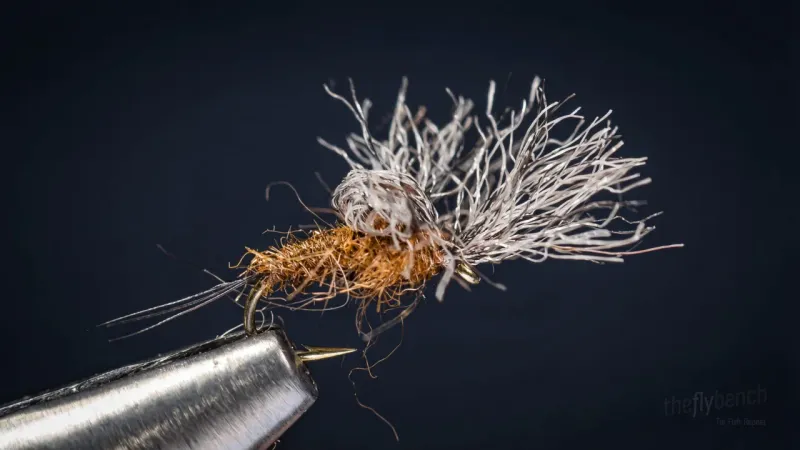
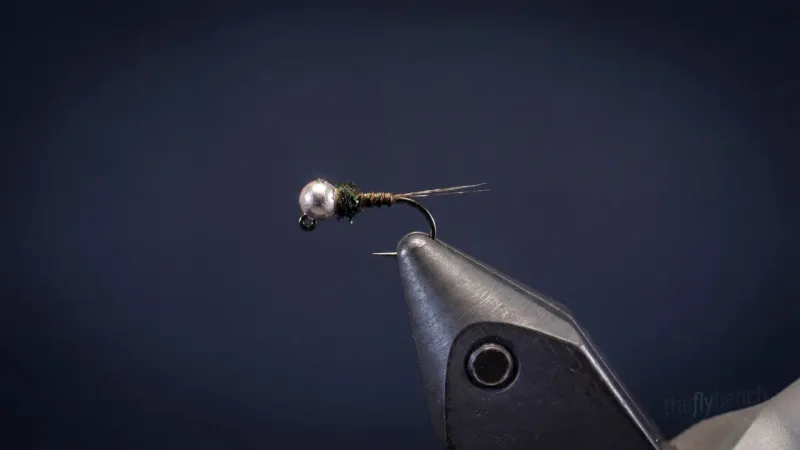
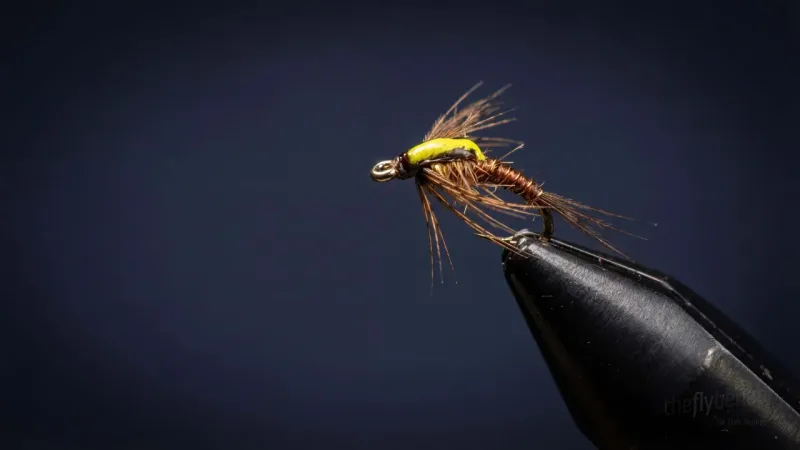
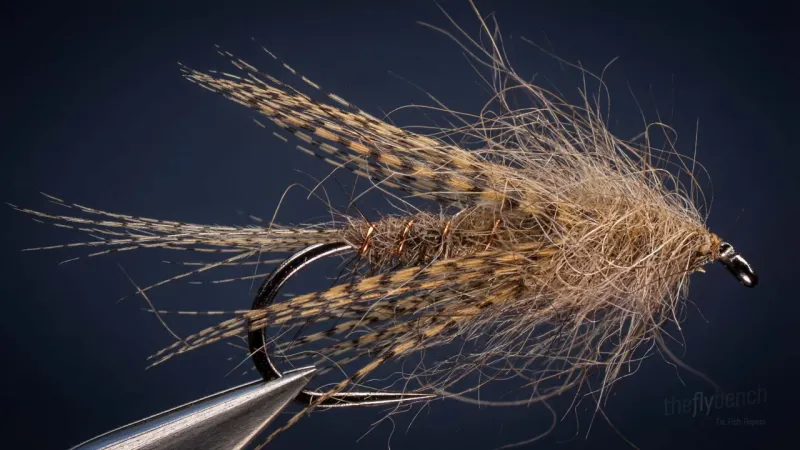
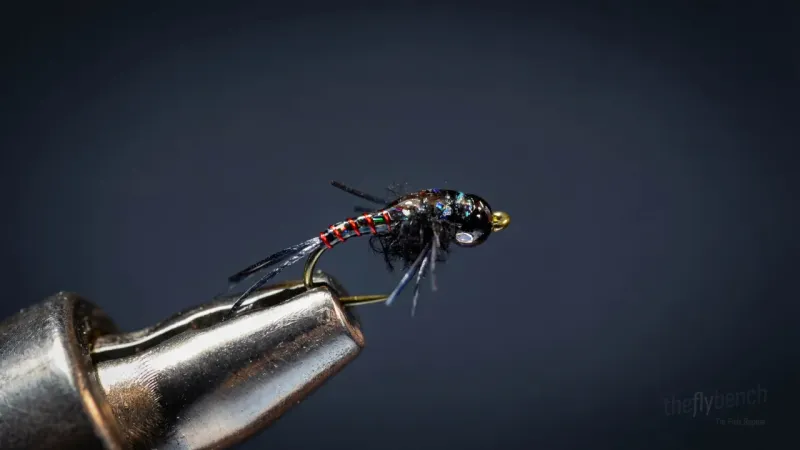
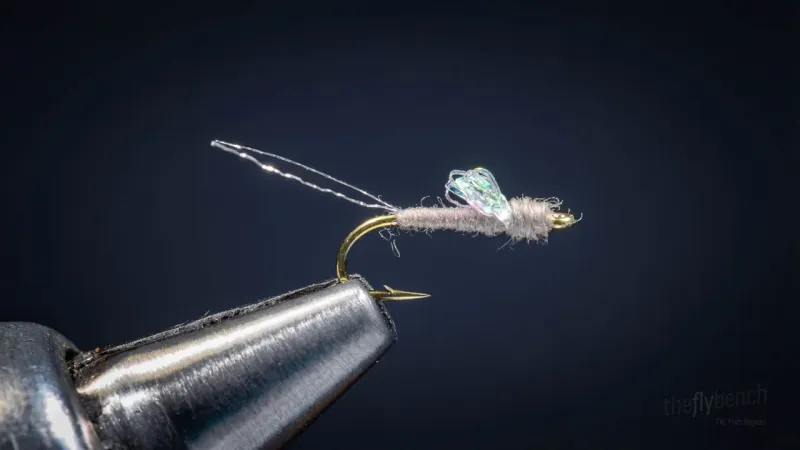
This pattern is an effective imitation of a Baetis mayfly in its emergent stage. The soft hackle and trailing shuck give it a highly realistic profile.
Spring, Fall
Intermediate
Trout
Apr 2025
Overview
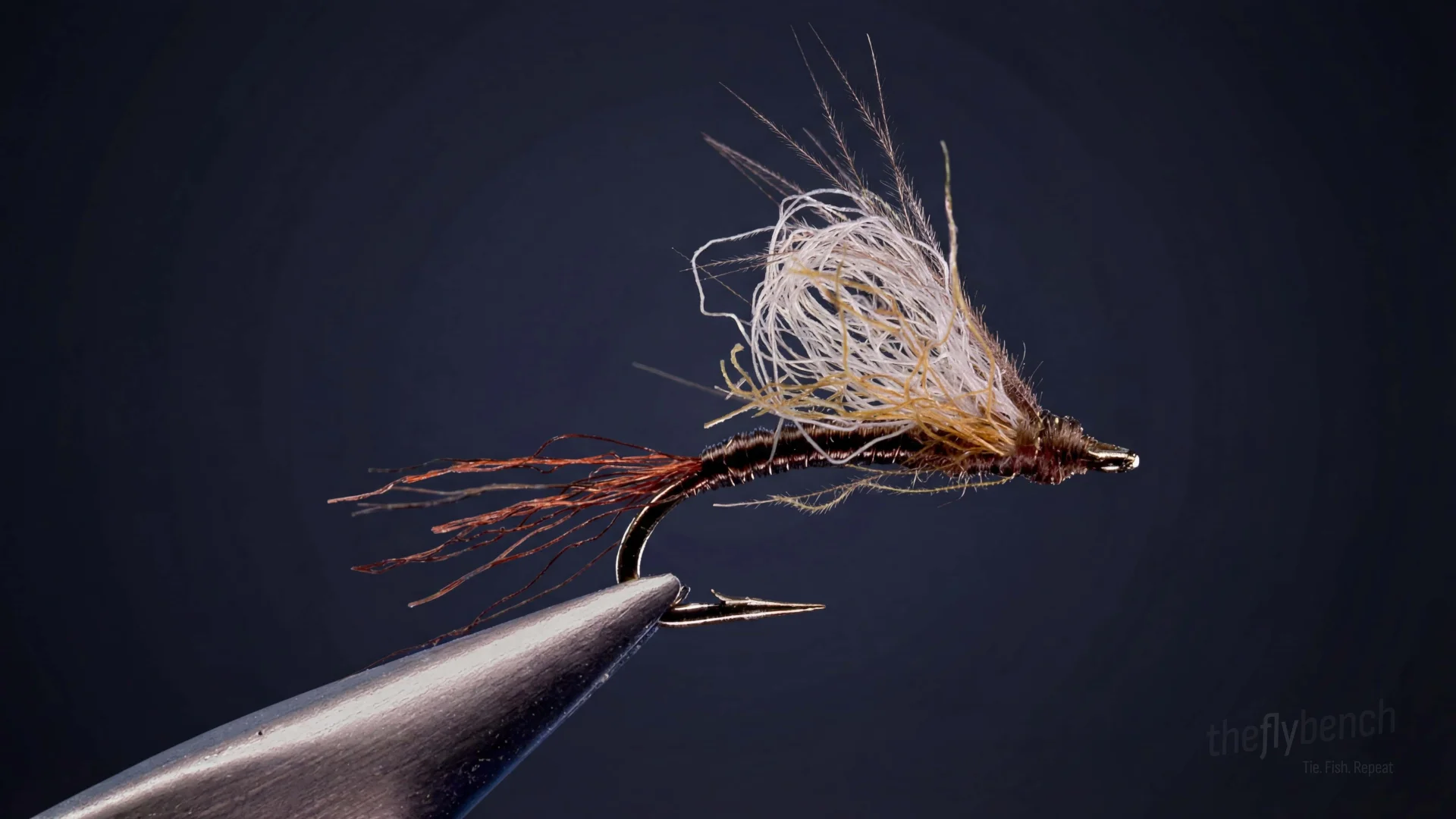
A subtle and effective emerger designed by Takuya Ishinabe, it features a slim, dubbed body, sparse trailing shuck, and CDC wing. It rides low in the surface film and is a go-to pattern during Baetis hatches. Its minimalist profile works especially well in pressured water.
Where to Buy This Fly
We only link to fly shops we trust. Some links are referral links, which may earn us a commission at no extra cost to you.
Materials
- Hook:
- Tiemco #16-20 200R
- Thread:
- Olive UTC 70
- Tail:
- Brown Antron
- Body:
- Olive Micro Tubing
- Legs:
- Brown Antron
- Collar:
- Natural CDC Oiler Puff
- Thorax:
- Olive Superfine Dubbing
- Wing:
- White McFlylon
Behavior & Presentation
Natural Behavior: Baetis nymphs swim toward the surface with rhythmic undulations during emergence, struggling to break through the film as they transition to adults. Many become trapped partially emerged, drifting helplessly in the current.
Where Trout Eat It: Trout sip emergers hanging in the film or just below in slow glides, tail-outs, and eddy lines.
How to Fish It: Dead drift in the film or just subsurface with greased leader, targeting rising fish during emergence windows. Use delicate presentations.
Best Water: Target tail-outs, seams along weed edges, and foam lines in slow glides. Current breaks and eddy lines hold feeding fish.
Strike Type: The take appears as a soft dimple or slight hesitation in the drift as trout inhale the CDC collar; set with restrained upward motion to protect delicate 5X-6X tippets during technical presentations.
Fishing Strategy
Rigging Suggestions: Use as a dropper 18-24 inches below a buoyant dry fly like a Parachute Adams on 5X or 6X tippet. Or fish solo on a 9-12 foot leader.
Seasonal Timing: Prime periods are March through May and September through November when Blue-Winged Olives hatch during cooler, overcast conditions.
Pro Tips: When trout refuse surface dries during a hatch, switch to this emerger pattern. The hackle creates a realistic footprint without fully emerging wings that can spook selective fish.
Entomology
Baetis nymphs initiate emergence by swimming upward in short bursts, often pausing in the transitional zone between subsurface drift and the surface film where they struggle to break through. Fish target these half-emerged insects because they combine the vulnerability of both nymphal and adult stages, appearing most abundantly during cool weather periods when Baetis hatches dominate the surface activity.
- Order
- Ephemeroptera
- Family
- Baetidae
- Common Name
- Baetis
- Organism Type
- insect
- Life Stage
- general