Euro NymphsRed Fox Squirrel Jig
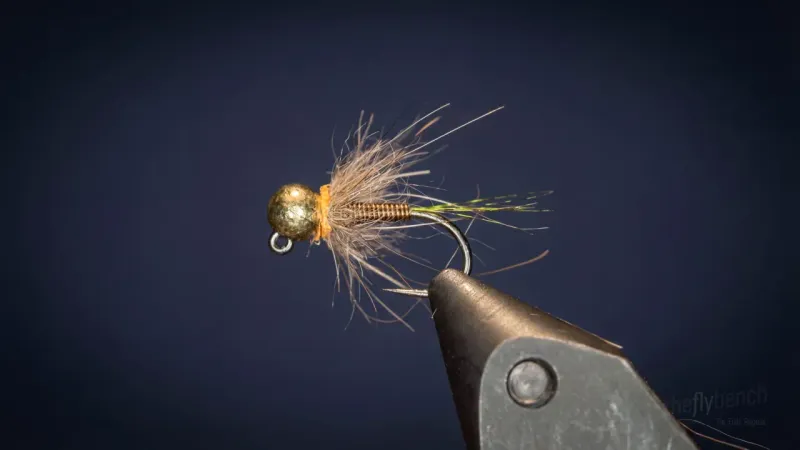
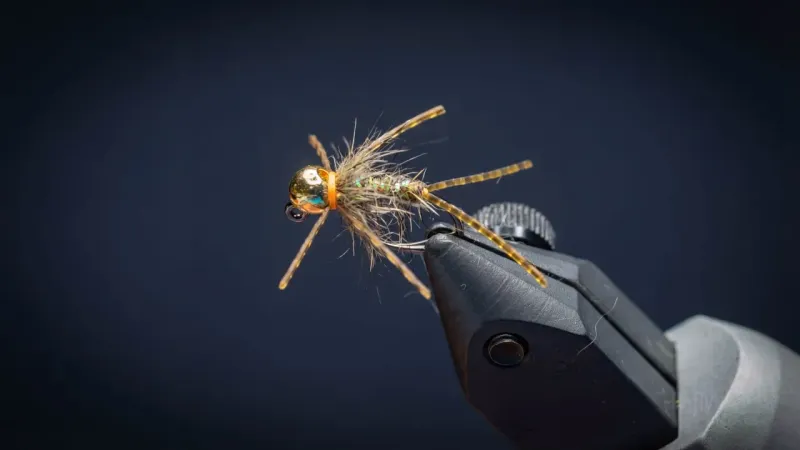
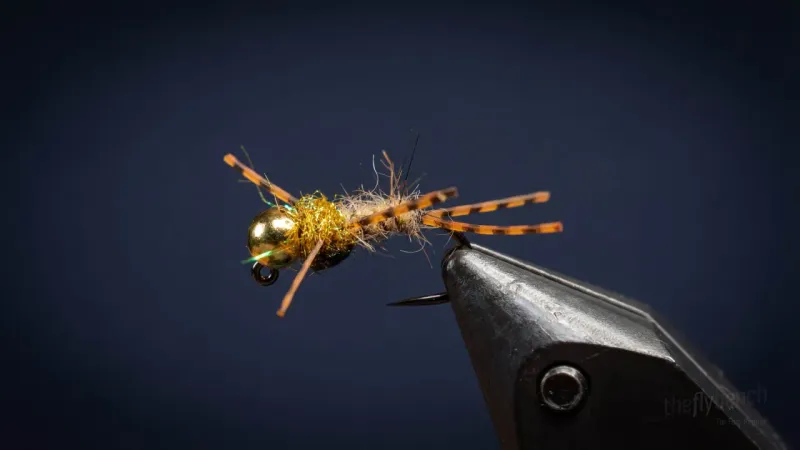
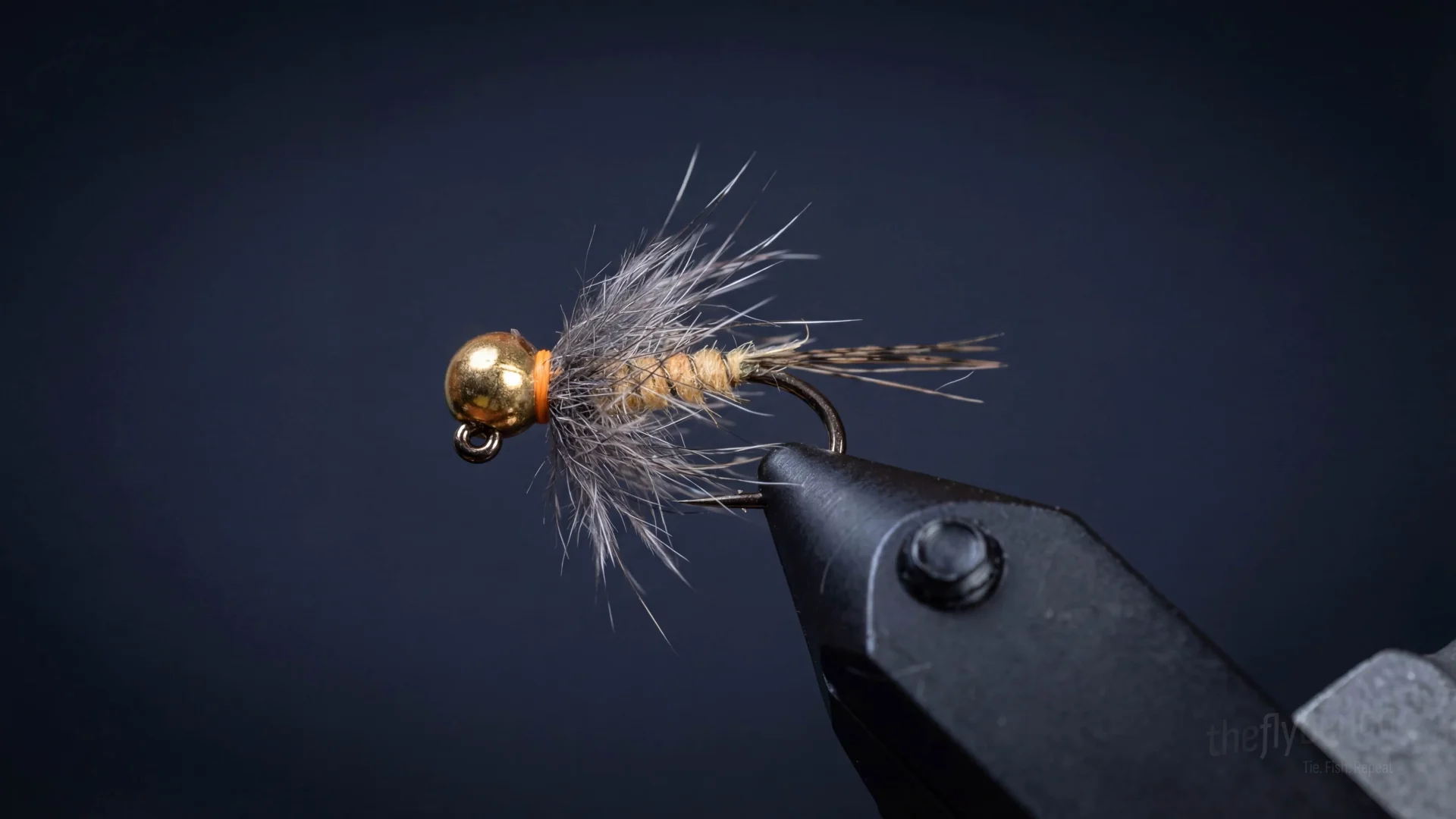
A modern jig-hook adaptation of Dave Whitlock's classic Red Fox Squirrel Nymph that combines traditional dubbing materials with contemporary euro nymphing techniques. The sulphur orange and brown hare's mask dubbing creates a natural, buggy profile while the squirrel collar adds lifelike movement. This versatile attractor pattern has proven effective across all seasons and water types.
Year Round
Intermediate
Trout
Dec 2025
Overview
Dave Whitlock designed the original Red Fox Squirrel Nymph many years ago as a general attractor pattern that imitates various aquatic insects. This modern variation by Cheech adds a jig hook for better hook-up ratios and snag resistance, plus a natural gray squirrel collar for enhanced movement. The combination of sulphur orange and brown dubbing creates a two-tone body that suggests segmentation. Field-tested in January conditions, this pattern continues to produce as effectively as in prime summer months.
Materials
Hook: Hanak H 400 BL Jig Hook, size #12 (or Hanak H 480 BL Jig Hook, size #12)
Thread: UTC Ultrathread 70 Denier, fluorescent orange
Bead: Hanak Round+ Slotted Tungsten Beads, gold, 4.0mm (or Firehole Stones Plated Slotted Tungsten Beads, gold, 4.0mm/5/32"; or Hareline Slotted Tungsten Beads, gold, 5/32"/3.8mm)
Tail: Whiting 4B Hen Saddle, variant speckled brown
Body: Nature's Spirit Hare's Mask Dubbing, sulphur orange
Rib: UTC Ultra Wire, sculpin olive, brassie
Thorax: Nature's Spirit Hare's Mask Dubbing, brown
Collar: Squirrel Body Pieces, natural gray
Behavior & Presentation
Natural Behavior: Large nymphs crawl actively along substrate or tumble through drift after being swept from bottom structure during feeding movements.
Where Trout Eat It: Fish position near bottom in feeding lanes 2-5 feet deep, intercepting nymphs in pocket water, drop-offs, and channel swings.
How to Fish It: Dead drift with euro contact or fish under indicator. Jig hook rides point-up, reducing snags while maintaining natural presentation.
Best Water: Target pocket water with broken flows, drop-offs along structure, seams where drift concentrates, and current breaks behind boulders.
Strike Type: Tick or sag in sighter signals interception. Squirrel collar creates movement triggering visual strikes.
Fishing Strategy
Rigging Suggestions: Fish on 9-12 foot leaders with 4X or 5X tippet depending on water clarity; works as a point fly in two-fly euro rigs with lighter patterns above, or as a single fly under an indicator; the 4.0mm tungsten bead provides sufficient weight for most situations without additional split shot; in deeper runs or faster water, add weight 18-24 inches above the fly.
Seasonal Timing: Year round effectiveness makes this a true four-season pattern; particularly productive during spring mayfly emergences March through May, effective through summer stonefly activity, and reliable during fall Baetis hatches September through November; proven to work even in cold January conditions when most patterns fail.
Pro Tips: Sinks quickly due to the 4.0mm tungsten bead, reaching depths of 3-5 feet in moderate current; the gold bead and fluorescent orange thread create an attractive hot spot while maintaining natural appearance; the jig hook ensures proper orientation with the point riding up to reduce snags; the squirrel collar pulses with current creating lifelike movement that triggers strikes.
Entomology
Stonefly nymphs occupy high-oxygen riffles and pocket water where their flattened bodies allow them to maintain position despite strong currents by pressing into substrate crevices. As omnivores with strong mandibles, they actively prey on smaller invertebrates while also consuming algae and detritus, accumulating significant body mass over their multi-year development. Their substantial size and meaty bodies make them the most calorically valuable single prey item trout can consume, worth the energy expenditure of aggressive pursuit even when nymphs attempt to cling to substrate.
- Order
- Plecoptera
- Common Name
- Stonefly
- Organism Type
- insect
- Life Stage
- nymph