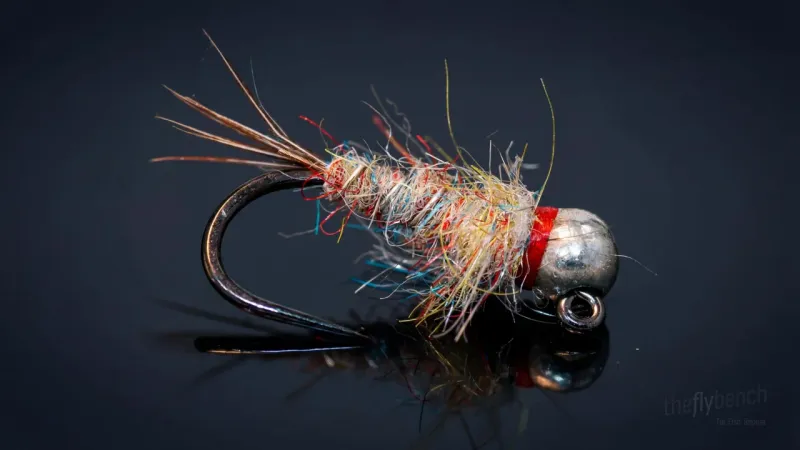
Euro NymphsJigged Prince Nymph
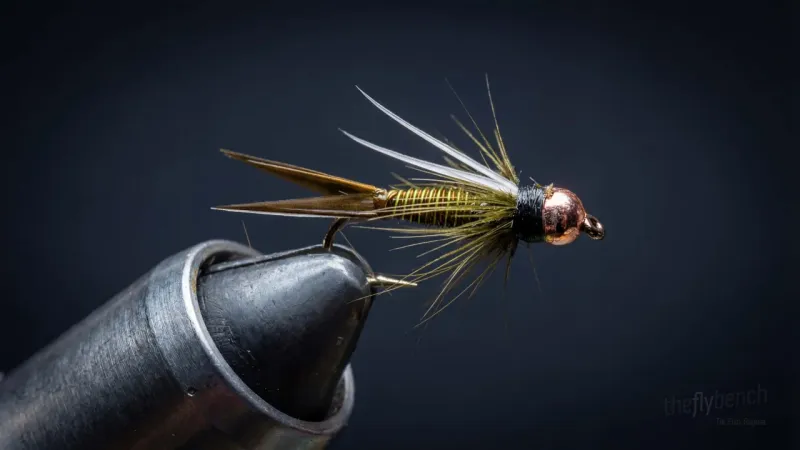
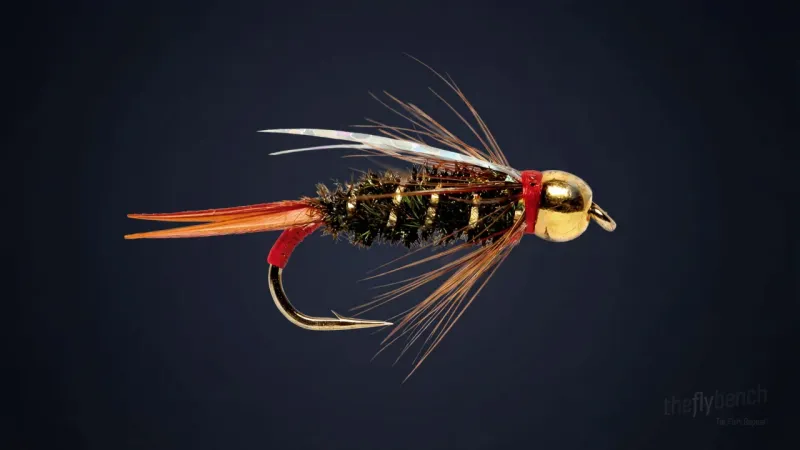
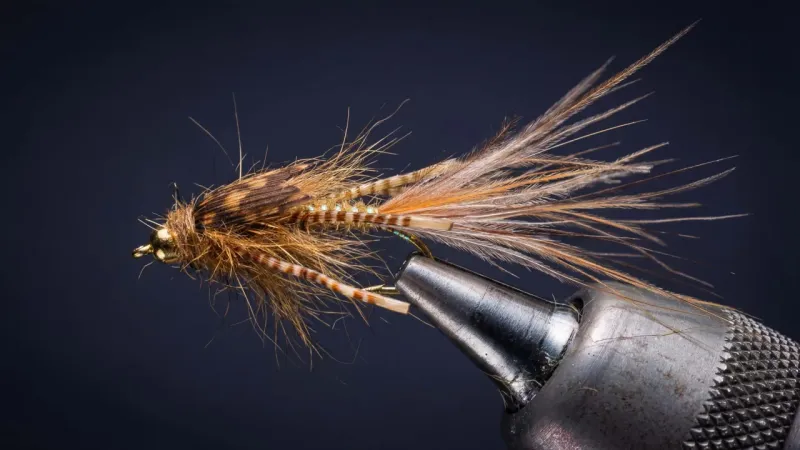
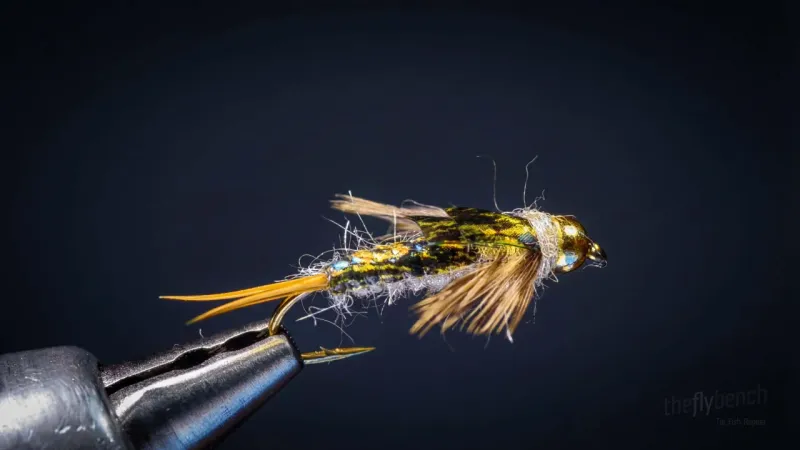
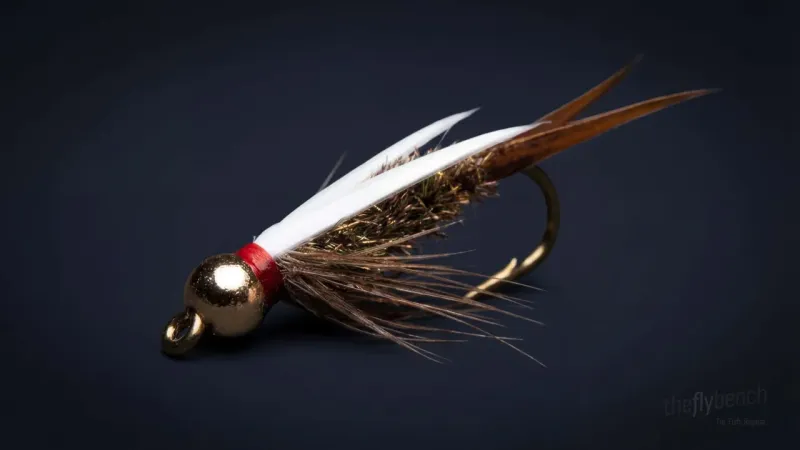
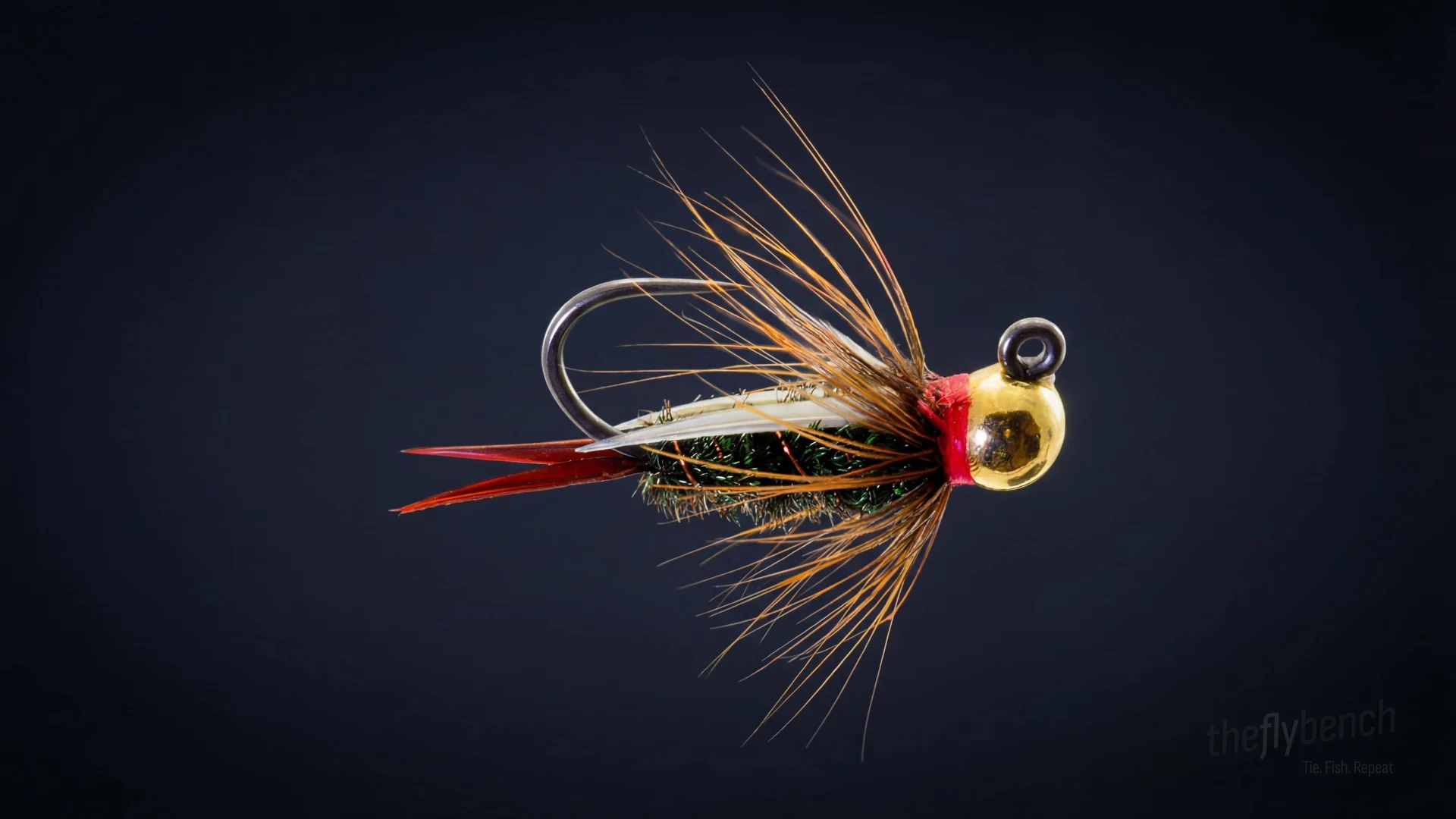
The Prince Nymph Jig is a modern variation of the classic Prince Nymph, designed to be fished on a European-style nymphing rig. This pattern is effective for a variety of freshwater game species. The jig hook and slotted tungsten bead help the fly ride hook-point up, reducing snags and facilitating a more effective presentation deep in the water column.
Year Round
Intermediate
Trout
Apr 2025
Overview
A modern variation of the classic Prince Nymph, this pattern is tied on a jig hook with a slotted tungsten bead to ride hook-up and reduce snags. It keeps the signature biot tails and white wingcase but often uses synthetic dubbing for durability. Ideal for Euro or tightline nymphing, it sinks quickly and offers a compact profile perfect for deep runs and pocket water.
Where to Buy This Fly
We only link to fly shops we trust. Some links are referral links, which may earn us a commission at no extra cost to you.
Materials
- Hook:
- Hanák H 400BL, size 12-16
- Bead:
- 3.0 mm faceted gold tungsten bead
- Weight:
- Lead wire, .01
- Thread:
- UTC 70 Denier, olive
- Tail:
- Coq-de-Leon fibers, 4-5
- Body:
- Peacock herl
- Rib:
- Ultra wire, small, gold
- Legs:
- Hen hackle, dark brown
- Horns:
- Goose biots, white
- Collar:
- Natural grey squirrel dubbing
Behavior & Presentation
Natural Behavior: Stonefly nymphs crawl methodically across rocky substrate while foraging, but tumble helplessly when dislodged by current surges. Their heavy bodies bounce along the bottom through feeding lanes.
Where Trout Eat It: Fish intercept tumbling nymphs in the lower water column of riffles, runs, and pocket water.
How to Fish It: Use tight-line nymphing to maintain contact with the fly as it drifts near the bottom through feeding zones.
Best Water: Focus on pockets behind boulders, channel swings with broken bottom, and tail-outs where current slows.
Strike Type: Feel for ticks or watch the sighter for subtle pauses in the drift.
Fishing Strategy
Rigging Suggestions: Rig this pattern as part of a European-style nymphing setup, with the Prince Nymph Jig as the point fly.
Seasonal Timing: Best during May-July emergence windows. Fish morning and evening when hatches occur and water temps are 55-68°F.
Pro Tips: The Prince Nymph Jig is designed to sink quickly and stay near the bottom. The gold bead and peacock herl body make this fly highly visible in a range of lighting conditions.
Entomology
Stonefly nymphs inhabit rocky substrates in high-gradient streams, crawling slowly across cobbles while foraging for algae and detritus until dislodged by current fluctuations. Fish encounter these tumbling nymphs as they drift along the bottom through feeding lanes, with the inverted hook design allowing effective presentation in snag-prone habitat where stoneflies naturally occur.
- Order
- Plecoptera
- Common Name
- Stonefly
- Organism Type
- insect
- Life Stage
- nymph