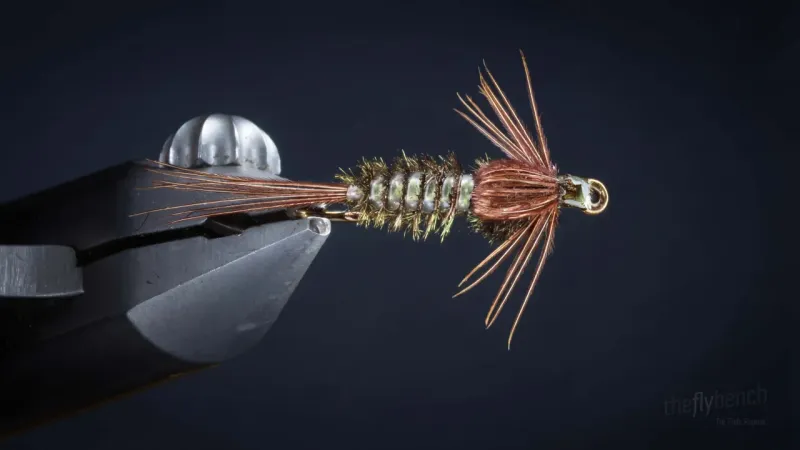
Midge / EmergersTabou Caddis Emerger
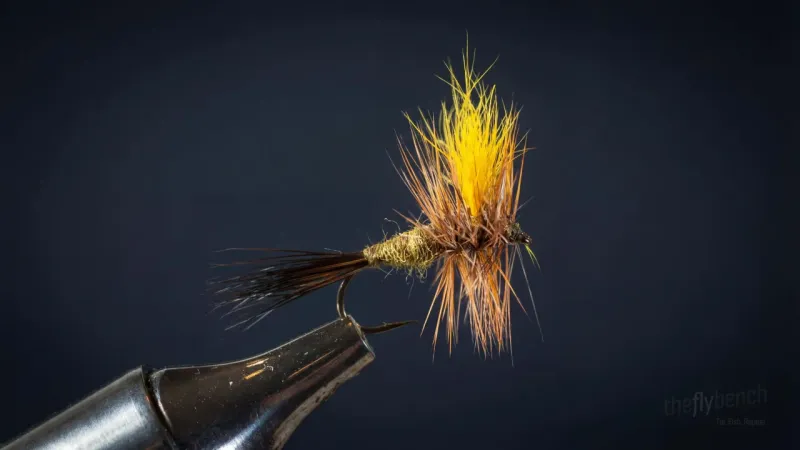
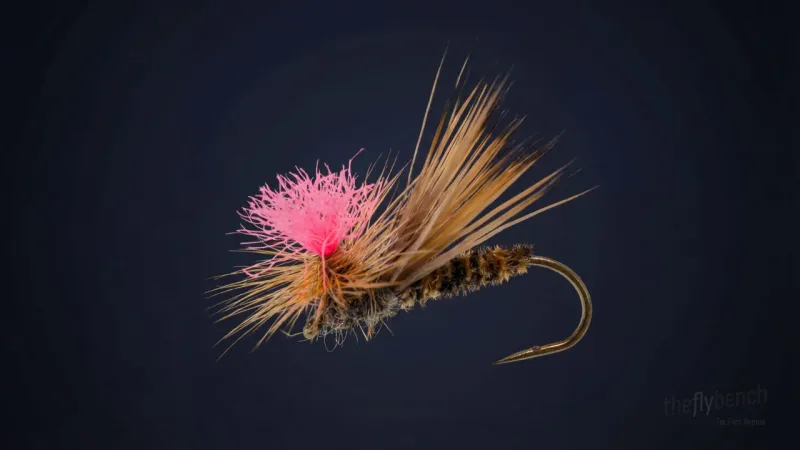
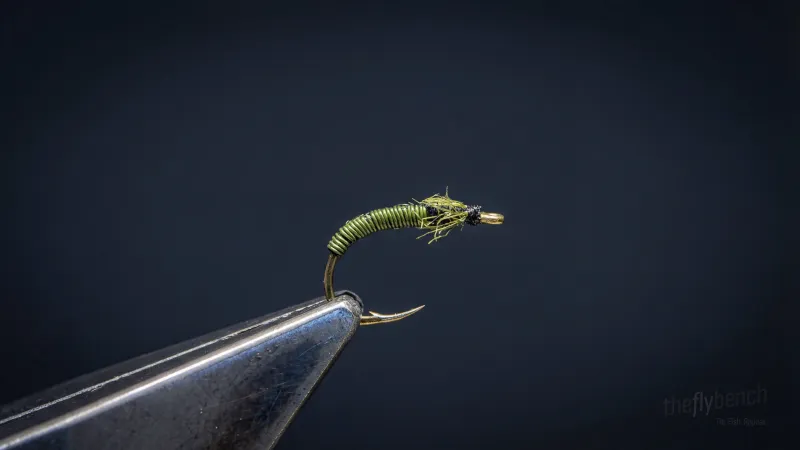
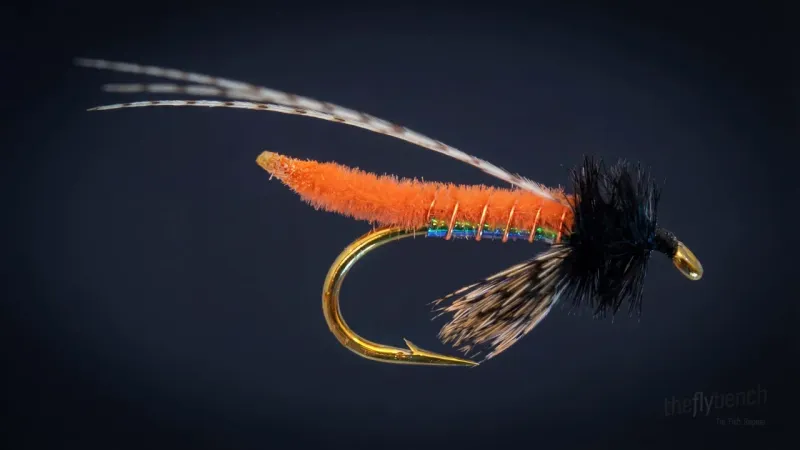
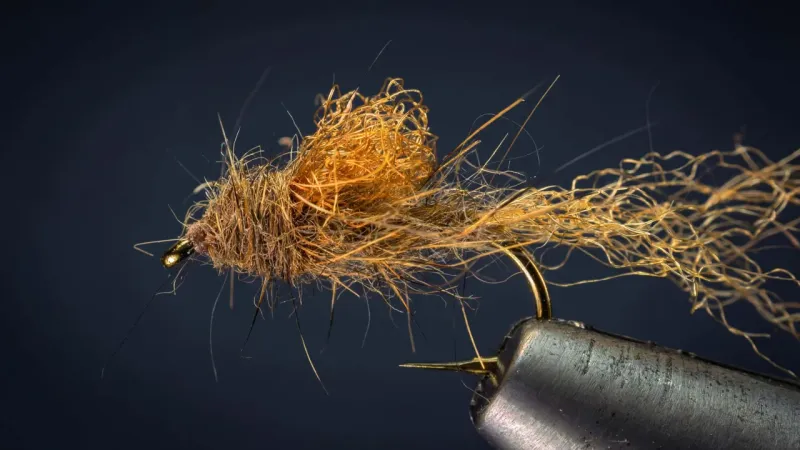
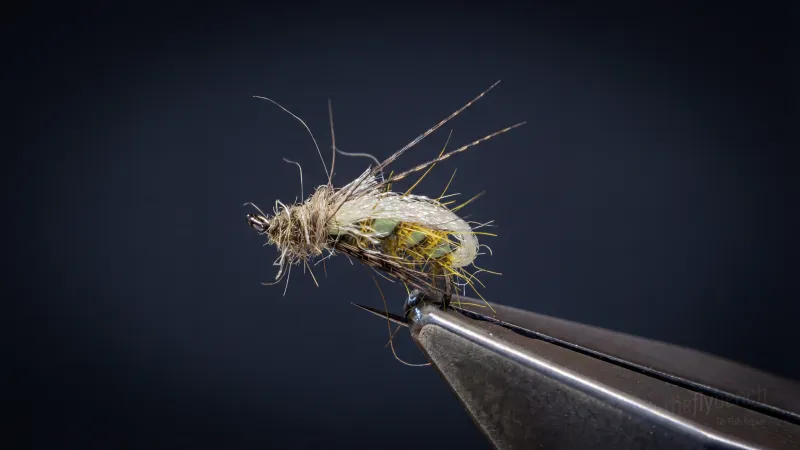
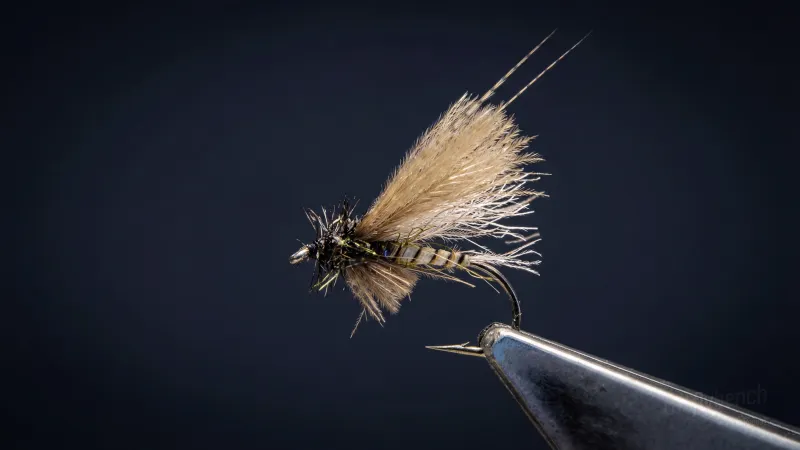
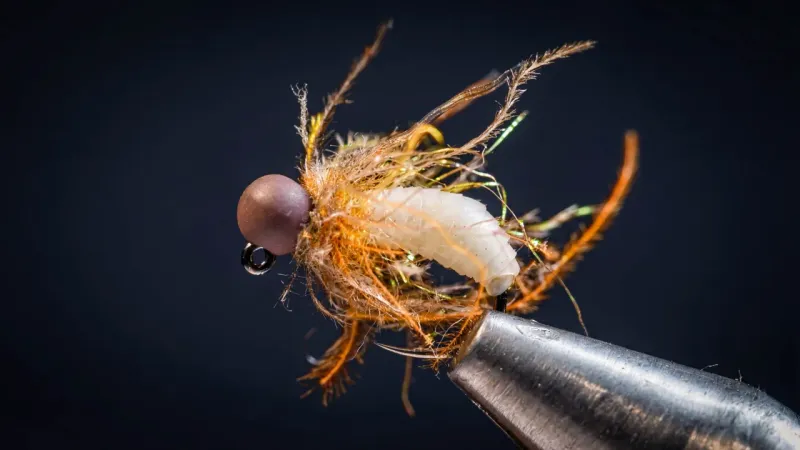
The Tabou Caddis Emerger is a highly effective pattern during a caddis hatch. The antron shuck and CDC bubble create the illusion of an emerging caddis fly struggling to break free of its shuck.
Spring, Summer
Advanced
Trout
Apr 2025
Overview
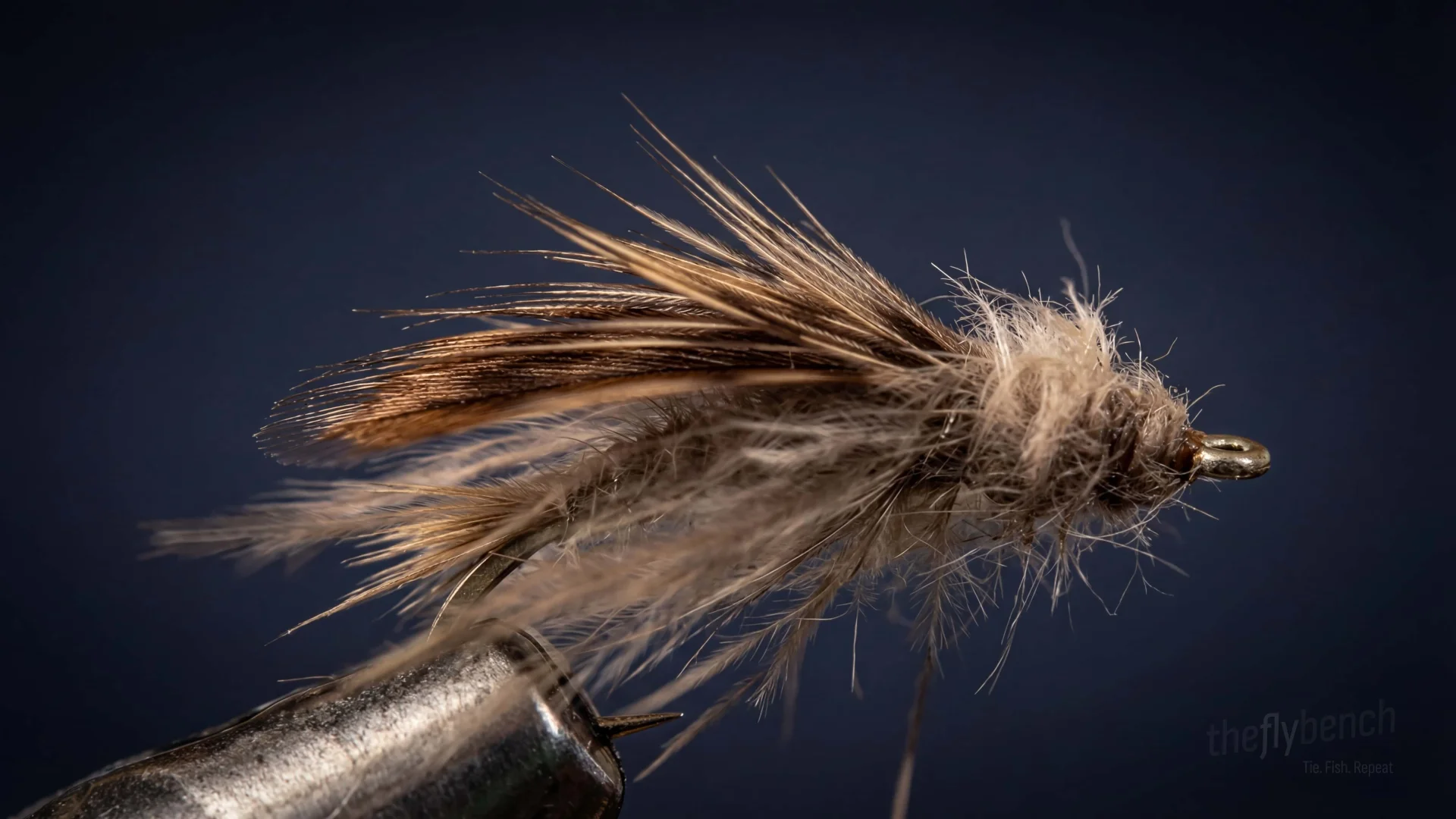
A delicate caddis emerger pattern tied with a sparse dubbed body, trailing shuck, and caddis-colored CDC wing. It sits just in or under the film, making it ideal for the moments before a full emergence. The CDC helps maintain a natural look and slow drift.
Where to Buy This Fly
We only link to fly shops we trust. Some links are referral links, which may earn us a commission at no extra cost to you.
Materials
- Hook:
- Dai-Riki 270, size 14
- Thread:
- 6/0 or 140 Denier, olive
- Rib:
- Clear Stretch Round Rib, small
- Tail/abdomen/legs:
- Chickabou feather
- Wing:
- Soft-hackle feather
- Thorax:
- Soft hack “fluffies”
Behavior & Presentation
Natural Behavior: During emergence, caddis pupae power upward with swimming leg strokes, racing through mid-column depths toward the surface while wings remain trapped in pupal skin. The frantic ascent leaves them disoriented at the film, creating vulnerable feeding windows.
Where Trout Eat It: Fish intercept ascending pupae in riffles, runs with moderate current, and tailrace sections, feeding in the surface film during emergence windows.
How to Fish It: Drag-free drift in surface film allows CDC bubble and elk hair wing to position fly perfectly at the water's surface interface.
Best Water: Riffles, runs with moderate current, and tailrace sections with productive caddis populations in 1-4 feet of water.
Strike Type: Subtle sip in film or slight surface disturbance appearing as rings or barely visible take.
Fishing Strategy
Rigging Suggestions: Fish solo on 5X-6X fluorocarbon with 9-10ft leader during selective feeding. Position below size 14-16 dry caddis on 12-18 inches of 5X-6X tippet, or use in multi-fly rig.
Seasonal Timing: Peak May-June and August when caddis populations surge. Productive throughout day during heavy emergences, consistent during late afternoon hatches. Water temperatures 50-62°F produce optimal hatches because this range triggers emergence cycles.
Pro Tips: Elk hair wing and CDC provide exceptional floatation and realistic profile. Size 14-18 matches most caddis. Tan, olive, brown variations cover regional preferences. Antron shuck triggers strikes from selective trout.
Entomology
Caddis pupae ascend rapidly through the water column in a final dash toward the surface, swimming with powerful leg strokes while their developing wings remain encased in pupal skin. Trout position themselves to intercept these ascending insects in mid-water or just below the film, targeting them because the emergers are temporarily disoriented and highly vulnerable during this critical transformation period.
- Order
- Trichoptera
- Common Name
- Caddisfly
- Organism Type
- insect
- Life Stage
- general