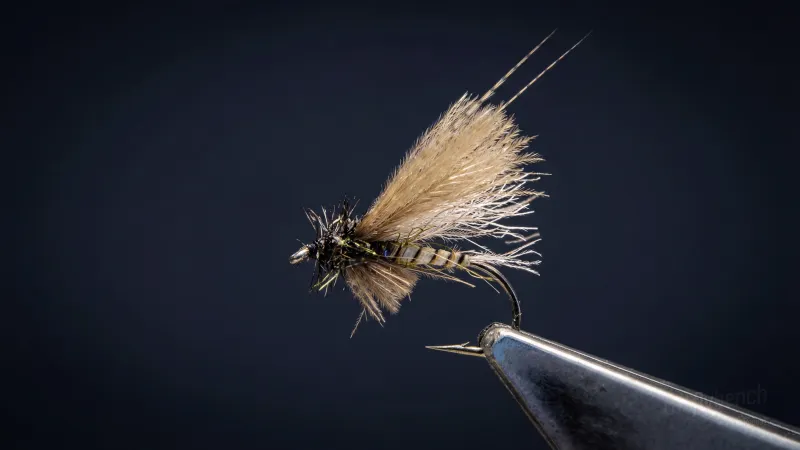
Midge / EmergersSimple Snowshoe Emerger
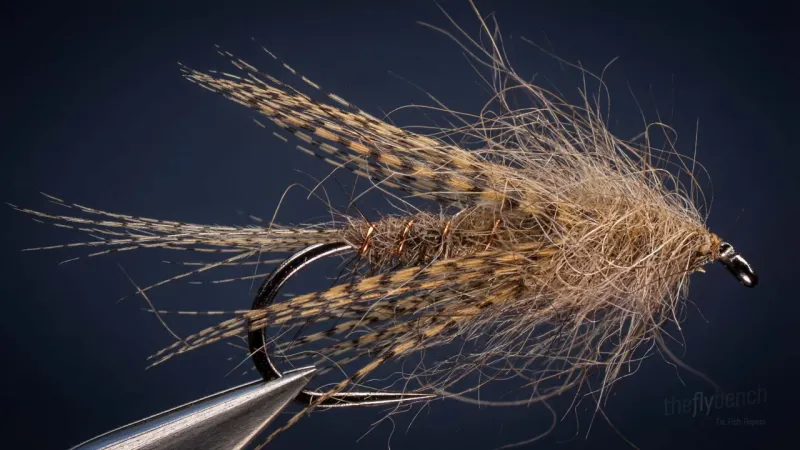
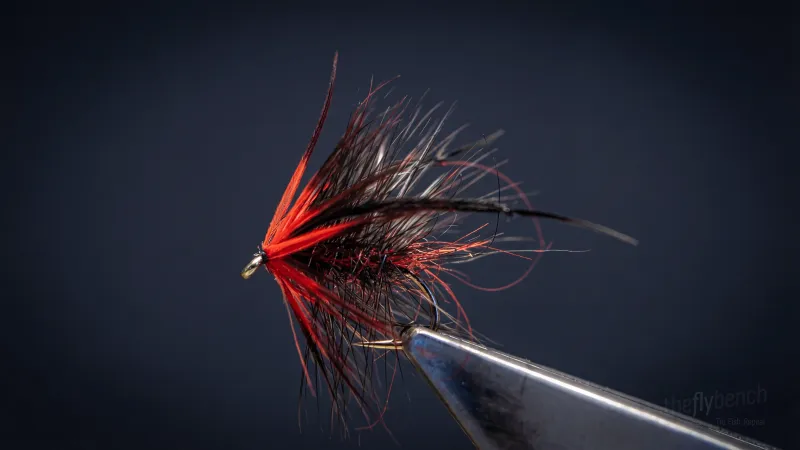
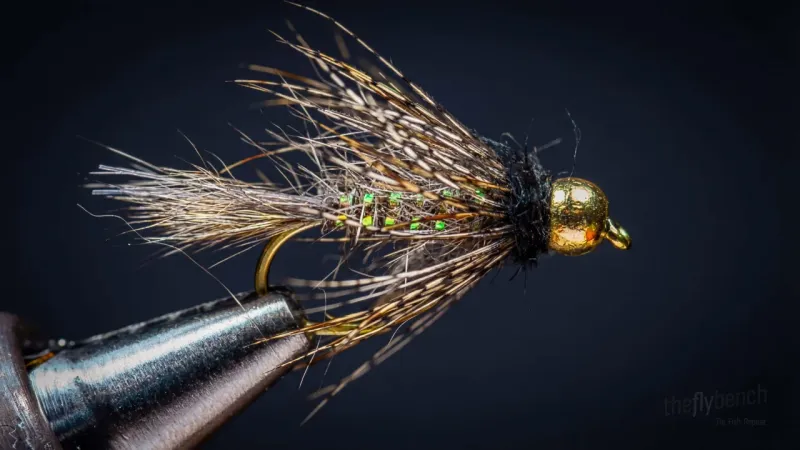
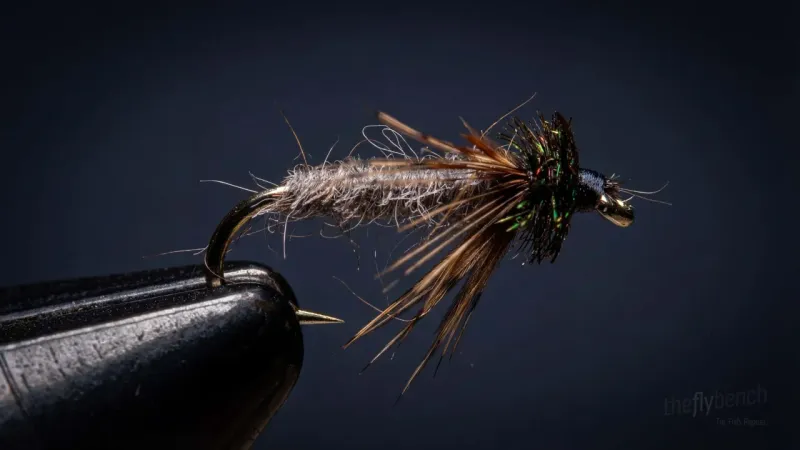
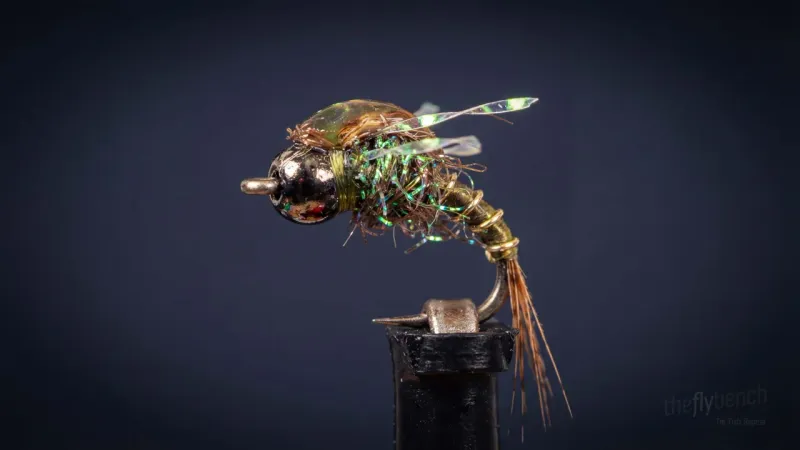
The Simple Snowshoe Emerger is an easy-to-tie pattern that effectively imitates a variety of emerging insects. The snowshoe rabbit fur gives it excellent floatation and a lifelike appearance.
Spring, Summer, Fall
Beginner
Trout
Apr 2025
Overview
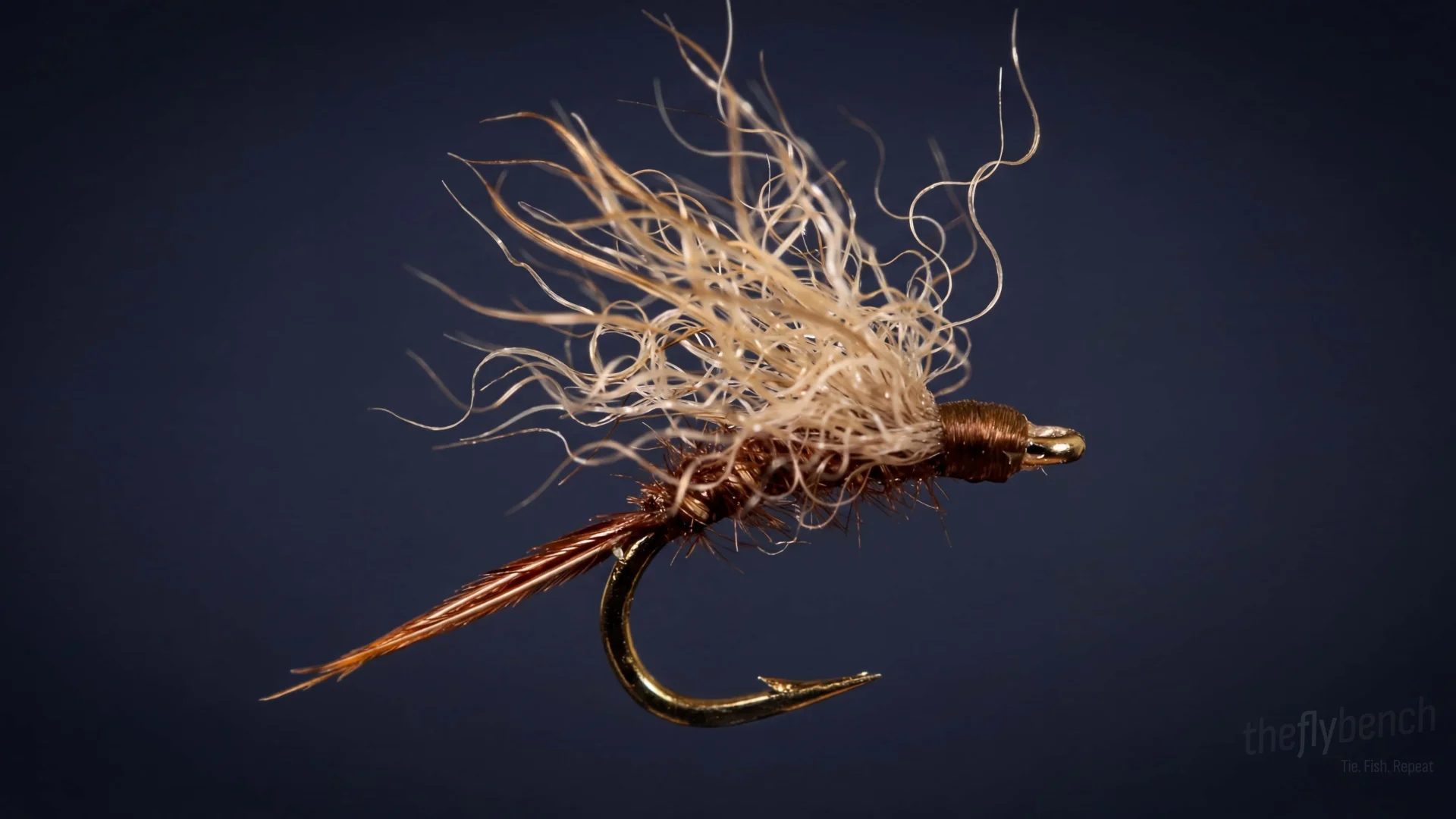
The Simple Snowshoe Emerger is a minimalist yet highly effective pattern that can be adapted across a wide range of mayfly species. Variations include changes in dubbing color, ribbing material, and hook size, while the signature snowshoe rabbit wing remains central for buoyancy and visibility in the surface film.
Where to Buy This Fly
We only link to fly shops we trust. Some links are referral links, which may earn us a commission at no extra cost to you.
Materials
- Hook:
- Firehole Sticks 316, size #16-#22
- Thread:
- Olive 8/0
- Body:
- Olive superfine dubbing
- Wing:
- Snowshoe rabbit fur
- Thorax:
- Peacock herl
Behavior & Presentation
Natural Behavior: Caddis pupae ascend through the water column in a rapid swimming motion, trailing gas bubbles as they race toward the surface for adult emergence.
Where Trout Eat It: Trout target emergers in spring creek soft edges, tailwater seams, and lake shoals 4-10 feet deep near weed beds.
How to Fish It: Dead drift like dry fly through spring creeks and tailwaters. In stillwater, use slow hand-twist retrieves or static presentations near weed beds.
Best Water: Spring creek flats with smooth surfaces, tailwater seams where fast meets slow, soft edges behind structure, and lake drop-offs near weed edges.
Strike Type: Fish slash aggressively at ascending caddis emergers; watch for splashy rises or boils near the fly and set quickly.
Fishing Strategy
Rigging Suggestions: Use 5X-6X tippet (4-5 lb test) on 10-14 foot leaders. Fish solo or 18-24 inches behind a parachute dry in tandem setups. Strike indicators can be helpful in moving water.
Seasonal Timing: April through October with peak effectiveness during mayfly and caddis emergences. Most productive in May-June for Pale Morning Duns and July-August for caddis. Water temps 52-65°F are ideal.
Pro Tips: The snowshoe rabbit fur provides natural buoyancy without floatant. This allows the fly to sit perfectly in the surface film where emerging insects are most vulnerable to feeding trout.
Entomology
Caddis pupae ascend through the water column in a rapid swimming motion, trailing gas bubbles as they race toward the surface for adult emergence. The frantic upward trajectory combined with their shimmering appearance makes them highly visible targets that trout intercept with slashing takes in the film.
- Order
- Trichoptera
- Common Name
- Caddisfly
- Organism Type
- insect
- Life Stage
- general