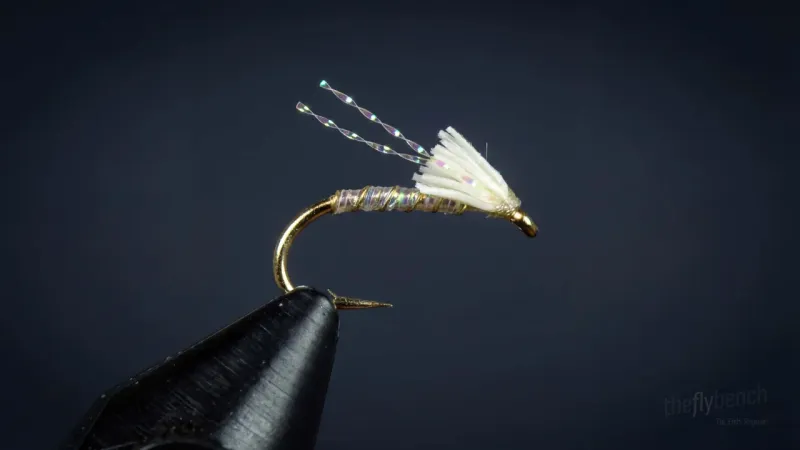
Midge / EmergersSyl's Midge
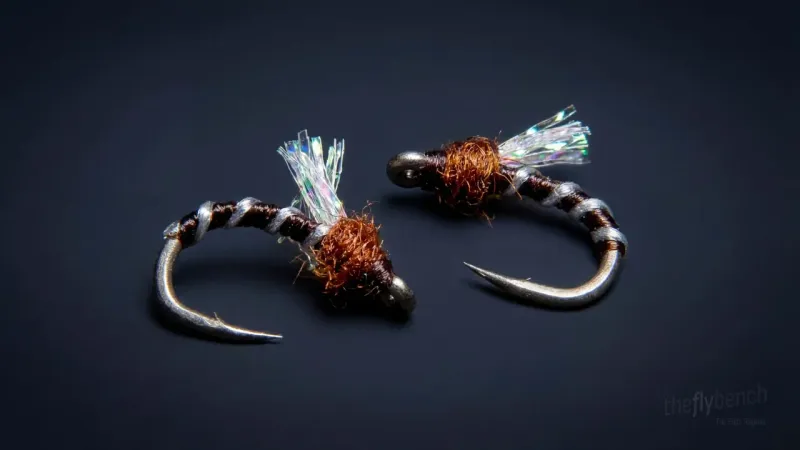
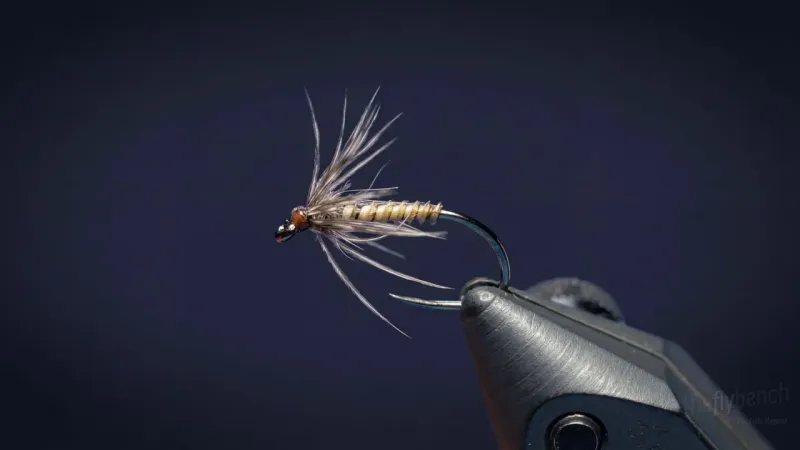
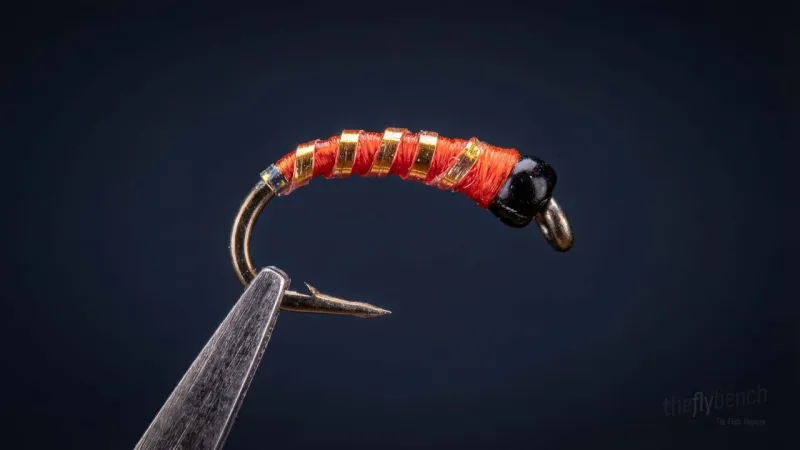
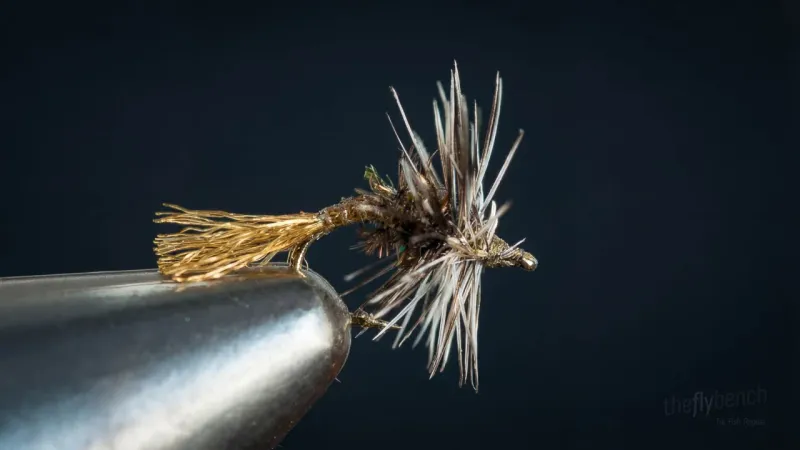
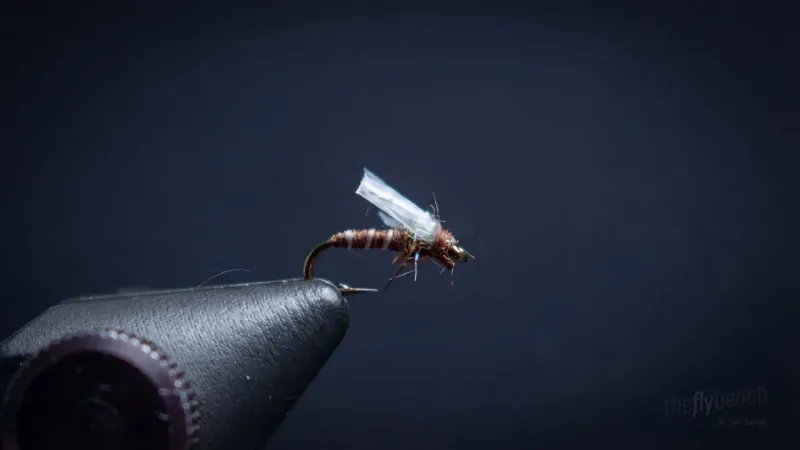
A timeless, minimalist midge pattern that imitates tiny pupae or adults in the surface film. Syl's Midge is especially effective in slow, clear water where trout are keyed in on small midges and demand a natural, low-profile presentation.
Winter
Advanced
Trout
Apr 2025
Overview
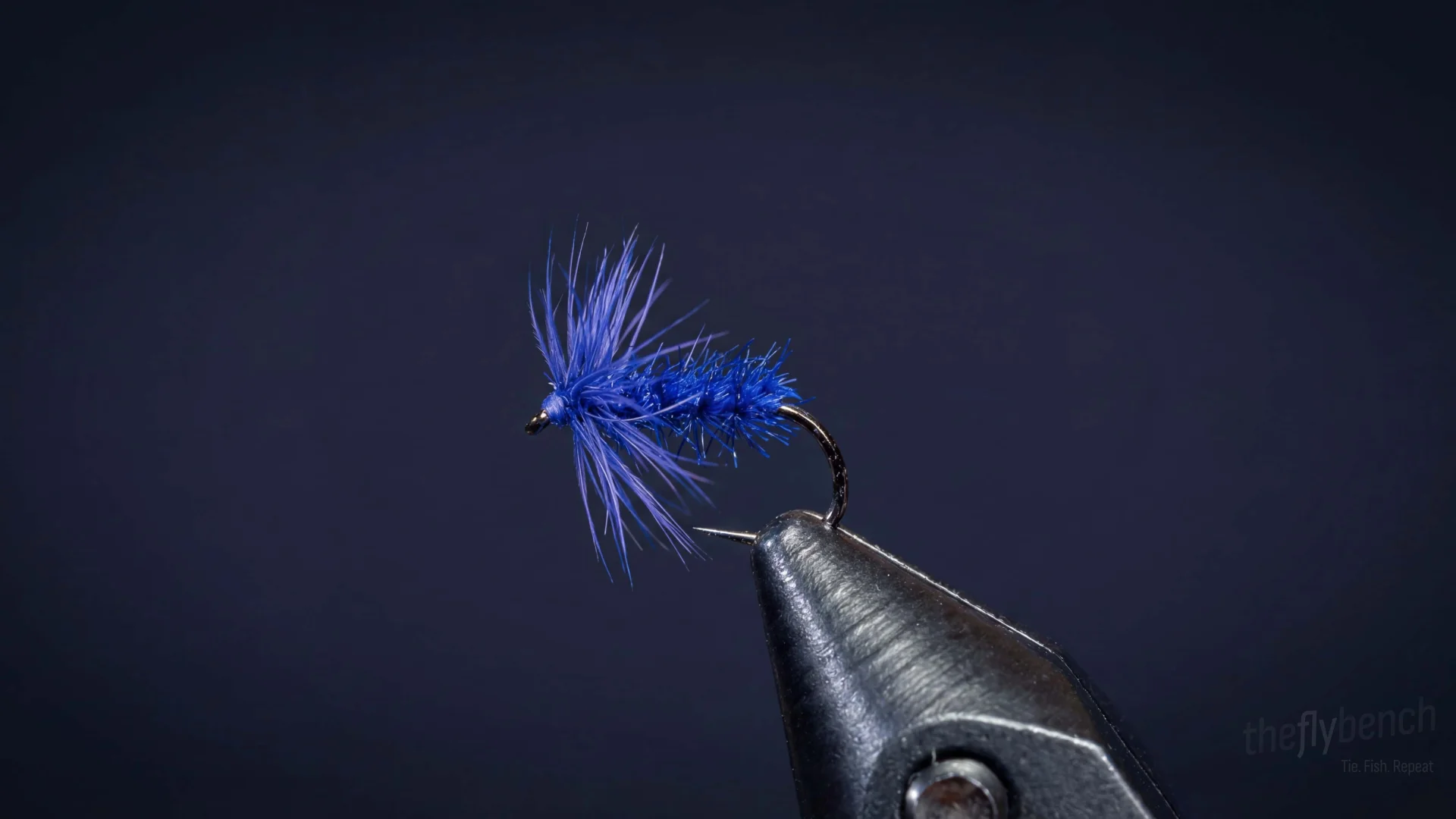
A minimalist midge emerger designed by Sylvester Nemes, this pattern is tied with just a few essential materials: fine thread, sparse dubbing or floss for the body, and a soft hackle collar (usually starling or hen). It's fished in the surface film and is especially effective during midge hatches. The simplicity of the tie requires precision and attention to proportion.
Where to Buy This Fly
We only link to fly shops we trust. Some links are referral links, which may earn us a commission at no extra cost to you.
Materials
- Hook:
- Hanak H 200 BL, sizes #12-#18
- Thread:
- 8/0 UNI-Thread Waxed Midge - Purple, Black, Red
- Body:
- Peacock Sticks - Purple, Peacock Eye Sticks, Red
- Soft Hackle:
- Whiting Red Label Hen Cape - Purple
- Hackle:
- Whiting Brahma Wing Soft Hackle Pair, Whiting Red Label Hen Cape - White Dyed Fiery Brown
Behavior & Presentation
Natural Behavior: Midge pupae ascend slowly through the water column with gas bubbles trapped in their pupal shucks, creating reflective shimmers as they rise. Adults cluster in surface films after emergence while larvae undulate along the bottom — all stages available simultaneously throughout the year, particularly during winter when midges are often the only active aquatic insects.
Where Trout Eat It: Trout cruise specific depth zones in lakes to intercept ascending pupae and surface-trapped adults.
How to Fish It: Fish with static presentations or extremely subtle twitches in the surface film, avoiding spooking selective fish.
Best Water: Most effective in shoals, drop-offs, and foam lines where lake currents concentrate midge activity.
Strike Type: Fished with static presentations or extremely subtle twitches in the surface film, takes appear as quiet sips or indicator hesitations. Cruising trout in lakes intercept ascending pupae with gentle draws that barely register on the indicator.
Fishing Strategy
Rigging Suggestions: Suspend beneath a small strike indicator or dry fly using a 12-15 foot leader tapered to 6X or 7X tippet. Position the fly 12-18 inches below the surface.
Seasonal Timing: Prime during December through February when midges are the dominant food source in cold water conditions. Most effective on cold, calm days with air temperatures between 35-50°F when midge activity peaks.
Pro Tips: The subtle profile requires fine tippet and patience. Watch for minute takes that appear as slight hesitations in your indicator. Greasing your leader to within 6 inches of the fly improves strike detection.
Entomology
Midges inhabit the water column throughout their life cycle, with larvae, pupae, and adults all available to feeding fish in different zones of the stream or lake. The various life stages exhibit different movement patterns - larvae undulate along the bottom, pupae ascend to the surface with gas bubbles, and adults cluster in surface films. Their microscopic size (18-26) and astronomical abundance create consistent feeding opportunities year-round, particularly during winter months when midges are often the only active aquatic insects.
- Order
- Diptera
- Family
- Chironomidae
- Common Name
- Midge
- Organism Type
- insect
- Life Stage
- general