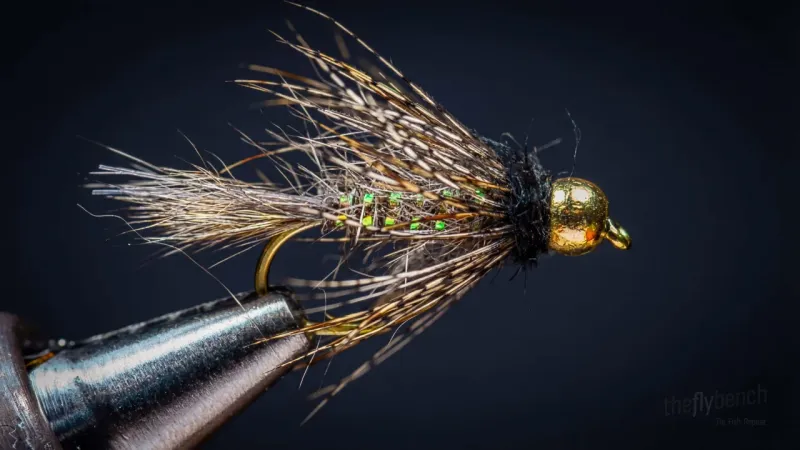
NymphSofthackle Wet Fly with Split Thread Dubbed Rib and Thorax
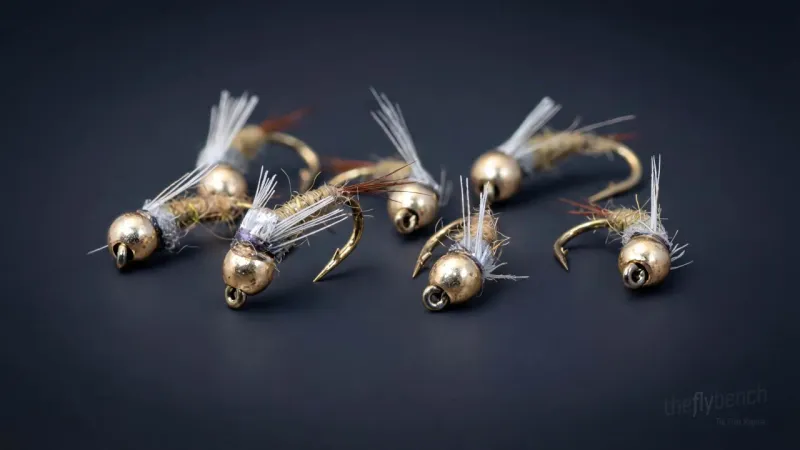
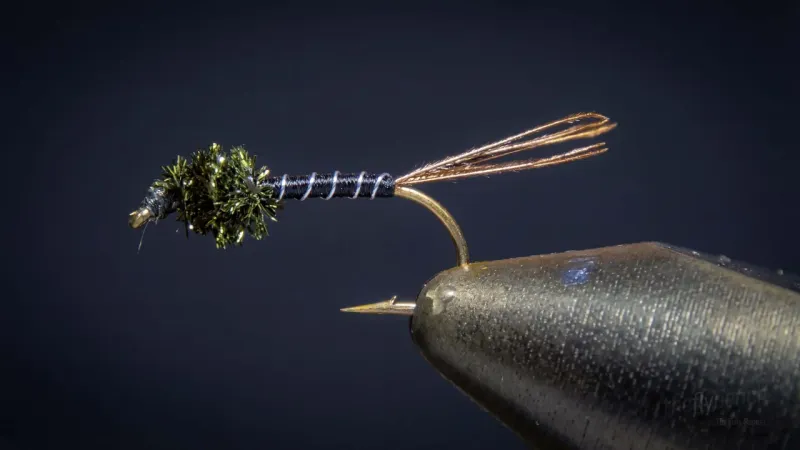
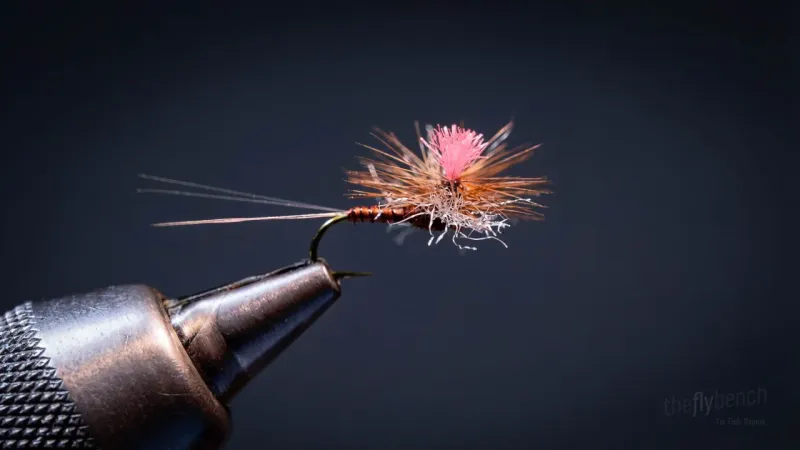
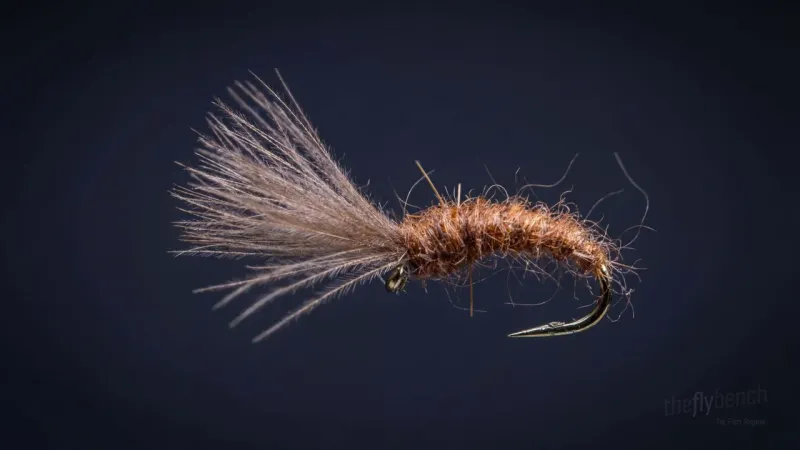
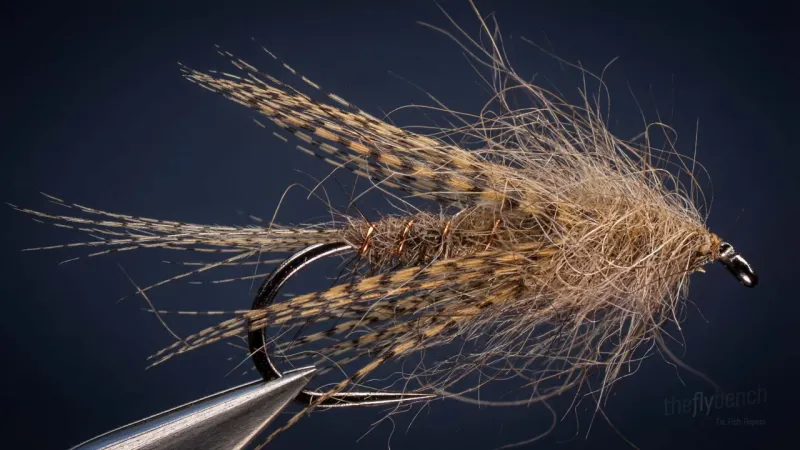
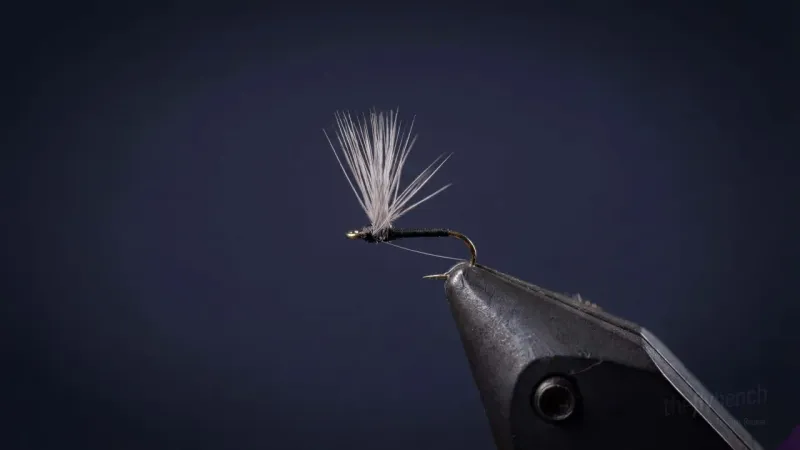
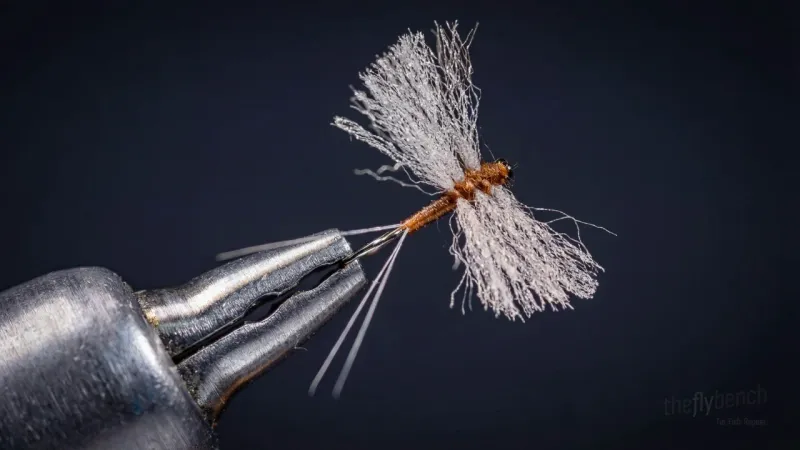
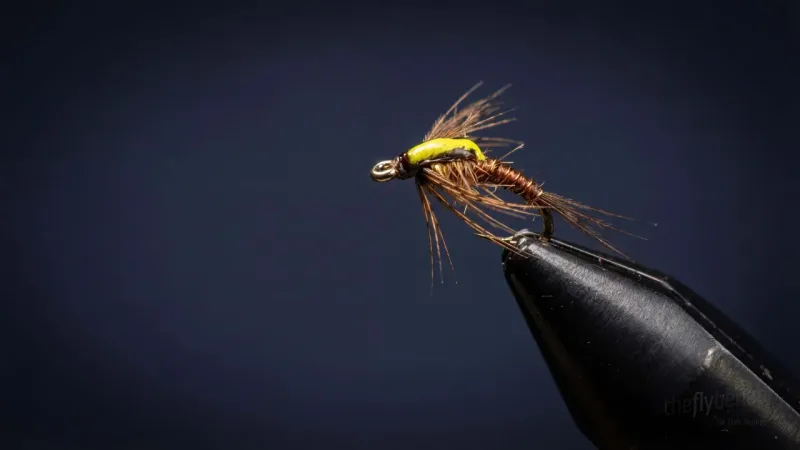
A classic European soft hackle wet fly featuring Hans Weilenmann's split thread dubbing technique for both the rib and thorax. This method creates a subtle, segmented appearance with minimal bulk.
Spring, Summer, Fall
Intermediate
Trout, Grayling
Feb 2026
Overview
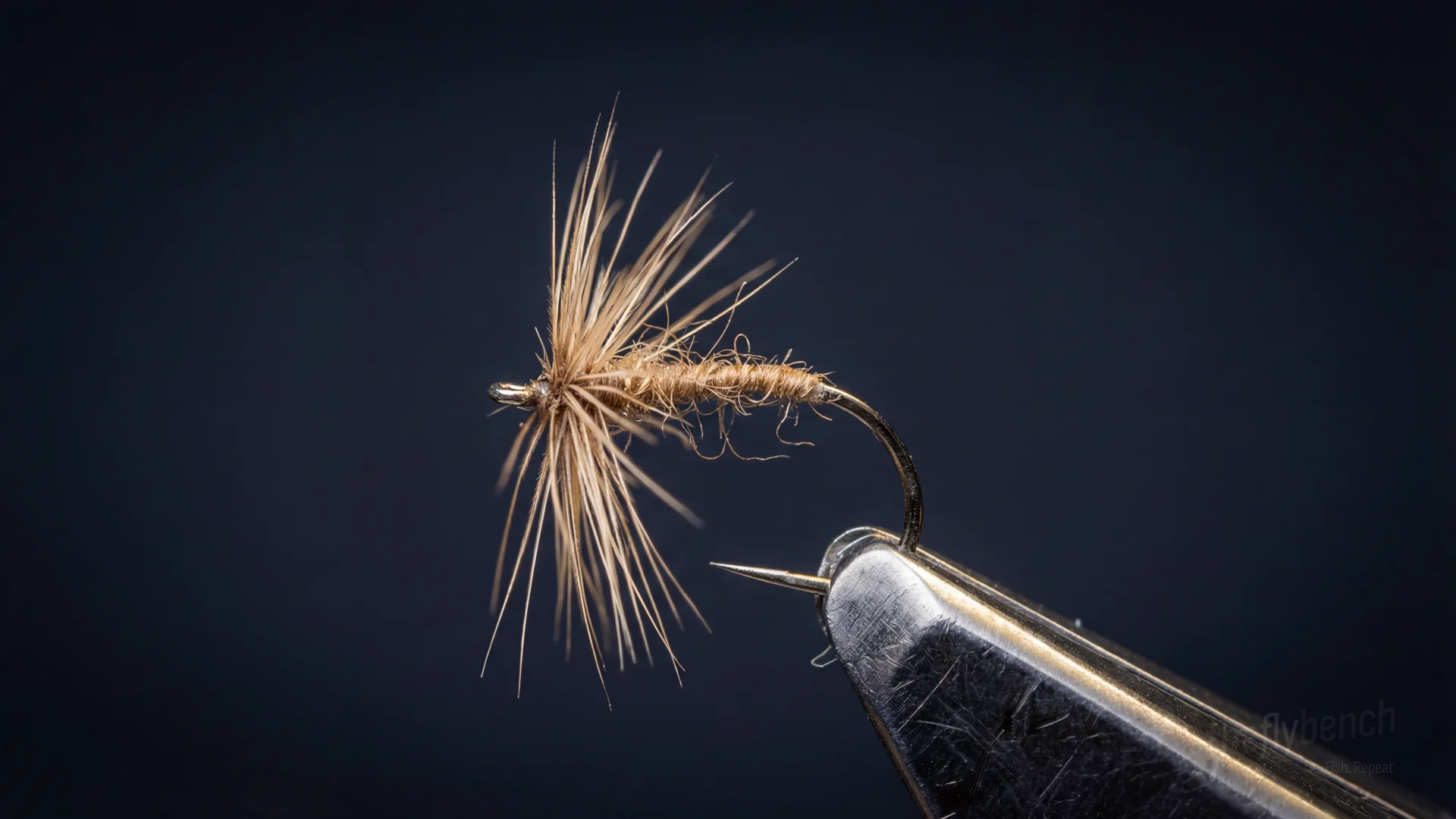
This soft hackle wet fly demonstrates Hans Weilenmann's signature split thread dubbing technique applied to both the rib and thorax. The split thread method involves separating the thread strands and inserting small amounts of dubbing between them, then twisting to create a thin dubbed rope. This produces a subtle, segmented body that mimics the natural appearance of emerging insects while maintaining a slim profile essential for wet fly presentation.
Where to Buy This Fly
We only link to fly shops we trust. Some links are referral links, which may earn us a commission at no extra cost to you.
Materials
- Hook:
- Standard wet fly hook, size 12-16
- Thread:
- 8/0 in olive or brown
- Body:
- Thread base with split thread dubbed rib
- Thorax:
- Split thread dubbing technique
- Hackle:
- Soft partridge or hen hackle
- Dubbing:
- Fine natural dubbing (hare's ear, squirrel)
Behavior & Presentation
Natural Behavior: Fish feed aggressively on insects struggling through the transformation from underwater nymph to flying adult. Anglers swing soft hackles because the pulsing materials trigger strikes from fish targeting this vulnerable stage.
Where Trout Eat It: Fish intercept emergers at mid-depth in freestone riffles, runs, pool tail-outs, spring creek seams, and current concentration zones.
How to Fish It: Traditional wet fly swing downstream, dead drift with occasional Leisenring lifts, or team presentations. The soft hackle pulses with current creating lifelike movement.
Best Water: Target riffles, runs, pool tail-outs, current seams, and structure over rocky substrates where currents concentrate emerging insects.
Strike Type: Watch for subtle line tightening, drift hesitation, or brief resistance. Strikes during swing often feel like steady pulls.
Fishing Strategy
Rigging Suggestions: Fish on a 9-12 foot leader with 5X-6X tippet for single fly presentations. Can be fished as the point fly with a dropper nymph 18-24 inches behind, or as part of a traditional team of 2-3 wet flies spaced 3-4 feet apart.
Seasonal Timing: Most productive from April through October with peak effectiveness during caddis and mayfly emergences in May through September. Particularly effective during hatches (April-June) and feeding periods (September-October).
Pro Tips: The split thread dubbing technique creates a subtle segmented body with excellent translucency. The soft hackle pulses with current creating lifelike movement. Sizes 12-16 are most versatile. Use the Leisenring lift (raising the rod tip near the end of the swing) to trigger strikes from following fish.
Entomology
Emerging aquatic insects transition from subsurface nymphs to surface-dwelling adults through a metamorphic process that renders them temporarily defenseless. Trout opportunistically feed on these transforming insects as they represent high-calorie targets with limited escape mobility.
- Organism Type
- insect
- Life Stage
- general