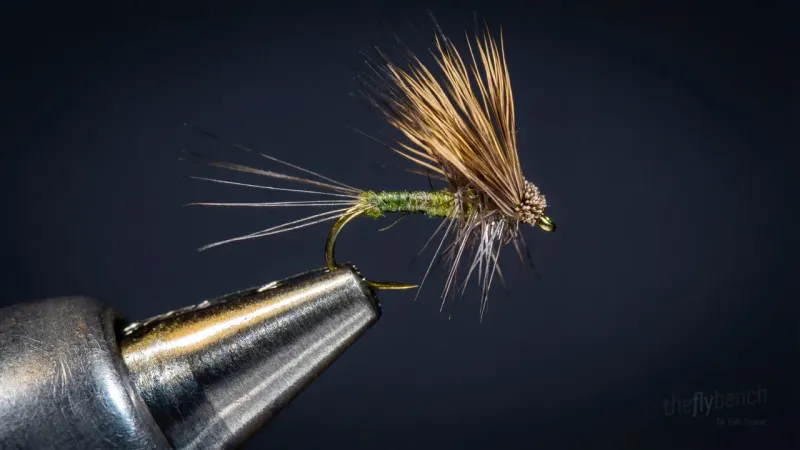
Dry FliesSLS Improved Sparkle Dun
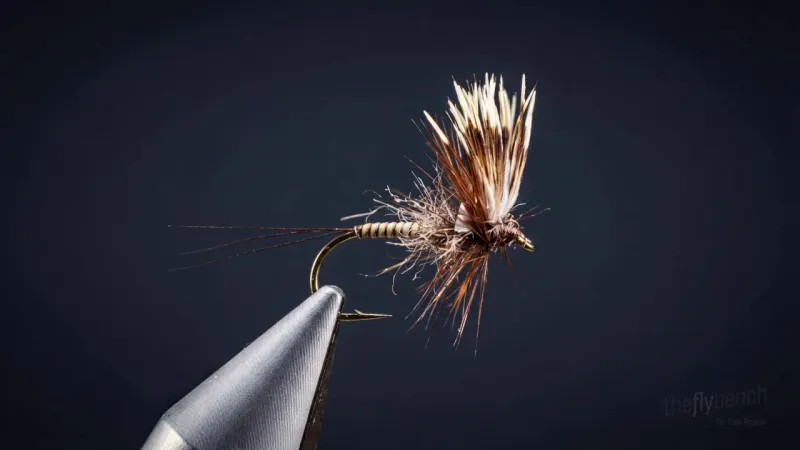
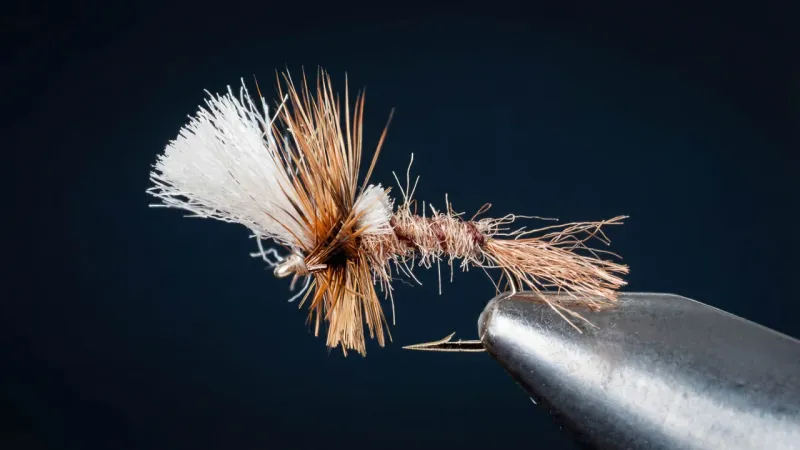
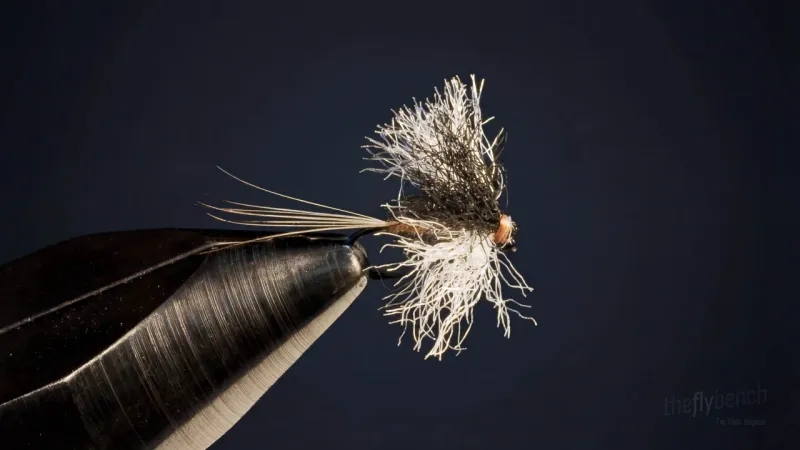
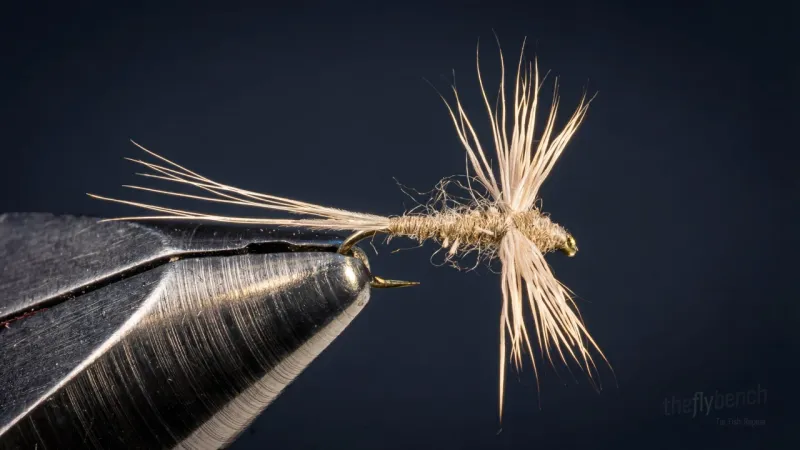
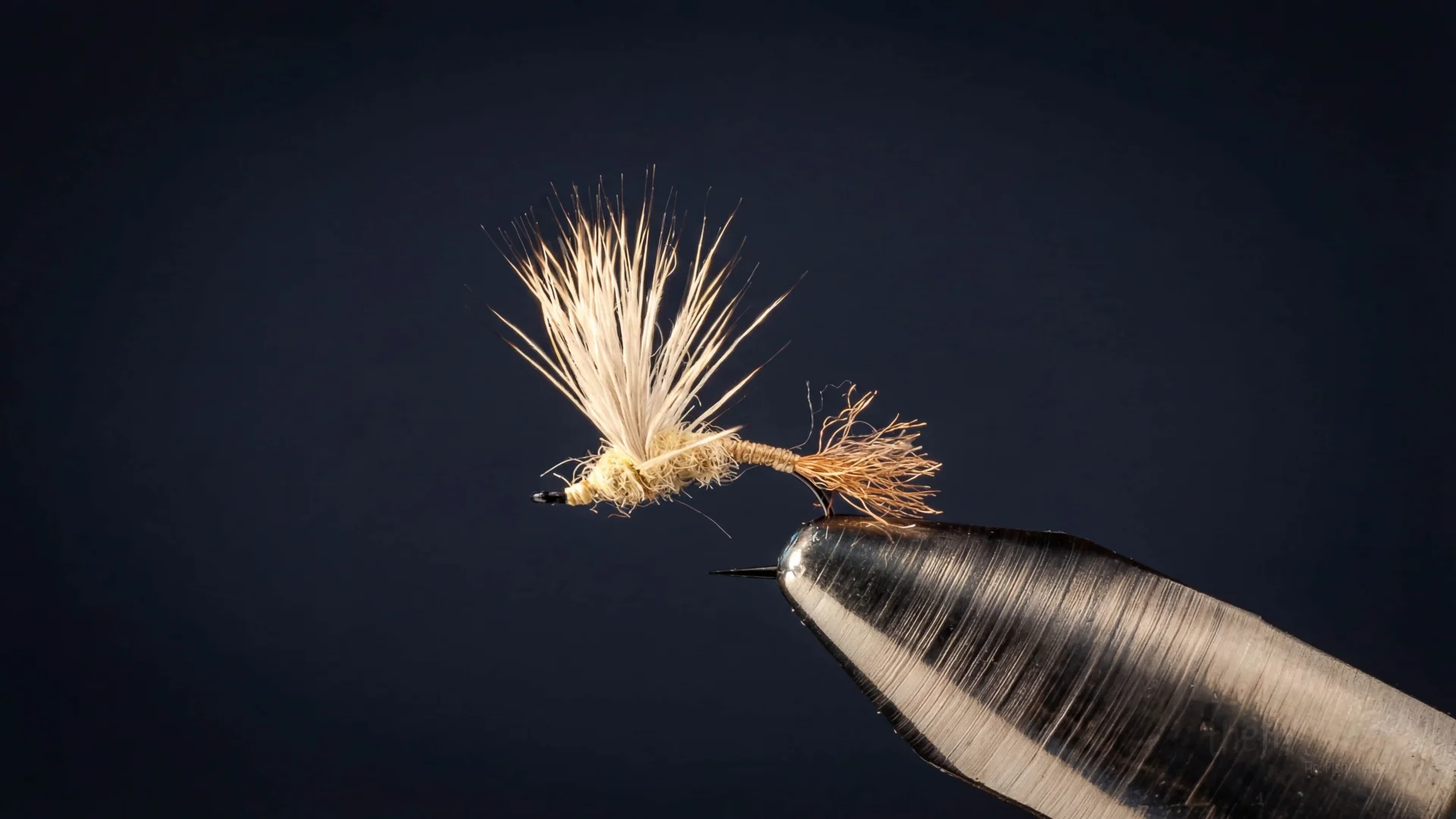
The SLS Improved Sparkle Dun is a refined version of the classic Sparkle Dun pattern using SLS (Short-Legged Sulphur) Zelon dubbing to match the pale yellowish-tan coloration of many summer mayflies. The barbless hook and Epeorus-colored shuck make this pattern ideal for matching Pink Ladies and similar species during summer emergences.
Summer
Intermediate
Trout
Dec 2025
Overview
The SLS Improved Sparkle Dun was developed at Blue Ribbon Flies as a refinement of the original Sparkle Dun for matching specific mayfly species. The SLS coloration refers to the pale, sulphur-yellow tones common to many summer mayflies. The barbless Tiemco 206BL hook allows easy release and reduces fish handling time.
Where to Buy This Fly
We only link to fly shops we trust. Some links are referral links, which may earn us a commission at no extra cost to you.
Materials
- Hook:
- Tiemco 206BL, #16
- Thread:
- Uni-Thread, 8/0, light cahill
- Shuck:
- Crinkled Zelon, epeorus
- Thorax:
- Zelon Dubbing, SLS
- Wing:
- Sparkle Dun Deer Hair, natural
Behavior & Presentation
Natural Behavior: Emerging duns rest helplessly in the surface film while wings unfold and dry, drifting with current until strong enough to fly. Extended vulnerability during this transformation makes them high-priority targets.
Where Trout Eat It: Fish intercept duns floating in the surface film through runs, at tail-outs, and along seams where emergers concentrate during hatch periods.
How to Fish It: Fish drag-free drifts in the surface film targeting riseforms. Focus on pool heads and riffle edges where females return to oviposit and emergers gather.
Best Water: Concentrate on tail-outs with slow laminar flow, seams between fast and slow current, pool heads where emergers collect, and riffle edges.
Strike Type: Watch for subtle sips or head-and-tail rises as fish confidently take drifting adults.
Fishing Strategy
Rigging Suggestions: Fish on 10-12 foot leader with 5X-6X tippet. The barbless hook makes for easy releases but requires careful fish playing. Keep the wing dressed with floatant.
Seasonal Timing: Most effective from June through August during mayfly hatches. Particularly productive during Epeorus (Pink Lady), Sulphur, and similar pale mayfly emergences.
Pro Tips: The natural sparkle dun deer hair provides good visibility and floatation. Pattern rides in the film with the shuck trailing below.
Entomology
Mayfly duns emerge and ride the surface currents while their wings fully expand, unable to fly until completely dried and hardened. Trout rise confidently to these floating adults because the extended exposure time and predictable drift patterns make them easy, reliable targets during hatches.
- Order
- Ephemeroptera
- Common Name
- Mayfly
- Organism Type
- insect
- Life Stage
- adult