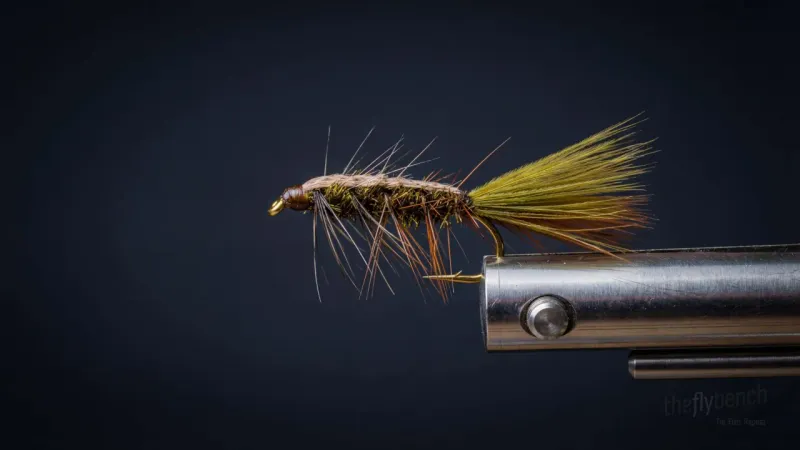
Dry FliesDeer Hair Spinner
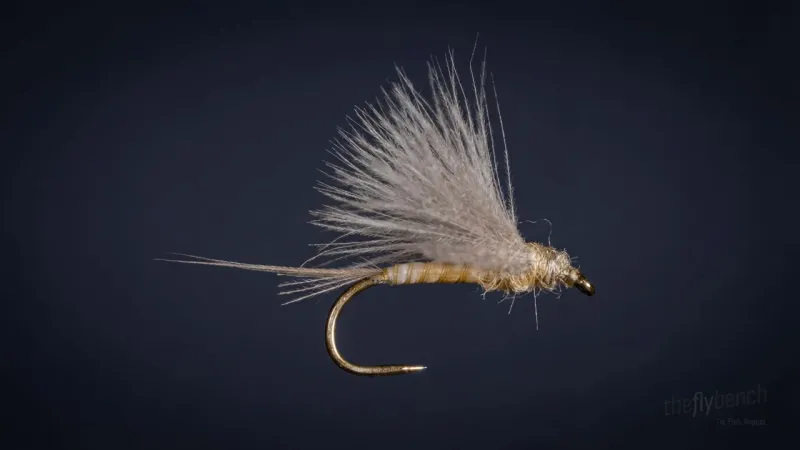
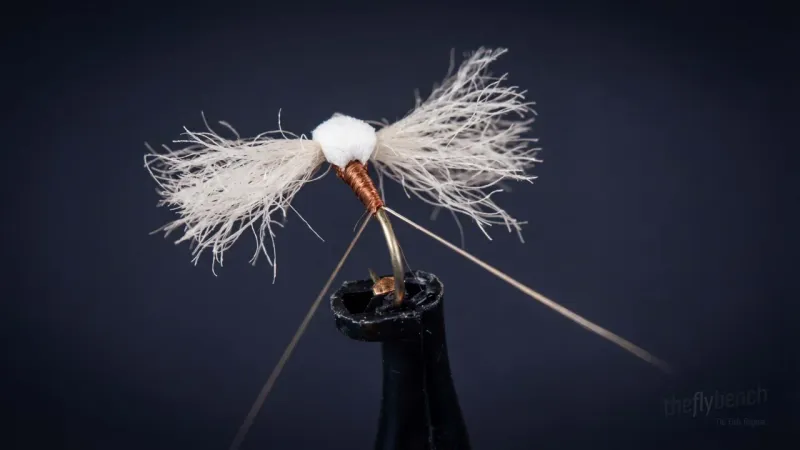
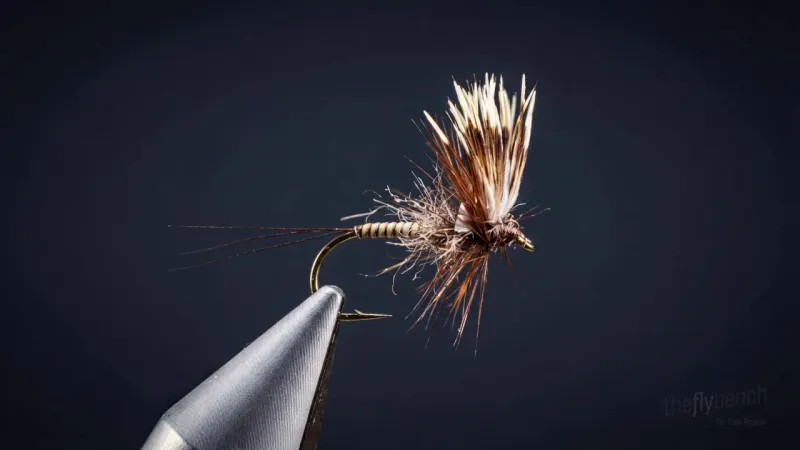
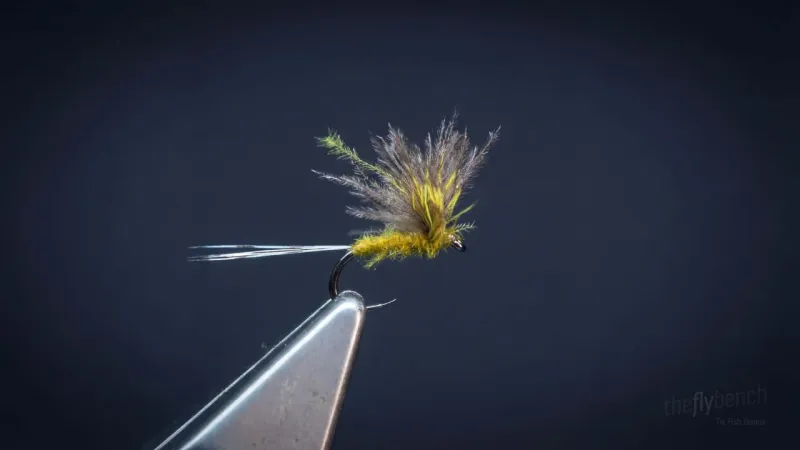
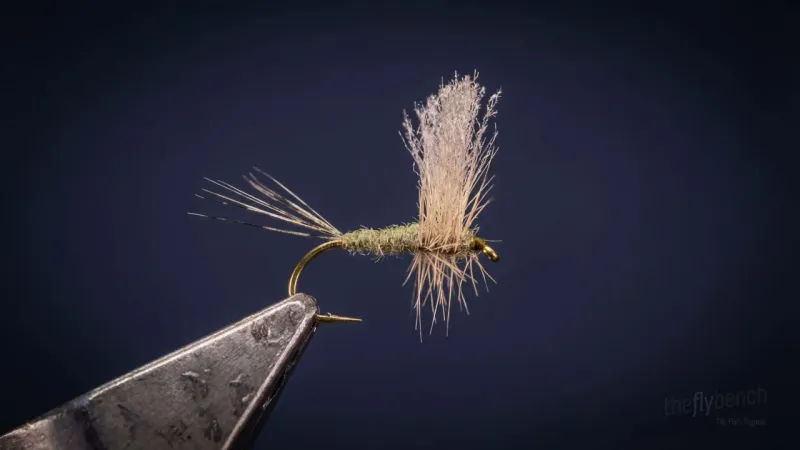
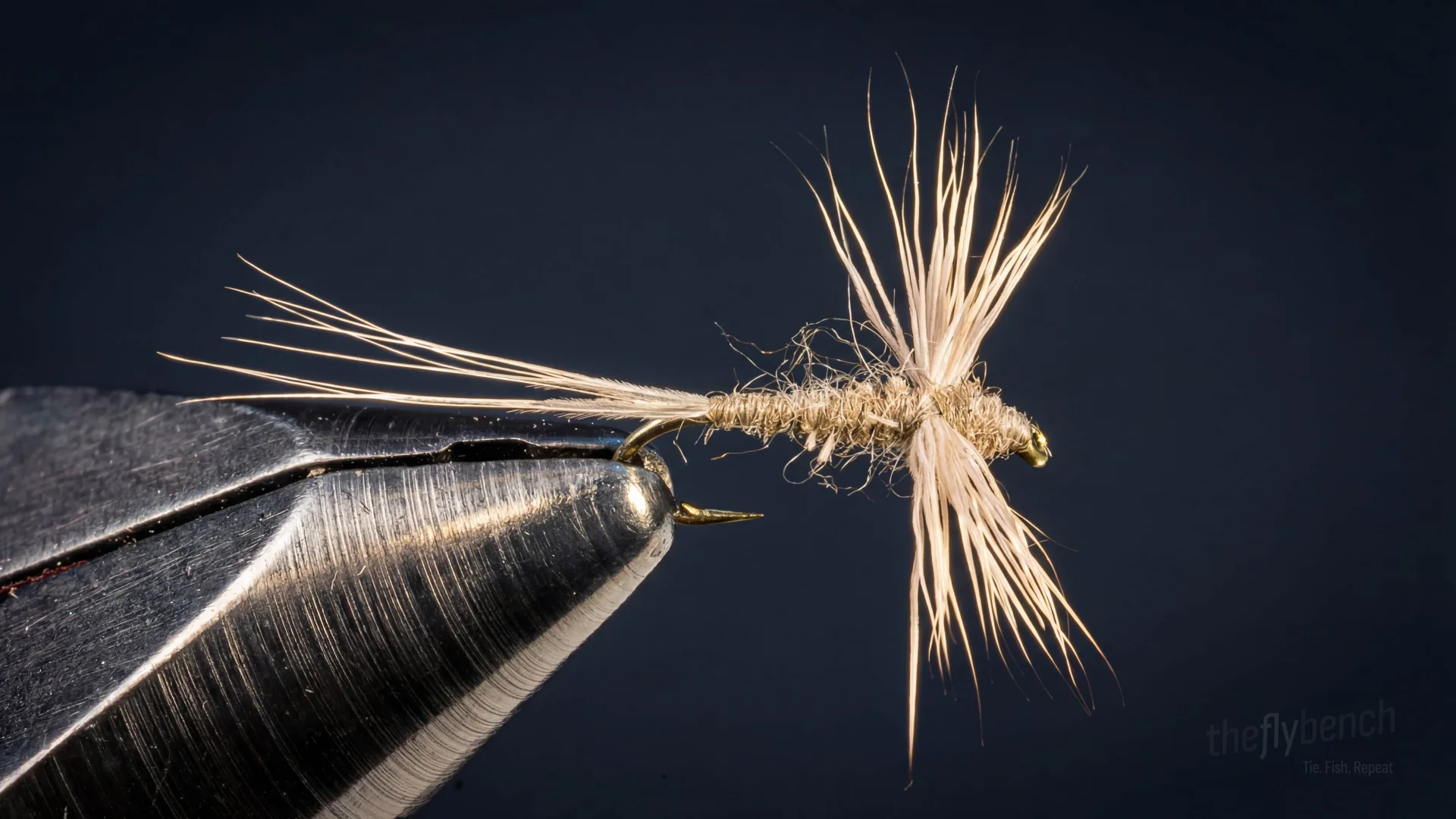
The Deer Hair Spinner is a realistic Callibaetis spinner imitation designed for stillwater fishing when trout feed on spent mayflies. The natural deer hair wing lies flat on the surface to mimic the splayed wings of a dead spinner, while the slim dubbing body and hackle fiber tail complete the spent mayfly silhouette. This pattern excels during summer spinner falls on lakes and ponds.
Summer
Intermediate
Trout
Dec 2025
Overview
The Deer Hair Spinner was developed at Blue Ribbon Flies to match the Callibaetis spinner falls common on western stillwaters. The sparkle dun deer hair provides both realistic appearance and excellent floatation for extended fishing sessions. This pattern is particularly effective when fish are cruising and sipping spinners during calm evening conditions.
Materials
Hook: Tiemco 100 or Umpqua U001, #16-18
Thread: Uni-Thread, 8/0, rusty dun
Tail: Grizzly dry fly hackle fibers
Body: Superfine Dubbing, tan
Wing: Sparkle Dun Deer Hair, natural
Behavior & Presentation
Natural Behavior: Spent mayfly spinners fall to the water surface after mating flights, lying prostrate with wings outstretched horizontally as they expire. These post-reproductive adults accumulate in significant numbers during concentrated spinner falls, often occurring at dusk or dawn in calm conditions.
Where Trout Eat It: Cruising trout sip this during evening Callibaetis spinner falls on western stillwaters. The spent mayfly spinners lie prostrate with wings outstretched horizontally on calm water.
How to Fish It: Cast ahead of cruising fish and let the fly sit motionless. Fish on 12-15 foot leaders with 5X-6X tippet for stillwater presentations.
Best Water: Western stillwater flats and slow spring creek pools. Target calm back bays and current seams during evening spinner falls.
Strike Type: Cruising trout sip this spent pattern with subtle dimples, barely disturbing the surface film. Rises appear as slow head-and-tail movements with the fish's back breaking the surface before its mouth closes on the fly, requiring delayed strike timing to avoid pulling the fly away.
Fishing Strategy
Rigging Suggestions: Fish on 12-15 foot leader with 5X-6X tippet. Long leaders are essential for lakes presentations.
Seasonal Timing: Most effective from June through August during Callibaetis spinner falls. Peak activity occurs in the evening hours when spinners return to the water to lay eggs and die.
Pro Tips: The tan body and natural deer hair can be difficult to see in low light. Consider trailing a more visible pattern to mark location.
Entomology
Spent mayfly spinners fall to the water surface after mating flights, lying prostrate with wings outstretched horizontally as they expire. These post-reproductive adults accumulate in significant numbers during concentrated spinner falls, often occurring at dusk or dawn in calm conditions. Fish recognize the helpless wing-flush posture as an indication of zero escape potential, leading to methodical feeding rhythms during these predictable events.
- Order
- Ephemeroptera
- Common Name
- Mayfly
- Organism Type
- insect
- Life Stage
- adult