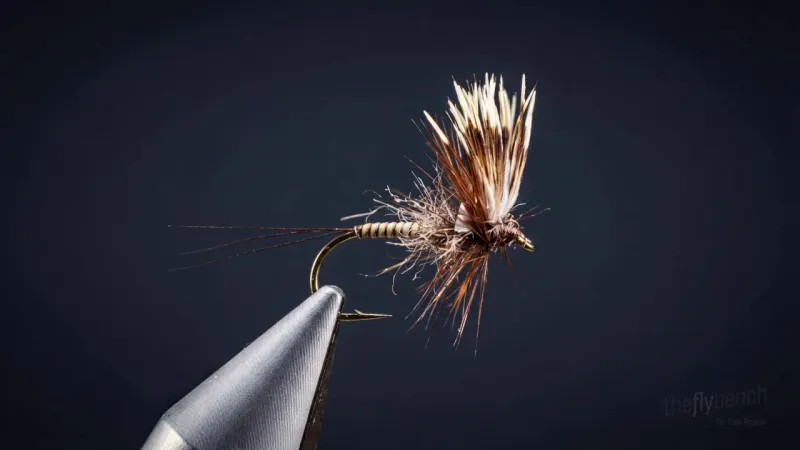
Dry FliesShuck Raider
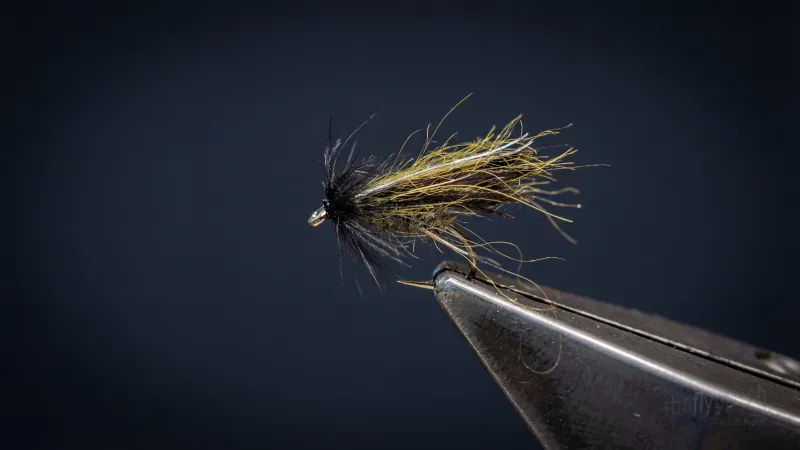
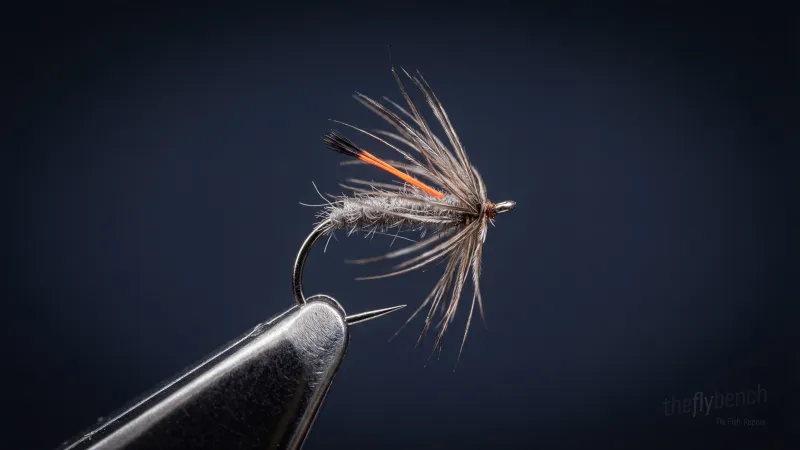
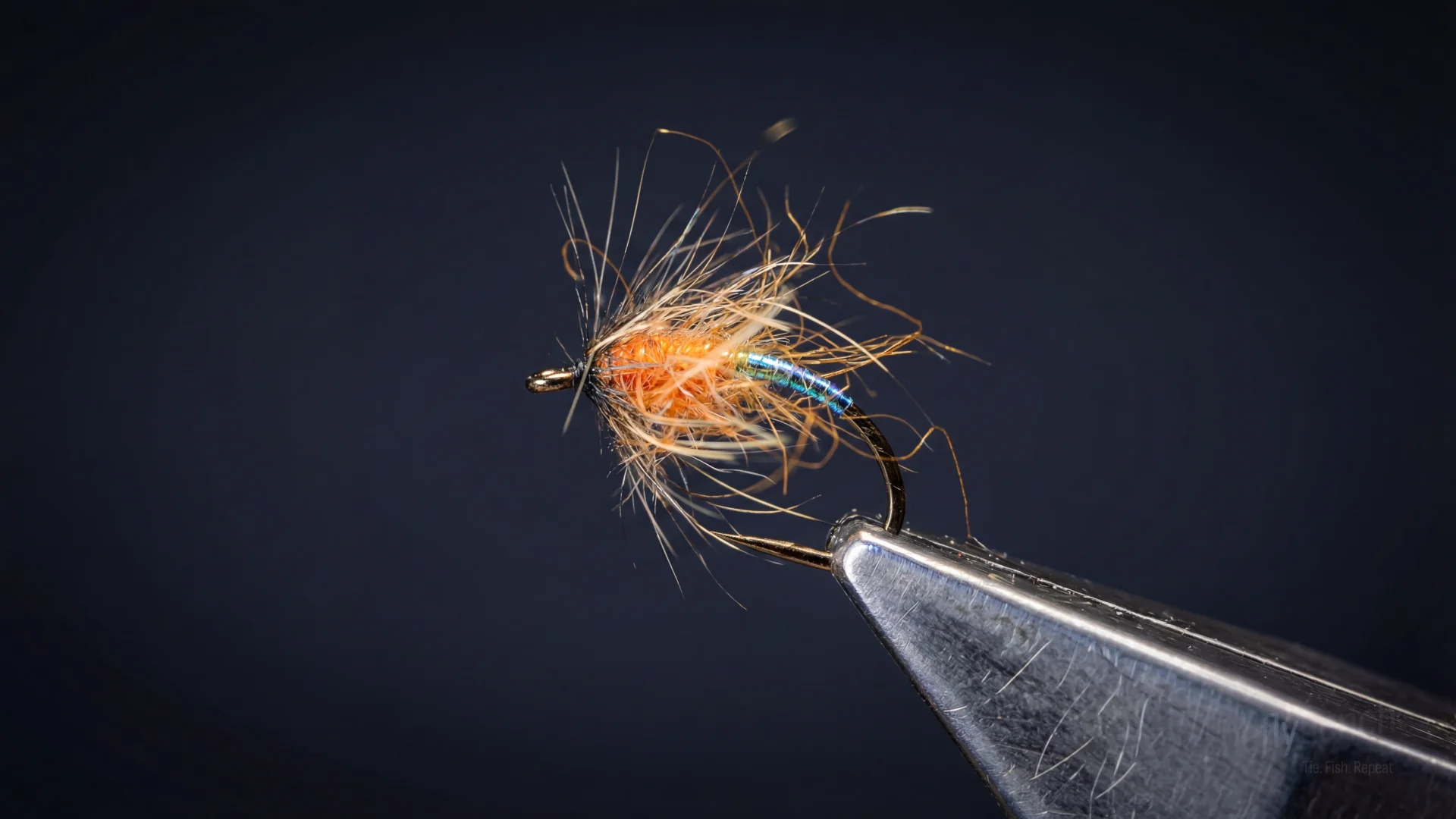
Arthur Greenwood's Shuck Raider imitates a caddis still trailing its pupal shuck at the moment of emergence, with an opal Flashabou abdomen wound over the bare hook shank for a translucent, gas-bubble look. Hot orange seal's fur builds the thorax, and a sparse collar of hare guard hair gives the front a leggy profile.
Spring, Summer, Fall
Intermediate
Trout
Feb 2026
Overview
Greenwood originated this pattern to fish the brief window when a caddis pupa is shedding its shuck at the surface, a moment trout often target more aggressively than the fully emerged adult; the recipe here comes from Hans Weilenmann's tying video. Winding flash directly over bare hook keeps the abdomen thin and gives it the glassy translucency of a real shuck rather than a solid body. It's worth tying across the Mustad C49S's full size range to match whatever caddis is hatching.
Where to Buy This Fly
We only link to fly shops we trust. Some links are referral links, which may earn us a commission at no extra cost to you.
Materials
- Hook:
- Mustad C49S #10-16
- Thread:
- Benecchi 12/0, black
- Abdomen:
- Flashabou or Krystal Flash, opal - over bare shank
- Thorax:
- Seal's fur, hot orange
- Collar:
- Hare guard hair, sparse - inserted into split thread
Behavior & Presentation
Natural Behavior: Half-emerged insects stuck in their cases create an easy-to-see meal drifting helplessly in the film. Anglers fish trailing-shuck patterns because this vulnerable stage draws selective rises from fish keyed to emergers.
Where Trout Eat It: Fish sip emergers from the surface film in freestone streams, tailwaters, spring creeks, and near weed beds and drop-offs in calm lake water.
How to Fish It: Dead drift on or in the film with occasional subtle twitches imitating struggling emergence. The trailing shuck creates realistic emerger silhouette in surface tension.
Best Water: Focus on moderate flow runs, spring creek flats, tail-outs, slicks, and calm weed bed edges during hatch transitions and slower currents.
Strike Type: Watch for visible rises, subtle sips, or delicate takes as fish selectively feed on low-profile emergers in the film.
Fishing Strategy
Rigging Suggestions: Fish on a 9-12 foot leader tapered to 4X-5X tippet (5-6 pound test). Apply floatant sparingly to keep the body in the surface film while the trailing shuck hangs below, creating the profile of an emerging insect.
Seasonal Timing: Most effective from April through October with peak performance during mayfly and caddis emergences in May through September. Prime fishing occurs during morning and evening hatch periods when emergers are most abundant.
Pro Tips: The trailing shuck material is critical to this pattern's effectiveness. Match the size to observed naturals, typically sizes 14-18. This pattern excels during selective feeding when trout refuse traditional dry flies. The low profile and realistic silhouette make it highly effective on pressured fish.
Entomology
Adult caddisflies emerge at the water's surface after breaking free from their pupal shuck, leaving translucent exoskeletons that drift in the film. Fish target these vulnerable insects during the brief window when they're trapped between two life stages, unable to fly away immediately.
- Order
- Trichoptera
- Common Name
- Caddisfly
- Organism Type
- insect
- Life Stage
- adult