Midge / EmergersCDC Biot Caddis Emerger
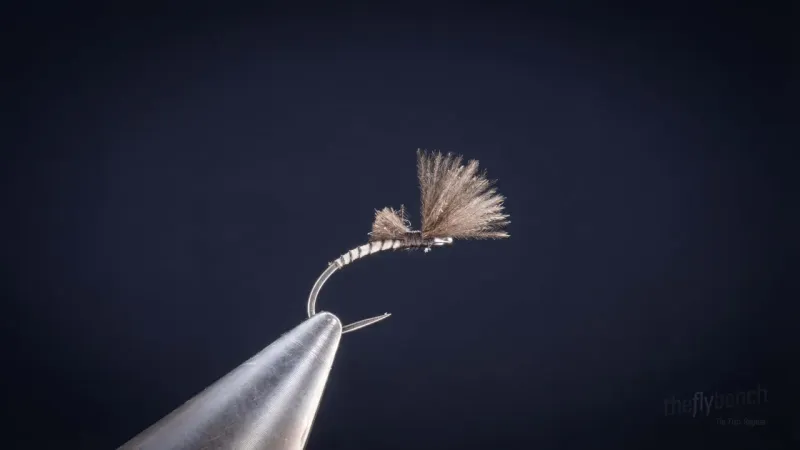
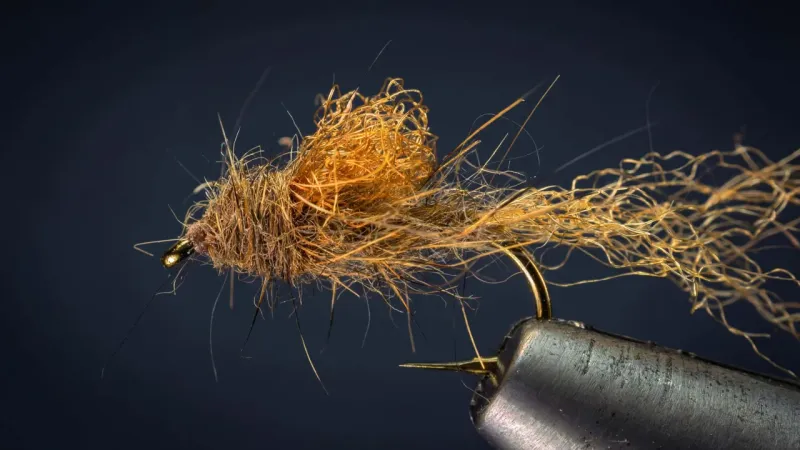
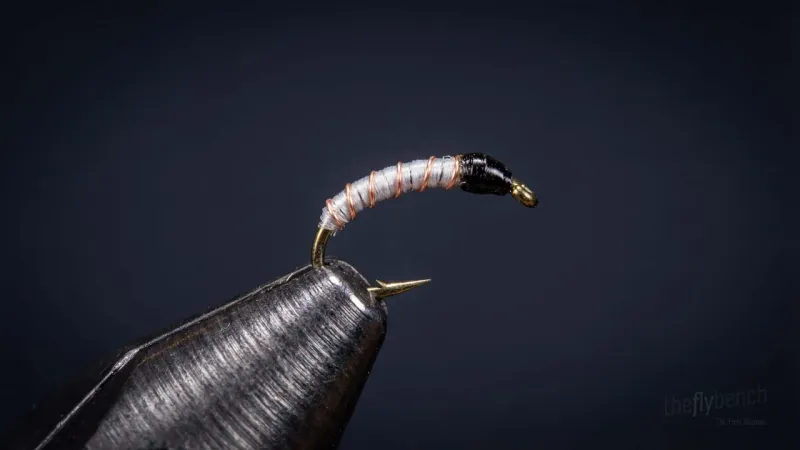
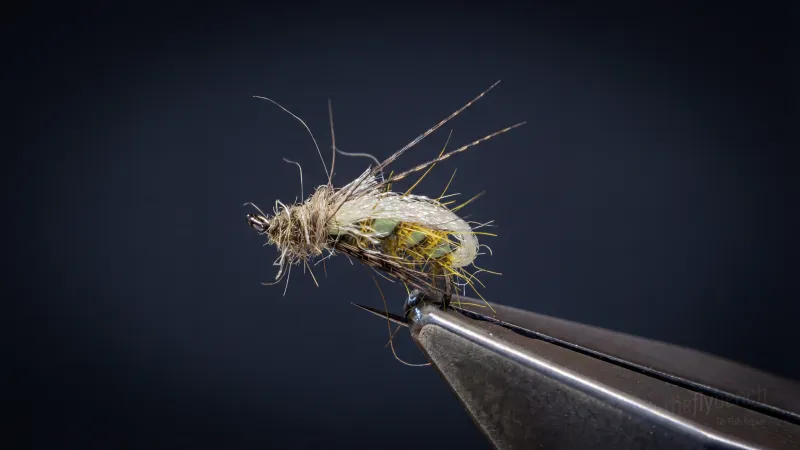
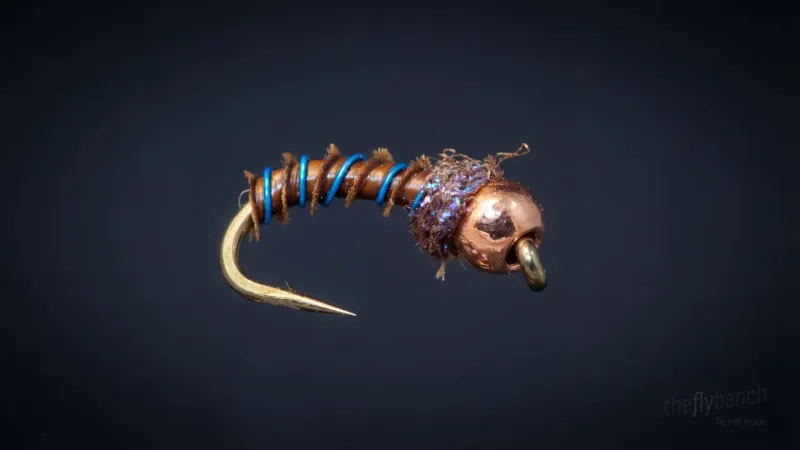
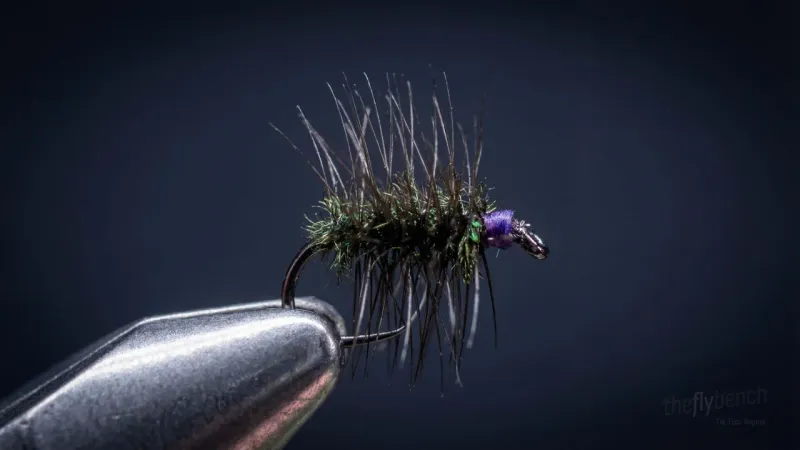
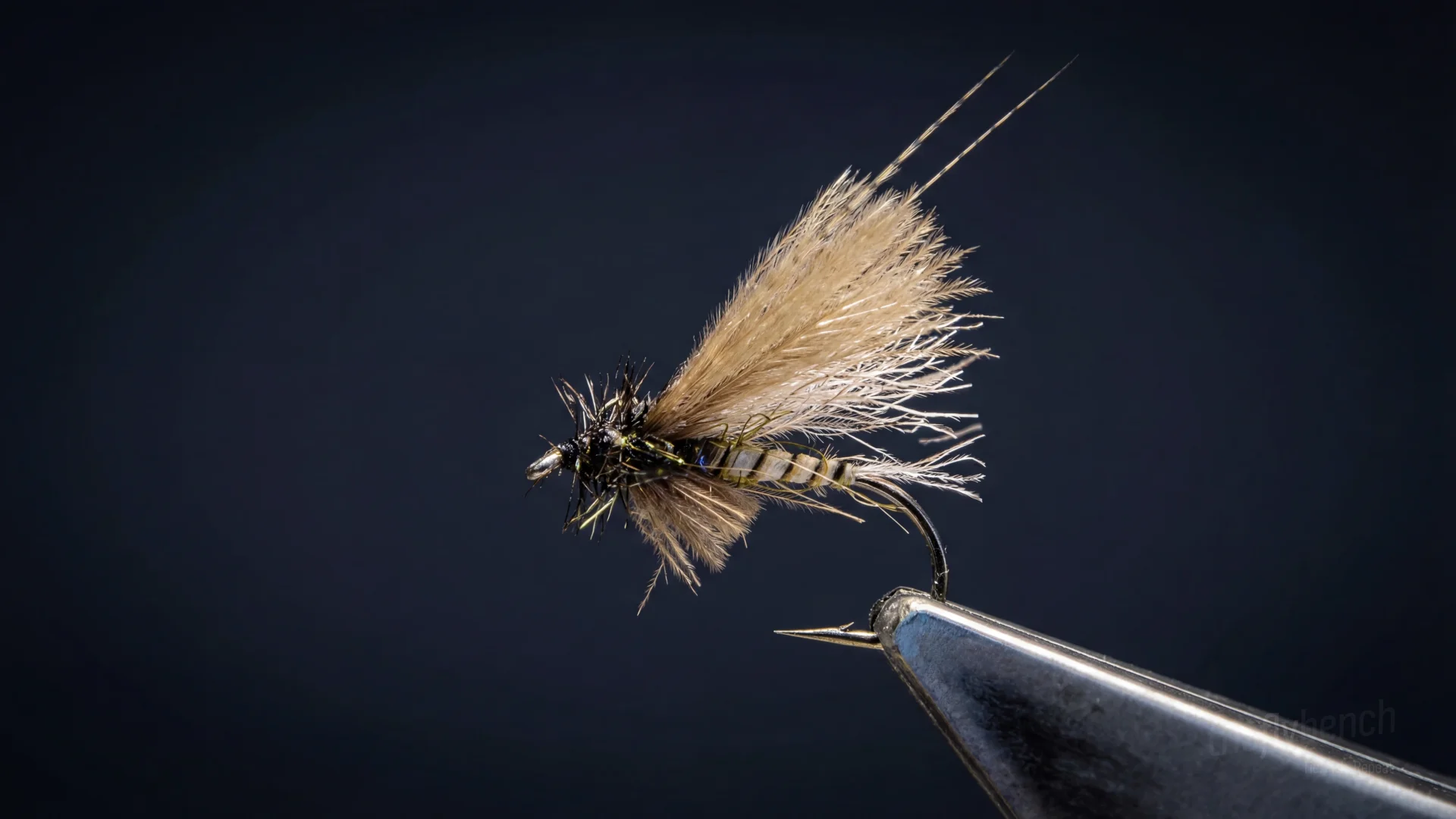
Harry Mason's CDC Biot Caddis Emerger builds a tan goose biot abdomen for segmentation, a slender olive Ice Dub thorax, and a natural CDC wing over a sparse silver Z-lon shuck and underwing. Lemon wood duck antennae and a peacock herl head finish the profile of a caddis still working free of its pupal shuck.
Spring, Summer, Fall
Intermediate
Trout
Feb 2026
Overview
Credited to Harry Mason, this emerger targets the moment caddis pupae hang suspended in the surface film, only partly out of the shuck. The goose biot gives a tighter, more defined segmentation than dubbing alone, and the double dose of Z-lon in the shuck and underwing adds sparkle without overwhelming the CDC wing's natural movement. Fish it low in the film during a caddis emergence, especially when trout are working just under the surface rather than fully up.
Where to Buy This Fly
We only link to fly shops we trust. Some links are referral links, which may earn us a commission at no extra cost to you.
Materials
- Hook:
- Dry fly hook 1XL #14
- Thread:
- Benecchi 12/0, black
- Shuck:
- Z-lon, silver - sparse
- Abdomen:
- Goose biot, dyed tan
- Thorax:
- Ice Dub, olive - very slender
- Underwing:
- Z-lon, silver
- Wing/legs:
- CDC, natural
- Antennae:
- Lemon woodduck barbs
- Head:
- Peacock herl
Behavior & Presentation
Natural Behavior: Ascending caddis pupae tumble upward through mid-column before hanging suspended in the film while adults extract from pupal shucks. This vulnerable film stage concentrates feeding activity.
Where Trout Eat It: Fish position in feeding lanes to intercept pupae suspended in the surface film and just below.
How to Fish It: Present with drag-free drifts in the film, allowing the fly to hang naturally without added weight.
Best Water: Target tail-outs, slicks, foam lines, and seams where emerging pupae accumulate during hatches.
Strike Type: Delicate sips barely dimpling the surface as fish confidently take suspended emergers.
Fishing Strategy
Rigging Suggestions: Use a 12-15 foot leader with 6X-7X tippet. Fish alone or as a dropper beneath a small dry fly.
Seasonal Timing: Most effective during peak feeding periods at dawn and dusk. Water temperatures between 45-65°F typically produce best results.
Pro Tips: The biot abdomen and CDC wing create the perfect emerger silhouette. Fish are often more selective to emergers than adults during caddis hatches.
Entomology
Caddis pupae ascend through the water column in an uncontrolled tumbling motion before reaching the surface where they hang suspended while the adult works free of the pupal shuck. This vulnerable transition phase concentrates fish feeding as insects struggle at the surface film unable to escape predation.
- Order
- Trichoptera
- Common Name
- Caddisfly
- Organism Type
- insect
- Life Stage
- general